Weight-Loss Supplement Label Accuracy: What Buyers Should Know
Weight-Loss Supplement Label Accuracy: A Buyer’s Guide
Weight-loss supplements are often sold with bold promises, sleek labels, and urgent marketing. For someone trying to manage weight, prepare for a physical requirement, or simply feel more in control of their routine, those claims can be tempting.
But a 2024 peer-reviewed study of weight-loss supplements sold on and near U.S. military bases found major label accuracy concerns. Many products had missing ingredients, undisclosed ingredients, stimulant stacking, proprietary blends, and weak third-party verification.
This guide breaks down what the study found and how buyers can use those findings before ordering a weight-loss supplement in 2026. The goal is not fear. The goal is better buying: clearer labels, safer expectations, better testing, and better value.
Quick Answer: What Should Buyers Take From This Study?
Do not judge a weight-loss supplement by marketing claims, packaging, star ratings, or “advanced fat burner” language alone. A safer buying approach is to check the Supplement Facts panel, stimulant amounts, proprietary blends, third-party testing, hidden-ingredient risk, and whether the product makes realistic claims.
Weight-loss supplements should not be used as shortcuts, medical treatments, or replacements for nutrition, movement, sleep, healthcare, or professional guidance. If a product sounds like it can melt fat, override biology, or deliver dramatic results without lifestyle support, that is a reason to slow down.
The Study Behind This Guide
The study analyzed 44 weight-loss dietary supplements purchased between March 2023 and January 2024 from locations serving or surrounding U.S. military communities. The products were tested by the University of Mississippi National Center for Natural Products Research.
The researchers used laboratory testing to compare what the labels said with what was actually detected. They also reviewed labels using the Operation Supplement Safety (OPSS) Risk Assessment Scorecard, a screening tool used in the U.S. Department of Defense supplement safety ecosystem.
FDA resource on hidden ingredients in weight-loss products:
https://www.fda.gov/drugs/medication-health-fraud-notifications/weight-loss-product-notifications
Why Researchers Focused on Military Settings
Weight and body-composition pressure can be especially intense in military environments. For some service members, seeking medical weight-management support may feel uncomfortable because of stigma, readiness standards, or career concerns.
That makes over-the-counter weight-loss supplements appealing as private, self-directed options. The researchers wanted to know whether products easily available to service members were accurately labeled, transparently formulated, and aligned with safety expectations.
The findings matter beyond the military because the same kinds of products, claims, blends, and stimulant-heavy formulas are also common in the broader consumer marketplace.
Where the Products Came From
The study purchased products from real-world retail environments, not obscure online corners. Products came from:
- GNC retail locations
- On-base Exchanges and Shoppettes
- Stores located within one mile of military bases
- 12 U.S. military installations across multiple branches
This is important because the products were not selected to make the industry look bad. They were the types of weight-loss supplements a real buyer might easily find and purchase.
How the Supplements Were Tested
The products were analyzed using liquid chromatography–mass spectrometry (LC-MS), including quadrupole time-of-flight methods. In plain English, researchers used advanced lab methods to identify substances and compare them with the product labels.
The testing helped researchers check whether listed ingredients were present, whether undisclosed ingredients were detected, whether prohibited substances appeared, and whether labels gave buyers enough useful information.
Key Findings from the Study
The findings were serious from a buyer-transparency perspective. Most products had at least one major concern.
| What the study checked | Result |
|---|---|
| Total products analyzed | 44 |
| Products with inaccurate labels | 36 (82%) |
| Products listing ingredients not detected | 27 (61%) |
| Products containing hidden ingredients | 16 (36%) |
| Products rated “no-go” by OPSS | 40 (91%) |
| Products with third-party certification seal | 0 |
For a buyer, the main lesson is simple: weight-loss supplement labels deserve careful review before purchase, especially when the product relies on stimulants, proprietary blends, or aggressive claims.
What “Label Inaccuracy” Meant
Label inaccuracy did not mean small formatting issues. In this study, it included listed ingredients that were not detected, ingredients detected but not disclosed, misrepresentation of stimulant sources, and proprietary blends that hid ingredient quantities.
That creates two buyer problems. You may not be getting what the label suggests, and you may not know everything you are taking.
Hidden Ingredients and Stimulant Stacking
More than one-third of the products contained undisclosed ingredients. Detected but unlisted substances included berberine derivatives, synephrine, theobromine, flavones, and choline compounds.
The study also found widespread stimulant stacking. This matters because multiple stimulant sources can make it difficult for buyers to estimate total intake, especially when some amounts are hidden inside blends.
| Stimulant-related finding | Result |
|---|---|
| Products listing caffeine | 89% |
| Products combining caffeine with other stimulants | 89% |
| Products exceeding 200 mg caffeine per serving | 48% |
| Products hiding caffeine amounts in blends | 9% |
If you already drink coffee, energy drinks, pre-workout products, or other stimulant-containing supplements, this kind of overlap matters. Always check total caffeine and stimulant exposure before combining products.
Prohibited Ingredients Near Military Bases
Four products purchased within one mile of a base listed ingredients prohibited for military use, including DMHA, Ephedra viridis, higenamine, hordenine, and octopamine. The listed prohibited ingredients were confirmed through laboratory analysis.
This is especially important for service members, athletes, and anyone subject to rules around banned substances or drug testing. Even if you are not in the military, it shows why ingredient transparency matters.
OPSS Scorecard Results
The OPSS Scorecard evaluates safety signals using label information. In this study, 40 of the 44 products were rated “no-go.”
| OPSS score category | Number of products |
|---|---|
| “Okay” | 4 |
| “No-go” | 40 |
Reasons included proprietary blends, high stimulant loads, questionable claims, and lack of third-party certification.
Buyer Checklist: How to Compare Weight-Loss Supplements
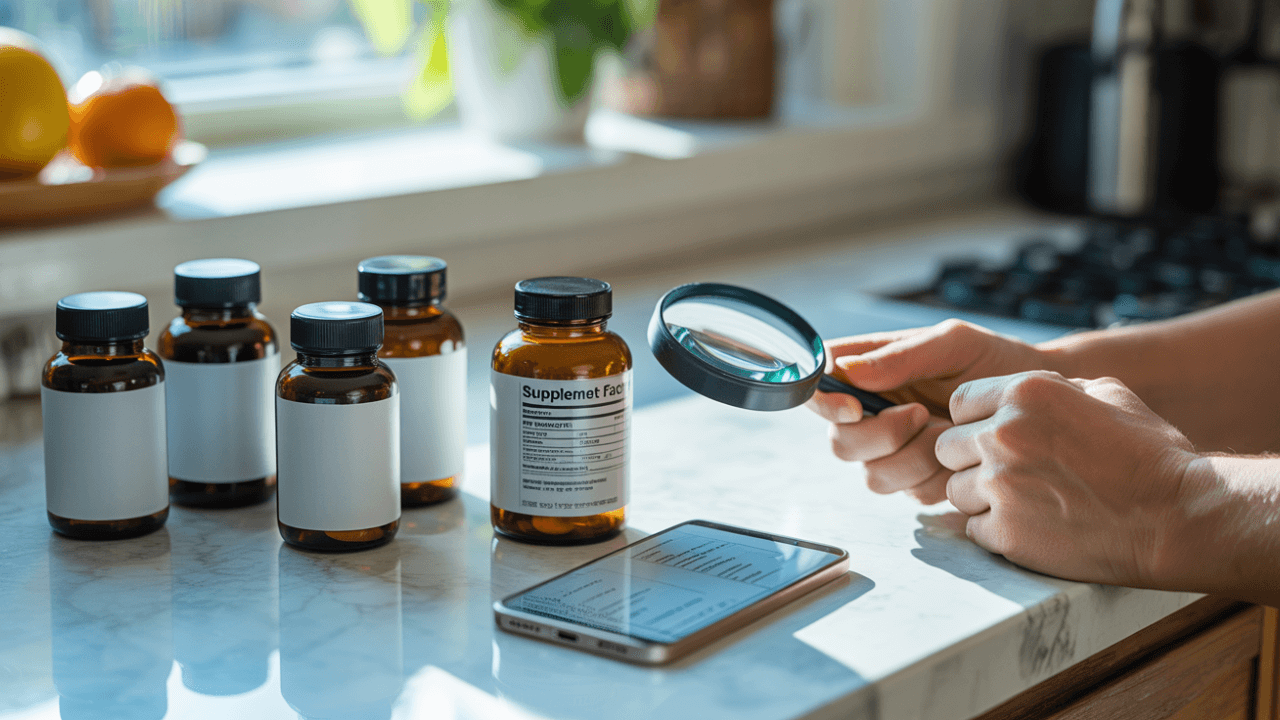
Before buying a weight-loss supplement, use this simple checklist:
- Stimulant amount: Is caffeine clearly listed per serving?
- Other stimulants: Are synephrine, yohimbine, higenamine, hordenine, or similar ingredients present?
- Proprietary blends: Are ingredient amounts hidden inside a blend, matrix, or complex?
- Testing: Can you verify third-party testing, batch details, or a COA?
- Claims: Does the product promise dramatic fat loss, appetite control, metabolism changes, or fast results?
- Overlap: Are you already using caffeine, pre-workout, energy drinks, thyroid products, or other stimulant supplements?
- Medication and health concerns: Do you take medication or have blood pressure, heart, blood sugar, anxiety, sleep, thyroid, kidney, liver, or digestive concerns?
For testing documents, this guide is helpful: Third-Party Lab Testing: COAs, Batches & What to Check.
Red Flag 1: Proprietary Blends
Nearly 64% of products in the study used proprietary blends, matrices, or complexes. That makes it harder for buyers to know individual ingredient amounts, stimulant load, or whether doses are meaningful.
A proprietary blend is not always a dealbreaker, but it should make you more careful. If the product is stimulant-heavy and does not disclose amounts, it becomes harder to compare safely.
Related guide: Are Proprietary Blends Ever Acceptable? A Science-First Breakdown.
Red Flag 2: Fairy Dusting and Long Ingredient Lists
Most people do not buy supplements because they enjoy studying labels. They buy because the product appears to support a goal. But long ingredient lists can be misleading if the doses are tiny.
“Fairy dusting” means adding small amounts of trendy ingredients so they can appear on the label. The product may look advanced, but the actual dose may not be meaningful.
The better question is not “How many ingredients does this have?” It is “Can I see the amount, and does that amount make sense?”
Related guide: How to Tell If a Supplement Is Fake or Has No Real Therapeutic Effect.
Red Flag 3: Aggressive Weight-Loss Claims
Be careful with wording such as “pharmaceutical grade fat burner,” “extreme shred,” “rapid fat loss,” “6X more weight loss,” or “clinically proven” without clear references. These phrases can sound powerful, but they do not prove label accuracy, safety, or meaningful dosing.
FDA resources on health fraud can help buyers understand why disease-style or dramatic claims deserve caution:
- Common questions about medication health fraud
- Questions and answers about contaminated weight-loss products
Red Flag 4: “Lab Tested” With No Proof
You will often see products advertised as “lab tested,” “quality tested,” or “third-party tested.” Those phrases are only useful if you can see what was tested and how the results connect to the product you are buying.
Better testing transparency usually includes Certificates of Analysis, batch or lot numbers, contaminant testing, potency testing, and the name of the independent lab when available.
If a brand claims testing but does not show results, name the lab, provide documentation, or explain batch testing, then buyers are being asked to rely on trust rather than evidence.
Quick Label Check Table
| What you see on the label | What it may mean | What to do next |
|---|---|---|
| 25+ ingredients listed | Can be marketing density | Check whether doses are shown for each ingredient |
| Proprietary blend with one total number | Hides individual amounts | Treat as a caution flag and look for transparent alternatives |
| “Clinically proven” with no references | Marketing language | Focus on amounts, evidence, and testing |
| Serving size is 4–6 capsules | Doses may look larger than they are | Calculate per-serving amounts and cost per day |
| “Advanced matrix” or “complex” wording | Big words, little clarity | Ask whether you understand what you are taking and why |

Price vs. Value: Expensive Does Not Always Mean Better
A high price does not automatically mean a supplement is better, stronger, or more carefully tested. Sometimes higher prices reflect branding, packaging, influencer promotion, or advertising costs.
At the same time, choosing the cheapest product without checking quality is not a smart strategy either. Very low prices may deserve closer review if the brand does not explain sourcing, testing, serving count, or ingredient amounts clearly.
The best value zone is usually somewhere in the middle: clear labels, meaningful doses, reasonable pricing, and enough transparency to compare the product confidently.
| Price pattern | What it may reflect | What to check |
|---|---|---|
| Very high price | Branding and marketing spend | Are doses transparent? Is testing verifiable? |
| Very low price | Cost cutting or minimal formula | Is there a COA? Are ingredients clearly disclosed? |
| Middle pricing | Often the best balance | Look for clear doses, clear purpose, and traceable testing |
Helpful internal resources:
- Why many people overpay for supplements
- How supplement pricing and formulations differ
- Supplements 101: a beginner guide
Where LiveGood Fits Into This Buyer Conversation
After seeing how often supplement labels fail to match their contents, many buyers ask a practical question: what does a more transparent buying model look like?
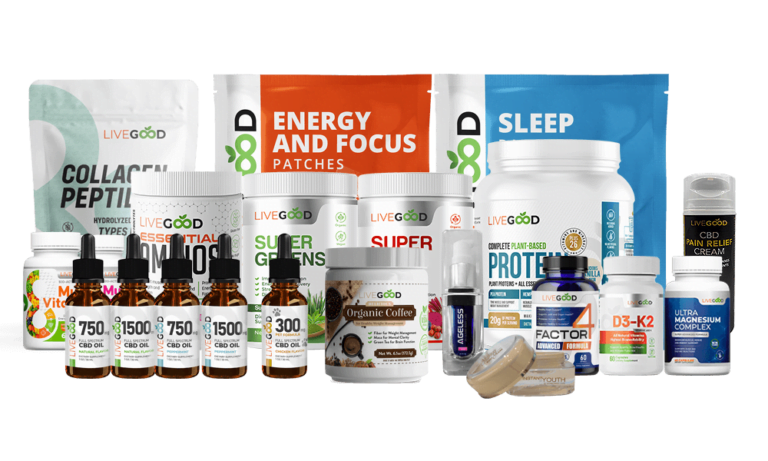
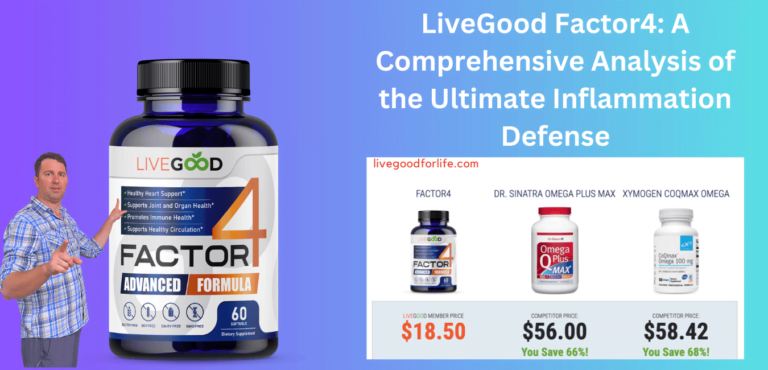
For some consumers, LiveGood is appealing because the model focuses on clear labels, value-focused pricing, and direct access rather than relying only on marketplace rankings or premium-style packaging.
Clearer Supplement Facts labels
Clear ingredient amounts make comparison easier. Buyers can check serving size, compare products, watch for overlap, and set realistic expectations.
Testing and transparency
LiveGood states that its products are third-party laboratory tested. As with any supplement brand, buyers should look for label clarity, testing details, and batch information whenever available.
Membership and retail options
LiveGood uses a membership-style pricing model while also allowing retail purchases. For buyers comparing value, the useful question is whether the formula, serving count, testing position, and price make sense for your routine.
You can compare both options here: LiveGood member pricing and LiveGood retail pricing.
LiveGood vs. “Premium” Marketplace Supplements
Many products sold online are positioned as premium, but price and packaging do not always prove better formulation. This comparison focuses on structure, transparency, and value.
| Feature | Transparent buying model | Common marketplace concern |
|---|---|---|
| Ingredient amounts | Clearly disclosed | Often hidden in blends |
| Testing | Stated and emphasized | Often claimed without easy proof |
| Claims | Conservative and functional | Can be aggressive or benefit-heavy |
| Price structure | Value-focused and repeat-use oriented | Can reflect branding and advertising spend |
| Long-term affordability | Designed for routine use | Often expensive to sustain |
Important Safety Reminder About Weight-Loss Supplements
Weight-loss supplements should not be used to treat obesity, metabolic disease, eating disorders, thyroid problems, diabetes, blood pressure concerns, heart concerns, anxiety, fatigue, or any medical condition. They should not replace nutrition, movement, sleep, medical care, or professional guidance.
Check with a qualified healthcare professional before using weight-loss supplements if you take medication, use stimulants, are pregnant or nursing, have a medical condition, are under 18, have a history of disordered eating, or are subject to drug testing or banned-substance rules.
Best Use of This Study as a Buyer
The practical lesson is not “never buy weight-loss supplements.” The better lesson is this: do not let marketing claims, stimulant buzzwords, or long ingredient lists do all the thinking for you.
Before buying, look for a clear label, disclosed stimulant amounts, realistic wording, testing transparency, and a price that makes sense for the formula. If a product makes dramatic promises but hides the details, that is a reason to pause.
Final Takeaway
The military-focused weight-loss supplement study is a reminder that popularity, availability, and bold label claims do not equal transparency. A product can be easy to buy and still deserve a closer look.
The smartest buyers compare labels, stimulant totals, third-party testing, serving sizes, price, and claims before ordering. That simple habit can help you avoid hidden ingredients, unrealistic expectations, and poor-value formulas.
Want a starting point?
Take the free health assessment.
It is educational only and not medical advice.
Why Take the Health Assessment?
- Personalized Health Insights: Get a deep dive into your current health, covering heart health, immune strength, stress levels, and more.
- Discover Your Hidden Potential: Uncover health risks you may not even be aware of and learn how to tackle them effectively.
- Actionable Expert Advice: Receive simple, customized tips that fit your lifestyle—whether you want to build muscle, lose weight, or improve your well-being overall.
- Quick & Easy: It only takes a few minutes, but the impact could last a lifetime.
- Absolutely Free: No hidden fees, no catch. Just a commitment to your better health.
Take the Quiz, Unlock Your Potential
Curious about what your body needs? Don’t let uncertainty hold you back any longer. Thousands have already taken their first step towards better health; now it’s your turn. This isn’t just a questionnaire—it’s your gateway to a healthier, more vibrant life.
Start Your Free Health Assessment Now

Disclosure & Health Disclaimer
This article is intended for educational and informational purposes only and does not provide medical advice. Nutritional needs and responses to supplements vary by individual. Always consult a qualified healthcare professional before starting or changing any supplement routine, especially if you are pregnant, nursing, have a medical condition, or are taking prescription medications.
Some links in this article may direct readers to additional resources or detailed product information. In certain cases, the author may receive a commission if a purchase is made, at no additional cost to the reader. All opinions expressed are independent and based on research, personal experience, and publicly available sources.