Garlic Benefits: What Research Shows, Food Uses and Safety
Quick answer: Garlic adds flavour to meals, and some garlic supplements have been studied for cholesterol and blood pressure. That does not make a garlic clove, an extract and a multi-ingredient capsule interchangeable—or justify ten guaranteed health benefits.
What does the evidence actually support?
The NCCIH garlic summary describes possible small reductions in total and LDL cholesterol among people with high cholesterol, and limited evidence of small blood-pressure reductions in people with hypertension. Immune-benefit research is sparse and weak.
| Claim | Useful distinction |
|---|---|
| Lowers cholesterol | A possible small change in selected study populations is not a guaranteed result for every product. |
| Lowers blood pressure | Research on a particular preparation does not establish a dose for fresh garlic or a different blend. |
| Prevents heart attacks or stroke | A change in a risk marker is different from showing fewer clinical events. |
| Boosts immunity | The evidence does not justify promising protection from colds or flu. |
| Detox, bone strength or hair growth | This guide does not recommend garlic products for those outcomes. A specific claim needs directly relevant human evidence. |
A Cochrane review on garlic and hypertension found insufficient evidence to establish fewer cardiovascular events or deaths. Its trial search ended in 2011, so it is a historical review, not a complete account of all later research. The distinction between blood-pressure measurements and clinical outcomes remains important.
Fresh garlic, powders and extracts: compare the right thing
| Form | Practical use | Before comparing it with research |
|---|---|---|
| Fresh cloves | Chopped into sauces, soups, stir-fries or dressings | Cloves differ in size; a clove count is not a standardised extract dose. |
| Dried garlic powder | Convenient seasoning for rubs and sauces | Check whether it is plain garlic powder or a salt-containing blend. |
| Garlic oil or extract capsules | A labelled supplement preparation | Read the exact preparation, amount per serving, directions and warnings. |
| Multi-ingredient blend | Combines garlic with other ingredients | Evaluate the complete formula; single-ingredient research does not test the finished blend. |
When reading a study, write down the preparation, daily amount, treatment duration and participants. Compare those details with the label in front of you. Matching only the word “garlic” is not enough. A 10:1 extract ratio describes a manufacturing relationship; it does not establish ten times the clinical benefit.
Using garlic in meals
You can enjoy garlic for its flavour without trying to turn dinner into a supplement regimen. Choose a preparation that suits the dish: finely chopped garlic for a quick sauce, whole cloves for a slow braise, or roasted cloves mashed into a dressing.
A simple four-serving cooking idea: soften two finely chopped cloves gently in a little oil, add a tin of tomatoes and a drained tin of chickpeas, then simmer until the sauce thickens. Add herbs, pepper and lemon to taste. The clove quantity is a flavour suggestion, not a health dose. Avoid browning the garlic too far; bitter garlic can dominate the sauce.
For a yogurt dip, begin with a small amount of grated garlic, stir into plain yogurt with lemon and herbs, then taste before adding more. Raw garlic has a sharper flavour than slow-cooked garlic, so the same clove quantity may feel much stronger. Use a suitable dairy-free yogurt if needed.
Garlic is typically used in small culinary portions. Treat it as seasoning within a varied meal rather than relying on it to meet your vitamin, mineral or protein needs. For broader meal planning, see the food and nutrition guides.
Store homemade garlic-in-oil safely
Garlic mixed with oil needs special handling. The National Center for Home Food Preservation warns that room-temperature storage can allow botulism to develop. Refrigerate freshly prepared garlic-in-oil at 4°C/40°F or below and use within four days, or freeze it for longer storage. Label the preparation date. Commercial products may have different processing and instructions; follow their labels.
Side effects and supplement precautions
Garlic can cause abdominal discomfort, gas, nausea, odour or allergic reactions. Supplements can increase bleeding risk, particularly alongside anticoagulants or aspirin and around surgery. Tell your clinician about them. Pregnancy and breastfeeding require caution with amounts beyond food use. Raw garlic applied to skin can cause chemical burns.
Do not put raw garlic on acne, wounds or irritated skin. Ask a pharmacist or clinician to review a supplement against your medication list and health history. Do not stop prescribed treatment or increase a blend’s dose to pursue a laboratory target.
Considering Factor4 or another garlic-containing blend
Affiliate disclosure: LiveGood links on this page use my affiliate referral. If you purchase through them, I may earn a commission at no extra cost to you. This is general information, not personal medical advice.
If you are comparing Factor4, use the official Factor4 label and product page through my affiliate link. Check the complete ingredient list, serving size, allergens and directions supplied with the product. This article does not recommend Factor4 as a treatment for cholesterol, blood pressure or pain.

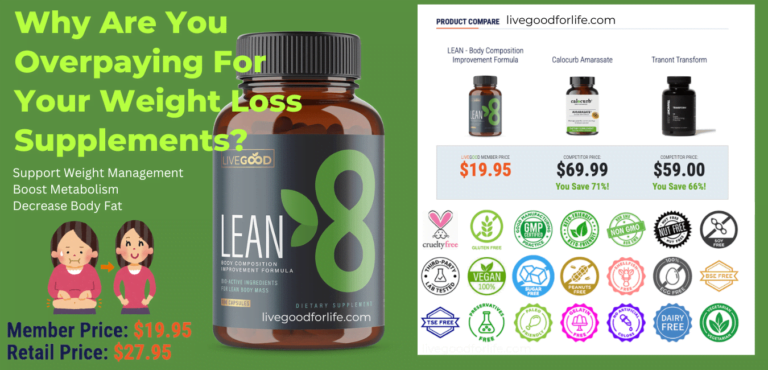
Existing label image uploaded in 2023, retained as an example of how to read a blend’s ingredient panel. It has not been verified as the current label. Check the manufacturer page and your pack before use; do not use this image as dosing advice.
A blend’s label may include several extracts and oils. List the amount of each separately, then distinguish those quantities from any active-component figures. Do not turn a study’s dose for one ingredient into a softgel count for the whole blend. That would also increase the amounts of its other ingredients.
When comparing costs, use the final basket total and servings per container. Account for shipping, taxes and any membership fee relevant to obtaining a member price. See the membership explanation and testing-document collection. A certificate documents specified tests; it does not prove symptom relief.
Common questions
Is raw garlic automatically better than cooked garlic?
This guide does not establish a universal health advantage for raw cloves. Choose a culinary form you enjoy and tolerate; do not assume a stronger taste means a greater clinical effect.
How many cloves should I eat each day?
There is no therapeutic clove target recommended here. Use recipe quantities according to taste rather than translating capsule research into a daily food prescription.
Do I need a garlic supplement?
Enjoying garlic in meals does not create a need to buy an extract. If you have a specific medical goal, discuss evidence-based options with your clinician before choosing a supplement.
What about turmeric in the same blend?
It needs its own evidence and safety assessment. See the turmeric evidence, food-use and safety guide. A product containing both ingredients does not automatically inherit benefits attributed to either one.
Sources and review
Reviewed 31 October 2026. NCCIH: Garlic informs the evidence and safety summary; Cochrane: Garlic for Hypertension explains the clinical-outcome limitation; NCHFP: Garlic-in-Oil supplies the storage guidance. Manufacturer information: Factor4 (affiliate link). None of these independent sources endorses this website or the linked product.