Calories Guide: Energy Balance, Food Quality, BMR, TDEE & Safety Tips
Calories Guide: Energy Balance, Food Quality, BMR, TDEE & Safety Tips
Calories can feel confusing because they are often talked about only in the context of weight loss. But calories are simply a way to measure energy from food and drinks.
This page is part of the Nutrition Basics Course. The goal is to explain what calories are, how the body uses energy, why food quality matters, what BMR and TDEE mean, and how to think about calorie awareness without extreme dieting or obsessing over numbers.
Important: This content is educational only and is not medical advice. Calorie needs vary by age, body size, activity, health status, medications, pregnancy/nursing, eating history, and goals. Speak with a qualified healthcare professional or registered dietitian before making major diet changes, especially if you have diabetes, kidney disease, heart disease, digestive issues, unexplained weight changes, pregnancy/nursing, medical nutrition needs, or a history of disordered eating.
Quick answer: Calories are a measurement of energy. Food and drinks provide calories, and the body uses that energy for resting functions, digestion, movement, and daily activity. Calories matter, but food quality, protein, fiber, healthy fats, hydration, sleep, and consistency matter too.
Why Calories Matter
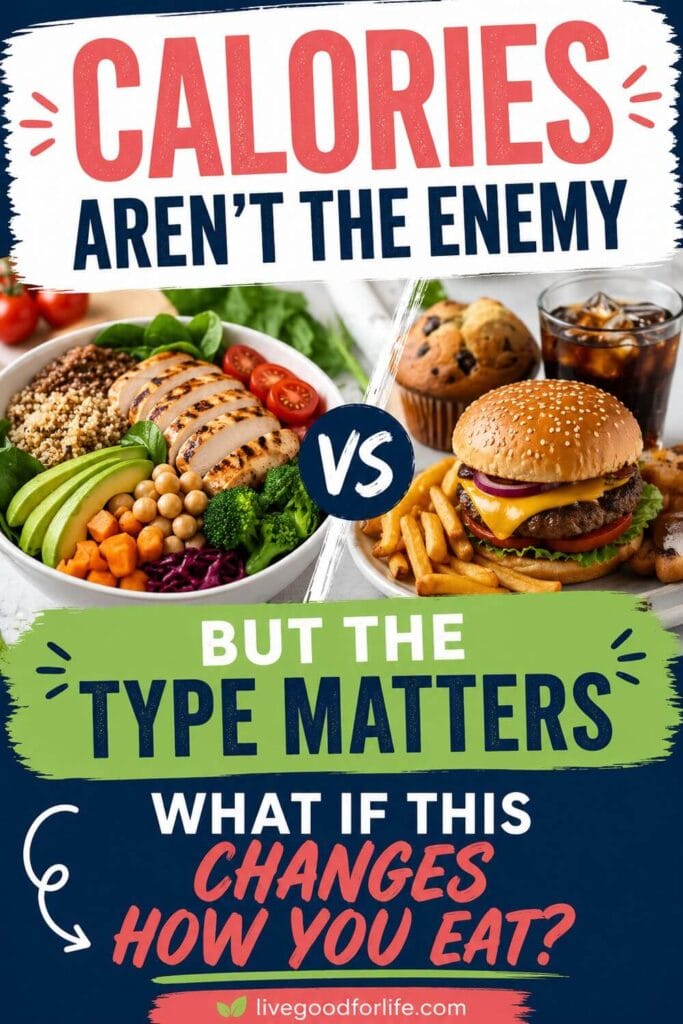
Calories are not automatically good or bad. They are energy. Your body uses energy every day for normal functions such as breathing, circulation, digestion, body temperature, movement, and daily activity.
The number of calories matters, but so does what comes with those calories. A sugary drink and a balanced meal may provide a similar number of calories, but they can differ in protein, fiber, vitamins, minerals, fat, fullness, and meal satisfaction.
That is why calorie awareness works best when paired with food quality, not fear or restriction.
Watch the Video: Understanding Calories
What Is a Calorie?
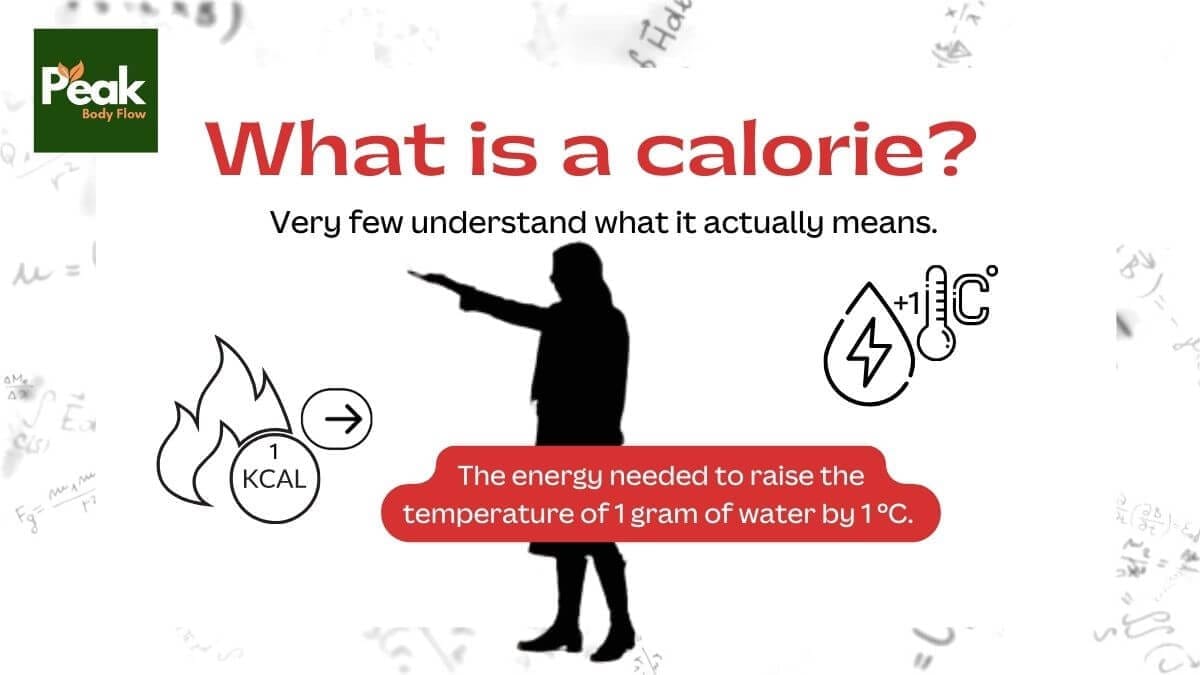
A calorie is a unit of energy. In food and nutrition, the word “calorie” usually refers to a kilocalorie, which is the amount of energy food and drinks provide.
Your body uses calories across the day, even when you are not exercising. Resting functions, digestion, daily movement, intentional exercise, and normal body maintenance all require energy.
The Problem: Focusing Only on the Number
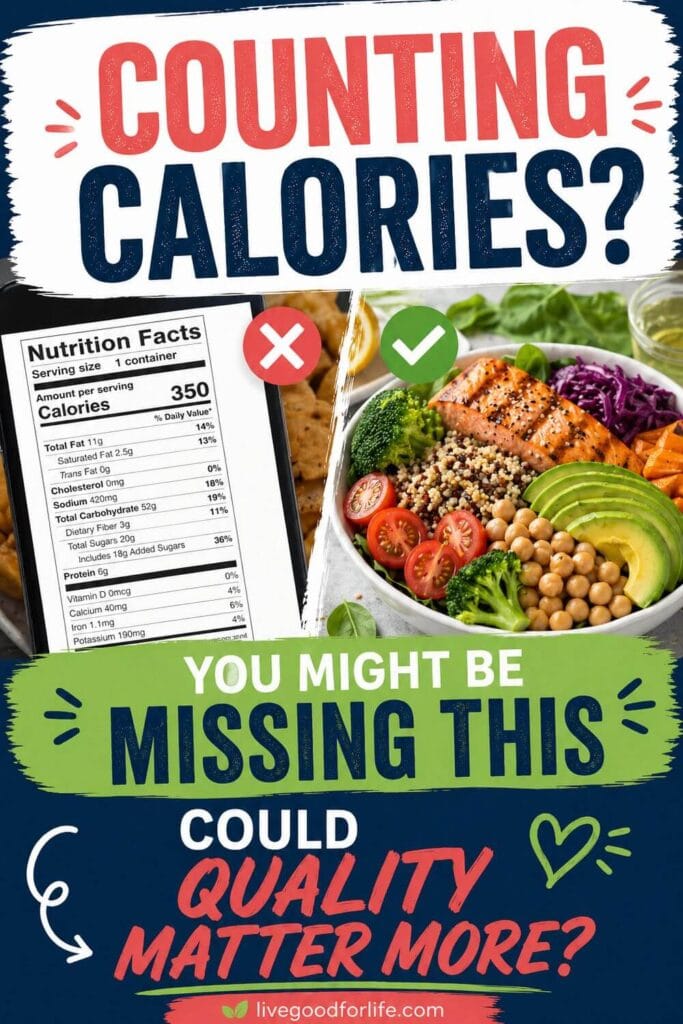
One common mistake is thinking calories are the only thing that matters. Calories do matter, but they are not the full picture.
Low-calorie foods are not automatically better. Higher-calorie foods are not automatically worse. A better question is whether the meal fits your needs, routine, preferences, and overall nutrition pattern.
When comparing meals, look at the full picture:
- Does it include a protein source?
- Does it include fiber-rich foods?
- Does it include healthy fats when appropriate?
- Does it include fruits or vegetables?
- Does it help the meal feel satisfying?
- Does it provide vitamins and minerals?
- Does it fit your daily routine and budget?
How Your Body Uses Calories
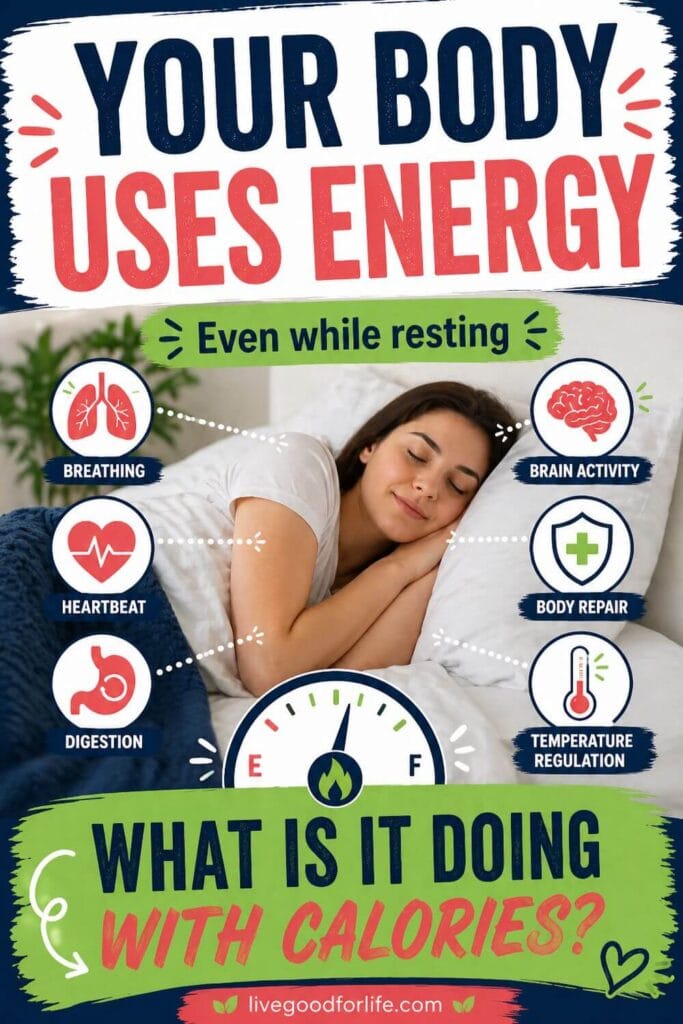
Your body uses calories in several broad ways. These categories are useful for education, but they are estimates, not exact personal numbers.
1. Basal Metabolic Rate
Basal metabolic rate, or BMR, is the estimated energy the body uses at rest for basic functions such as breathing, circulation, body temperature, and organ function.
2. Digestion
The body uses some energy to digest food, absorb nutrients, and process meals. This is often called the thermic effect of food.
3. Daily Movement
Walking, cleaning, standing, working, carrying groceries, and moving around all use energy. This daily movement can vary a lot from person to person.
4. Exercise
Intentional activity such as strength training, cardio, sports, cycling, running, swimming, or fitness classes adds to daily energy use.
5. Growth and Body Maintenance
The body also uses energy for normal growth, tissue maintenance, and daily body processes. Needs can change during growth, pregnancy, breastfeeding, recovery from illness, and certain medical situations.
Calories Come From Protein, Carbohydrates, and Fats
Calories in food mostly come from the three macronutrients: protein, carbohydrates, and fats. Each provides energy, but they play different roles in meals and in the body.
| Macronutrient | Calories per gram | What to know |
|---|---|---|
| Protein | About 4 calories per gram | Provides amino acids and may help meals feel more satisfying |
| Carbohydrates | About 4 calories per gram | Provide energy and may also provide fiber, vitamins, minerals, and plant compounds |
| Fats | About 9 calories per gram | More calorie-dense and useful in meals for taste, satisfaction, and normal body functions |
Related course pages:
Calories and Fiber
Fiber is different from sugar and starch because the body does not fully digest it in the same way. Fiber-rich foods can help meals feel more satisfying and can support normal digestive regularity as part of a balanced eating pattern.
This is why a meal with fiber, protein, and healthy fats may feel different from a lower-fiber meal with the same calorie count.
Related guide: Fiber Guide
How Many Calories Do You Need Each Day?
There is no perfect calorie number for everyone. Daily calorie needs can depend on age, height, weight, body composition, activity level, health status, pregnancy or breastfeeding status, medication use, and overall routine.
A very active person usually needs more energy than someone who is mostly sedentary. Someone with more lean mass may also have a different energy requirement than someone with less lean mass. This is why calorie needs are personal.
A calorie calculator can be useful for getting a rough estimate, but calculators are not perfect rules. They should be treated as starting points.
What Is BMR?
BMR stands for Basal Metabolic Rate. It is the estimated amount of energy the body uses at rest for basic functions such as breathing, circulation, and organ function.
Your BMR is not your full daily calorie need. It is only one part of daily energy use. Activity, daily movement, digestion, and lifestyle also matter.
You can learn more about basal metabolic rate from Cleveland Clinic here: Basal Metabolic Rate: What It Is and How to Calculate It.
What Is TDEE?
TDEE stands for Total Daily Energy Expenditure. It is an estimate of total daily energy use, including resting metabolism, digestion, daily movement, work/lifestyle activity, and exercise.
TDEE can help you understand whether your current intake may be around maintenance, below maintenance, or above maintenance. It is still an estimate and should be used carefully, especially if calorie tracking feels stressful or if you have a history of disordered eating.
Eating More or Less Than Your Body Uses
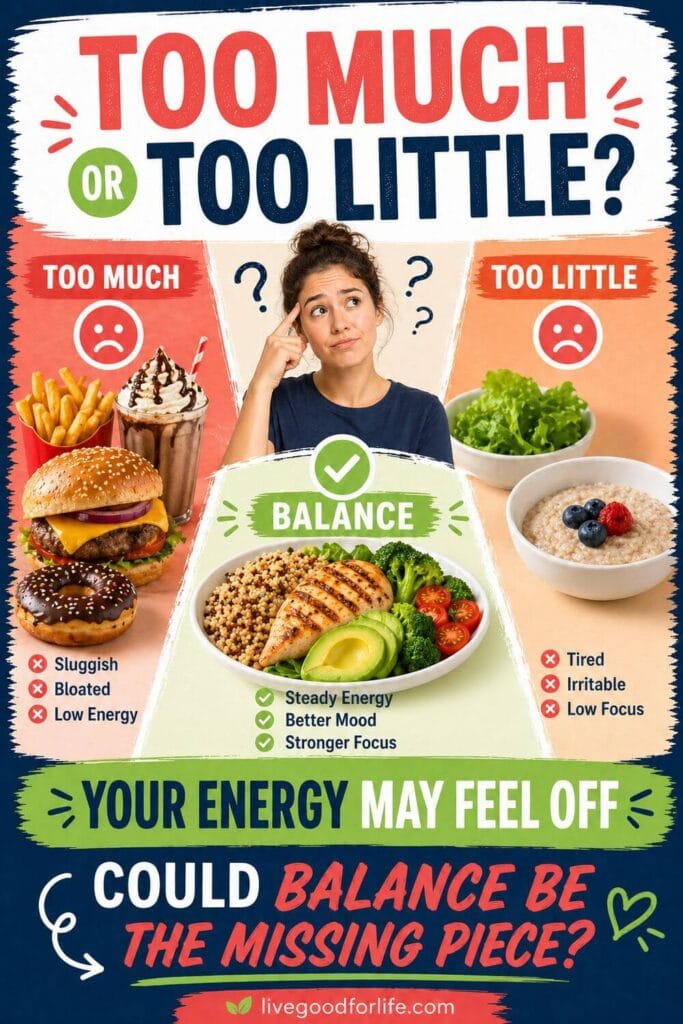
Eating more calories than the body uses over time may lead to weight gain. Eating fewer calories than the body uses over time may lead to weight loss. One meal or one day does not determine the whole pattern.
Very low-calorie dieting can make it harder to get enough protein, fiber, vitamins, minerals, and overall food variety. It may also feel difficult to sustain. People with medical conditions, pregnancy/nursing, or a history of disordered eating should get qualified guidance before changing calorie intake.
The goal is not to eat as little as possible. The goal is to build a food pattern that fits your body, routine, health context, and long-term consistency.
Calorie Quality Matters
Two meals can have the same calorie count but offer a different nutrition experience. Food quality, protein, fiber, healthy fats, micronutrients, portion size, and overall meal pattern all matter.
| Meal Type | What it may provide |
|---|---|
| Mostly refined sugar | Quick energy and usually less fullness |
| Protein + fiber + healthy fats | More meal satisfaction and more nutrients |
| Ultra-processed snack | Convenient, but often less nutrient-dense |
| Balanced whole-food meal | More food variety and better nutrient density |
Simple Ways to Build Better Meals
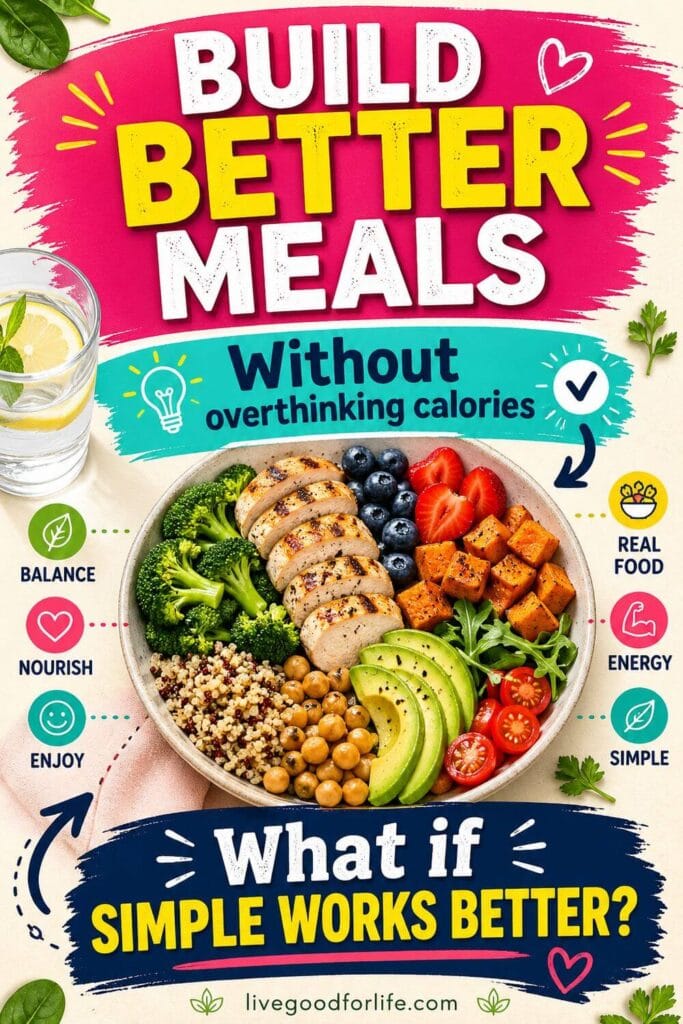
You do not need a complicated diet plan to improve meal quality. Start with a simple plate method and adjust based on your body, preferences, budget, and routine.
- Add a protein source.
- Add a fiber-rich carbohydrate.
- Add a healthy fat when appropriate.
- Add colorful fruits or vegetables.
- Choose water or a lower-sugar drink most of the time.
Example meals:
- Eggs with oats and berries
- Chicken with sweet potato and vegetables
- Greek yogurt with fruit and chia seeds
- Salmon with rice and salad
- Lentil soup with avocado toast
- Turkey wrap with vegetables
- Smoothie with protein, berries, and fiber
How to Track Calories Without Obsessing
Tracking calories can be helpful for awareness, but it is not necessary for everyone. Some people prefer tracking for a short time to learn patterns. Others may do better with meal structure, portion awareness, and food quality.
Tracking may help you notice:
- How much you usually eat
- Which foods are calorie-dense
- Which meals feel more satisfying
- Where extra calories may be coming from
- Whether meals include enough protein and fiber
Popular tracking tools include apps like MyFitnessPal, Cronometer, Lose It!, MyNetDiary, Fitbit, and food labels. Tracking is a tool, not a rule for life.
If tracking calories feels stressful, obsessive, or triggering, it may not be the right tool. A registered dietitian or qualified healthcare professional can help you choose a safer approach.
Easy Calorie Awareness Tips
- Read food labels when helpful.
- Notice serving sizes.
- Add protein to meals.
- Add fiber-rich foods.
- Drink water regularly.
- Limit high-calorie drinks when possible.
- Choose whole or minimally processed foods most of the time.
- Avoid skipping meals if it leads to overeating later.
- Build balanced plates instead of chasing the lowest-calorie option.
Helpful Nutrition Tools and Resources
These resources may help you understand calories and daily energy needs. Use them for education, not as rigid rules.
Food Quality Before Exact Numbers
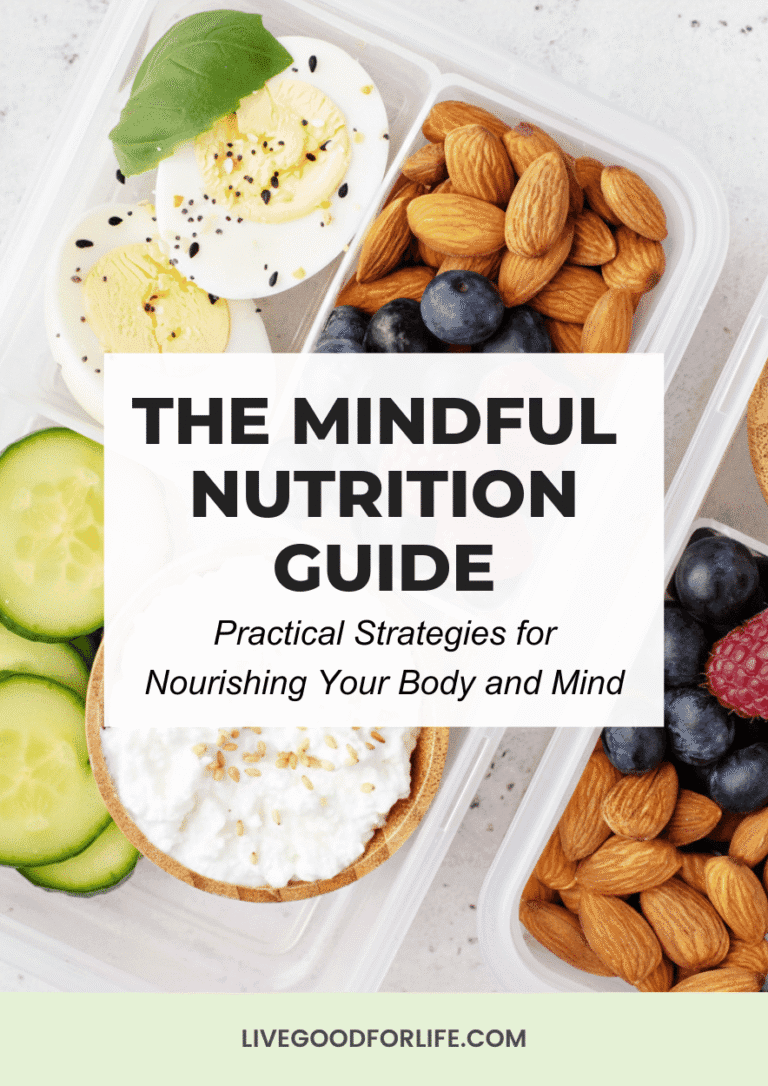
Many people benefit from improving daily food quality before worrying too much about exact calorie numbers. This means building meals around protein, fiber, healthy fats, smart carbohydrates, hydration, whole foods, and consistency.
When meals are more balanced, calorie awareness often becomes easier because meals may feel more satisfying and predictable.
Who This Guide Is For
This guide may be helpful if you feel confused about calories, want to understand energy balance, want to improve meal quality, or are following the Nutrition Basics Course.
This guide is not meant for people who need medical nutrition therapy or eating-disorder support. If calorie tracking feels unsafe or stressful, get qualified support and use a gentler approach.
Continue the Nutrition Basics Course
This post is part of the Nutrition Basics Course on LiveGoodForLife.
- Protein Guide
- Top 20 High-Protein Food Sources
- Carbohydrates Guide
- Fats Guide
- Fiber Guide
- Water & Hydration Guide
- Micronutrients Guide
FAQ: Understanding Calories
What are calories?
Calories are a measurement of energy. In nutrition, they tell us how much energy food and drinks provide to the body.
Are calories bad?
No. Calories are not bad. The body uses calories for normal functions, daily activity, digestion, and movement.
Do I need to count calories?
Not everyone needs to count calories. Some people find it helpful for awareness, while others do better focusing on balanced meals, portion sizes, protein, fiber, and whole foods.
How many calories do I need each day?
Your calorie needs depend on age, height, weight, activity level, body composition, health status, pregnancy or breastfeeding status, medications, and routine. A calorie calculator can provide an estimate, but individual needs vary.
Can I eat anything as long as the calories are the same?
Food quality still matters. The same number of calories can affect fullness, digestion, meal satisfaction, and nutrient intake differently depending on the food source.
What foods help with fullness?
Foods with protein, fiber, and healthy fats often make meals feel more satisfying. Examples include eggs, Greek yogurt, beans, lentils, oats, avocado, nuts, seeds, fruits, vegetables, and lean proteins.
What happens if I eat too few calories?
Eating too few calories for too long may make it harder to get enough protein, fiber, vitamins, minerals, and food variety. It may also feel difficult to sustain. Get qualified guidance before making major calorie reductions.
What happens if I eat too many calories?
Eating more calories than the body uses over time may lead to weight gain. The overall pattern matters more than one meal or one day.
Are calories from protein, carbs, and fats different?
Protein and carbohydrates provide about 4 calories per gram, while fat provides about 9 calories per gram. They also play different roles in meals and in the body.
What is BMR?
BMR stands for basal metabolic rate. It is the estimated amount of energy the body uses at rest for basic functions such as breathing, circulation, and organ function.
What is TDEE?
TDEE stands for total daily energy expenditure. It is an estimate of how many calories the body uses in a full day, including resting energy, digestion, movement, and exercise.
Is Calorie Awareness Worth It?
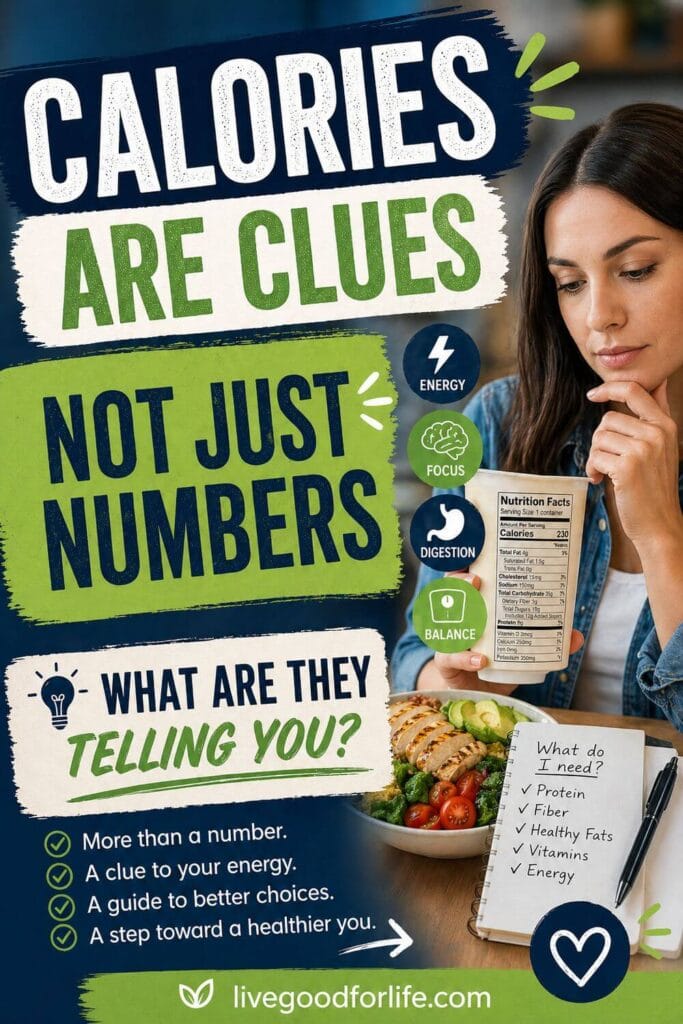
Calorie awareness can be useful because it helps explain energy balance. But calories are only one part of nutrition. Your body needs energy, but it also needs protein, carbohydrates, fats, fiber, vitamins, minerals, fluids, sleep, movement, and consistency.
Instead of only asking how many calories a food has, also ask whether the meal fits your routine and helps you build a balanced eating pattern.
Learn More
For more simple nutrition guides, wellness education, and product information, visit LiveGoodForLife.com.
Disclaimer
This content is for informational and educational purposes only and is not medical advice. Results may vary. Always consult your doctor, registered dietitian, or qualified healthcare professional before making changes to your diet, lifestyle, supplement routine, or exercise plan, especially if you have a medical condition, diabetes, kidney disease, heart disease, digestive issues, unexplained weight changes, are pregnant or nursing, have medical nutrition needs, have a history of disordered eating, or take medication.
This post may contain affiliate links, which means I may earn a commission at no extra cost to you.