Carbohydrates Guide: Types, Food Sources, Fiber, Blood Sugar & Balance Tips
Carbohydrates Guide: Types, Food Sources, Fiber, Blood Sugar & Balance Tips
Carbohydrates are often misunderstood. Some people see them as essential fuel, while others avoid them because they worry about weight gain or blood sugar. The more helpful view is balanced: carbohydrates are one of the three main macronutrients, and the quality, portion size, timing, and food source all matter.
This Nutrition Basics Course guide explains what carbohydrates are, how the body uses them, the difference between simple and complex carbs, why fiber matters, and how to choose carb-rich foods in a realistic way.
Nutrition note: This article is for general education only and is not medical advice. If you have diabetes, prediabetes, kidney disease, digestive conditions, food allergies, an eating-disorder history, are pregnant or breastfeeding, take glucose-lowering medication, or follow a medically restricted diet, speak with a qualified healthcare professional or registered dietitian before making major carbohydrate changes.
What Are Carbohydrates?
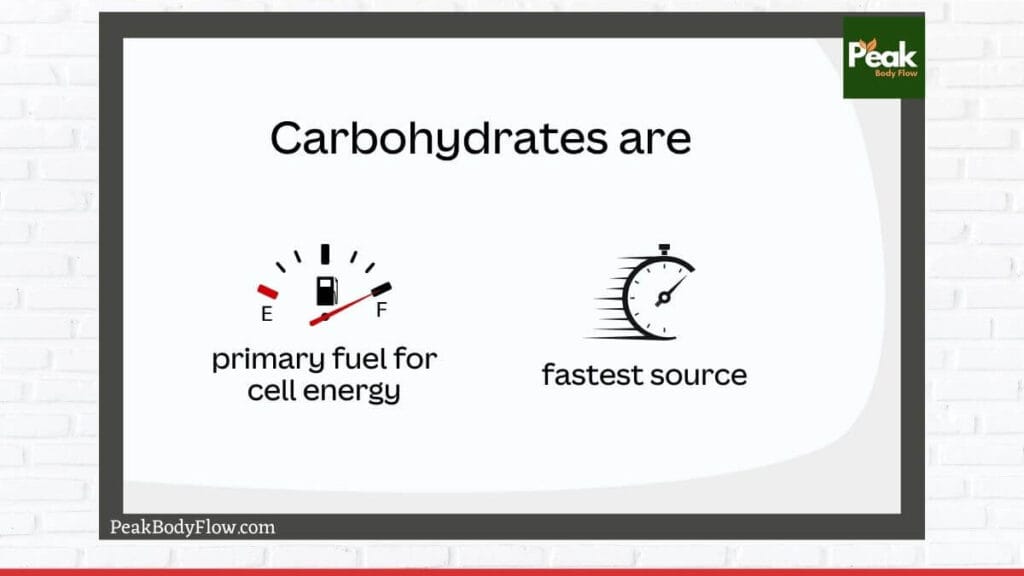
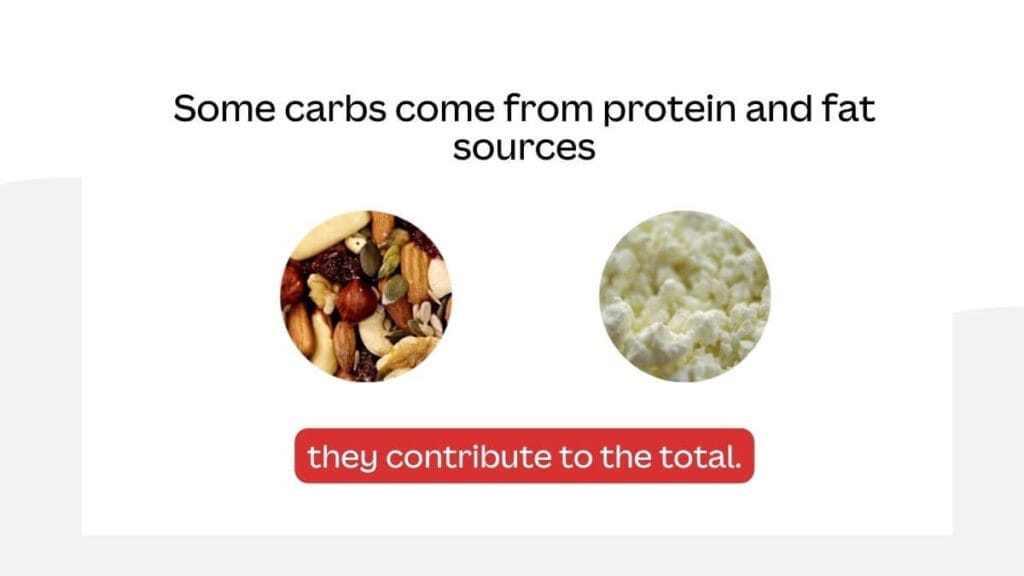
Carbohydrates are nutrients found in foods such as grains, fruit, vegetables, beans, lentils, milk, yogurt, and sweet foods. During digestion, many carbohydrates break down into glucose, which the body can use for energy or store as glycogen in the liver and muscles.
Carbs are especially useful for active people because higher-intensity exercise often relies more on carbohydrate stores. That said, carbohydrate needs are not the same for everyone. Activity level, health status, goals, appetite, culture, food preferences, and medical needs all matter.

How Much Carbohydrate Do You Need?
There is no single perfect carb target for every person. Some people feel better with higher carbohydrate intake, especially athletes and highly active people. Others may need a more moderate or structured approach, especially when managing blood sugar or appetite.
A common general nutrition range is 45–65% of daily calories from carbohydrates, but that range is not a rule for everyone. For many beginners, a better first step is not counting every gram. It is choosing better carb sources and pairing them with protein, healthy fats, and fiber-rich foods.
Signs Your Carb Intake May Need Adjusting
Some people feel tired, hungry, or low on energy when they reduce carbohydrates too much. Others may notice that large portions of refined carbs or sugary drinks leave them hungry again quickly. These signs are not a diagnosis, but they can help you notice patterns.
Possible signs of too little carbohydrate for your routine
- Low energy during workouts
- Feeling unusually tired or lightheaded
- Strong cravings or persistent hunger
- Difficulty concentrating
- Poor recovery after exercise
- Feeling restricted or anxious around food
If symptoms are persistent, intense, or unusual, speak with a healthcare professional. Do not assume carbs are the only cause.
Possible signs your carb choices or portions need attention
- Frequent sugary drinks or desserts replacing balanced meals
- Large portions of refined grains with little protein or fiber
- Energy dips after meals
- Difficulty staying full between meals
- Gradual weight gain from overall calorie intake
The goal is not to fear carbs. The goal is to choose carbohydrate foods that help you feel steady, satisfied, and nourished.
Healthy Carbohydrate Sources to Build Around
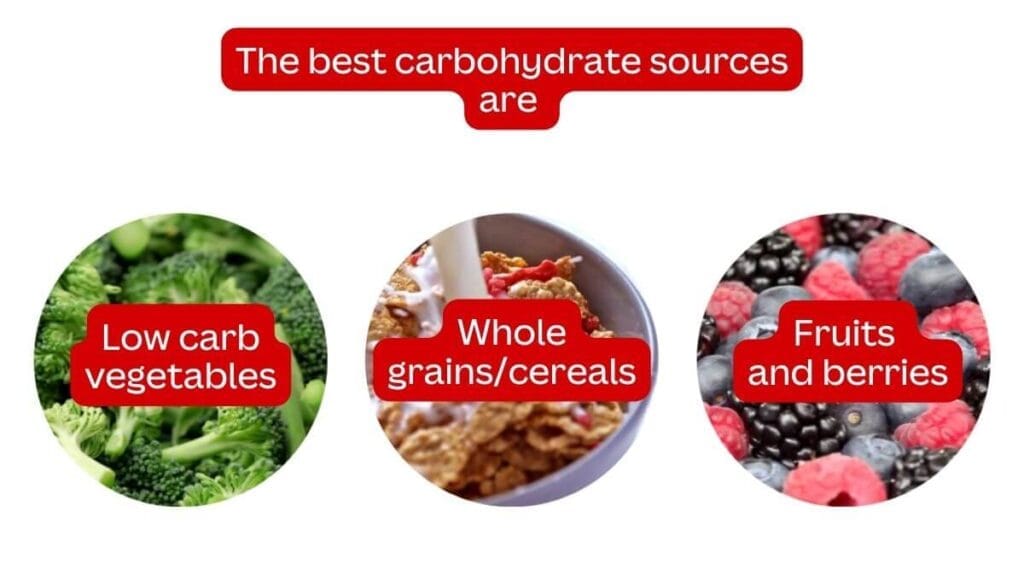
Higher-quality carbohydrate foods usually come with fiber, vitamins, minerals, water, or protein. These foods can help meals feel more balanced and satisfying.
- Fiber-rich vegetables: broccoli, cauliflower, carrots, spinach, peppers, leafy greens, and other vegetables.
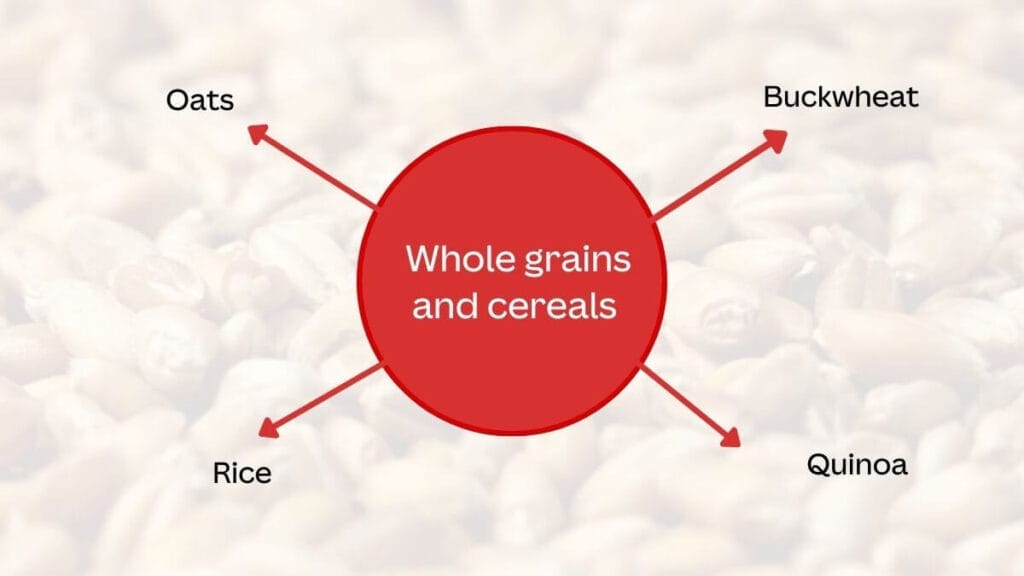
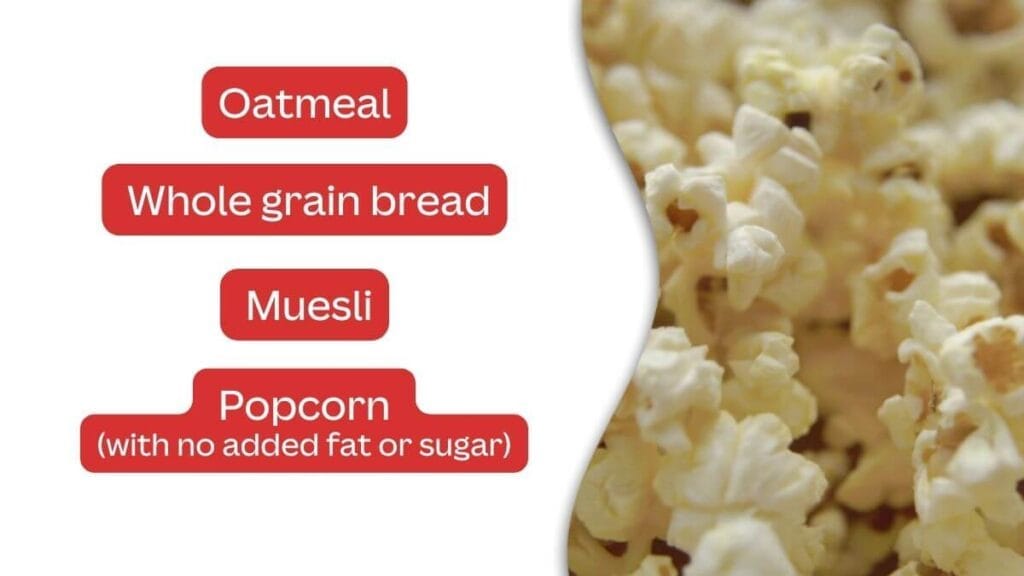
- Whole grains: oats, quinoa, brown rice, buckwheat, barley, whole-grain bread, and whole-grain pasta.
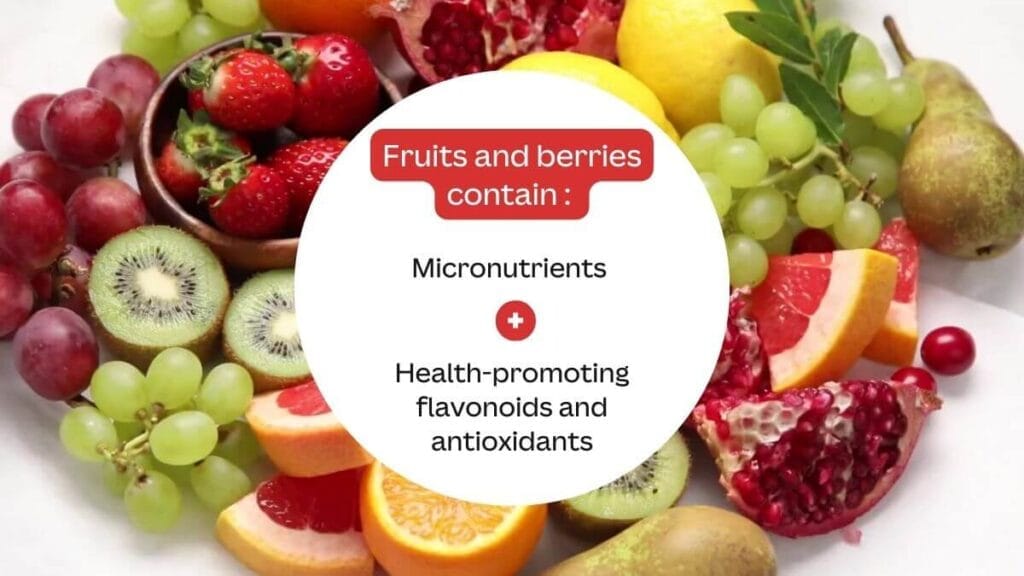
- Fruit and berries: apples, oranges, bananas, berries, mango, grapes, and other fruits.
- Legumes: lentils, chickpeas, black beans, kidney beans, peas, and other beans.
- Starchy vegetables: potatoes, sweet potatoes, corn, pumpkin, squash, plantains, and root vegetables.
Simple vs Complex Carbohydrates
Carbohydrates are often described as simple or complex, but food quality matters more than the label alone. Fruit contains natural sugar, but it also provides water, fiber, vitamins, and minerals. A sugary drink contains sugar without the same fullness or nutrient value.
Simple carbohydrates
Simple carbs are made of shorter sugar chains and are digested faster. They can be found naturally in fruit and milk, and they are also found in sweeteners, desserts, and sugary drinks. The source matters.
For most people, fruit and milk products can fit well in a balanced diet. Added sugars are the ones to keep more moderate, especially from drinks, sweets, and ultra-processed snacks.

Complex carbohydrates
Complex carbs are longer carbohydrate chains and often come from foods like whole grains, legumes, and starchy vegetables. These foods can be more filling when they contain fiber and are paired with protein and healthy fats.
Examples include oats, brown rice, lentils, peas, whole-grain bread, quinoa, potatoes, and sweet potatoes. These foods can provide energy plus nutrients, especially when eaten as part of balanced meals.
Sugar vs starch
Sugar is usually digested more quickly, while starch is made of longer chains of glucose. Starchy foods such as potatoes, corn, whole grains, and beans can fit well in meals, especially when they are minimally processed and balanced with protein, vegetables, and healthy fats.

Whole Grains vs Refined Grains
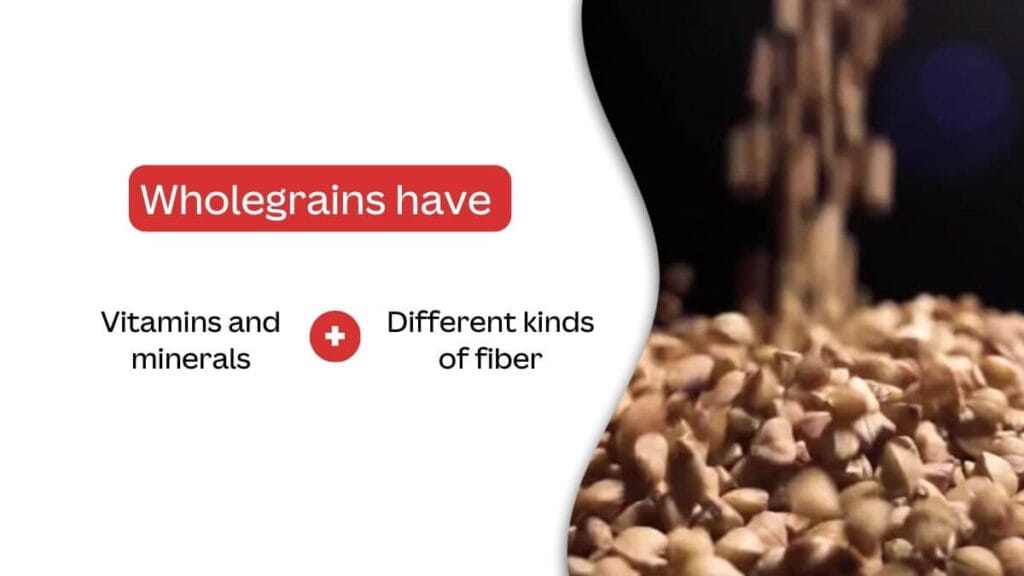
Whole grains keep more of the original grain structure, including the bran and germ. This usually means more fiber, vitamins, minerals, and texture. Refined grains are processed to remove parts of the grain, which can reduce fiber and some nutrients.
Whole grains do not need to replace every refined grain overnight. A simple goal is to choose whole-grain options more often, especially for foods you eat regularly. The American Heart Association has a helpful overview of whole grains, refined grains, and fiber.
Why Legumes Are a Useful Carb Source
Legumes such as lentils, chickpeas, beans, and peas provide carbohydrates, fiber, and plant protein. They can make meals more filling and are useful in soups, stews, salads, curries, wraps, and bowls.
If beans cause digestive discomfort, start with smaller portions, rinse canned beans, and increase gradually.
How the Body Uses Carbohydrates
When you eat carbohydrate foods, digestion breaks many of those carbohydrates into glucose. Glucose enters the bloodstream, and the body uses insulin to help move glucose into cells. Some glucose is used right away for energy, and some can be stored as glycogen in the liver and muscles.
You can learn more about carbohydrate metabolism from this medical overview: how the body processes carbohydrates.
Carbohydrates and Blood Sugar
Carbohydrates affect blood sugar, but not all carbohydrate foods affect it the same way. Sugary drinks and refined grains can raise blood sugar faster for many people. Fiber-rich foods, mixed meals, and less processed carb sources often create a steadier response.
Meal balance matters. Pairing carbs with protein, fat, and fiber can help slow digestion and improve fullness. For people with diabetes or prediabetes, carbohydrate planning should be personalized with a qualified professional. Harvard has a helpful overview of carbohydrates and blood sugar.

The Role of Fiber
Fiber is a type of carbohydrate the body does not fully digest. It is found in foods such as oats, beans, lentils, fruit, vegetables, seeds, and whole grains. Fiber can support digestive regularity, meal satisfaction, and a steadier post-meal response for many people.
Increase fiber gradually and drink enough fluids. Adding too much fiber too quickly can cause gas, bloating, or discomfort for some people.
Balancing Carbs With Protein and Fat
Carbs usually work best as part of a balanced meal instead of eaten alone in large portions. A practical plate could include a fiber-rich carb, a protein source, vegetables or fruit, and a fat source.
- Oats + Greek yogurt + berries + nuts
- Brown rice + chicken or tofu + vegetables + olive oil
- Whole-grain toast + eggs + avocado
- Beans + vegetables + salsa + a whole-grain tortilla
- Sweet potato + salmon + salad

Refined Carbs: What to Watch
Refined carbohydrate foods are not automatically “forbidden,” but frequent large portions can crowd out more filling and nutrient-rich options. Examples include sugary drinks, sweets, many packaged snacks, white bread, pastries, and some low-fiber cereals.
A realistic approach is to keep these foods occasional and build most meals around minimally processed carb sources. That can support better diet quality without needing strict food rules.
Carbs and Weight Management
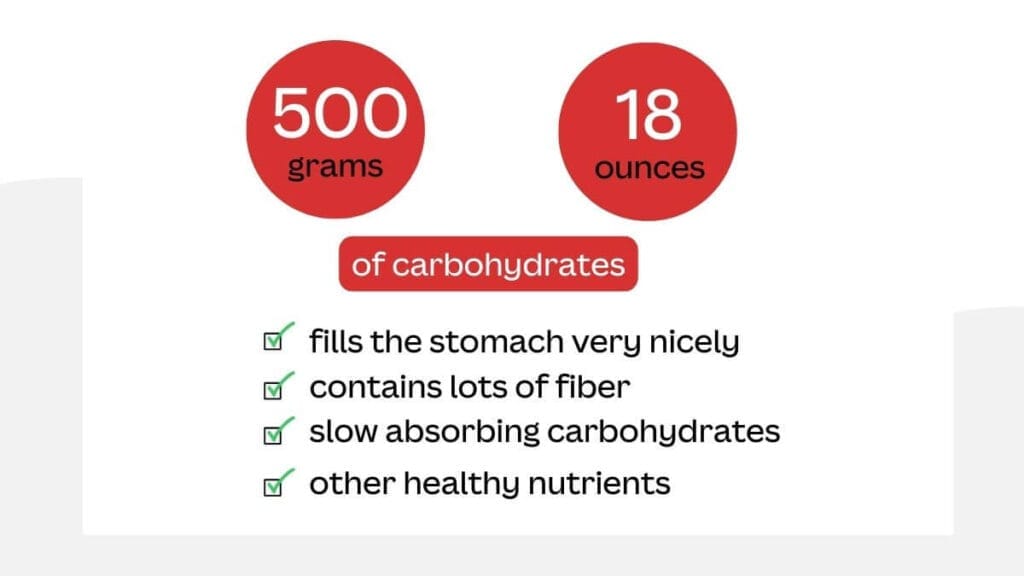
Carbohydrates do not automatically cause weight gain. Weight change depends on overall calorie intake, activity, sleep, stress, medical factors, medications, and consistency. Fiber-rich carb foods can help some people feel fuller and make balanced eating easier.
For weight management, the best carb approach is usually the one you can repeat: choose mostly whole-food carbs, keep portions realistic, include protein, and limit frequent sugary drinks or ultra-processed snacks. For more context, see this weight management article.
Frequently Asked Questions
What are carbohydrate foods, and why are they important?
Carbohydrate foods include grains, fruit, vegetables, legumes, milk, yogurt, and sweet foods. They can provide energy, fiber, vitamins, minerals, and variety in a balanced diet.
What types of carbohydrates are found in foods?
Carbohydrates include sugars, starches, and fiber. The CDC has a helpful overview of choosing carbohydrate foods, especially for people thinking about blood sugar.

Are all carbohydrate foods healthy?
No. Carbohydrate foods vary a lot. Oats, beans, fruit, vegetables, and whole grains usually bring more fiber and nutrients than sugary drinks, candy, pastries, and many ultra-processed snacks.
Can people with diabetes eat carbohydrates?
Yes, but the amount, timing, type, and medication context matter. People with diabetes should follow individualized guidance from their healthcare team. The American Diabetes Association has a useful overview on understanding carbs.

How can I read a nutrition label for carbohydrates?
Look at total carbohydrates, fiber, total sugars, and added sugars. A food with more fiber and less added sugar may keep you fuller longer than a low-fiber, high-sugar option.
What are examples of healthy carbohydrate foods?
Good examples include oats, brown rice, quinoa, potatoes, sweet potatoes, beans, lentils, berries, apples, oranges, carrots, squash, peas, and whole-grain bread.

50 Carb-Rich Foods to Compare
Carbohydrates come from many different foods. This list is not a prescription or a perfect ranking. Use it as a guide to build variety and choose foods that fit your needs, preferences, and health context.
- Sweet potatoes: starchy, filling, and rich in vitamin A.
- Brown rice: a whole-grain option with fiber and minerals.
- Oats: provide beta-glucan fiber and work well for breakfast.
- Quinoa: a gluten-free seed used like a grain, with some protein.
- Whole wheat bread: choose higher-fiber options when possible.
- Bananas: convenient fruit with potassium and quick energy.
- Apples: provide fiber, water, and natural sweetness.
- Lentils: provide carbs, fiber, and plant protein.
- Chickpeas: useful in salads, soups, curries, and hummus.
- Black beans: provide fiber, minerals, and plant protein.
- Potatoes: versatile starchy vegetables with potassium and vitamin C.
- Whole wheat pasta: higher-fiber pasta option.
- Couscous: quick-cooking grain food that pairs well with vegetables.
- Barley: fiber-rich grain useful in soups and bowls.
- Millet: mild grain that can fit sweet or savory meals.
- Grapes: easy fruit snack with natural sugars.
- Oranges: provide vitamin C, water, and carbohydrates.
- Pineapple: sweet fruit that can fit meals or snacks.
- Mangoes: fruit with natural sweetness and vitamin A.
- Berries: fiber-rich fruit options with color and flavor.
- Dates: dense source of carbohydrate and minerals; portions matter.
- Honey: added sugar source best used in small amounts.
- Carrots: provide fiber and beta-carotene.
- Beets: colorful root vegetable with carbohydrates and nitrates.
- Corn: starchy vegetable with fiber and antioxidants.
- Peas: provide carbs, fiber, and plant protein.
- Butternut squash: starchy vegetable with vitamin A.
- Pumpkin: useful in soups, curries, oatmeal, and baking.
- Whole grain cereal: compare fiber and added sugar on the label.
- Rye bread: can be a higher-fiber bread option.

- Kidney beans and navy beans: fiber-rich legumes.
- Spelt: ancient grain that contains gluten.
- Taro root: starchy root vegetable used in many cuisines.
- Plantains: starchy fruit often cooked like a vegetable.
- Air-popped popcorn: whole-grain snack when prepared simply.
- Rice cakes: light snack; pair with protein or fat for more fullness.
- Buckwheat: gluten-free seed often used like a grain.
- Farro: chewy grain with fiber; contains gluten.
- Green beans: lower-carb vegetable with fiber and nutrients.
- Parsnips: starchy root vegetable with fiber and vitamin C.
- Whole grain crackers: compare fiber and sodium on labels.
- Honeydew melon: hydrating fruit with natural sugars.
- Watermelon: hydrating fruit that can fit snacks and meals.
- Whole wheat pita: useful for wraps and balanced plates.
- Soba noodles: often made with buckwheat; check labels for wheat content.
- Bulgur wheat: quick-cooking grain useful in salads and bowls.
- Granola: can be useful, but check added sugar and portion size.
- Whole grain tortillas: helpful for wraps and tacos.
- Fig bars: convenient, but compare added sugar and fiber.
- Kidney beans: another fiber-rich bean option for soups and chili.
Carbs Are Not the Enemy
Carbs are not automatically good or bad. A bowl of oats, a sweet drink, a lentil soup, and a pastry all contain carbohydrates, but they affect fullness, nutrition, and blood sugar differently. The source and overall meal pattern matter.
Choose more nutrient-dense carb foods most of the time, enjoy treats without guilt when they fit your routine, and adjust portions based on your goals and health needs.
20 Meal Ideas With Balanced Carbs
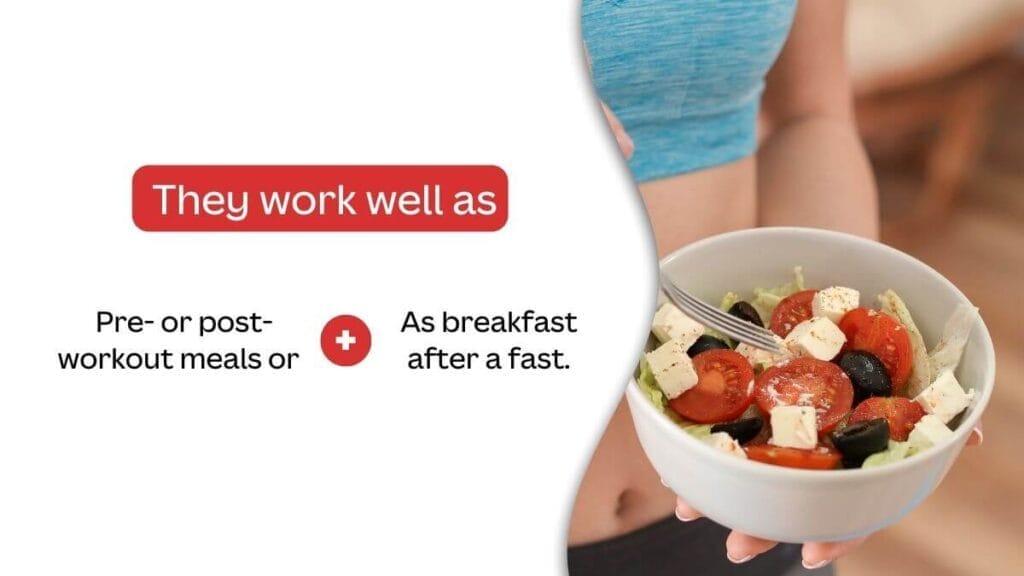
These meal ideas show how carbohydrate-rich foods can fit into balanced meals with protein, fiber, vegetables, and healthy fats.
- Sweet potato and quinoa bowl with kale, chickpeas, and tahini
- Lentil and barley soup with carrots and celery
- Whole grain pasta primavera with vegetables and olive oil
- Black bean and corn tacos with avocado and salsa
- Oatmeal with berries, Greek yogurt, and nuts
- Roasted root vegetables with olive oil and herbs
- Brown rice stir-fry with tofu, broccoli, and carrots
- Quinoa-stuffed bell peppers with beans and tomatoes
- Chickpea and spinach curry over brown rice
- Whole wheat veggie pizza with mushrooms and spinach
- Sweet potato and black bean chili
- Millet and veggie patties with yogurt dip
- Taro and lentil stew
- Baked plantain chips with olive oil and sea salt
- Farro salad with pomegranate and feta
- Buckwheat pancakes with fruit
- Whole wheat wrap with hummus and vegetables
- Barley risotto with mushrooms
- Pumpkin and lentil curry with quinoa or brown rice
- Granola yogurt parfait with fruit
For more meal inspiration, explore these recipes.

Conclusion
Carbohydrates can be part of a healthy, balanced diet. The key is choosing better sources most of the time, watching portions in a realistic way, and pairing carbs with protein, fiber, and healthy fats.
Instead of asking whether carbs are “good” or “bad,” ask better questions: What type of carb is this? Does it come with fiber or nutrients? How does it fit into the meal? How do I feel after eating it? Those questions lead to better choices without fear or confusion.
Want a starting point?
Take the free health assessment.
It is educational only and not medical advice.
Why Take the Health Assessment?
- Personalized Health Insights: Get a deep dive into your current health, covering heart health, immune strength, stress levels, and more.
- Discover Your Hidden Potential: Uncover health risks you may not even be aware of and learn how to tackle them effectively.
- Actionable Expert Advice: Receive simple, customized tips that fit your lifestyle—whether you want to build muscle, lose weight, or improve your well-being overall.
- Quick & Easy: It only takes a few minutes, but the impact could last a lifetime.
- Absolutely Free: No hidden fees, no catch. Just a commitment to your better health.
Take the Quiz, Unlock Your Potential
Curious about what your body needs? Don’t let uncertainty hold you back any longer. Thousands have already taken their first step towards better health; now it’s your turn. This isn’t just a questionnaire—it’s your gateway to a healthier, more vibrant life.
Start Your Free Health Assessment Now