High-Protein Foods Guide: Animal, Plant, Snacks, Protein Powder & Safety Tips
High-Protein Foods Guide: Animal, Plant, Snacks, Protein Powder & Safety Tips
Protein is an important macronutrient found in foods such as meat, fish, eggs, dairy, beans, lentils, tofu, nuts, seeds, and protein powders. It helps the body build and repair tissues, supports normal enzymes and hormones, and can make meals feel more satisfying.
This Nutrition Basics Course guide explains high-protein foods, animal and plant sources, practical meal ideas, protein powder tips, and safety notes. The goal is not to make protein complicated. The goal is to help you choose protein sources that fit your meals, preferences, budget, and health needs.
Nutrition note: This article is for general education only and is not medical advice. If you have kidney disease, liver disease, gout, diabetes, digestive conditions, food allergies, an eating-disorder history, are pregnant or breastfeeding, or follow a medically restricted diet, speak with a qualified healthcare professional or registered dietitian before making major protein changes or using protein supplements.
What Are the Best High-Protein Foods?
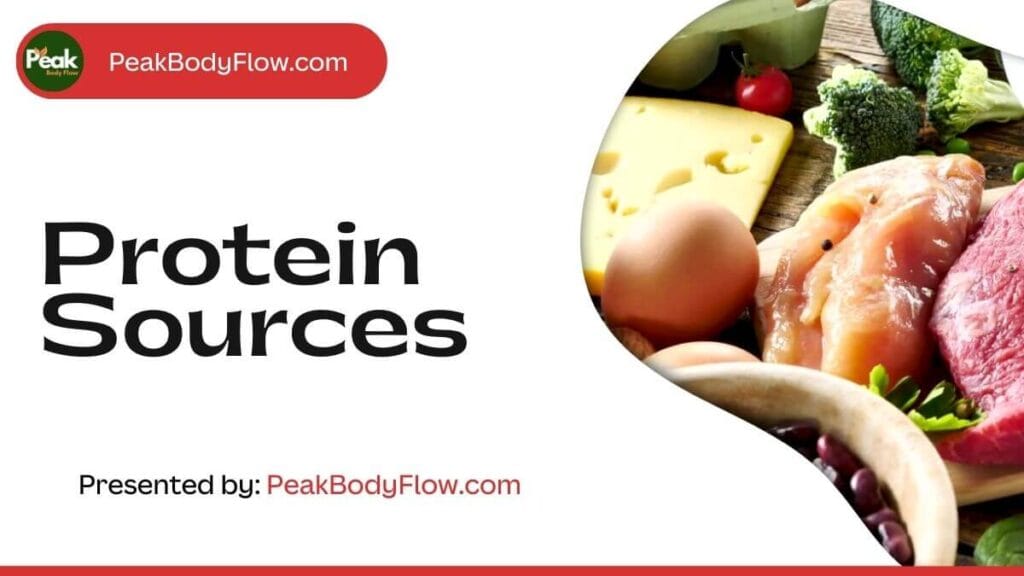
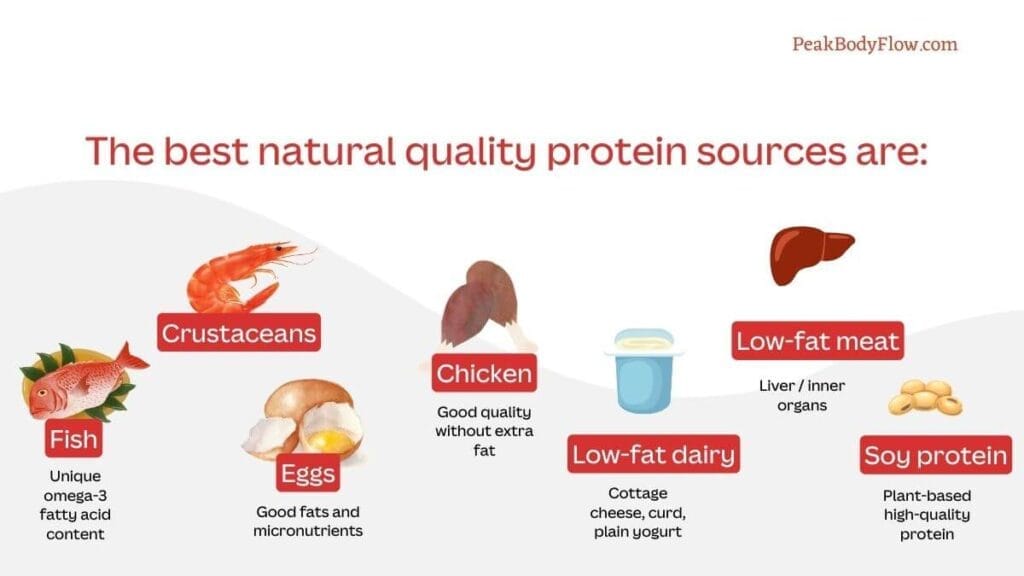
The best protein foods depend on your eating style. Some people prefer animal-based proteins such as eggs, chicken, fish, yogurt, cottage cheese, or lean meat. Others prefer plant-based options such as lentils, beans, tofu, tempeh, quinoa, nuts, seeds, and soy milk.
A helpful protein source usually gives you a good amount of protein along with nutrients you want more of, such as iron, calcium, omega-3 fats, fiber, or B vitamins. It should also fit your budget, digestion, ethics, culture, and health needs.
How Much Protein Do You Need?
Protein needs vary by body size, age, activity level, training goals, calorie intake, health status, and life stage. A common baseline recommendation for adults is around 0.8g of protein per kilogram of body weight per day. Active people, older adults, and people trying to build or maintain muscle may need more.
Higher protein is not automatically better for everyone. If you have kidney disease or another medical condition, personalized guidance matters. For most beginners, a simple first step is to include a protein source at meals and choose snacks that add protein when helpful.
Easy Ways to Add Protein to Meals
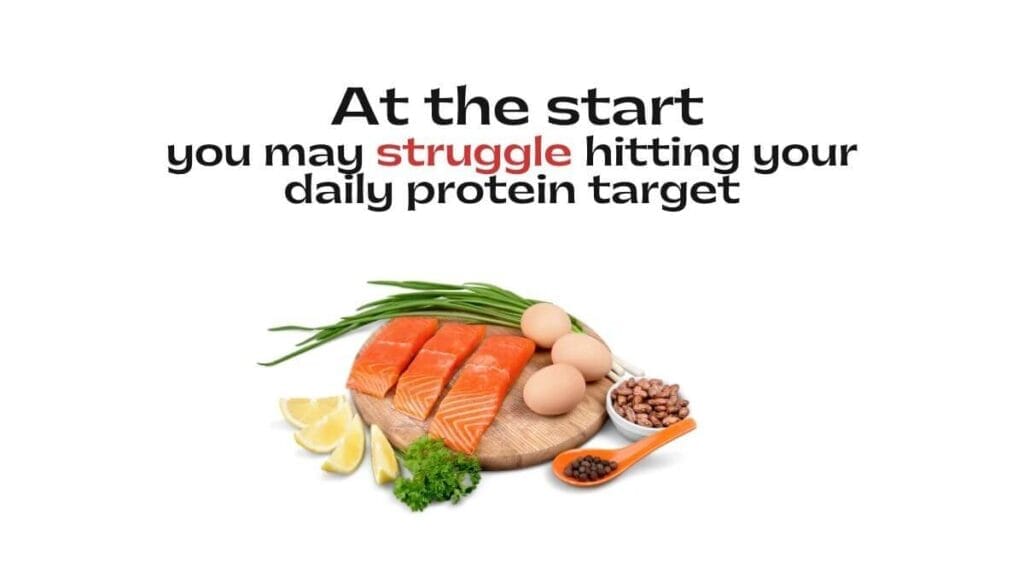
Adding more protein does not have to mean eating the same chicken and rice meal every day. Small changes can make meals more balanced and satisfying.
- Breakfast: eggs, Greek yogurt, cottage cheese, tofu scramble, protein oats, or a smoothie with protein.
- Lunch: grilled chicken, tuna, beans, lentils, tofu, tempeh, eggs, or chickpeas added to salads, wraps, and bowls.
- Dinner: fish, lean meat, turkey, lentils, beans, tofu, or quinoa paired with vegetables and a carb source.
- Snacks: Greek yogurt, cottage cheese with fruit, boiled eggs, roasted chickpeas, hummus with vegetables, or a protein shake when needed.
High-Protein Snack Ideas
Protein snacks can help when you go a long time between meals or want something more filling. Choose based on your appetite, schedule, and total daily intake.
- Greek yogurt with fruit
- Cottage cheese with pineapple or berries
- Hard-boiled eggs
- Hummus with vegetables
- Roasted chickpeas
- Edamame
- Nut butter on whole-grain toast
- Protein shake or protein bar when food is not practical

Animal-Based Protein Sources
Animal-based proteins often provide all essential amino acids in useful amounts. They can also provide nutrients such as vitamin B12, iron, zinc, calcium, iodine, and omega-3 fats depending on the food.
Lean meats, poultry, fish, eggs, yogurt, and cottage cheese can all fit into a balanced diet. Red meat can provide protein, iron, and B12, but many people choose to keep portions moderate and include more fish, poultry, eggs, dairy, and plant-based proteins across the week.
Plant-Based Protein Sources
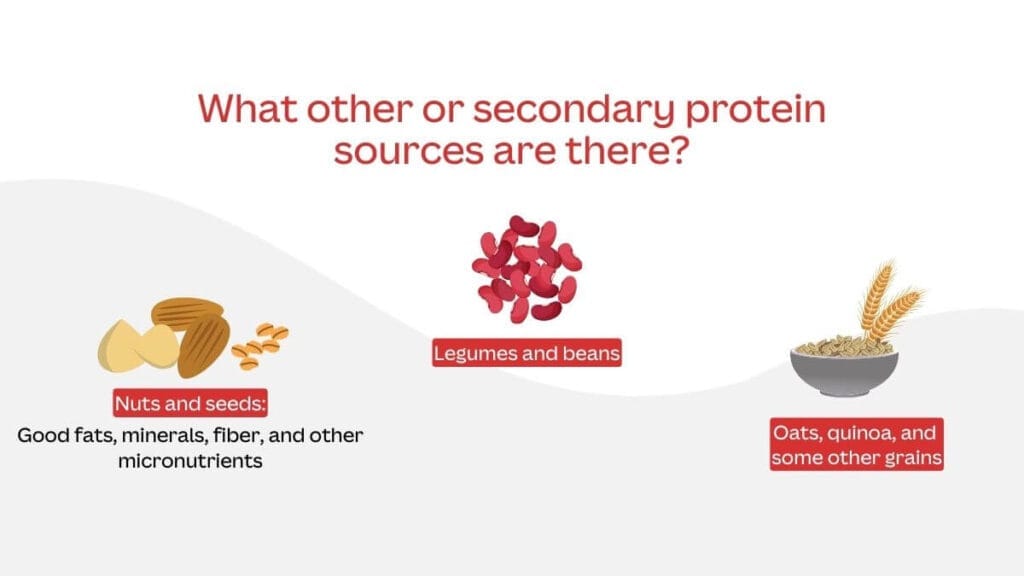
Plant proteins can contribute a lot to daily protein intake, especially when you include a variety of foods. Beans, lentils, chickpeas, tofu, tempeh, edamame, quinoa, nuts, seeds, soy milk, and seitan can all help.
Some plant proteins are lower in one or more essential amino acids, but you do not need to combine every protein perfectly at one meal. Eating a varied diet across the day usually helps cover amino acid needs.
Seeds, Chickpeas, and Soy Foods
Pumpkin seeds, chia seeds, hemp seeds, sunflower seeds, and nuts provide protein plus fats, minerals, and fiber. They are nutrient-dense, so portions matter if you are watching calories.
Chickpeas are useful because they work in hummus, salads, soups, stews, and roasted snacks. Soy foods such as tofu, tempeh, edamame, and soy milk are also helpful plant-based options because they provide complete protein.

Protein Powders: When They May Help
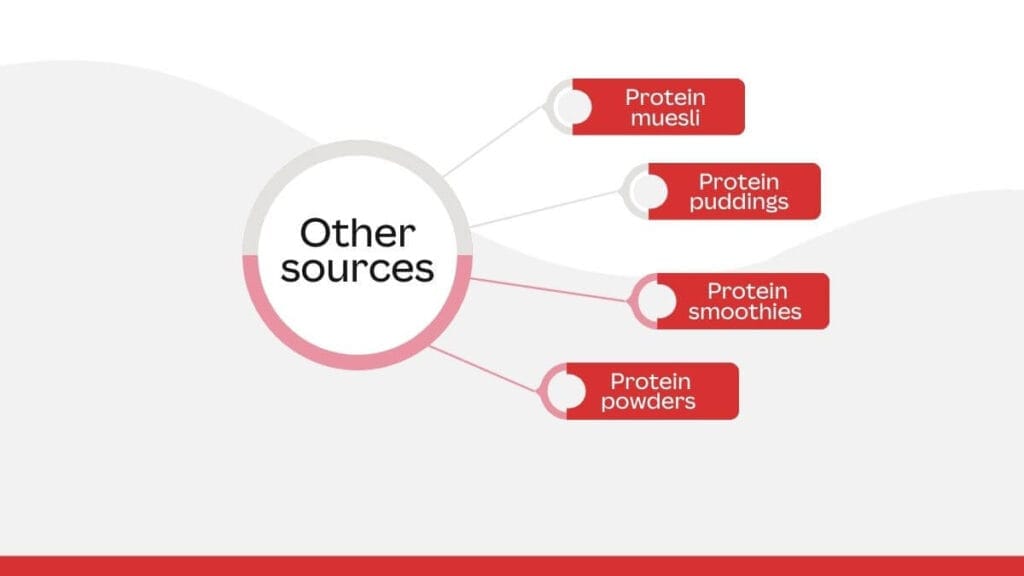
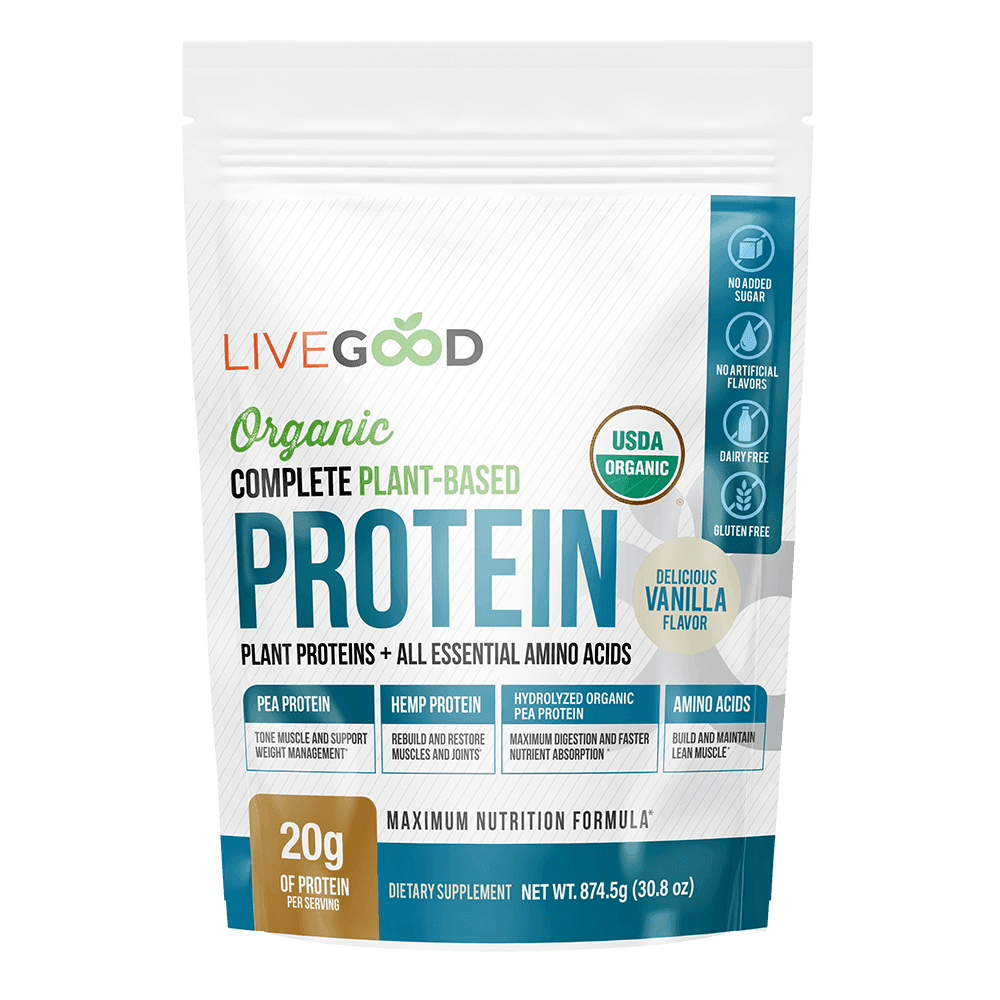
Protein powder is not required, but it can be convenient when it is hard to get enough protein from meals. Common options include whey, casein, soy, pea, rice, and blended plant proteins.
Whey protein is popular because it is rich in essential amino acids and mixes easily. Plant-based protein powders can be useful for people who avoid dairy or prefer vegan options. Always check the label for serving size, protein per serving, added sugar, sweeteners, allergens, and third-party testing where available.
Product options to compare:

When Should You Use Protein Powder?
Timing matters less than total daily protein for most people. A shake after training can be convenient, but you can also use protein powder at breakfast, in a smoothie, with oats, or as a snack when food is not practical.
Protein powder should supplement a diet, not replace balanced meals all the time. Whole foods bring fiber, fats, carbohydrates, vitamins, minerals, and texture that powders may not provide.

Protein FAQ
What examples of high-protein foods can I include?
Good examples include Greek yogurt, chicken breast, fish, eggs, cottage cheese, tofu, tempeh, lentils, quinoa, beans, and chickpeas. Choose a mix that fits your eating style.
How much protein should I eat daily?
A common baseline is around 0.8g per kilogram of body weight per day, but needs can be higher for active people, older adults, and people trying to build or maintain muscle. Individual needs vary, especially with medical conditions.
Is Greek yogurt a good protein source?
Yes. Greek yogurt can be a practical protein source and may also provide calcium and live cultures depending on the product. Check the label for protein, added sugar, and serving size.
Can I get enough protein from plant-based sources?
Yes, many people can meet protein needs with plant-based foods. Helpful options include beans, lentils, chickpeas, tofu, tempeh, edamame, quinoa, soy milk, seitan, nuts, and seeds.
How can I increase protein in meals?
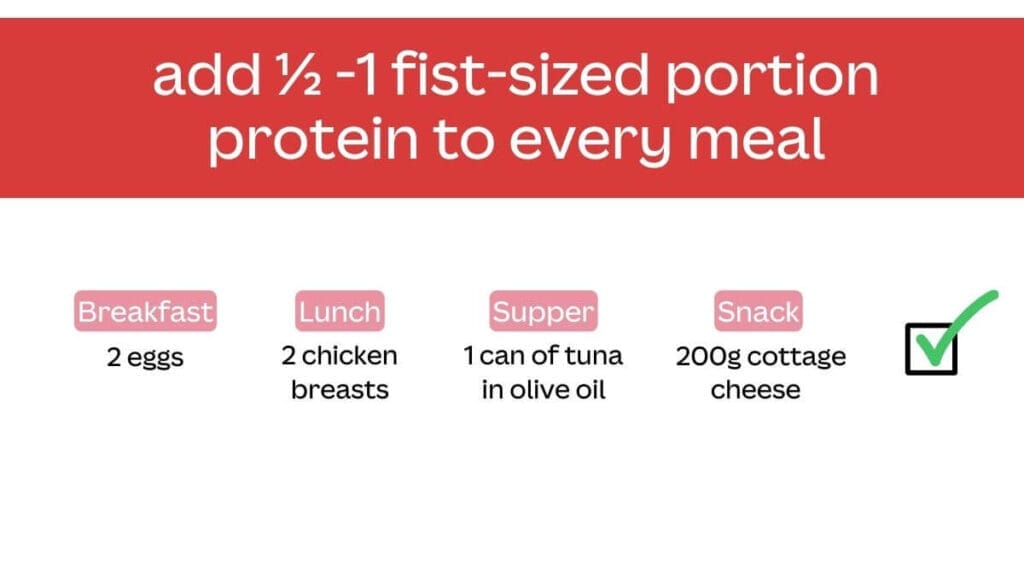
Add a protein source to meals you already eat. For example, add Greek yogurt to breakfast, beans to salads, eggs to toast, tofu to stir-fries, or fish/chicken/lentils to dinner bowls.
Are high-protein foods good for weight management?
Protein can help meals feel more satisfying for some people, which may support weight-management routines. Weight change still depends on overall calorie intake, activity, sleep, stress, medical factors, medications, and consistency. See this related weight management article for broader context.
How can I tell if a food is high in protein?
Check the nutrition label for protein per serving. Also look at calories, saturated fat, added sugar, sodium, fiber, and serving size so you understand the full food, not only the protein number.
Understanding Protein Quality
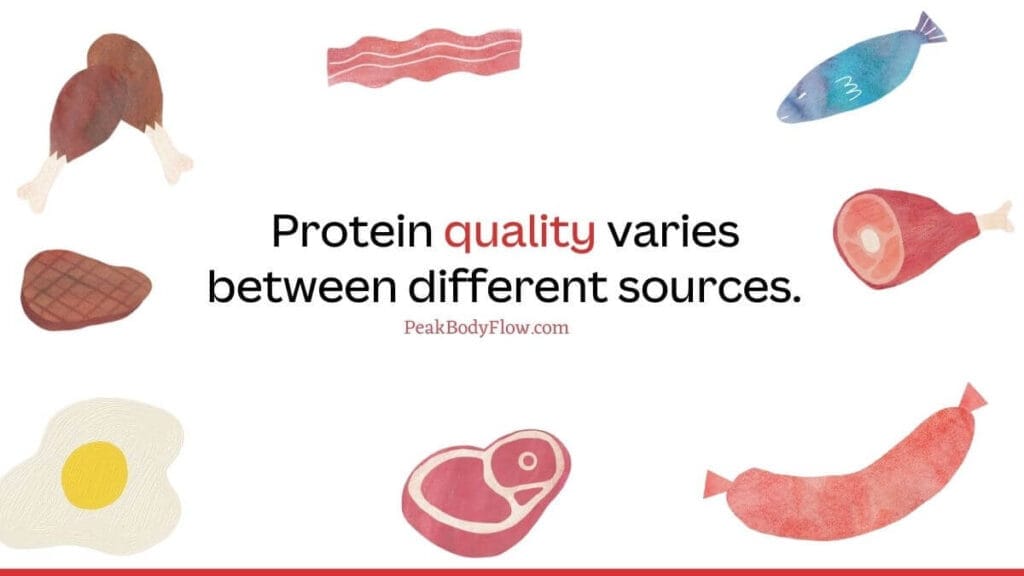
Protein quality is influenced by amino acid profile, digestibility, and how the food fits into your total diet. Animal foods and soy foods usually provide complete protein. Many plant foods provide useful protein too, especially when you eat a variety across the day.
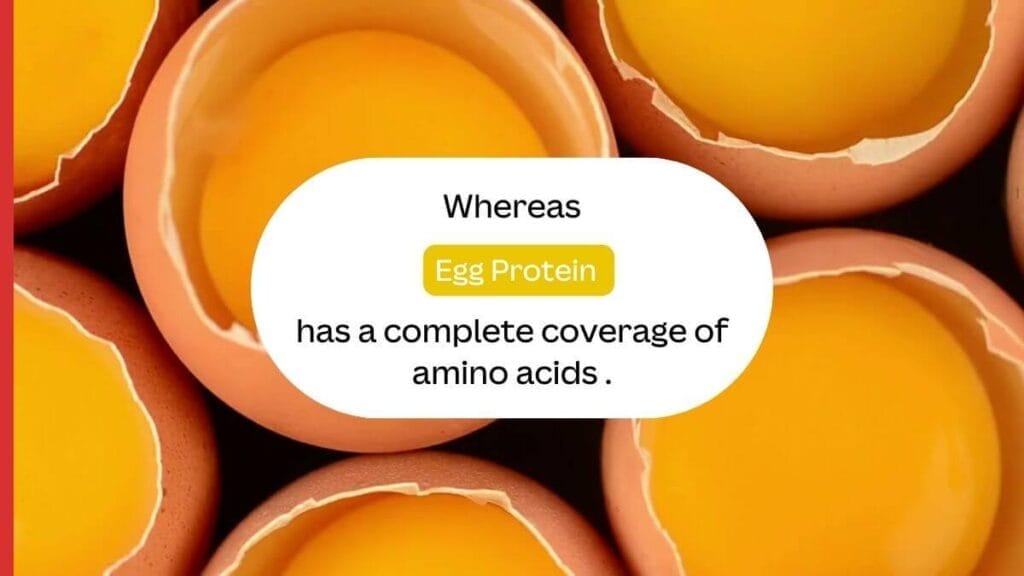
For example, eggs provide all essential amino acids. Beans and rice together can complement each other across a meal pattern. The key is variety, not perfection.
Practical Tips for Increasing Protein
- Plan one protein source per meal. This could be eggs, yogurt, tofu, chicken, fish, lentils, beans, or cottage cheese.
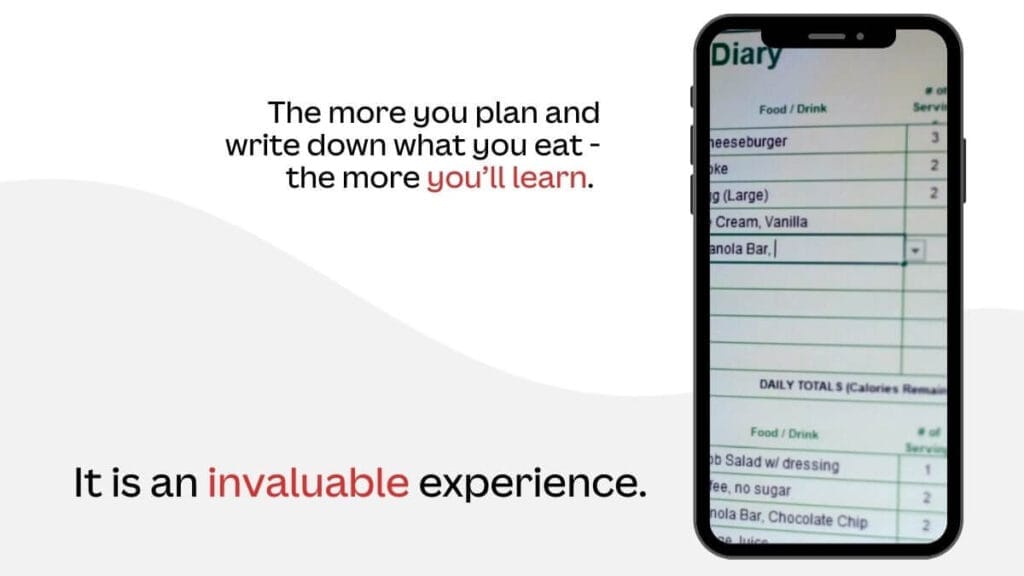
- Use simple tracking if helpful. Apps can help you learn where protein is coming from, but you do not need to track forever.
- Upgrade familiar meals. Add Greek yogurt to smoothies, beans to salads, tofu to stir-fries, or cottage cheese to snacks.
- Use protein supplements only when useful. Powders and bars can help with convenience, but whole foods should still be the foundation.
- Keep the full plate balanced. Include vegetables, fruit, whole grains, healthy fats, and fluids too.
Protein Safety Tips
Protein is important, but more is not always better. Large changes can be uncomfortable for digestion, and some people need medical guidance before increasing protein.
- Increase protein gradually if your current intake is low.
- Drink enough fluids and include fiber-rich foods.
- Be careful with high-sodium processed meats and frequent fried protein foods.
- Check supplement labels for allergens, added sugar, and serving size.
- Ask a healthcare professional first if you have kidney disease, liver disease, gout, or other medical concerns.

Top 40 High-Protein Foods to Compare
Use this list as a comparison guide, not a strict ranking. Protein amounts vary by serving size, cooking method, brand, and recipe.
Animal-based protein foods
- Chicken breast: lean, versatile protein source.
- Turkey breast: lean option for meals and sandwiches.
- Eggs: complete protein with choline and fat-soluble nutrients.
- Greek yogurt: protein plus calcium; compare added sugar.
- Cottage cheese: high-protein dairy option for snacks or meals.
- Swiss cheese: protein and calcium; portions matter because fat and sodium can add up.
- Milk: protein, calcium, and carbohydrates depending on type.
- Lean beef: protein, iron, zinc, and B12; keep portions balanced.
- Pork loin: leaner pork option compared with fattier cuts.
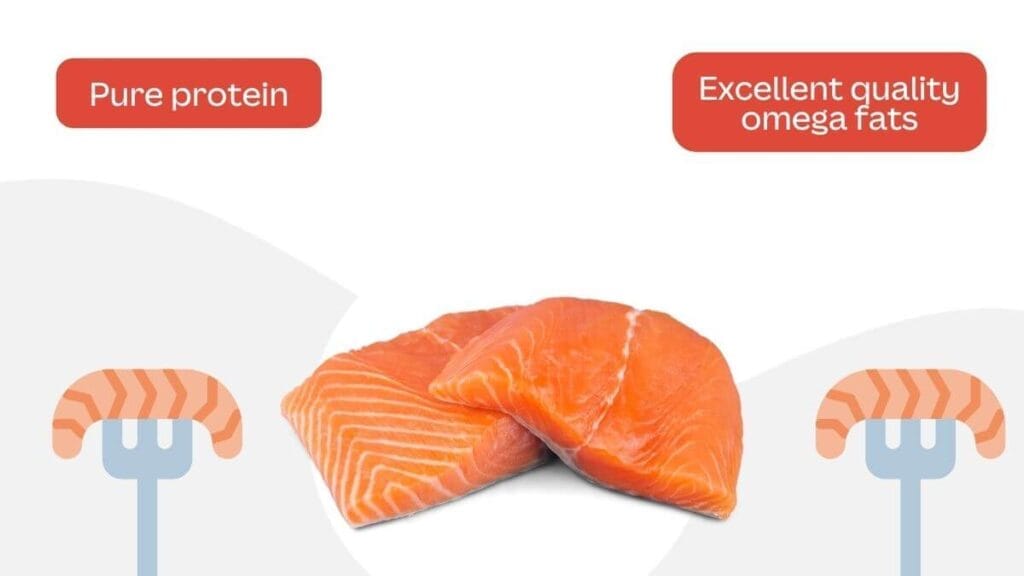
- Salmon: protein plus omega-3 fats.
- Tuna: protein-rich fish; vary seafood choices and consider mercury guidance.
- Halibut: lean fish with protein and minerals.
- Cod: lean white fish that works in many meals.
- Sardines: protein plus omega-3 fats and calcium when bones are included.
- Shrimp: lean protein; consider sodium depending on preparation.
- Venison: lean red meat option.
- Bison: leaner red meat option for some meals.
- Duck: protein-rich poultry; fat content varies by cut and skin.
- Lamb: protein plus iron, zinc, and B12; keep portions moderate.
- Whey protein: convenient complete protein powder when food is not practical.
Plant-based protein foods
- Lentils: protein, fiber, and minerals.
- Chickpeas: protein and fiber for salads, soups, and hummus.
- Black beans: protein, fiber, and slow-digesting carbs.
- Quinoa: seed used like a grain with complete protein.
- Tofu: soy-based complete protein.
- Tempeh: fermented soy food with a firm texture.
- Edamame: young soybeans with protein and fiber.
- Seitan: high-protein gluten food; avoid with gluten sensitivity or celiac disease.
- Almonds: protein, fat, fiber, and minerals; portions matter.
- Peanuts: protein and fats; peanut allergy caution.
- Chia seeds: protein, fiber, and plant omega-3 fats.
- Hemp seeds: protein and unsaturated fats.
- Pumpkin seeds: protein, magnesium, and zinc.
- Sunflower seeds: protein and unsaturated fats.
- Peas: protein and fiber; used in many plant protein powders.
- Spirulina: algae-based protein source; choose reputable brands.
- Nutritional yeast: savory vegan protein source; often fortified with B vitamins.
- Brown rice: provides some protein and works well with legumes.
- Oatmeal: modest protein plus soluble fiber.
- Soy milk: dairy-free option with protein when fortified.
Conclusion
High-protein foods can help you build more balanced meals, feel more satisfied, and support normal body functions. The best approach is to choose a variety of protein sources, balance them with vegetables, fruits, whole grains, healthy fats, and fluids, and adjust based on your body and health needs.
Protein powders and bars can be useful tools, but they are not required for everyone. Start with food first, compare labels when using supplements, and get professional guidance if you have medical concerns.
Recommended products

Want a starting point?
Take the free health assessment.
It is educational only and not medical advice.
Why Take the Health Assessment?
- Personalized Health Insights: Get a deep dive into your current health, covering heart health, immune strength, stress levels, and more.
- Discover Your Hidden Potential: Uncover health risks you may not even be aware of and learn how to tackle them effectively.
- Actionable Expert Advice: Receive simple, customized tips that fit your lifestyle—whether you want to build muscle, lose weight, or improve your well-being overall.
- Quick & Easy: It only takes a few minutes, but the impact could last a lifetime.
- Absolutely Free: No hidden fees, no catch. Just a commitment to your better health.
Take the Quiz, Unlock Your Potential
Curious about what your body needs? Don’t let uncertainty hold you back any longer. Thousands have already taken their first step towards better health; now it’s your turn. This isn’t just a questionnaire—it’s your gateway to a healthier, more vibrant life.
Start Your Free Health Assessment Now