

LiveGood Plant-Based Protein Review: Price, Ingredients & Is It Worth It?
$39.95
LiveGood Plant-Based Protein buyer guide covering 20g plant protein per serving, ingredients, label details, taste and use ideas, price/value tips, safety notes, and who it may be worth buying for.
Description
LiveGood Plant-Based Protein
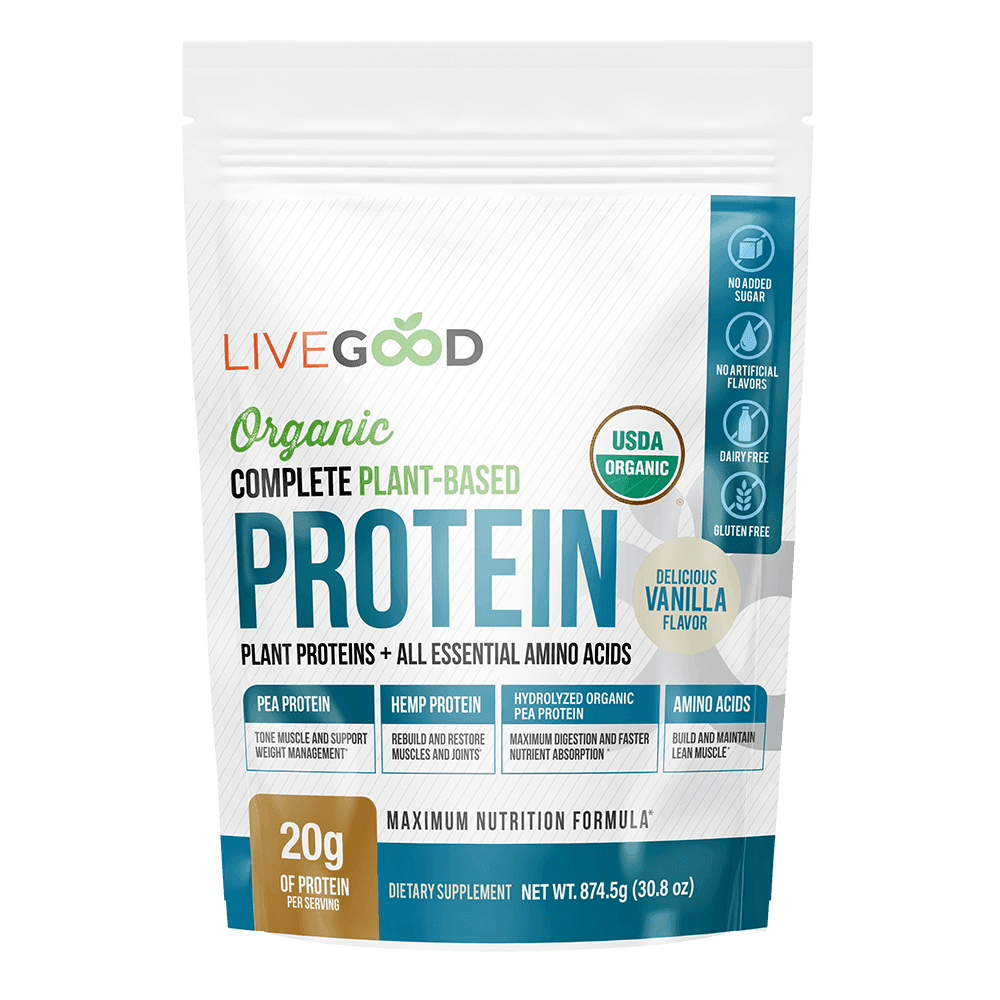
LiveGood Plant-Based Protein is a dairy-free protein powder for adults, with 20g plant-based protein per serving plus added vitamins and minerals. It may fit smoothies, shakes, oats, breakfast bowls, and post-workout routines, but it is not intended to diagnose, treat, cure, or prevent any disease.
Product Currency: USD
Product Price: 39.95
Product In-Stock: InStock
5
Pros
- 20g plant-based protein per serving
- Dairy-free and vegan-friendly protein powder
- Can be used in smoothies, shakes, oats, and simple recipes
- Includes added vitamins and minerals
- Useful to compare by price, servings, protein grams, flavor, ingredients, and cost per serving
Cons
- People with kidney disease, liver disease, food allergies, digestive conditions, or medically restricted diets should ask a qualified healthcare professional first
- Added vitamins and minerals may overlap with multivitamins, greens powders, or fortified foods
- May not fit people who prefer whey protein or an unflavored protein-only powder
- Taste and texture can vary by personal preference
LiveGood Plant-Based Protein Review
A Simple Look at Ingredients, Protein, Price, Safety, and Who It May Fit
LiveGood Plant-Based Protein is a dairy-free protein powder for adults who want a simple plant-based shake for smoothies, breakfast, post-workout use, or adding more protein to their daily routine.
Each serving is listed as providing 20g of plant-based protein, along with vitamins and minerals. It may be a good fit if you want a vegan-friendly protein powder that avoids dairy, gluten, added sugar, and artificial flavors.
This product should not be used to treat weight problems, muscle loss, kidney disease, liver disease, digestive disease, nutrient deficiency, recovery problems, or any medical condition. It is best viewed as a convenient protein add-on, not a medical nutrition product.
Check Current LiveGood Plant-Based Protein Price
⚡ Quick Answer: LiveGood Plant-Based Protein is a dairy-free protein powder with 20g plant protein per serving. It may fit smoothies, shakes, oats, or post-workout routines, but it is not a medical food and is not FDA-approved to treat, diagnose, cure, or prevent disease.
Quick Buying Summary
Product: LiveGood Plant-Based Protein
Format: Plant-based protein powder
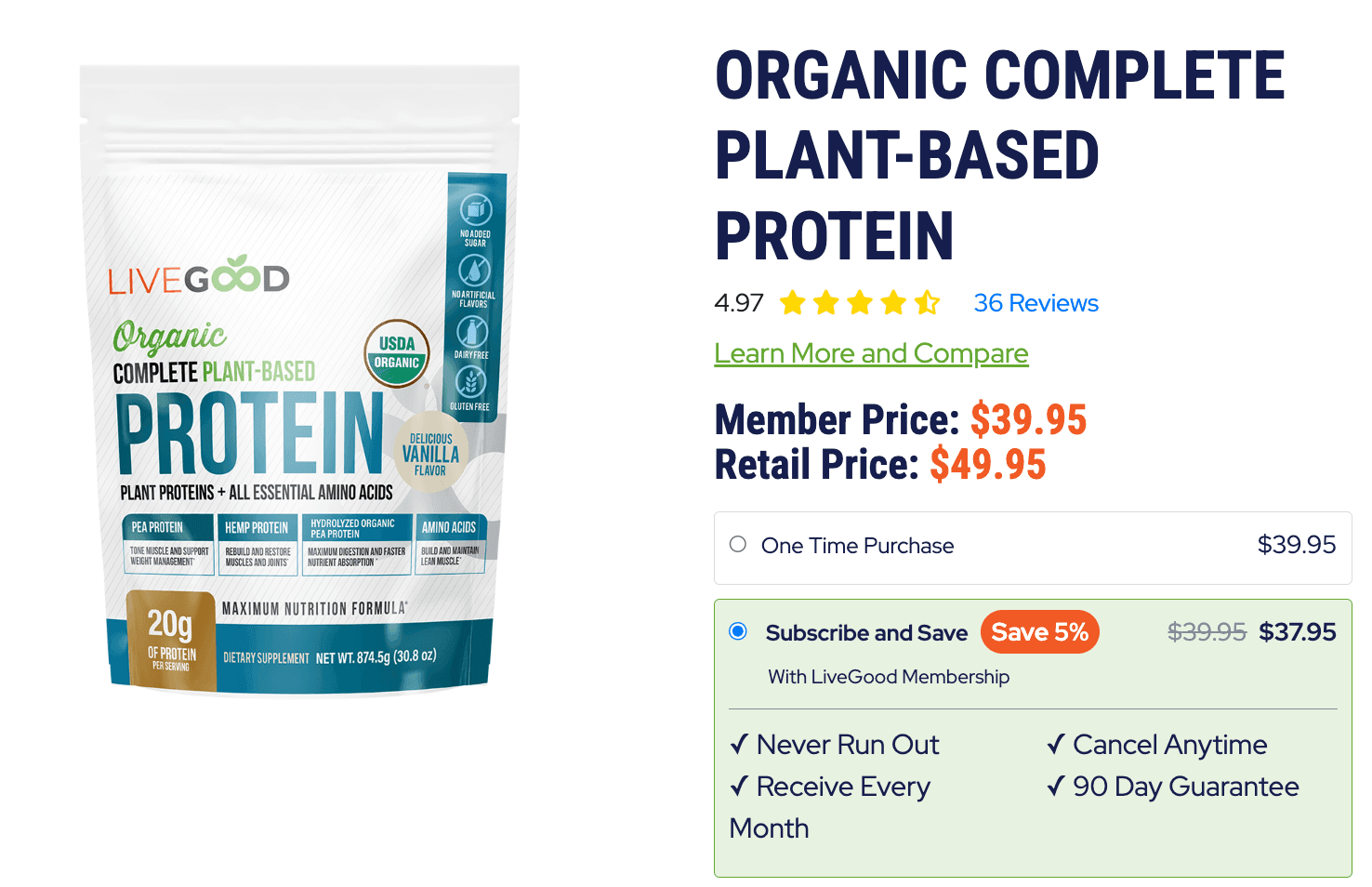
Protein per serving: Listed as 20g plant-based protein
Best fit: Adults who want a dairy-free, vegan-friendly protein powder
Member price signal: $39.95
Common uses: Smoothies, shakes, oats, breakfast bowls, and post-workout routines
Check first if: You have kidney disease, liver disease, food allergies, digestive conditions, a medically restricted diet, are pregnant or nursing, take medication, or need medical nutrition guidance.
📌 Key Facts at a Glance
- Product category: Adult dietary supplement / protein powder, not a drug or disease-treatment product.
- FDA context: Dietary supplements are not FDA-approved to diagnose, treat, cure, or prevent disease.
- Protein amount: Product information lists 20g plant-based protein per serving.
- Diet fit: Positioned as dairy-free, gluten-free, vegan-friendly, no added sugar, and no artificial flavors. Always confirm on the current label.
- Protein context: Protein is an essential macronutrient, but protein powders should not replace balanced meals or medically prescribed nutrition plans.
- Value signal: Compare the $39.95 price, servings per container, cost per serving, protein grams per serving, flavor, shipping, and membership terms.
- Quality signal: Check the label for ingredients, allergen notes, vitamin/mineral amounts, lot number, expiration date, third-party testing, and Certificate of Analysis information when available.
Safety note: Ask a qualified healthcare professional before changing protein intake if you have kidney disease, liver disease, digestive conditions, food allergies, a medically restricted diet, are pregnant or nursing, take medication, or have personal health questions.
Who This Protein Powder May Be For
LiveGood Plant-Based Protein may be worth buying if you want a convenient way to add protein without using whey or dairy-based powders. It can fit into smoothies, breakfast bowls, shakes, or simple recipes.
May be a good fit if
- You want a dairy-free protein powder.
- You follow a vegan or mostly plant-based routine.
- You want protein for smoothies, oats, quick shakes, or post-workout use.
- You compare products by protein per serving and cost per serving.
- You want a product with added vitamins and minerals.
Check first if
- You prefer whey protein or a dairy-based shake.
- You have allergies or sensitivities to any listed ingredient.
- You want an unflavored protein-only powder.
- You need a medical nutrition plan from a professional.
- You already take many supplements and want to avoid vitamin or mineral overlap.
Main Label Highlights
Always check the current product label before ordering, because formulas and labels can change. Based on the product information, key highlights include:
- 20g plant-based protein per serving
- Plant protein sources such as pea and hemp protein
- Dairy-free and gluten-free positioning
- Vegan-friendly positioning
- No added sugar or artificial flavors listed in the product positioning
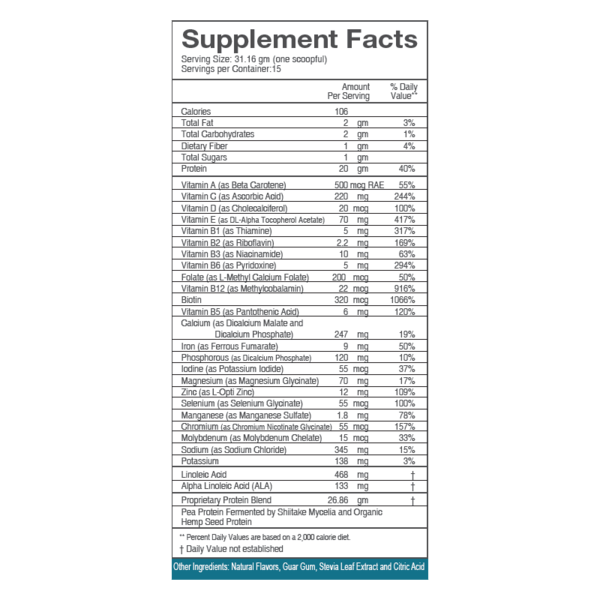
- Vitamins and minerals included
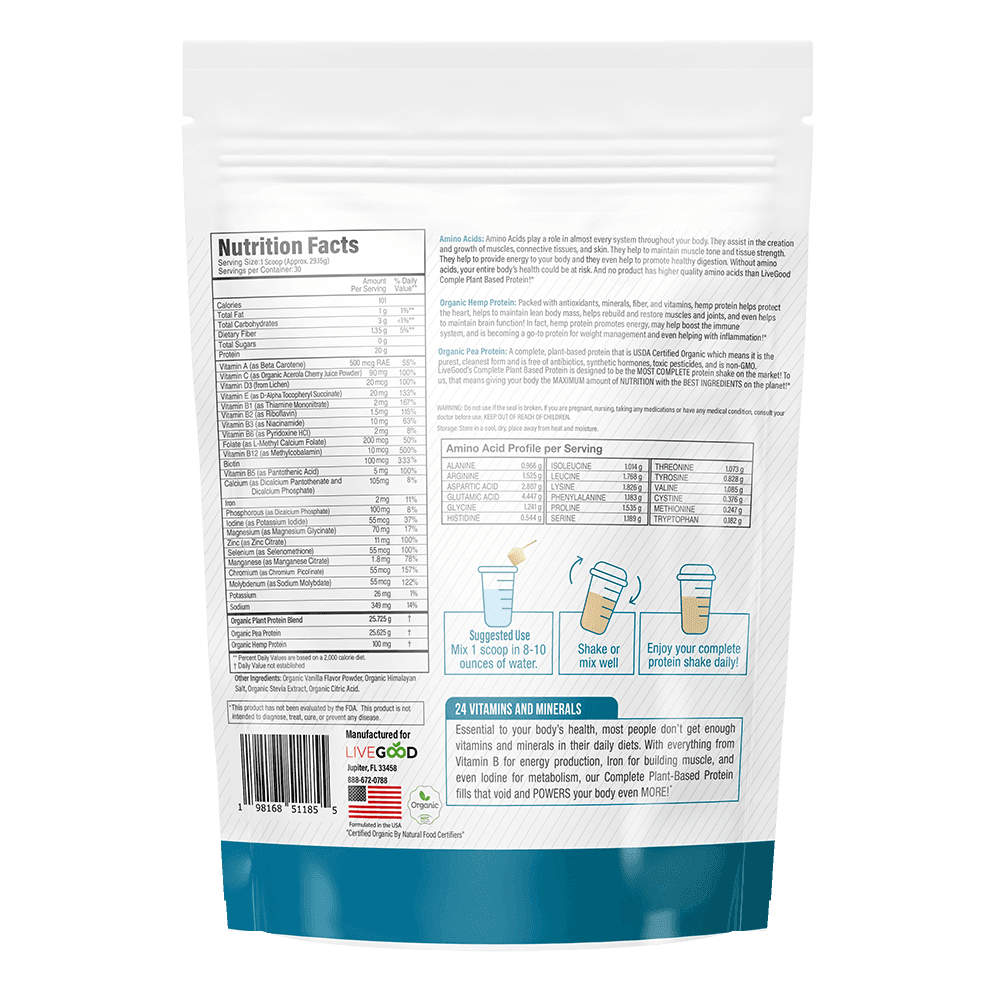
- Flavor, sweetener, allergen, and serving-size details on the label
Ingredients and What They Mean
The main reason people choose this product is the plant-based protein blend. A blend can be useful because different plant proteins bring different nutrition profiles and textures.
Pea Protein
A common plant protein source used in many vegan protein powders. It is useful for people avoiding dairy-based protein.
Hemp Protein
A plant protein source that may also provide fiber and plant fats depending on the formula. Check the current label for the full ingredient list.
Fermented Pea Protein
Used by some brands to support a smoother daily-use formula. Tolerance can still vary by person.
Vitamins and Minerals
May be useful if you want a protein powder with extra micronutrients. Check overlap if you also take a multivitamin, greens powder, or fortified foods.
Flavor System
Check the label to make sure the taste, sweeteners, and other ingredients fit your preferences and allergies.
How It Compares to Typical Protein Powders
When comparing protein powders, do not look only at the tub price. Check protein per serving, servings per container, cost per serving, ingredient list, allergens, taste, and whether you will actually enjoy using it.
Plant protein vs whey protein
Plant-based protein may be a better fit for people avoiding dairy or animal-based powders. Whey may be a better fit for people who tolerate dairy and prefer that protein type.
Plant protein vs collagen
Plant protein powders are used to add dietary protein. Collagen is different and should not be treated as a complete protein replacement.
Protein powder vs whole foods
Protein powder is convenient, but it should not replace a diet that includes protein-rich foods, fiber, fruits, vegetables, healthy fats, and enough calories for your goals.
How to Use LiveGood Plant-Based Protein
Use the serving directions on the current label. Most people use protein powder by mixing it with water, milk, or dairy-free milk, or by adding it to foods they already enjoy.
- Blend it into a smoothie with fruit and liquid.
- Mix it into oatmeal after cooking.
- Shake it with water or dairy-free milk for a quick protein drink.
- Add it to pancakes, protein balls, or simple recipes if the flavor works.
Protein powder is best used as a protein add-on, not as the only part of a meal. For a more balanced shake, consider adding fiber, healthy fats, and whole-food ingredients such as berries, oats, nut butter, chia, or greens.
Price and Value: What to Check Before Ordering
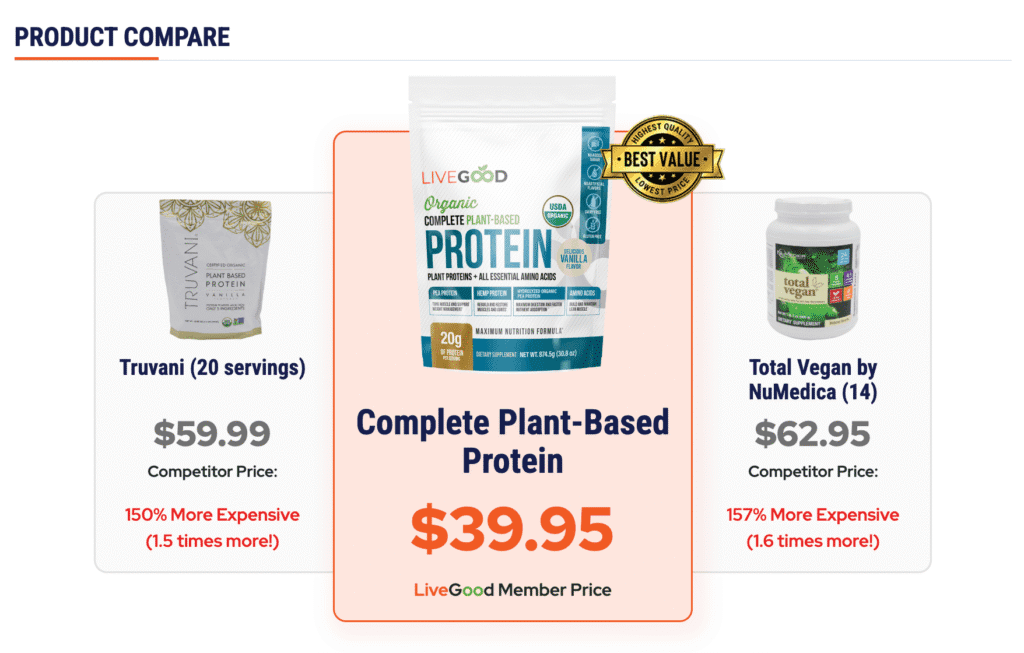
LiveGood Plant-Based Protein is worth comparing by current price, servings per container, protein per serving, flavor, ingredients, shipping, and whether member pricing makes sense for your order habits.
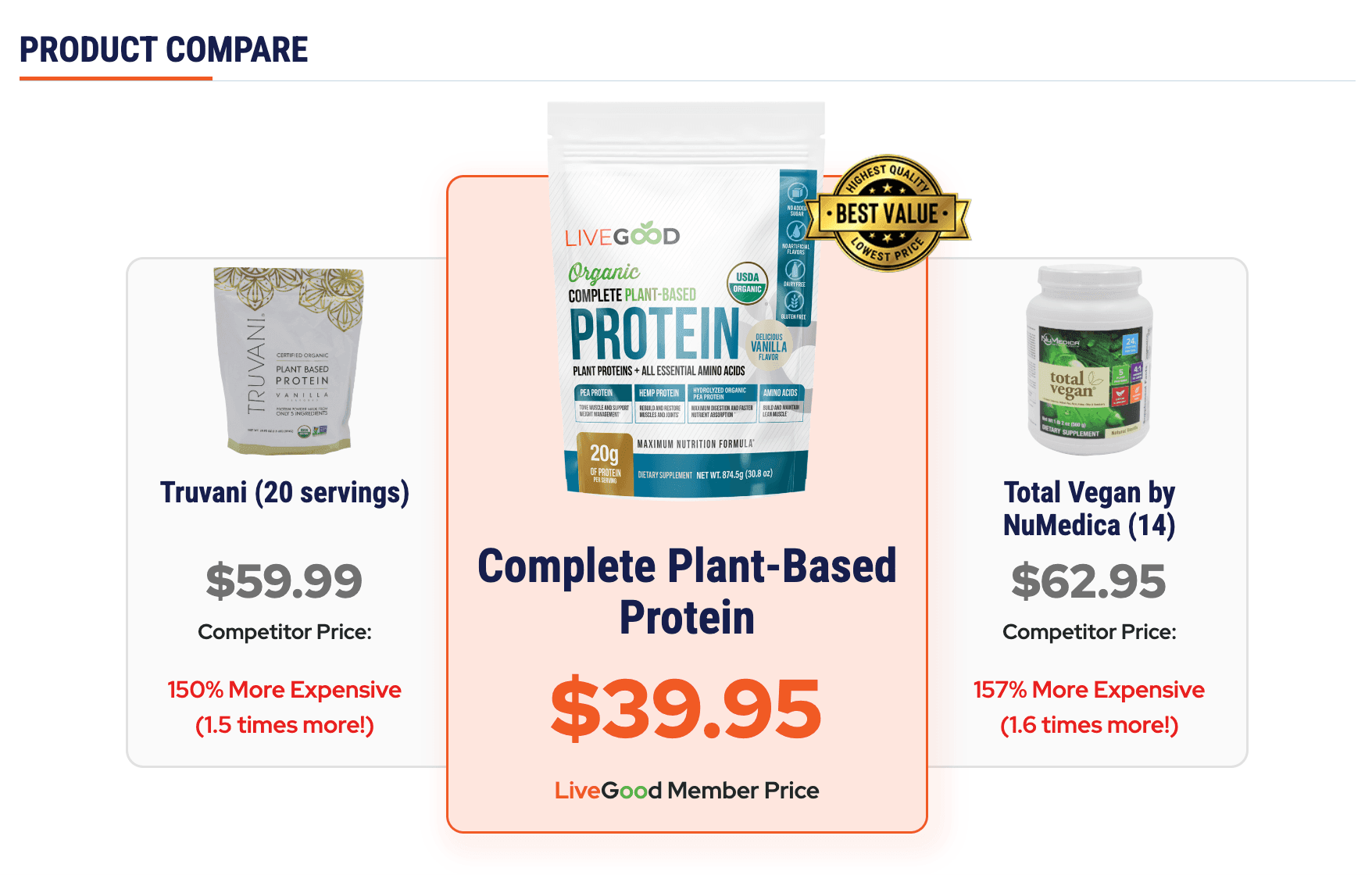
At the listed $39.95 price signal, the best comparison is cost per serving and protein grams per dollar, not just tub price. Also compare whether you want added vitamins and minerals or a protein-only powder.
Check Current Price and Availability
Pros and Things to Check
Pros
- Plant-based protein option
- Listed as 20g protein per serving
- Dairy-free and vegan-friendly positioning
- Can be used in shakes, smoothies, oats, and recipes
- Includes vitamins and minerals
Things to check
- Current price and shipping
- Flavor and texture preference
- Ingredient allergies or sensitivities
- Whether you want added vitamins and minerals
- Whether member pricing makes sense for your order habits
What the Research Shows
Protein supports normal body structure and function
Protein is needed for normal growth, maintenance, and repair of body tissues. A protein powder can help people add protein conveniently, but it should not replace balanced meals or medical nutrition guidance.
Plant protein can fit many eating patterns
Plant-based protein powders can be useful for people who avoid dairy or animal-derived protein. The practical buying question is whether the taste, texture, serving size, protein amount, and ingredient list fit your routine.
Protein needs vary by person
Protein needs depend on body size, age, activity, diet pattern, health status, and goals. People with kidney disease, liver disease, medical nutrition needs, or restricted diets should not change protein intake without professional guidance.
Added vitamins and minerals need overlap checks
This protein powder includes added vitamins and minerals. That can be useful for some buyers, but it also means you should compare overlap with multivitamins, greens powders, fortified drinks, and other supplements.
Expert Consensus / What Authorities Say
FDA: Dietary supplements are regulated differently from drugs and are not FDA-approved to diagnose, treat, cure, or prevent disease.
National Academies: Protein is an essential macronutrient with established dietary intake guidance, but individual needs vary by age, body size, activity, and health status.
MedlinePlus: Protein is important in the diet, and people should get protein from balanced food choices. Protein powders can be convenient, but they should not replace a balanced diet.
NCCIH: Supplements can have side effects and may interact with medications or health conditions, so people should use them wisely and discuss use with qualified professionals when needed.
Safety Notes
Protein powders are not right for everyone. Speak with a qualified healthcare professional before using this or any protein supplement if you have kidney disease, liver disease, food allergies, digestive conditions, are pregnant or nursing, take medication, or have personal health concerns.
If a product causes ongoing stomach discomfort, itching, swelling, rash, breathing symptoms, or any unusual reaction, stop using it and seek appropriate medical guidance.
FAQ: LiveGood Plant-Based Protein
Is LiveGood Plant-Based Protein dairy-free?
Yes, it is positioned as a dairy-free plant-based protein powder. Always check the current label for allergen details before buying.
How much protein is in each serving?
The product is listed as providing 20g of plant-based protein per serving. Check the current label for serving size and full nutrition details.
Can I use it as a meal replacement?
On its own, it is best viewed as a protein shake, not a complete meal replacement. To make a more balanced shake, add whole-food ingredients such as fruit, oats, chia, nut butter, or greens.
Is it safe for kidney disease?
People with kidney disease should ask a qualified healthcare professional before increasing protein intake or using protein powders.
Is it worth buying?
It may be worth buying if you want a dairy-free protein powder with 20g protein per serving and added vitamins and minerals. It may not be the best fit if you prefer whey protein, want an unflavored protein-only powder, or do not want added micronutrients.
Final Buying Recommendation
LiveGood Plant-Based Protein is worth comparing if you want a simple dairy-free protein powder for smoothies, shakes, oats, or daily protein support. The strongest buying points are the plant-based formula, listed 20g protein per serving, and added vitamins and minerals.
Before ordering, check the current price, serving count, flavor, ingredients, allergens, shipping, and whether retail or member pricing makes the most sense for you.
Order LiveGood Plant-Based Protein
Sources & References
- MedlinePlus — Protein in Diet
- National Academies — Dietary Reference Intakes for Protein and Amino Acids
- FDA — Questions and Answers on Dietary Supplements
- FDA — Dietary Supplement Labeling Guide: Claims
- NCCIH — Using Dietary Supplements Wisely
- National Kidney Foundation — Protein and Kidney Disease
Affiliate disclosure: This page may contain affiliate links. If you purchase through my links, I may earn a commission at no extra cost to you.
Important disclaimer: This product page is for educational and shopping information only. LiveGood Plant-Based Protein is not FDA-approved to diagnose, treat, cure, or prevent any disease. Speak with a qualified healthcare professional before changing your protein intake if you have kidney disease, liver disease, food allergies, digestive conditions, are pregnant or nursing, take medication, or have personal health questions.
Michael –
Since using this supplement, I’ve seen improvements in energy and digestion due to the high-quality amino acids. The plant-based nature of this product makes it perfect for anyone aiming to make eco-friendly and healthy choices.
I wholeheartedly recommend LiveGood’s Plant-Based Protein for anyone in search of an exceptional, nutrient-rich protein supplement. Try it out and experience the remarkable difference yourself