Dietary Fats Guide: Saturated, Unsaturated, Omega-3s, Food Sources & Balance Tips
Dietary Fats Guide: Saturated, Unsaturated, Omega-3s, Food Sources & Balance Tips
Fat is one of the most misunderstood macronutrients. Some people avoid it completely, while others hear that “healthy fats” should be added to everything. The truth is more balanced: dietary fat is important, but the type, amount, food source, and your overall eating pattern all matter.
This guide explains the main types of fat, where they come from, how much to think about, and how to build meals with more confidence. It is part of the Nutrition Basics Course and is designed for education, not medical advice.
Nutrition note: This article is for general education only and is not medical advice. If you have heart disease, high cholesterol, diabetes, kidney disease, liver disease, gallbladder issues, pancreatitis history, food allergies, an eating-disorder history, or a medically restricted diet, speak with a qualified healthcare professional or registered dietitian before making major diet changes.
Why Dietary Fat Matters
Fat provides energy, helps the body absorb fat-soluble vitamins, supports cell membranes, and plays a role in hormone production and normal body function. It also makes meals more satisfying, which can help some people feel more comfortable between meals.
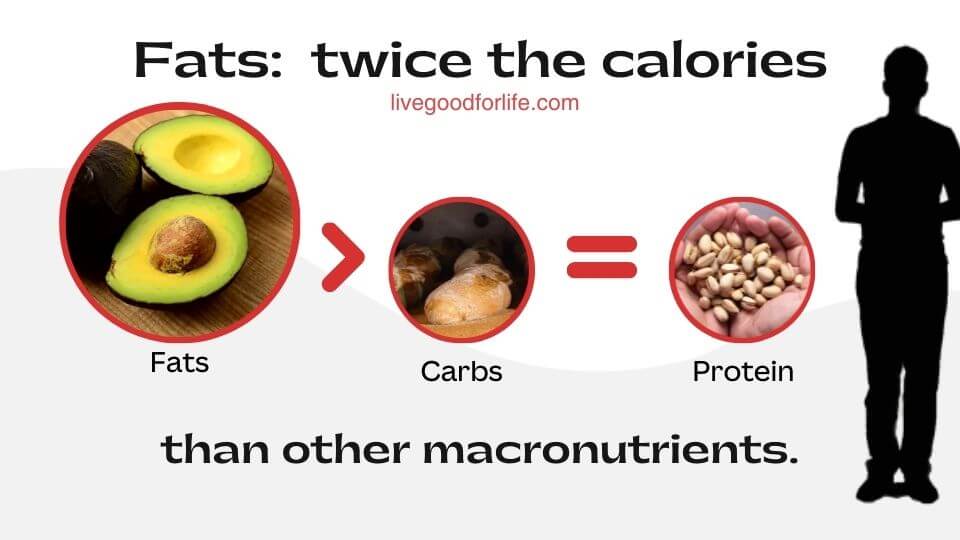
At the same time, fat is energy-dense. It provides 9 calories per gram, compared with 4 calories per gram for protein and carbohydrates. That does not make fat “bad.” It simply means portions can add up quickly, especially from oils, butter, nuts, cheese, sauces, and fried foods.
Understanding the Different Types of Fats
Dietary fats are usually grouped into saturated fats, unsaturated fats, and trans or highly processed fats. These categories are helpful, but real foods often contain a mixture of different fats.
1. Saturated Fats
Saturated fats are typically solid at room temperature and are commonly found in animal products and some tropical oils. They are not all the same, and the overall food pattern matters, but most nutrition guidelines still recommend keeping saturated fat moderate and replacing some of it with unsaturated fats when possible.
Common sources of saturated fats
- Butter
- Bacon fat
- Coconut oil
- Red meat
- Cheese
- Cream and full-fat dairy foods
A practical approach is not to fear these foods, but to balance them. For many people, that means choosing leaner proteins more often, using olive oil or avocado oil for some meals, and keeping fried or heavily processed foods as occasional choices rather than daily staples.

2. Unsaturated Fats
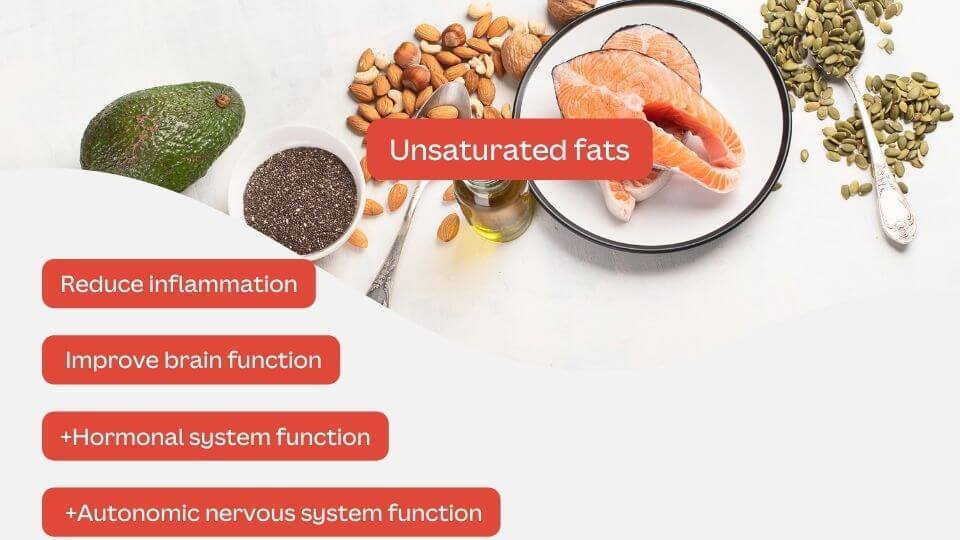
Unsaturated fats are usually liquid at room temperature and are found in many plant foods and seafood. These fats are often recommended as the main fat sources in balanced eating patterns.
Two common types of unsaturated fats
- Monounsaturated fats: found in olive oil, avocados, olives, nuts, and some seeds.
- Polyunsaturated fats: include omega-3 and omega-6 fats, found in foods such as fatty fish, walnuts, chia seeds, flaxseeds, and many vegetable oils.
Omega-3 fats are often discussed because they are part of normal cell function and are found in fish and some plant foods. If you are comparing an omega-3 product, see this related guide: Factor4 omega-3 information.
Good sources of unsaturated fats
- Extra virgin olive oil
- Avocados and olives
- Nuts and seeds such as almonds, walnuts, chia seeds, and flaxseeds
- Fatty fish such as salmon, mackerel, sardines, trout, and herring
- Eggs as part of a balanced meal pattern
3. Trans Fats and Highly Processed Fat Sources
Trans fats from partially hydrogenated oils are the type most nutrition guidelines recommend avoiding. Many countries have reduced or banned partially hydrogenated oils in foods, but it is still helpful to read labels and limit heavily processed fried foods and packaged snacks.
Foods that can contain less helpful fat sources
- Deep-fried foods
- Some packaged pastries, cookies, and snack foods
- Processed meats
- Older-style margarines or products made with partially hydrogenated oils
- Fast foods eaten frequently
An occasional treat does not ruin a diet. The bigger pattern matters. A helpful goal is to make most fat sources come from whole or minimally processed foods, while keeping fried and highly processed choices more occasional.
How Much Fat Should You Eat?
Fat needs vary by person, activity level, health goals, culture, appetite, and overall calorie needs. A common general range used in nutrition education is about 20–35% of daily calories from fat, but your personal needs may be different.
Here is a simple example to understand the math, not a rule everyone must follow.
Example calculation
- Start with a daily calorie example: 2,000 calories.
- Estimate protein and carbohydrate calories:
- Carbohydrates: 200g × 4 calories = 800 calories
- Protein: 150g × 4 calories = 600 calories
- Subtract from total calories:
- 2,000 – 800 – 600 = 600 calories left for fat
- Convert calories to grams of fat:
- 600 ÷ 9 = about 67g of fat per day
This kind of calculation can help with awareness, but you do not need to track perfectly to improve your diet. Most people can start by choosing better fat sources and watching portions of oils, nuts, cheese, butter, and fried foods.
Why Unsaturated Fats Are Often Recommended
Many heart-health and balanced eating patterns encourage replacing some saturated fat with unsaturated fat. This does not require a perfect diet. It can be as simple as using olive oil instead of butter sometimes, adding walnuts to yogurt, or choosing fish instead of processed meat a few times per week.
- Heart-health support: unsaturated fat sources are commonly included in heart-healthy eating patterns.
- Meal satisfaction: fat can help meals feel more satisfying when balanced with protein, fiber, and carbohydrates.
- Fat-soluble vitamins: dietary fat helps with absorption of vitamins A, D, E, and K.
- Food variety: nuts, seeds, olive oil, avocado, fish, and eggs can make balanced meals easier to enjoy.
For long-term health, fat quality is only one piece. Fiber, protein, fruit, vegetables, sleep, movement, stress, smoking status, alcohol intake, and medical history all matter too.
Best Food Sources of Healthy Fats
Instead of asking whether fat is good or bad, ask where the fat is coming from and how often you eat it. The foods below can fit well in a balanced eating pattern.
1. Extra virgin olive oil
- Rich in monounsaturated fats
- Works well for salads, vegetables, and many cooked meals
- Easy swap for some butter or creamy dressings
2. Avocados and olives
- Provide monounsaturated fats
- Can add fiber, texture, and flavor to meals
- Useful in salads, sandwiches, bowls, and dips
3. Seeds and nuts
- Provide unsaturated fats, minerals, fiber, and some protein
- Good options include walnuts, almonds, chia seeds, flaxseeds, pumpkin seeds, and sunflower seeds
- Portions matter because calories can add up quickly
4. Cold-water fish
- Provides EPA and DHA omega-3 fats
- Good options include salmon, sardines, mackerel, herring, trout, and anchovies
- If you do not eat fish, you may compare food and supplement options carefully, including this fish oil guide
5. Eggs
- Provide fat, protein, and choline
- Can fit into many balanced diets
- People with cholesterol concerns should follow professional guidance
6. Dark chocolate
- Can provide fat and cocoa compounds
- Choose higher-cocoa options if you enjoy it
- Keep portions moderate because sugar and calories can add up
7. Coconut and coconut oil
- High in saturated fat
- Can be used for flavor in some recipes
- Best treated as a moderate-use food, not a cure-all or required fat source
8. Full-fat dairy in moderation
- Provides fat, protein, calcium, and fat-soluble vitamins depending on the food
- Can fit for some people when portions are balanced
- Choose based on tolerance, preference, calories, and health context
9. Nut butters
- Convenient source of fat and some protein
- Look for options without hydrogenated oils if possible
- Useful on toast, fruit, yogurt, smoothies, or oatmeal
10. Meats and poultry in balance
- Can provide protein and some fat
- Lean cuts may fit better for people watching saturated fat
- Balance with fish, beans, lentils, eggs, tofu, nuts, seeds, and vegetables
Instead of Avoiding Fats, Choose Better Sources
A practical goal is to include fat in meals without letting it crowd out protein, fiber-rich carbohydrates, fruit, and vegetables. Choose mostly whole-food fat sources, use oils with awareness, and keep heavily processed or fried foods occasional.
Small swaps can help: olive oil instead of butter sometimes, salmon instead of processed meat sometimes, walnuts instead of chips sometimes, or avocado instead of a creamy sauce. These changes are simple, realistic, and easier to maintain.
Frequently Asked Questions
Is fat bad for you?
No. Fat is an important macronutrient. The goal is to choose better sources, keep portions realistic, and limit trans fats and frequent fried or highly processed foods.
Can eating fat help with weight management?
Fat can help meals feel more satisfying for some people, especially when combined with protein and fiber. Weight change still depends on overall calorie intake, activity, sleep, health status, and consistency. For a broader guide, see this weight management article.
What are the best sources of omega-3 fats?
Cold-water fish such as salmon, sardines, mackerel, trout, and herring provide EPA and DHA omega-3 fats. Plant foods such as chia seeds, flaxseeds, and walnuts provide ALA, another omega-3 fat.
How much fat should I eat daily?
A common general range is 20–35% of daily calories from fat, but personal needs vary. People with medical conditions or specific goals may need individualized guidance.
Are saturated fats always bad?
Saturated fats are not something you need to fear, but most people do best keeping them moderate and getting more fat from unsaturated sources such as olive oil, nuts, seeds, avocado, and fish. If you have cholesterol or heart-health concerns, follow professional guidance.
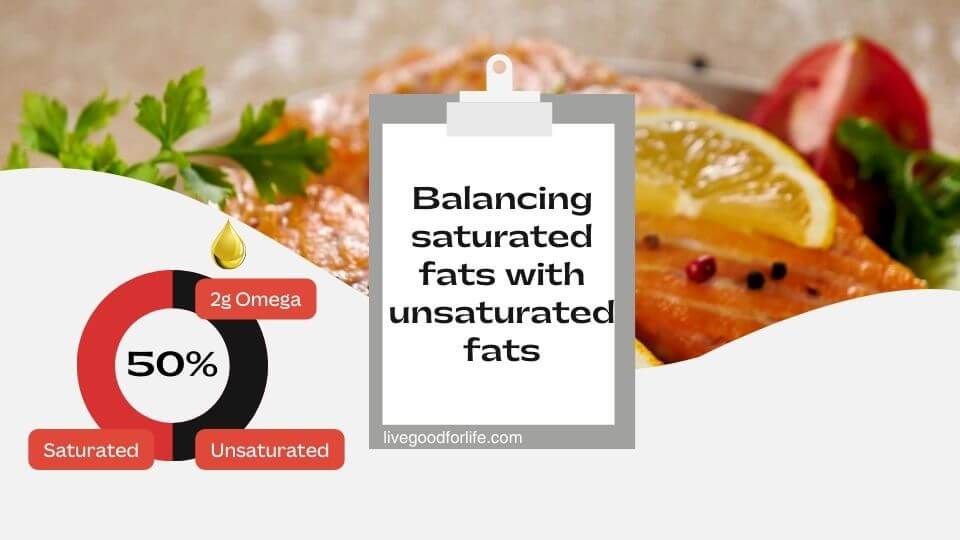
Final Thoughts: Quality, Portions, and Balance
Fat is an important part of nutrition. Rather than fearing fat or adding large amounts because it is “healthy,” focus on quality, portions, and balance. Choose more unsaturated fats, include omega-3-rich foods when possible, and keep trans fats and heavily processed foods limited.
Ready to keep building your nutrition basics? Join the free nutrition challenge and learn simple ways to improve your meals step by step.
👉 Join our FREE Nutrition Challenge today. Learn how to build balanced meals, improve your food choices, and create a routine that feels realistic. Click here to get started.
Recommended products

Want a starting point?
Take the free health assessment.
It is educational only and not medical advice.
Why Take the Health Assessment?
- Personalized Health Insights: Get a deep dive into your current health, covering heart health, immune strength, stress levels, and more.
- Discover Your Hidden Potential: Uncover health risks you may not even be aware of and learn how to tackle them effectively.
- Actionable Expert Advice: Receive simple, customized tips that fit your lifestyle—whether you want to build muscle, lose weight, or improve your well-being overall.
- Quick & Easy: It only takes a few minutes, but the impact could last a lifetime.
- Absolutely Free: No hidden fees, no catch. Just a commitment to your better health.
Take the Quiz, Unlock Your Potential
Curious about what your body needs? Don’t let uncertainty hold you back any longer. Thousands have already taken their first step towards better health; now it’s your turn. This isn’t just a questionnaire—it’s your gateway to a healthier, more vibrant life.
Start Your Free Health Assessment Now