LiveGood Ultra Magnesium Complex Guide: Benefits, Uses, Safety & Price
LiveGood Ultra Magnesium Complex: The Simple Version
LiveGood Ultra Magnesium Complex is a magnesium supplement that includes multiple forms of magnesium. It is designed for people who want to add magnesium to a daily wellness routine and compare a multi-form magnesium product with other options.
The simple takeaway: magnesium contributes to normal muscle function, normal nervous system function, electrolyte balance, normal energy metabolism, and the maintenance of normal bones and teeth. It should not be used to treat sleep problems, stress, anxiety, cramps, blood pressure, heart disease, constipation, digestive disease, brain fog, mood concerns, immune disorders, fatigue, aging concerns, or any medical condition.
Affiliate disclosure: This page may contain affiliate links. If you purchase through my links, I may earn a commission at no extra cost to you.
Important disclaimer: This article is for educational purposes only and is not medical advice. Dietary supplements are not intended to diagnose, treat, cure, or prevent any disease.

What Is LiveGood Ultra Magnesium Complex?
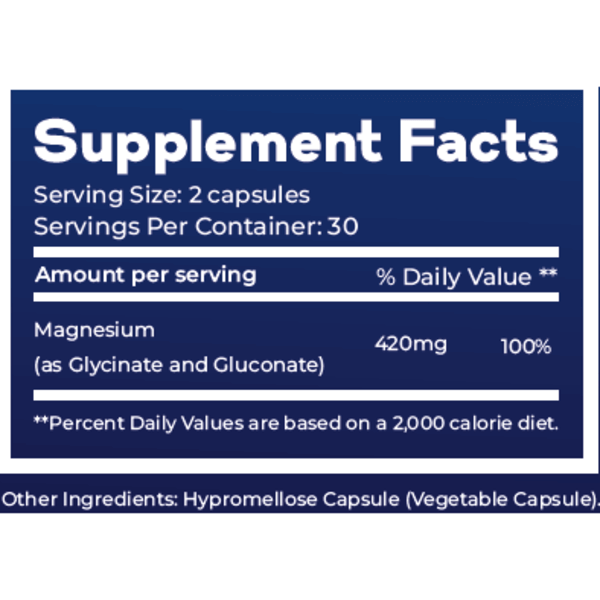
LiveGood Ultra Magnesium Complex is a capsule supplement made with several forms of magnesium. Older versions of this page listed magnesium oxide, magnesium citrate, and magnesium glycinate. Always check the current Supplement Facts label before ordering because formulas and serving sizes can change.
Magnesium is an essential mineral involved in many normal body processes. A supplement may be useful for people who want a convenient way to add magnesium, but it should be chosen based on your diet, current supplements, medication use, and personal health history.
What Magnesium May Help Support
A safer way to discuss magnesium is to focus on normal body functions rather than disease or symptom promises.
| Support area | Simple explanation | What to remember |
|---|---|---|
| Muscle function | Magnesium contributes to normal muscle function | Do not present it as a cramp treatment |
| Nervous system | Magnesium contributes to normal nervous system function | Do not present it as anxiety, stress, or mood treatment |
| Electrolyte balance | Magnesium contributes to electrolyte balance | Compare labels if you use electrolyte products |
| Energy metabolism | Magnesium contributes to normal energy metabolism | Do not present it as a fatigue treatment |
| Bones and teeth | Magnesium contributes to the maintenance of normal bones and teeth | Bone health depends on many nutrients and lifestyle factors |
Who It May Be For
| May be a good fit if | Be careful if |
|---|---|
| You want to compare a multi-form magnesium supplement | You have kidney concerns |
| Your diet is low in magnesium-rich foods | You take prescription medication |
| You want a capsule instead of powder | You already take magnesium, a multivitamin, or electrolyte products |
| You want support for normal muscle and nervous system function | You are pregnant, nursing, or buying for a teenager |
How to Use It
Follow the serving directions on the current product label. Older versions of this page mentioned taking two capsules daily, but the label should always be the final reference.
Magnesium can interact with certain medications and may affect absorption when taken too close to some medicines or minerals. If you take medication, ask a qualified healthcare professional or pharmacist how to space magnesium from your medication routine.
Safety Notes
Check with a qualified healthcare professional before using magnesium if you have kidney concerns, take medication, are pregnant or nursing, have a medical condition, follow a restricted diet, or are buying for a child or teenager.
Some people may notice digestive discomfort from magnesium, especially at higher intakes or with certain forms. More is not always better, so compare the Supplement Facts label with your other products.
What to Check Before Buying
| Check first | Why it matters |
|---|---|
| Magnesium amount per serving | Helps compare total daily intake |
| Forms of magnesium | Different forms may feel different for digestion and tolerance |
| Serving size | Important for cost and daily routine planning |
| Other supplements you use | You may already get magnesium from a multivitamin, electrolyte, or sleep product |
| Medication timing | Magnesium may need to be spaced from some medications |
| Kidney health | Kidney concerns need professional guidance with magnesium |
For more label help, see the LiveGood Ultra Magnesium Review, the Label Red Flags Guide, and the Third-Party Lab Testing Guide.
Magnesium-Rich Foods to Compare
Supplements are only one option. Magnesium is also found in foods such as pumpkin seeds, almonds, cashews, spinach, black beans, edamame, whole grains, and dark chocolate. Food sources also bring fiber and other nutrients.
| Food source | Why people like it |
|---|---|
| Pumpkin seeds | Easy to add to bowls, oats, or snacks |
| Almonds and cashews | Simple snack options with minerals and healthy fats |
| Spinach | Easy to add to smoothies, omelets, or meals |
| Black beans | Useful for fiber and plant-based meals |
| Whole grains | Fit well into balanced meals |
Price and Value
Older versions of this page used price graphics and affiliate buttons. Prices, member pricing, retail pricing, and subscription options can change, so check the live product page before ordering.
When comparing value, look at the magnesium amount per serving, number of servings, form of magnesium, label transparency, shipping, membership requirements, and whether it overlaps with products you already use.
Common Questions About Ultra Magnesium
What is magnesium used for?
Magnesium is an essential mineral. It contributes to normal muscle function, normal nervous system function, electrolyte balance, normal energy metabolism, and the maintenance of normal bones and teeth.
Can magnesium help with sleep, stress, anxiety, or cramps?
Do not use magnesium supplements to treat sleep problems, stress, anxiety, cramps, or symptoms. Speak with a qualified healthcare professional if these concerns are ongoing.
Can I take magnesium with medication?
Ask a qualified healthcare professional or pharmacist first. Magnesium may need to be spaced away from certain medications and minerals.
Is magnesium safe for kidney problems?
People with kidney concerns should speak with a qualified healthcare professional before using magnesium supplements.
How long does magnesium take to work?
It is best not to promise a timeline. Magnesium needs and responses vary based on diet, intake, health history, medication use, and consistency.
Final Thoughts
LiveGood Ultra Magnesium Complex may be worth considering if you want a multi-form magnesium capsule that can fit into a daily nutrient-support routine. It is best viewed as support for normal body functions, not as a solution for symptoms or medical conditions.
Before buying, check the current Supplement Facts label, compare overlapping magnesium sources, review medication timing, and make sure the serving size fits your needs. If you take medication, have kidney concerns, are pregnant or nursing, or manage a medical condition, ask a qualified healthcare professional first.