The Ultimate Anti-Inflammatory Guide [PDF-2026]
How to Reduce Inflammation Naturally and Feel Your Best
Inflammation is part of your body’s natural defense system. In the short term, it helps you heal from injury or fight off infection. But when inflammation remains “switched on” for too long, it can quietly contribute to joint pain, low energy, digestive issues, skin problems, and even mood changes.
That’s why paying attention to inflammation matters. Instead of only chasing symptoms with quick fixes, an anti-inflammatory lifestyle helps you support your body at the source — through food, daily habits, stress management, and smart supplement choices.
This Ultimate Anti-Inflammatory Guide was created to walk you through that process step by step. Inside the PDF, you’ll find simple explanations, food lists, lifestyle tips, and supplement suggestions so you can start reducing inflammation naturally and feel better from the inside out.
📘 You can download the full guide as a free PDF at the bottom of this page.
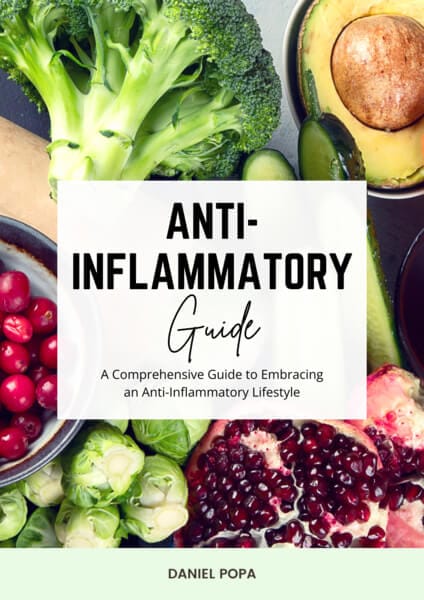
Whether you’re just starting with natural wellness or you’ve been working on your health for years, this guide is designed to meet you where you are. Inside, you’ll find science-backed tips, simple daily habits, and practical food and lifestyle strategies you can actually stick to.
The Ultimate Anti-Inflammatory Guide walks you through how to:
- Lower everyday inflammation with smart food choices
- Build lifestyle habits that support joint, gut, heart, and brain health
- Use trusted supplements to fill the most common nutritional gaps
- Support your immune system and long-term wellness from the inside out
With the right approach, you can do more than just ease symptoms. You can help protect against future health problems, support a stronger immune response, and steadily improve your energy, mood, and quality of life.
📘 Click Below to get your Anti-Inflammatory Guide PDF and start putting these steps into action today.
Anti-Inflammatory Guide: Simple Food & Lifestyle Tips
A beginner-friendly guide to help you explore everyday food choices, balanced meals, hydration, sleep, movement, and mindful habits that can support your overall wellness routine.
- Learn the basics of inflammation in simple terms
- Explore colorful foods, healthy fats, whole grains, and herbs
- Get balanced plate ideas and beginner meal-planning tips
- Review lifestyle habits like sleep, hydration, movement, and stress support
For general education only. This is not medical advice and is not intended to diagnose, treat, cure, or prevent any condition. Speak with a qualified healthcare professional about personal health questions.
Disclosure: Some links in this guide are affiliate links, which means I may earn a small commission if you purchase through them at no extra cost to you. I only recommend products I personally research and believe can support a healthy lifestyle.
Understanding Inflammation: Friend and Foe
Inflammation is your body’s built-in defense system against injury, stress, or infection. When you cut your finger or catch a virus, your immune system sends help to the area, causing temporary redness, warmth, swelling, or pain. This is called acute inflammation — and it’s usually short-lived and helpful.
The problem begins when inflammation doesn’t switch off properly. Instead of calming down, it lingers in the background as low-grade, chronic inflammation. Over time, this “smoldering” state can quietly increase the risk of serious health issues such as heart disease, type 2 diabetes, arthritis, asthma, autoimmune conditions, and even cognitive decline.
Researchers now consider chronic inflammation a key factor in many modern health problems. It doesn’t always show up as obvious pain. Sometimes it feels like:
- Ongoing joint stiffness or aches that never fully go away
- Frequent bloating or digestive discomfort
- Persistent fatigue, even after “enough” sleep
- Brain fog, low mood, or feeling “off” more days than not
The good news is that daily choices can strongly influence inflammation levels. Eating more whole, colorful foods, managing stress, sleeping better, staying active, and using targeted nutrients (like turmeric and other natural anti-inflammatory supports) can all help calm this internal fire.
Learning how to manage inflammation is one of the most important steps you can take for long-term health, vitality, and longevity. When you address inflammation closer to the source, you don’t just mask symptoms — you can transform how you feel day to day and support your future health at the same time.
The Gut–Inflammation–Mind Connection
Your gut is home to trillions of bacteria that help regulate digestion, immunity, and inflammation. When this delicate balance (the gut microbiome) is disrupted by stress, diet, or medication, it can contribute to increased intestinal permeability and higher levels of inflammation throughout the body.
This gut-driven inflammation doesn’t just stay in the digestive system. It can influence brain chemistry, mood, and mental clarity. Emerging research suggests that changes in gut health may affect neurotransmitters like serotonin and dopamine, which are involved in emotional balance, motivation, and focus. Many people notice that when their gut feels off, they also experience more brain fog, low mood, or trouble concentrating.
That’s why supporting the gut is such an important part of any anti-inflammatory lifestyle — it can benefit your body and your mind at the same time.
Simple Ways to Support Gut and Mental Health
You don’t need a complicated protocol to start supporting your gut–brain connection. Small, consistent habits add up:
- Eat more probiotic and prebiotic foods – Include options like sauerkraut, yogurt, kefir, kimchi, garlic, onions, and bananas to nourish beneficial gut bacteria.
- Cut back on ultra-processed foods, excess alcohol, and refined sugar – These can disrupt the microbiome and may promote inflammation when eaten in large amounts.
- Stay gently active – Walking, stretching, and regular movement support digestion, circulation, and stress relief.
- Manage stress daily – Practices like deep breathing, mindfulness, prayer, or journaling can help calm the nervous system and support a healthier gut environment.
- Prioritize quality sleep – Rest is when your body repairs tissues, resets hormones, and supports immune balance.
By prioritizing gut health, you naturally support immune function, mental clarity, and hormonal balance — all key players in reducing overall inflammation. For extra support, many people also use targeted gut supplements alongside food changes. You can explore options like probiotic gut support or follow the step-by-step recommendations inside the guide.
Get your Anti-Inflammatory Guide Now to see exactly how gut health fits into a full-body plan to calm inflammation naturally.
Eating to Heal: The Anti-Inflammatory Diet Blueprint
Food is more than fuel — it’s information. Every meal sends signals to your body that can either calm inflammation or quietly add to it. An anti-inflammatory lifestyle starts on your plate, with simple choices you can repeat day after day. The guide breaks this down into an easy, balanced way of eating that helps lower inflammation while still keeping your meals satisfying and enjoyable.
Best Everyday Foods to Support Lower Inflammation
Focusing on whole, minimally processed foods gives your body the nutrients it needs to repair, protect, and perform at its best. Some of the top anti-inflammatory choices include:
- Leafy greens (spinach, kale, Swiss chard) – packed with vitamins, minerals, and antioxidants that support cellular health.
- Berries and colorful fruits (blueberries, oranges, cherries, pineapple) – rich in polyphenols that help combat oxidative stress.
- Fatty fish (salmon, mackerel, sardines) – natural sources of omega-3 fatty acids, which support heart, brain, and joint health.
- Nuts and seeds (chia, flax, pumpkin, almonds) – provide healthy fats, fiber, and plant-based protein to balance blood sugar and appetite.
- Healthy oils (extra virgin olive oil, walnut oil, avocado) – support heart health and are a great upgrade from highly processed seed oils. For more on this, see the guide on good vs. bad fats.
- Herbs and spices (turmeric, ginger, garlic, cinnamon, rosemary) – many have natural antioxidant and inflammation-supporting properties.
- Whole grains (quinoa, oats, brown rice, barley) – offer fiber and slow-release energy to support blood sugar balance.
Foods to Limit If You Want Less Inflammation
You don’t have to eat “perfectly,” but reducing certain foods can make a noticeable difference in how you feel, especially over time:
- Highly processed foods with long ingredient lists, additives, and preservatives.
- Sugary drinks and snacks such as sodas, candies, and pastries that spike blood sugar.
- Refined grains (white bread, regular pasta, many baked goods) that are low in fiber.
- Trans fats and deep-fried foods that may negatively impact heart and metabolic health.
- Excess alcohol, which can irritate the gut and liver when consumed in large amounts.
- Large amounts of certain refined vegetable oils (like soybean or corn oil), especially when used in fast food and packaged snacks.
- Artificial sweeteners and flavor enhancers, which some people find can disrupt digestion or appetite cues.
Simple Anti-Inflammatory Food Swaps
| Instead of… | Try This Anti-Inflammatory Option |
|---|---|
| White bread or regular pasta | Whole grain bread, oats, brown rice, or quinoa |
| Sugary soda or energy drinks | Water with lemon, herbal tea, or sparkling water |
| Deep-fried fast food | Baked or grilled protein with roasted vegetables |
| Processed snacks (chips, biscuits, candy) | Nuts, seeds, fresh fruit, or hummus with veggies |
| Heavy cream-based sauces | Olive-oil-based dressings with herbs and lemon |
This isn’t a restrictive fad diet — it’s a sustainable way of eating that nourishes your body, supports digestion, and helps your immune system stay more balanced. Over time, these everyday food choices can add up to less inflammation, better energy, and more comfort in your own body.
Inside The Ultimate Anti-Inflammatory Guide, you’ll find sample meal ideas, shopping lists, and step-by-step suggestions to make this way of eating simple to follow in real life.

Healing Habits: Everyday Actions That Make a Real Difference
Food is a big part of reducing inflammation, but it’s only one piece of the puzzle. Your daily habits — how you sleep, move, handle stress, and hydrate — all influence how inflamed or balanced your body feels. The good news? Small, consistent changes in these areas can quietly lower inflammation over time.
1. Sleep: Your Nightly Repair and Reset Window
While you sleep, your body does some of its most important repair work. Poor or short sleep is linked to higher levels of inflammatory markers and a greater risk of chronic conditions. The Sleep Foundation notes that quality sleep supports immune balance and helps regulate inflammation.
- Aim for 7–9 hours of consistent, good-quality sleep most nights.
- Keep a regular sleep and wake time, even on weekends.
- Create a wind-down routine: dim lights, limit screens, and avoid heavy meals late at night.
2. Stress Management: Calming an Inflamed Nervous System
Chronic stress keeps your body in “alert mode,” releasing hormones like cortisol that can drive inflammation when they stay elevated for too long. The American Psychological Association explains that long-term stress is linked to inflammation and many stress-related illnesses.
- Try deep breathing (4–6 slow breaths per minute for a few minutes).
- Use short “reset” breaks during the day instead of pushing through stress.
- Experiment with journaling, meditation apps, prayer, or light yoga.
3. Hydration: Supporting Detox and Cellular Health
Water helps carry nutrients to your cells and waste products away. When you’re even mildly dehydrated, your body’s natural detox and repair processes have to work harder. Cleveland Clinic highlights that staying well hydrated supports kidney function and waste removal.
- Use a simple target like sipping water regularly throughout the day.
- Add a pinch of mineral-rich salt or lemon (if suitable for you) to support fluid balance.
- Limit sugary drinks and sodas that add to your inflammatory load.
4. Daily Movement: Circulation, Immunity, and Mood
You don’t need intense workouts to benefit. Regular, moderate movement helps circulation, supports lymph flow, and lowers inflammatory markers over time. Harvard Health notes that physical activity can lower stress, improve mood, and positively influence inflammation.
- Start with a 20–30 minute walk most days of the week.
- Add gentle strength or mobility work a few times per week as you’re able.
- Pick activities you enjoy so movement feels like self-care, not punishment.
5. Mindful Eating: Helping Digestion and Hormones
How you eat matters almost as much as what you eat. Eating quickly, while stressed or distracted, can upset digestion and blood sugar balance — both of which are tied to inflammation. Harvard T.H. Chan School of Public Health describes mindful eating as a way to support better digestion, hunger cues, and overall health.
- Slow down and chew thoroughly, especially your first few bites.
- Try to eat without scrolling, working, or watching TV.
- Pause halfway through your meal and assess your hunger levels.
Bottom line: These habits might look simple, but together they send a powerful signal to your body: “You’re safe, supported, and able to heal.” Over time, that steady message can help lower inflammation and improve how you feel day to day.
The Role of Supplements: Boosting Your Anti-Inflammatory Arsenal
Whole, nutrient-dense foods should always come first in any anti-inflammatory lifestyle. But when inflammation has been building for months or years, smart supplementation can offer extra support alongside your meals, movement, sleep, and stress habits. The goal isn’t to “replace” healthy living with pills — it’s to support what your body is already trying to do.
One of the key supplement tools highlighted in this guide is Factor 4 — a targeted, multi-ingredient formula designed to support joint comfort, cardiovascular health, and a healthy inflammatory response.
Why Factor 4 Stands Out in This Guide
Factor 4 combines four well-known nutrients into one simple daily formula. Instead of juggling multiple bottles, you get a coordinated blend that works alongside an anti-inflammatory way of eating.
- Fish Oil (Omega-3s) – Supports a healthy inflammatory response in joints and blood vessels, and helps maintain heart and brain health.
- Turmeric (Curcumin) – A powerful plant compound that helps neutralize free radicals and supports normal inflammatory pathways in the body.
- Coenzyme Q10 (CoQ10) – Plays a key role in cellular energy production and supports cardiovascular and metabolic health.
- Garlic – Traditionally used to support immune and circulatory health and to help the body handle oxidative stress from everyday life.
Together, these ingredients are designed to support systemic inflammation balance, enhance everyday recovery, and help your body’s natural defenses work more efficiently — especially when paired with anti-inflammatory foods, better sleep, and daily movement.
Food Alone vs. Food + Targeted Support
| Area of Support | With Food Alone | With Food + Factor 4 |
|---|---|---|
| Inflammation Balance | Anti-inflammatory foods, healthy fats, and fewer ultra-processed meals support a healthier baseline. | Omega-3s, curcumin, CoQ10, and garlic add extra support for a normal inflammatory response. |
| Joint Comfort & Mobility | Weight management, movement, and hydration can ease joint strain. | Fish oil and turmeric provide additional joint and recovery support. |
| Heart & Circulation | Whole foods, fiber, and lower sugar help support cardiovascular health. | Omega-3s, CoQ10, and garlic offer targeted cardiovascular support. |
| Energy & Vitality | Balanced meals and stable blood sugar improve daily energy. | CoQ10 supports natural cellular energy production for active days. |
Important: Supplements are not a cure or treatment for disease, and they don’t replace medical care. Always check with a qualified healthcare professional before adding new supplements, especially if you take medication or have existing health conditions.
Used wisely, though, a formula like Factor 4 can be a practical add-on to your anti-inflammatory lifestyle — helping you feel the benefits of your food and habits more clearly over time.
🛒 Click here to learn more about Factor 4 and see current pricing
Anti-Inflammatory Lifestyle Comparison: How It Stacks Up Against Common Approaches
Not all approaches to inflammation focus on the root cause. Some rely heavily on medication or short-term fixes, while others emphasize long-term lifestyle changes. Understanding these differences helps you choose a sustainable solution for lasting health.
| Feature | Conventional Anti-Inflammatory Approach | Anti-Inflammatory Lifestyle Guide |
|---|---|---|
| Primary Focus | Symptom management | Root-cause reduction |
| Core Tools | Medications, pain relievers | Nutrition, habits, supplementation |
| Gut Health Support | Limited | Strong emphasis |
| Long-Term Sustainability | Low to medium | High |
| Side Effects Risk | Possible | Minimal |
| Daily Application | Reactive | Proactive |
| Value for Long-Term Health | Medium | High |
This comparison shows why lifestyle-based inflammation management is often more effective for long-term wellness.
Pros & Cons of an Anti-Inflammatory Lifestyle
Pros
- Helps reduce chronic inflammation at its source
- Supports joint, heart, gut, and brain health
- Improves energy, digestion, and mental clarity
- Backed by nutritional and lifestyle research
- Safe and suitable for daily, long-term use
Cons
- Results require consistency and patience
- Lifestyle changes take time to implement
- Some people may need additional supplementation
Choosing a structured, balanced approach helps minimize limitations and improve results.
My Personal Insight on Reducing Inflammation Naturally
From years of researching wellness and reviewing supplements, the most significant shift I’ve seen in people’s health happens when they stop chasing quick fixes and start supporting their body daily. Inflammation doesn’t appear overnight, and it doesn’t disappear overnight either.
A lifestyle approach—focused on nutrition, stress reduction, sleep, and targeted support—drives steady, lasting improvements. This is why a guide-based system works better than isolated tips or temporary diets.
Frequently Asked Questions About an Anti-Inflammatory Lifestyle
What is an anti-inflammatory lifestyle used for?
An anti-inflammatory lifestyle is designed to support your body on multiple levels — not just relieve one symptom. By focusing on whole foods, movement, sleep, hydration, and stress management, this approach helps:
- Joint comfort and mobility – by easing the load on tissues affected by chronic inflammation.
- Gut health – through fiber-rich foods, better digestion, and a more balanced microbiome.
- Immune balance – helping your immune system respond appropriately, not overreact.
- Cardiovascular health – with heart-friendly fats, lower processed sugar, and better circulation.
- Overall vitality – more stable energy, clearer thinking, and better day-to-day resilience.
It’s not a “quick fix protocol” — it’s a way of living that helps lower the chronic, low-grade inflammation linked to many modern health issues.
How long does it take to reduce inflammation naturally?
Every body is different, but many people notice small changes within a few weeks of consistently eating better, sleeping more, hydrating well, and moving regularly. These early shifts might look like:
- Less bloating or digestive discomfort
- Slightly better energy during the day
- Milder joint stiffness in the morning
- Clearer thinking and fewer “brain fog” days
Deeper changes — like more stable weight, better lab markers, or long-term joint comfort — typically build over months of staying consistent. That’s why the guide focuses on realistic habits you can maintain, not a one-week “miracle cure.”
Do I need supplements to follow an anti-inflammatory lifestyle?
No. You can start with food and daily habits alone. A true anti-inflammatory lifestyle is built on:
- Whole, minimally processed foods
- Healthy fats and enough protein
- Regular movement and quality sleep
- Stress reduction and mindful eating
Supplements become helpful when you want to fill gaps or give extra support — especially if inflammation has been present for a long time. Tools like omega-3s, turmeric, CoQ10, or targeted blends such as Factor 4 can complement your food choices but should not replace them.
Always check with a healthcare professional before adding new supplements, especially if you use prescription medication or have existing health conditions.
Is an anti-inflammatory lifestyle safe long-term?
For most generally healthy adults, an anti-inflammatory lifestyle based on whole foods, movement, sleep, and stress management is considered safe and sustainable for everyday life. In fact, many of its core habits overlap with what nutrition and lifestyle experts recommend for long-term heart, brain, and metabolic health.
However, if you have a medical condition, take prescription medication, or have specific dietary needs, it’s always wise to:
- Review major diet changes with your doctor or dietitian
- Ask how supplements may interact with your current medications
- Adjust the plan so it fits your personal health situation
The goal of this lifestyle is not restriction for the sake of it — it’s to help your body feel and function better in a way you can keep going for years, not just weeks.
Who This Anti-Inflammatory Guide Is For (And Who Should Be Careful)
This guide is designed for adults who want to reduce inflammation naturally using food, lifestyle habits, and gentle supplement support. It’s especially helpful if you:
- Feel “inflamed” most days – stiff joints, bloating, low energy, or brain fog
- Have been told you have risk factors for heart, metabolic, or inflammatory issues
- Want a more natural, lifestyle-based approach to support what your doctor is already doing
- Are tired of jumping from one short-term diet to another with no lasting change
- Prefer simple, sustainable steps instead of extreme, all-or-nothing plans
At the same time, this guide is not a medical treatment plan. You should be especially careful and work closely with a qualified healthcare professional if you:
- Have a diagnosed autoimmune, heart, kidney, or liver condition
- Take prescription medications that may interact with supplements
- Are pregnant, breastfeeding, or under specialist care
- Have a history of disordered eating or very restrictive dieting
Think of this guide as a practical, everyday framework you can combine with professional advice — not a replacement for it. When lifestyle changes and medical care work together, the results are usually stronger and more sustainable.
7-Day Anti-Inflammatory Kickstart Plan (Simple Action Roadmap)
The full PDF goes into more detail, but if you want a clear place to start, here’s a simple 7-day anti-inflammatory kickstart you can adapt to your own life. Use it as a gentle warm-up before you go deeper with the complete guide.
- Day 1 – Reset Your Drinks
Swap sugary drinks and sodas for water, herbal tea, or sparkling water. Aim to be hydrated all day and add at least one glass with lemon or a pinch of minerals if suitable for you. - Day 2 – Upgrade Your Fats
Replace one meal that uses refined vegetable oils with a meal made using extra virgin olive oil, avocado, nuts, or seeds. Read labels on dressings and sauces and choose simpler ingredient lists. - Day 3 – Colorful Plate Challenge
Add at least three different colors of plants (like greens, berries, carrots, or peppers) to your lunch or dinner. The more colors, the more antioxidants your body receives. - Day 4 – Fiber & Gut Support
Include a high-fiber food at every main meal: oats, beans, lentils, vegetables, fruit, or whole grains. If you tolerate them well, add a small serving of fermented food such as yogurt or sauerkraut. - Day 5 – Move Gently, But Consistently
Walk for 20–30 minutes at a comfortable pace. If you can, split it into two short walks (morning and evening) to support circulation, digestion, and stress relief. - Day 6 – Evening Wind-Down Routine
Choose one calming habit to do before bed: stretch, read a few pages, journal, or breathe slowly for five minutes. Aim to go to bed 30 minutes earlier than usual. - Day 7 – Reflect and Plan Ahead
Notice what feels different: energy, digestion, sleep, cravings, or mood. Then use the full Anti-Inflammatory Guide PDF to map out your next 2–4 weeks with more structure.
If you repeat this 7-day kickstart and gradually layer in more strategies from the guide, you’ll build a true anti-inflammatory lifestyle instead of a short-lived “health challenge.”
📘 Download the full Anti-Inflammatory Guide Now for printable checklists, meal ideas, and supplement suggestions you can keep on hand.
Common Mistakes When Starting an Anti-Inflammatory Lifestyle
Many people love the idea of reducing inflammation naturally but get discouraged because they unknowingly make a few common mistakes. Avoiding these can save you time, money, and frustration.
- Trying to change everything in one week
Going from “normal eating” to a perfect anti-inflammatory diet overnight is usually too hard to sustain. Focus on one or two changes per week and build from there. - Ignoring sleep and stress
Food matters, but if you’re sleeping poorly and living in constant stress, inflammation can stay high. That’s why this guide includes sleep and stress tools, not just recipes. - Relying only on products, not habits
Supplements can be powerful allies, but they work best on top of consistent habits. Use tools like Factor 4 to support your lifestyle, not replace it. - Eating too little or skipping meals
Extreme restriction can stress your body, disrupt hormones, and backfire with stronger cravings. The anti-inflammatory approach focuses on enough real food, not starvation. - Expecting instant, dramatic results
Chronic inflammation builds up over months and years. It often takes weeks and months of better habits to see deeper changes. Track small wins like better sleep, less bloating, or clearer thinking along the way.
When you avoid these traps and follow a clear, realistic roadmap, it becomes much easier to stay consistent — and consistency is where the real anti-inflammatory magic happens.
For a structured plan that pulls all of this together in one place, don’t forget to grab your free PDF: The Ultimate Anti-Inflammatory Guide.
Anti-Inflammatory Guide: Simple Food & Lifestyle Tips
A beginner-friendly guide to help you explore everyday food choices, balanced meals, hydration, sleep, movement, and mindful habits that can support your overall wellness routine.
- Learn the basics of inflammation in simple terms
- Explore colorful foods, healthy fats, whole grains, and herbs
- Get balanced plate ideas and beginner meal-planning tips
- Review lifestyle habits like sleep, hydration, movement, and stress support
For general education only. This is not medical advice and is not intended to diagnose, treat, cure, or prevent any condition. Speak with a qualified healthcare professional about personal health questions.
Your Free Wellness Guide Library
If you’re ready to reduce inflammation and feel better long-term, this Anti-Inflammatory Guide is just one part of a larger toolkit. On LiveGoodForLife, you can access a full library of free guides, checklists, and simple action plans that all work together to support your energy, digestion, weight, and overall wellness.
Here’s how each free resource fits into your journey:
- Free 10-Day Detox Guide – Reset Naturally
Use this short, structured reset when you feel bloated, heavy, or “off track.” It focuses on real food, hydration, gentle routines, and optional supplement support to help your body clear out the daily overload and start fresh.
Get the 10-Day Detox Guide - Weight Loss Guide for Fat Loss, Meal Plans & Supplement Tips
If body fat and stubborn weight are a main concern, this guide gives you simple meal ideas, realistic strategies, and supplement tips to support fat loss in a healthy way — without extreme diets or starvation.
Get the Weight Loss Guide - Supplements 101: The Complete Beginner’s Guide
Confused by all the powders and pills? This guide explains how to think about supplements, what they can (and cannot) do, and how to choose smart options that match your goals, budget, and lifestyle.
Get the Supplements 101 Guide - The Ultimate Anti-Inflammatory Lifestyle Guide
This is the core guide you’re reading now — your blueprint for reducing inflammation at the root using food, daily habits, and targeted support. It ties everything together so you can build a sustainable, anti-inflammatory lifestyle over time.
Open the Anti-Inflammatory Guide Overview - LiveGood Free Health Check
Want help personalizing your plan? The Free Health Check walks you through a quick assessment and gives you tailored supplement suggestions based on your answers, so you’re not guessing where to start.
Take the Free Health Check - Free Health Hacks Download
For busy days when you don’t have time to read a full guide, this resource gives you quick “health hacks” you can apply in minutes — from simple food swaps to micro-habits that lower stress and support recovery.
Download the Free Health Hacks
Each guide focuses on a different piece of the puzzle — detox, fat loss, inflammation, supplements, and daily habits — but they’re all designed to work together. Start with the resource that matches your biggest goal right now, then layer in the others over time for a stronger, more complete wellness plan.
📘 Get the full Anti-Inflammatory PDF checklist and meal ideas here. First, then use the rest of the library as your next steps.
Important: This guide is for general wellness education only and is not medical advice. Always talk with your doctor or qualified healthcare professional before making major diet changes or starting new supplements, especially if you have a medical condition or take prescription medication.
Trusted Research
For readers who want scientific and medical validation, these trusted resources explain how inflammation works and how lifestyle changes can help reduce it over time:
- Cleveland Clinic – Chronic Inflammation Explained
Read Cleveland Clinic’s overview of chronic inflammation, what causes it, and why it matters for long-term health. - Harvard Health – Foods That Fight Inflammation
See Harvard’s breakdown of anti-inflammatory foods and how diet choices can lower inflammation in the body. - NIAMS / National Institutes of Health (NIH) – Inflammation Research
Explore the NIH’s explanation of inflammation, related conditions, and current research on how it affects joints and other tissues.
Related Reading on LiveGoodForLife
If you’re applying an anti-inflammatory lifestyle and want to go deeper, these LiveGoodForLife articles connect directly with the ideas in this guide:
- Supplement-based inflammation support:
Reducing Inflammation with Factor 4 – how omega-3s, turmeric, CoQ10, and garlic work together. - Gut and detox support as part of inflammation control:
LiveGood Organic Super Greens Review – supporting digestion, detox, and daily nutrient intake. - Immune and bone health linked to inflammation:
D3-K2 Supplement for Immune & Bone Health – how vitamin D3 and K2 fit into an anti-inflammatory lifestyle.
Bonus Resource: Your Personalized Health Quiz
Your body doesn’t need a copy-and-paste plan — it needs support that fits your real life. That’s where the Personalized Health Quiz comes in. Instead of guessing which habits or supplements might help, you simply answer a few easy questions and get guidance that’s tailored to your current goals and challenges.
Inside the anti-inflammatory guide, you’ll find a direct link to this free quiz. It’s designed to help you:
- Identify key areas where inflammation may be showing up in your daily life (energy, joints, digestion, mood, and more).
- Spot possible gaps in your routine — from nutrition and movement to sleep, stress, and gut support.
- Receive practical suggestions for habits and supplements that more closely match your unique needs and starting point.
The quiz is quick to complete, fully online, and based on evidence-informed wellness principles — ideal if you’re ready to go beyond generic advice and move toward a more personalized anti-inflammatory plan.
Get Your Guide Here to download the full PDF and access the Personalized Health Quiz inside.
Final Thoughts: Start Small, Feel Better, Live Fully
You don’t have to live with daily aches, bloating, fatigue, or brain fog. The key to transforming your health is addressing inflammation at the root — and that starts with knowledge, simple changes, and powerful support.
By taking small, consistent steps — like following the tips in this guide, eating real, anti-inflammatory foods, and using proven supplements — you’ll be well on your way to reduced inflammation and renewed vitality.
The best part? You don’t need a medical degree or a strict diet to start seeing results. Your body is designed to heal — it just needs the right support.
📘 Download the Free Anti-Inflammatory Guide and take control of your wellness today.
Here’s to your health,
Daniel