Organic Alfalfa Powder for Women: Benefits & How to Use It
A natural way to balance hormones, boost fertility, and support overall vitality.
✨ Key Takeaways
- Alfalfa is rich in phytoestrogens that help balance hormones—perfect for managing menopause, PCOS, and irregular cycles.
- Packed with vitamins A, C, E, and K, plus calcium and iron, alfalfa supports bone strength and helps combat anemia.
- Known for its fertility and breastfeeding support, alfalfa has been used for generations to aid hormonal health and milk supply.
- A simple dose of 1–3 teaspoons daily is enough to feel the benefits over time.
- LiveGood Organic Super Reds complements alfalfa by boosting circulation and nutrient delivery—great for women seeking better energy, hormonal support, and overall wellness.
🌱 Alfalfa: A Natural Ally for Women’s Health
Often called the “Father of All Foods,” organic alfalfa powder is one of the most nutrient-dense plants on the planet. It’s loaded with chlorophyll, vitamins, minerals, and phytoestrogens—all of which support women’s health at every stage of life.
Alfalfa’s key nutrients include:
- Vitamin K – crucial for bone density and calcium regulation
- Iron – helps fight fatigue and menstrual-related anemia
- Calcium & Magnesium – essential for strong bones and hormone regulation
- Phytoestrogens – plant compounds that naturally support hormonal balance
What Science Says About Alfalfa and Women’s Hormones
Alfalfa contains naturally occurring phytoestrogens, plant compounds that can interact gently with estrogen receptors in the body. Research from PubMed, the U.S. National Library of Medicine’s database of peer-reviewed studies, indicates that phytoestrogen-rich plants have been studied for their potential to ease menopausal symptoms and support hormonal balance in women.
Because phytoestrogens are significantly weaker than synthetic hormones, they are often used as a gentler, food-based option for women experiencing hormonal fluctuations related to menopause, PMS, or irregular cycles.
This is why alfalfa has traditionally been used as a supportive food rather than a pharmaceutical intervention.
Hot flashes? Mood swings? PMS? Alfalfa gently helps your hormones rebalance and your body feel whole again.
💚 LiveGood: Clean, Affordable Wellness You Can Trust
LiveGood offers top-tier, USDA-certified organic supplements designed to support real health without inflated prices. With no synthetic fillers, just clean ingredients and powerful blends, our mission is simple: better health, made affordable.
Our membership model cuts out the retail markup, so you get the highest-quality supplements for a fraction of the price.
🌟 Why Alfalfa Powder Belongs in Every Woman’s Wellness Routine
1. 🔄 Hormonal Balance
Alfalfa’s plant-based estrogens help smooth out the rollercoaster of hormonal fluctuations—especially during menopause, PCOS, or postpartum recovery.
Dealing with hot flashes, night sweats, or cycle changes? Alfalfa supports balance naturally and gently.
Women focused on inflammation and hormone health may also benefit from understanding how natural anti-inflammatory nutrients support the body, as explained in this guide.
Nutrient Density: Why Alfalfa Supports Bones, Blood & Vitality
Organic alfalfa powder provides several nutrients that women are commonly low in, including vitamin K, iron, calcium, and magnesium. According to the National Institutes of Health Office of Dietary Supplements, vitamin K plays a critical role in calcium metabolism and bone density — especially important for women after menopause.
Iron is another key nutrient for women, particularly those with heavy menstrual cycles. The NIH also notes that iron deficiency is among the most common nutritional deficiencies worldwide and a major contributor to fatigue and anemia in women.
Because alfalfa delivers these nutrients in a whole-food form, many women find it easier to tolerate and absorb compared to isolated synthetic vitamins.
2. 🦴 Bone Health
Alfalfa is rich in vitamin K, calcium, and magnesium, three critical nutrients for bone density, especially important after menopause when bones are more prone to thinning.
Keep your bones strong and supported as you age—without relying only on calcium pills.
3. ❤️ Cardiovascular Health
Alfalfa contains saponins, compounds that help lower LDL cholesterol and support a healthy heart. It also helps regulate blood pressure with its nutrient profile.
Heart health isn’t just a men’s issue—alfalfa helps women protect their cardiovascular system, too.
4. 🩸 Blood Sugar & Anemia Support
Alfalfa’s fiber helps regulate blood sugar and improve insulin sensitivity—great for women managing PCOS or prediabetes. Its iron and folate content also helps prevent anemia.
Say goodbye to blood sugar crashes and that dragging, iron-deficient fatigue.
5. 👶 Fertility & Breastfeeding Support
Trying to conceive? Alfalfa supports hormonal balance and ovulation. Already a mom? It may help increase milk supply and give your body essential postpartum nutrients.
One of the oldest natural galactagogues, alfalfa supports moms through every phase.
6. 🔥 Anti-Inflammatory & Antioxidant Power
Thanks to its flavonoids and vitamins A, C, and E, alfalfa helps fight inflammation and oxidative stress—key for preventing aging, joint pain, and chronic illness.
Think of alfalfa as your daily defense against premature aging and daily aches.
If you’re exploring whole-food supplements, our full LiveGood product overview explains how organic greens and superfoods fit into a daily wellness routine.
Whole-Food vs Synthetic Supplements (Why This Matters)
Many women rely on synthetic multivitamins, but these isolated nutrients are not always absorbed efficiently. Educational guidance from Harvard Health Publishing explains that whole-food sources often provide nutrients alongside natural cofactors that support better absorption and utilization.
This is one reason whole-food greens like alfalfa are often used as daily foundational support, rather than as a replacement for targeted supplementation.
Consistency and nutrient form matter far more than label claims or price.
🍵 How to Use Organic Alfalfa Powder
1. Smoothies & Shakes
- Add 1–3 teaspoons to your favorite green smoothie or protein shake.
2. Teas
- Steep dried alfalfa leaves for a calming, earthy brew. Perfect before bed.
3. Soups & Baking
- Stir alfalfa powder into soups, energy balls, or muffins for a stealthy nutrition boost.
4. Capsules or Tablets
- Choose this route for simplicity and travel-friendly wellness.
📏 Recommended Dosage
- Powder or dried leaves: 1–3 teaspoons per day
- Capsules: Follow the supplement label or your healthcare provider’s advice
⚠️ Side Effects & Precautions
Alfalfa is generally safe, but be mindful of:
- Autoimmune conditions – Contains L-canavanine, which may trigger symptoms
- Blood thinners – High in vitamin K, so consult your doctor
- Pregnancy – Check with your provider, especially if using in high doses
Pros & Cons of Organic Alfalfa Powder (For Women)
Pros
- Whole-food nutrient support (naturally provides vitamin K, minerals, and chlorophyll).
- Gentle phytoestrogens that may support hormone balance during perimenopause or cycle changes.
- Easy daily use (mixes into smoothies, soups, tea, or capsules).
- Supports common women’s gaps like iron, calcium, and magnesium intake (depending on diet and needs).
- Works well in a routine alongside protein, hydration, and fiber-focused meals.
Cons
- Not ideal for everyone (especially autoimmune conditions; see precautions).
- Vitamin K caution for those taking blood thinners—dose consistency matters.
- Results are gradual and vary by person (often noticed over weeks, not days).
- Quality varies by brand—organic sourcing and testing standards matter.
- Not a replacement for medical care if symptoms are severe or persistent.
Alfalfa Support: Standard Greens vs LiveGood Greens (Comparison Table)
This table helps you compare a basic, single-ingredient greens product with a broader greens formula. Combination formulas matter because they typically deliver more plant variety (different phytonutrients, minerals, and antioxidants) which can be more useful for daily wellness support than relying on one plant alone.
| Feature | Standard Product | LiveGood Product |
|---|---|---|
| Formula style | Single-ingredient alfalfa powder (simple greens support) | Multi-ingredient greens blend for broader daily nutrition support |
| Plant diversity | Low (mostly alfalfa) | Higher (multiple greens + superfoods) |
| Hormone-friendly routine fit | May support hormone balance via phytoestrogens | Supports an overall wellness routine with wider plant compounds |
| Digestion & daily “foundation” | Good for simple daily green intake | Often preferred for consistent, “one-scoop” routine support |
| Stacking options | Usually used alone | Pairs well with Super Reds for circulation-focused support |
| Cost model | Retail pricing varies widely | Member pricing designed to reduce long-term supplement costs |
| Best for | Women who want a minimal, single-ingredient green | Women who want broader daily greens support in one formula |
If you want to compare greens options in more detail, see the full category: LiveGood Supplement Reviews.
Personal Insight
At LiveGoodForLife, we treat greens like alfalfa as foundational support—not a quick fix. When we update wellness articles, we cross-check claims against reputable sources (NIH consumer fact sheets and PubMed-indexed research) and then translate that into practical guidance you can actually follow daily.
In real routines, most women get the best results when they keep it simple: start with a small daily dose, track how you feel for 2–4 weeks (energy, digestion, bloating, cycle comfort), and adjust gradually. If you’re also exploring LiveGood’s wellness system, the LiveGood Tour explains how the membership model makes consistent supplementation more affordable over time.
Scientific & Medical Context
Phytoestrogens: Alfalfa contains plant compounds often discussed as phytoestrogens. Cleveland Clinic explains how phytoestrogens may interact with estrogen receptors and why they’re commonly mentioned in menopause nutrition discussions. Cleveland Clinic
Vitamin K & medication interactions: Because alfalfa is naturally high in vitamin K, women on blood thinners should be cautious about sudden changes in intake. The NIH Office of Dietary Supplements notes vitamin K’s role in the body and why consistency matters with certain medications. NIH (ODS): Vitamin K
Iron & fatigue: Iron deficiency is a common reason women feel run-down, especially with heavy cycles. The NIH also highlights iron’s role and how deficiency can contribute to fatigue and anemia symptoms. NIH (ODS): Iron
Autoimmune precautions: If you have lupus or another autoimmune condition, you should be extra careful with alfalfa supplements. Healthline discusses reported concerns (including the compound L-canavanine) and why this group should consult a clinician first. Healthline: Alfalfa overview
Menopause expectations: Harvard Health reminds readers that “natural” options can still affect the body differently depending on personal history, symptoms, and medications. If menopausal symptoms are intense or persistent, it’s smart to get individualized guidance. Harvard Health: Menopause & perimenopause
Bottom line: alfalfa can be a useful food-based add-on for many women, but if you’re pregnant, postpartum with complications, on medication, or managing autoimmune issues, professional guidance is the safest path.
❤️ Supercharge Alfalfa with LiveGood Organic Super Reds
To understand how circulation affects nutrient delivery, see our breakdown of how LiveGood Super Reds supports cardiovascular health. Alfalfa gives your body the nutrients. LiveGood Super Reds helps your body use them better.
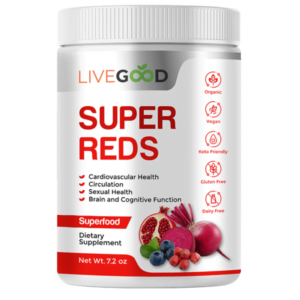
LiveGood’s Organic Super Reds is packed with:
- Organic beetroot, pomegranate, acai, elderberry, and more
- Nitric oxide boosters that improve circulation
- Enhanced nutrient delivery to support hormone health, skin glow, and energy
- Delicious natural berry flavor—you’ll actually want to drink it
Alfalfa supports your hormones. Super Reds gets them where they need to go.
🌟 Mix one scoop into water, juice, or smoothies. Many women enjoy it twice a day for an extra boost of circulation and clarity.
If you’re comparing supplement costs, this guide on how the LiveGood supplement calculator works shows how wholesale pricing reduces long-term expenses.
🎥 Watch: Why LiveGood Super Reds Is a Must-Have for Heart & Energy Health!
Discover how LiveGood Organic Super Reds can transform your daily health routine. In this video, we break down how red superfoods like beetroot, pomegranate, and grape seed extract support circulation, brain clarity, libido, and cardiovascular strength.
👉 Tap below to see why this formula is a customer favorite and how it compares to expensive brands like SuperBeets and OrganiFi Red Juice.
Watch now and feel the difference!
🙋♀️ FAQ – Organic Alfalfa Powder
Q: Can alfalfa help with menopause symptoms like hot flashes?
A: Yes! Thanks to its phytoestrogens, alfalfa may help reduce hot flashes, night sweats, and mood swings related to hormonal fluctuations.
Q: Is it safe to take alfalfa daily?
A: In moderation, yes. Start with 1 teaspoon and increase gradually. Avoid high doses if you have autoimmune conditions or are on blood thinners.
Q: Can I use alfalfa while pregnant or breastfeeding?
A: Alfalfa has traditionally been used to boost milk supply, but always consult your doctor before using any supplement during pregnancy or postpartum.
Q: Why pair it with LiveGood Super Reds?
A: Super Reds enhances blood flow and nutrient delivery, helping alfalfa’s compounds circulate more efficiently—supporting energy, hormones, and whole-body health.
Q: Is organic alfalfa good for women’s hormones?
Yes. Alfalfa contains gentle phytoestrogens that can help support hormone balance, ease PMS symptoms, and stabilize mood and energy levels.
Q: How do I take alfalfa powder?
Most women add 1 teaspoon to water, smoothies, shakes, or greens drinks daily. It can also be combined with Super Greens for added nutrient density.
Q: Does alfalfa help with bloating?
Yes. Its chlorophyll, fiber, and natural digestive compounds may help reduce gas, support gut movement, and ease water retention.
Q: Is alfalfa safe to use every day?
For most women, yes. It’s a whole-food green supplement designed for daily use, but those with autoimmune conditions should consult a healthcare provider.
Q: What makes alfalfa different from a multivitamin?
Alfalfa offers whole-food nutrients your body absorbs more easily, plus chlorophyll, antioxidants, and plant minerals not found in standard synthetic multivitamins.
Related Articles on LiveGoodForLife
If you’re building a simple daily routine, these guides can help you stack your supplements intelligently without overspending:
- Start here if you’re new: LiveGood Tour (how the model works).
- Browse updates and product releases in LiveGood.
- See ingredient-focused breakdowns in LiveGood Supplement Reviews.
- If you’re comparing prices, use how the LiveGood supplement calculator works.
- For a full catalog view, visit the LiveGood products overview.
- If you’re also curious about the membership side, explore LiveGood Opportunity.
What Makes Organic Alfalfa Especially Beneficial for Women? (2026 Update)
Organic alfalfa isn’t just another green powder — it’s one of the few whole-food supplements naturally rich in phytoestrogens, vitamins, and alkaline minerals that support women’s hormonal balance. These nutrients may help reduce bloating, support more stable mood and energy, ease PMS discomfort, promote healthier estrogen metabolism, and improve skin clarity thanks to its high chlorophyll content.
Alfalfa also provides eight essential amino acids plus calcium, iron, magnesium, potassium, and B-vitamins — nutrients many women are commonly low in, especially during busy or stressful seasons of life.
Organic Alfalfa vs. Synthetic Multivitamins (Important Difference)
Many women rely on synthetic multivitamins, but these isolated nutrients are often harder for the body to absorb. Organic alfalfa offers a whole-food alternative, meaning your body recognizes the nutrients just like real food.
Here’s a simple comparison:
| Feature | Organic Alfalfa Powder | Synthetic Multivitamin |
|---|---|---|
| Absorption | High — whole-food based | Moderate — isolated nutrients |
| Supports Hormones | Yes | Not directly |
| Rich in Chlorophyll | Yes | No |
| Helps Detox & Digestion | Yes | Very limited |
| Iron + Magnesium Naturally Present | Yes | Often low or poorly absorbed |
| Suitable for Daily Use | ✔ | Sometimes ✖ |
This is why many women prefer alfalfa as a gentler, more natural alternative for daily vitamin and mineral support.
Who Should Consider Taking Alfalfa?
Women who may benefit the most include:
- Anyone experiencing PMS or irregular cycles
- Women with low iron or low energy
- Those who struggle with bloating or sluggish digestion
- Women who eat few leafy greens
- Busy moms, professionals, and students
- Anyone wanting natural detox support without harsh cleansers
Women who drink coffee regularly may also find that alfalfa helps balance acidity and supports hydration.
Organic alfalfa powder is more than just a plant—it’s a complete women’s health ally. From hormone balance and fertility to stronger bones and better energy, it’s a gentle yet powerful addition to your wellness routine.
And when paired with LiveGood Organic Super Reds, you’re not just giving your body nutrients—you’re making sure they get absorbed and used where they matter most.
🎥 Want to See Why Everyone’s Talking About LiveGood?
Whether you’re brand new or already an affiliate looking for a quick refresher—don’t miss our 2-part video training series that explains everything:
✅ What makes LiveGood different
✅ How our products work and why they matter
✅ The powerful payment plan and how you earn
✅ How to build a real online business step-by-step
✅ Why thousands of people are joining every week
👉 Insert your name and email to register for instant access to the videos.
Once you register, you’ll also receive exclusive updates from me about LiveGood news, growth tips, training, and new product launches—straight to your inbox.
✉️ Don’t worry; you can unsubscribe at any time by clicking the Unsubscribe link at the bottom of any email.
Organic alfalfa gives women a simple, natural way to boost energy, support hormonal balance, improve digestion, and fill nutrient gaps without relying on synthetic supplements. Because it’s whole-food based, your body can absorb and use its nutrients more effectively, helping you feel lighter, more energized, and more balanced throughout the day.
If you’re ready to add a powerful superfood to your routine, LiveGood’s organic alfalfa offers clean ingredients, third-party testing, and affordable pricing that fits any wellness plan.
To explore how alfalfa fits into your supplement routine, try the LiveGood Supplement Calculator and see how much you can save by switching to whole-food, member-priced nutrition.
Disclaimer: This article is for educational purposes only and is not medical advice. Always consult a qualified healthcare professional before starting any supplement—especially if you’re pregnant, breastfeeding, taking medication, or managing a medical condition. Some links may be affiliate links, meaning we may earn a commission at no extra cost to you.