
LiveGood Liver Support: Safety, Price & Label Tips
$14.95
LiveGood Liver Support product guide covering ingredients, capsule format, safety cautions, price, label tips, and how it may fit into a liver-focused daily wellness routine.
Description
LiveGood Liver Support

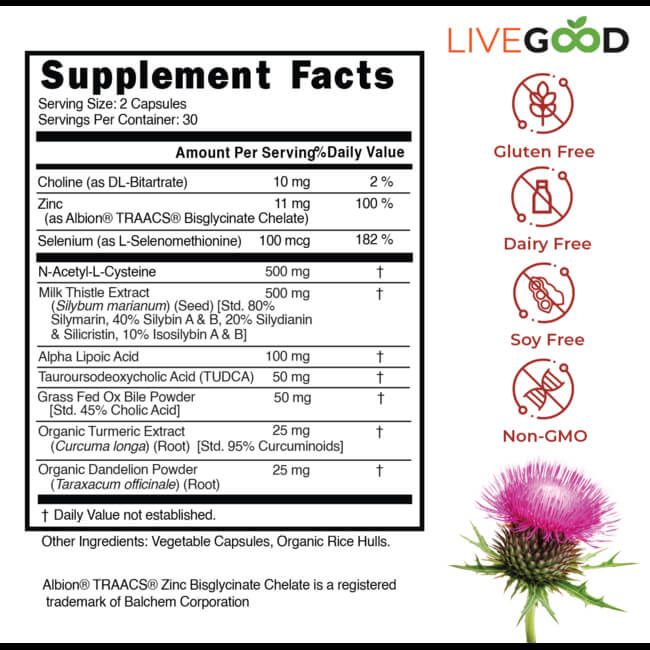
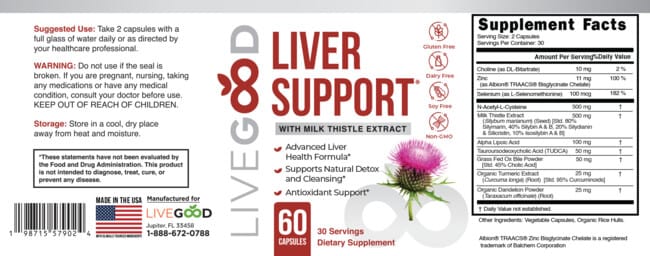
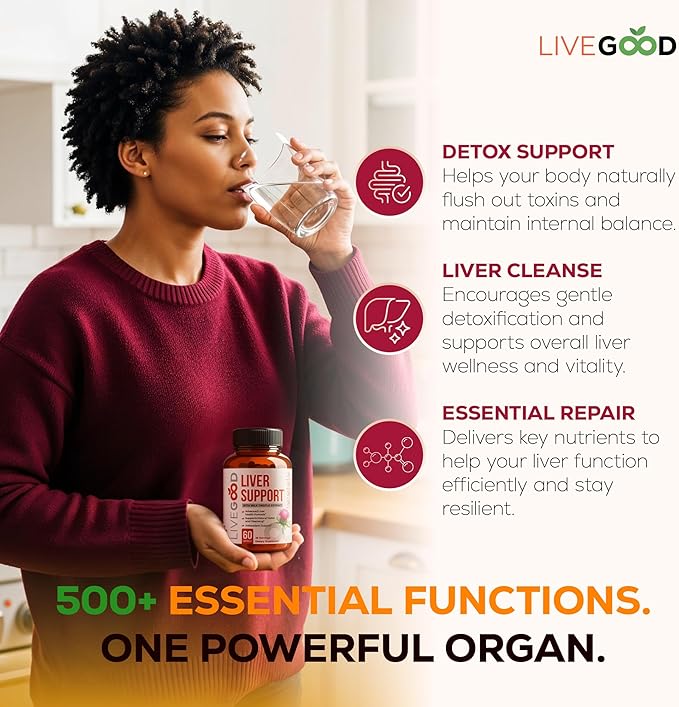
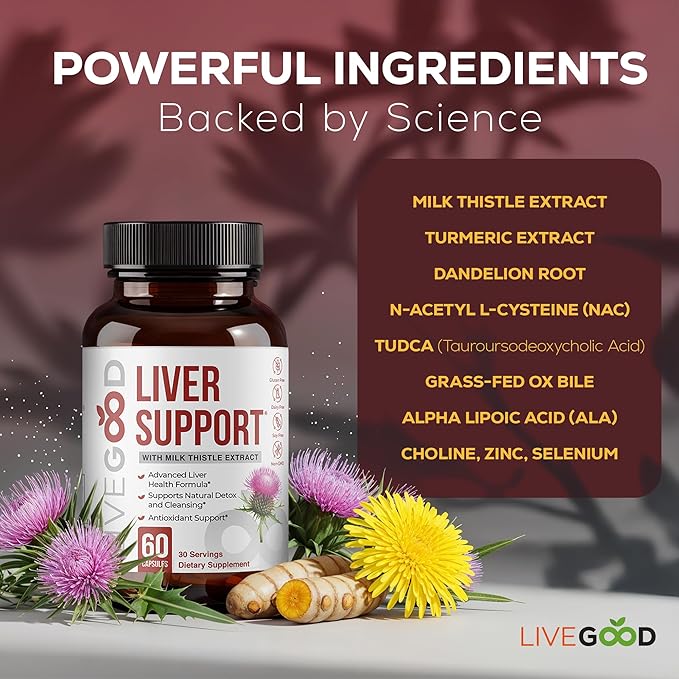
LiveGood Liver Support is a capsule supplement for adults comparing a liver-focused wellness formula with milk thistle, NAC, TUDCA, turmeric, dandelion root, alpha lipoic acid, choline, ox bile, zinc, and selenium. It may fit a daily wellness routine, but it is not intended to diagnose, treat, cure, or prevent liver disease, detox needs, inflammation, fatigue, or any medical condition.
Product Price: 14.95
Product In-Stock: InStock
4.98
Pros
- Liver-focused wellness formula in capsule format
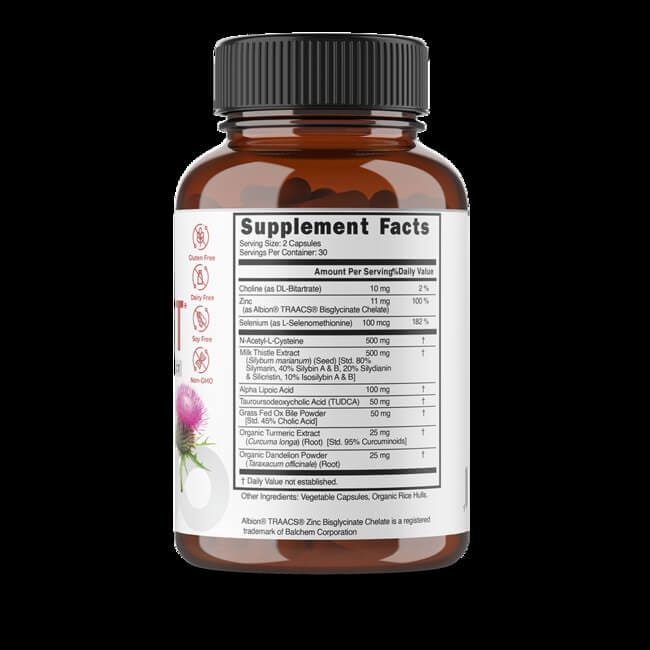
- Includes milk thistle, NAC, TUDCA, turmeric, dandelion root, alpha lipoic acid, choline, ox bile, zinc, and selenium
- Combines several common liver-support ingredients in one product
- May fit adults comparing liver-focused supplement formulas
- Useful to compare by price, serving count, ingredient amounts, TUDCA content, choline content, COA/testing, and medication safety notes
Cons
- Medication use, pregnancy, nursing, liver, kidney, gallbladder, bile duct, digestive, blood sugar, blood pressure, bleeding, alcohol use, or allergy concerns need professional guidance
LiveGood Liver Support
A Simple Look at Ingredients, Safety, Price, and Who It May Fit
LiveGood Liver Support is a daily capsule supplement with nutrients, antioxidants, bile-support ingredients, and botanicals commonly found in liver-focused wellness formulas.
This product should not be used to treat liver disease, detox toxins, cleanse the body, repair the liver, reduce inflammation, correct hormone imbalance, improve skin problems, treat fatigue, or replace medical care.
⚡ Quick Answer
LiveGood Liver Support is a capsule supplement with milk thistle (silymarin), NAC, TUDCA, turmeric, dandelion root, alpha lipoic acid, choline, ox bile, zinc, and selenium. Milk thistle is the most studied botanical for liver enzyme support — but NCCIH states clinical trial results have been “conflicting or too limited to draw conclusions” for specific liver diseases. None of these ingredients are FDA-approved to treat any liver condition. This is a wellness supplement, not a medical treatment.
📌 Key Facts at a Glance
- Milk thistle is the most-researched supplement in liver wellness. Its active compound is silymarin. It is the most studied botanical for liver enzyme support in clinical trials. However, NCCIH and NIH LiverTox both state that human trial results are inconclusive for treating specific liver diseases.
- NAC (N-Acetyl L-Cysteine) is a precursor to glutathione — the body’s main antioxidant. It is FDA-approved only as a prescription treatment for acetaminophen overdose. As a supplement for liver support, it is an off-label application with early but promising evidence in metabolic liver research.
- TUDCA is a bile acid (tauroursodeoxycholic acid) with supportive data for bile flow and liver cell protection in recent meta-analyses. It is contraindicated in bile duct obstruction — a real safety concern, not just a standard precaution.
- Choline is an essential nutrient the liver needs to process and export fat. Choline deficiency is a documented factor in the development of non-alcoholic fatty liver disease (NAFLD/MASLD). The Adequate Intake is 550 mg/day for men and 425 mg/day for women (NIH ODS).
- Alpha lipoic acid may lower blood sugar — relevant if you take diabetes medication. This is a documented pharmacological interaction that warrants checking with your prescriber.
- Your liver already processes over 500 functions every day — including metabolizing medications, filtering blood, and producing bile. If you have liver concerns or abnormal liver labs, a clinician is the right first step — not a supplement.
- COA available. Third-party tested to confirm what is on the label is in the capsule.
- None of the ingredients in this product are FDA-approved to treat, diagnose, cure, or prevent any liver disease or condition.
What Is LiveGood Liver Support?
LiveGood Liver Support is a supplement designed for general wellness routines. The formula includes milk thistle, turmeric, dandelion root, NAC, TUDCA, ox bile, alpha lipoic acid, choline, zinc, and selenium.
The best way to view this product is as a liver-focused wellness supplement, not as a liver treatment, detox program, cleanse, or medical solution.
Quick Summary
Product: LiveGood Liver Support
Format: Capsule supplement
Main ingredient types: Botanicals, antioxidants, bile-support ingredients, and essential nutrients
Best fit: Adults comparing a liver-focused wellness supplement for a daily routine
Check first if: You take medication, drink alcohol heavily, have liver, gallbladder, bile duct, kidney, digestive, blood sugar, blood pressure, bleeding, pregnancy/nursing, or allergy concerns.
Ingredient Overview
Here is a simple look at ingredients commonly listed for this product. Always check the current LiveGood label before ordering because formulas, amounts, and directions can change.
Milk Thistle Extract (Silymarin)
The most studied botanical in liver wellness research. Active compound is silymarin. Generally well-tolerated. Clinical trial evidence for treating specific liver diseases is inconclusive (NCCIH, NIH LiverTox). Should not be used to treat liver disease.
Turmeric Extract
Has choleretic effects (stimulates bile production). May be relevant for people with gallbladder conditions. Check first if you have gallbladder disease or take blood-thinning medications.
Dandelion Root
Traditional botanical. May affect diuretics and certain medications. Check first if you have gallbladder, bile duct, or kidney concerns.
N-Acetyl L-Cysteine (NAC)
Precursor to glutathione. FDA-approved only for acetaminophen overdose treatment. Early evidence for oxidative stress support in liver research. May interact with certain medications.
TUDCA and Grass-Fed Ox Bile
Bile-related ingredients. TUDCA is contraindicated in bile duct obstruction. Requires extra caution for anyone with gallbladder, bile duct, or digestive conditions.
Alpha Lipoic Acid
Antioxidant involved in mitochondrial energy metabolism. May lower blood sugar — relevant interaction if you take diabetes medications.
Choline, Zinc, and Selenium
Choline is an essential nutrient for liver fat metabolism. Zinc and selenium are antioxidant-support minerals. Check overlap with multivitamins or other supplements.
What the Research Shows on These Ingredients
Milk thistle — most studied, inconclusive clinical results. Silymarin is the most studied supplement for liver enzyme support. In laboratory and animal models, it has shown antioxidant, anti-inflammatory, and liver-protective effects. Human trial results are mixed. A 2012 JAMA randomized controlled trial (Fried et al.) found no benefit in hepatitis C patients. NCCIH states results have been “conflicting or too limited to draw conclusions.” 2024 umbrella reviews of meta-analyses suggest modest liver enzyme-lowering effects in MASLD when used alongside lifestyle changes — not as a standalone treatment. Well-tolerated and safe; not implicated in liver enzyme elevations or liver injury (NIH LiverTox).
NAC — glutathione precursor with real pharmacological relevance. NAC raises intracellular glutathione, the body’s primary antioxidant. Its liver-relevant mechanism is solid biochemistry. FDA-approved IV/oral NAC for acetaminophen overdose is one of emergency medicine’s most reliable antidotes. For general liver wellness supplementation, 2024 umbrella reviews note it “shows promise for improving oxidative stress and metabolic markers.” This is promising early evidence, not a clinical recommendation.
TUDCA — bile acid with liver cell protection data. Tauroursodeoxycholic acid is a naturally occurring bile acid studied for conditions involving impaired bile flow. 2024 reviews note “supportive data for bile flow and liver cell protection.” Used in some European countries for specific bile conditions. The safety concern: contraindicated in bile duct obstruction, where bile cannot flow freely. Anyone with gallbladder or bile duct conditions must check with a physician before using this product.
Choline — essential liver nutrient with a documented deficiency link to NAFLD. The liver needs choline to produce VLDL, the lipoprotein that transports fat out of the liver. Without adequate choline, fat accumulates in liver cells. This is well-established: choline deficiency is an established model for inducing fatty liver in research animals and has been documented in human nutritional studies. NIH ODS sets the Adequate Intake at 550 mg/day for men and 425 mg/day for women. Many people don’t reach this from diet alone.
Alpha lipoic acid — antioxidant with liver and blood sugar data. ALA is involved in mitochondrial energy metabolism and has antioxidant properties. Some small RCTs show modest liver enzyme reductions in NAFLD patients. The practical note: ALA has documented blood-sugar-lowering effects, meaning people on diabetes medications should check with their prescriber before using ALA-containing supplements.
The realistic picture on liver supplements overall. A 2024 umbrella review of meta-analyses found milk thistle, NAC, and TUDCA have the strongest supporting data among liver-focused supplements — but consistently noted that “benefits are most consistent when supplements are used alongside lifestyle changes rather than working in isolation.” Lifestyle interventions (diet quality, weight management, exercise, alcohol reduction) remain the primary tools for liver health. Supplements are adjunctive at best.
🏛️ What Health Authorities Say
- NCCIH (NIH) on milk thistle: “Results from clinical trials of milk thistle for liver diseases…have been conflicting or too limited to draw conclusions.” Generally well-tolerated. Recommends discussing with a healthcare provider before use, especially if you have a liver condition or take medication.
- NIH LiverTox on silymarin: “Human studies of silymarin in patients with chronic liver disease have been promising but inconclusive.” “Controlled trials…found little or no evidence of benefit in ameliorating disease activity or in slowing disease progression.” Well-tolerated at typical doses.
- NIH ODS on choline: Choline is an essential nutrient; deficiency is associated with non-alcoholic fatty liver disease. Most Americans may not meet the Adequate Intake from diet alone.
- Cleveland Clinic and major liver health authorities: consistently identify diet quality, healthy weight, exercise, and alcohol reduction as the primary tools for liver health — with supplements as adjunctive options at best, not primary interventions.
- FDA: No dietary supplement is approved to treat, cure, diagnose, or prevent liver disease. Taking supplements for undiagnosed liver symptoms can delay necessary medical diagnosis and treatment.
Not medical advice. If you have liver disease, abnormal liver labs, or symptoms affecting your health, speak to a physician — not a supplement label.
How to Use
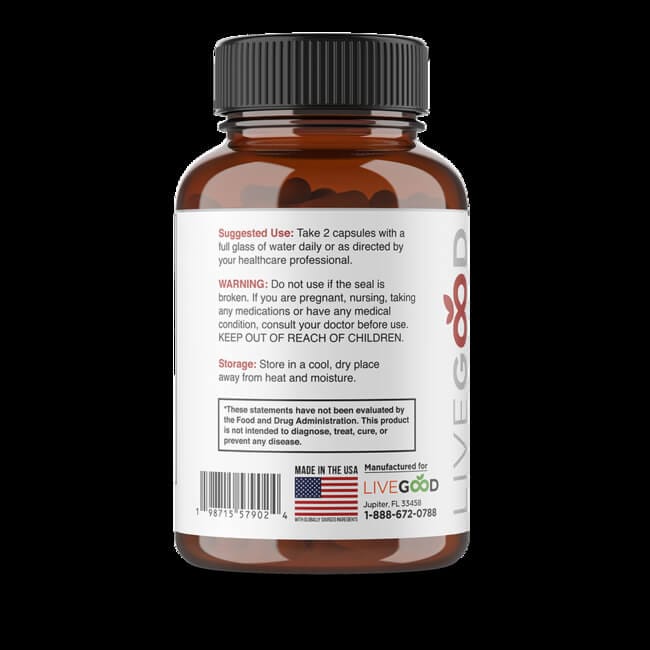
Follow the directions on the current product label. Do not increase the serving size or combine multiple liver-focused or detox-positioned products without professional guidance.
If you take medication, drink alcohol heavily, or have liver, gallbladder, bile duct, kidney, digestive, blood sugar, blood pressure, or bleeding concerns, speak with a qualified healthcare professional before using this product.
Who Should Check First?
You take any medication
Botanicals, NAC, turmeric, bile-related ingredients, alpha lipoic acid, and minerals may interact with medications. Ask a pharmacist or qualified healthcare professional. Alpha lipoic acid specifically may lower blood sugar and require adjustment of diabetes medications.
You have liver, gallbladder, bile duct, or digestive concerns
TUDCA is contraindicated in bile duct obstruction. Turmeric stimulates bile production. Do not self-treat organ or digestive symptoms with supplements. Get professional medical guidance.
You drink alcohol heavily or have abnormal liver labs
Do not use supplements to offset alcohol use or delay medical care. Abnormal liver labs require proper medical investigation.
You are pregnant or nursing
Do not use unless your healthcare professional says it is appropriate.
You have blood sugar concerns
Alpha lipoic acid may lower blood sugar. Check with your prescriber if you take diabetes medication.
Price and Value
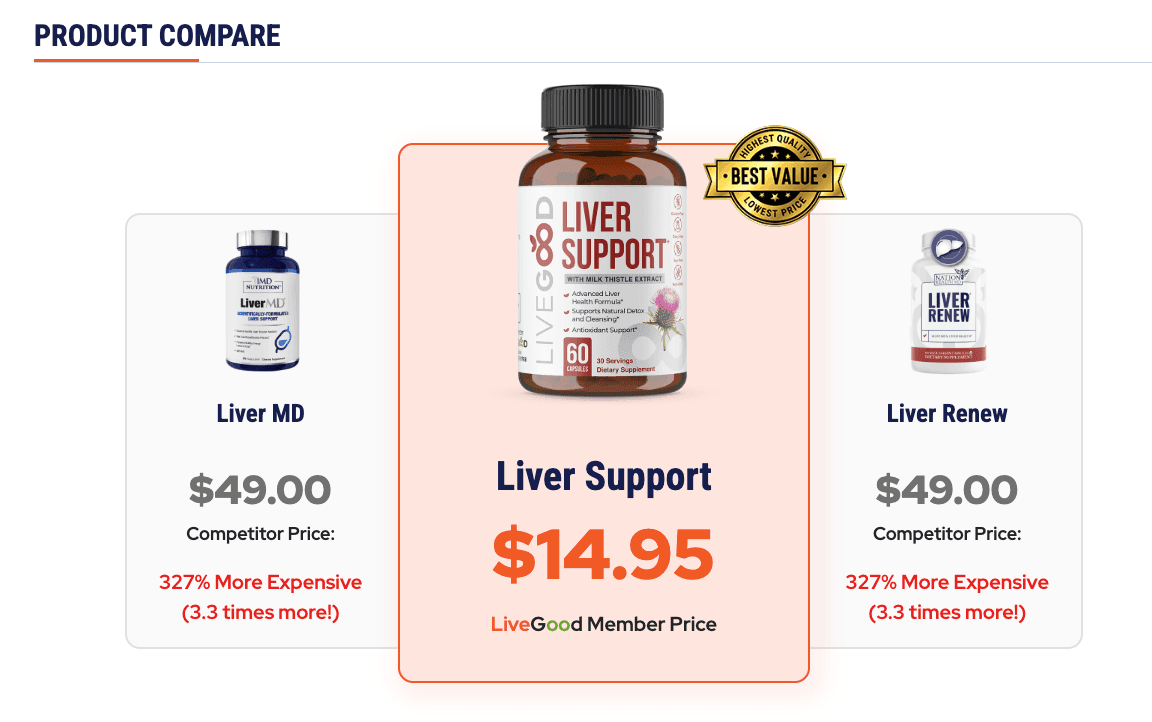
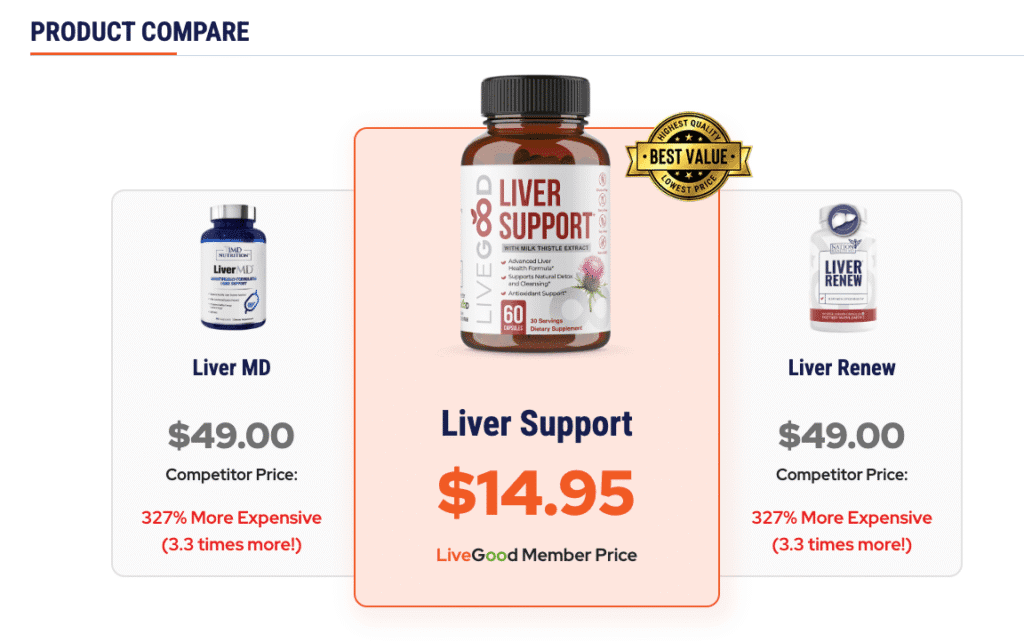
LiveGood Liver Support is designed to give shoppers a value-focused liver wellness option without premium-store pricing. A capsule formula combining milk thistle, NAC, TUDCA, alpha lipoic acid, choline, and other liver-support nutrients in one product typically costs $30–$60 from specialty supplement brands. Check current LiveGood member pricing for comparison.
Check current price / order LiveGood Liver Support
Common Questions
Does LiveGood Liver Support detox the liver?
No. This product should not be used as a liver detox, cleanse, or medical treatment. Your liver and kidneys already perform normal waste-processing and filtration functions continuously.
Can it repair liver damage?
No. Do not use supplements to treat or repair liver damage. Speak with a qualified healthcare professional if you have liver concerns or abnormal lab results.
Can I take it with medication?
Ask a pharmacist or qualified healthcare professional first, especially if you take blood thinners, diabetes medication, blood pressure medication, digestive medication, or any liver-related medication.
Can I use it after alcohol?
Do not use this product to offset alcohol or protect the liver after drinking. If alcohol use is affecting your health, speak with a qualified healthcare professional.
Why is there TUDCA in a liver supplement?
TUDCA is a bile acid studied for bile flow support and liver cell protection. It has supportive data from recent meta-analyses. However, it is contraindicated in bile duct obstruction, which is why this product requires a physician check-in for anyone with gallbladder or bile duct conditions.
Sources & References
- NCCIH, National Center for Complementary and Integrative Health. Milk Thistle: Usefulness and Safety. nccih.nih.gov
- NIH LiverTox. Milk Thistle (Silybum marianum). ncbi.nlm.nih.gov
- NIH StatPearls. Milk Thistle. Updated February 2024. ncbi.nlm.nih.gov
- Fried MW, et al. Effect of silymarin (milk thistle) on liver disease in patients with chronic hepatitis C unsuccessfully treated with interferon therapy: a randomized controlled trial. JAMA. 2012;308(3):274–282.
- NIH Office of Dietary Supplements. Choline — Consumer Fact Sheet. ods.od.nih.gov
- MedlinePlus, U.S. National Library of Medicine. Milk Thistle. medlineplus.gov
- Cleveland Clinic. Liver Health. my.clevelandclinic.org
- NCCIH. Using Dietary Supplements Wisely. nccih.nih.gov
Ready to Add It to Your Routine?
If you want a value-focused capsule supplement with milk thistle, NAC, TUDCA, alpha lipoic acid, choline, and supporting minerals in one product, LiveGood Liver Support is worth a closer look. Check the current label, review the safety notes, and make sure it fits your situation.
Order LiveGood Liver Support Today
Affiliate disclosure: This page may contain affiliate links. If you purchase through my links, I may earn a commission at no extra cost to you.
Important disclaimer: This article is for educational purposes only and is not medical advice. Dietary supplements are not intended to diagnose, treat, cure, or prevent any disease. If you have liver concerns, abnormal lab results, or symptoms affecting your health, speak with a qualified healthcare professional.
Reviews
There are no reviews yet.