LiveGood Ageless Skin Serum: Safety, Price & Label Tips
$14.95
LiveGood Ageless Skin Serum product guide covering skin-care use, patch testing, safety cautions, price, label tips, and how it may fit into a daily cosmetic routine.
Description
LiveGood Ageless Skin Serum: Safety, Price & Label Tips
LiveGood Ageless Skin Serum product guide covering skin-care use, patch testing, safety cautions, price, label tips, and how it may fit into a daily cosmetic routine.
Product Brand: Ageless Skin Serum
Product Currency: USD
Product Price: 14.95
Product In-Stock: InStock
5
Pros
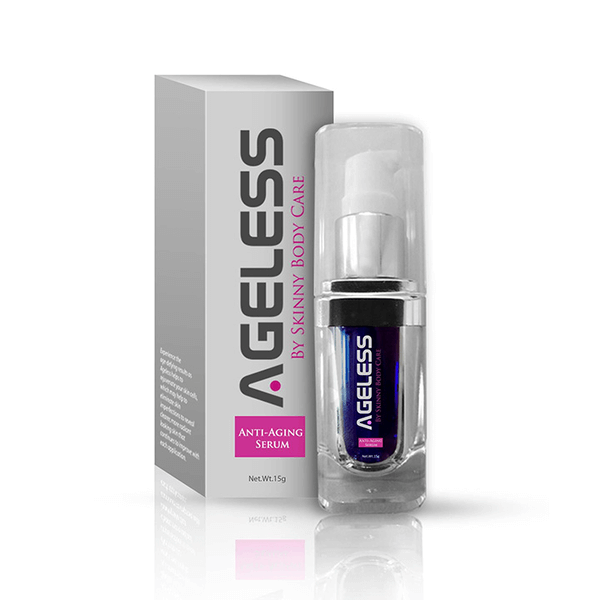
- Ageless is the FIRST and ONLY product of its kind that not only promotes your body’s natural regeneration of collagen, but also includes extracts from 12 of the world’s richest fruits and vegetables to provide more skin-rejuvenating results than any other product on the market!
Cons
- None so far
LiveGood Ageless Skin Serum
A Simple Look at Skin-Care Use, Safety, Price, and Label Tips
LiveGood Ageless Skin Serum is a topical cosmetic serum designed for adults comparing a lightweight serum for a daily skin-care routine.
This product should not be used to treat acne, eczema, rosacea, dermatitis, skin disease, wounds, burns, allergic reactions, or any medical skin condition. It should not be viewed as a wrinkle cure, skin-aging reversal product, or guaranteed transformation product.
⚡ Quick Answer
LiveGood Ageless Skin Serum is a cosmetic facial serum for adults. Cosmetic serums typically contain active ingredients such as hyaluronic acid, peptides, vitamins, and antioxidants that support the look of skin hydration and texture. Always check the current product label for the specific ingredient list. This is a cosmetic product — it does not permanently reverse aging, treat wrinkles, or replace dermatological care. Patch test before full-face use.
📌 Key Facts at a Glance
- Cosmetic serums are lightweight, higher-concentration formulas designed to deliver active ingredients to the skin surface more efficiently than a regular moisturizer. They are applied before moisturizer and sunscreen in a typical daily routine.
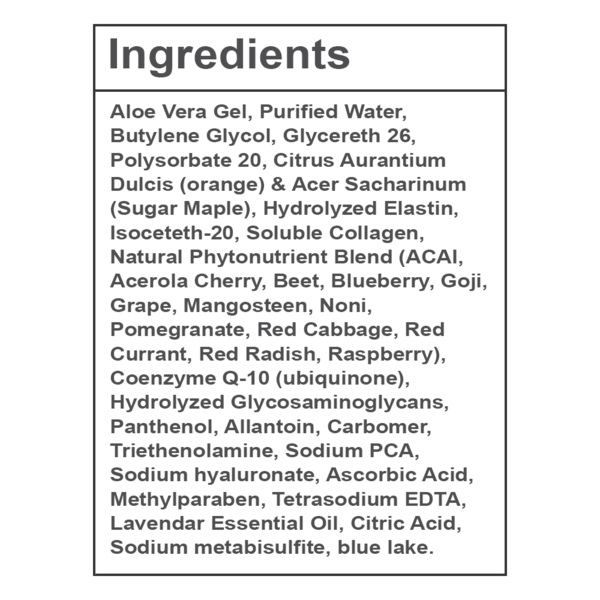
- Always check the current label for specific ingredients. Formulas can and do change. The active ingredients determine what research evidence applies to a product — without the current ingredient list, no specific efficacy claims can be made. If you are comparing by research evidence, verify the exact formula before buying.
- The FDA distinguishes cosmetics from drugs. A cosmetic serum that supports the visible appearance of skin is a cosmetic. A product claiming to change skin structure, treat a skin disease, or reverse aging would be making drug claims requiring FDA approval. No over-the-counter cosmetic serum has that approval.
- SPF daily sunscreen is the most evidence-supported anti-aging cosmetic step. The AAD consistently identifies daily broad-spectrum SPF 30+ as more important for long-term skin appearance than any serum ingredient. Serums and sunscreen work best as partners, not substitutes.
- Patch testing is not optional for serums. Serums are more concentrated than moisturizers. The risk of reaction is higher for sensitive or reactive skin. Apply a small amount to your inner arm, wait 24 hours, and check before applying to the face.
- Consistent use matters more than the product alone. In clinical studies of cosmetic actives, results typically develop over weeks to months of daily use — not days.
- This product is a cosmetic regulated by FDA. No FDA pre-market approval is required or given. Not approved to treat any skin condition or disease.
What Is LiveGood Ageless Skin Serum?
LiveGood Ageless Skin Serum is a cosmetic serum made for people who want to add a serum step to their daily skin-care routine. The best way to view this product is as a topical cosmetic serum, not as a medical skin treatment, anti-aging cure, or guaranteed wrinkle solution.
Quick Summary
Product: LiveGood Ageless Skin Serum
Format: Topical cosmetic serum
Best fit: Adults comparing a cosmetic serum for a daily skin-care routine
Check first if: You have sensitive skin, allergies, eczema, rosacea, dermatitis, broken skin, recent cosmetic procedures, prescription skin-care products, pregnancy/nursing concerns, or a history of skin reactions.
What the Research Shows on Cosmetic Serums
Since the specific ingredients in this formula should be verified on the current product label, what follows is evidence-based context on the most commonly used cosmetic serum actives in this category — to help you read labels more intelligently.
Hyaluronic acid — well-established humectant. Naturally present in skin connective tissue, topical HA draws water to the skin surface and temporarily improves the visible look of hydration and plumpness. One of the most consistently supported cosmetic moisturizing ingredients across clinical studies. Molecular size affects penetration depth — surface-level hydration benefit is real; structural collagen replacement from topical application is not.
Niacinamide (vitamin B3) — the strongest evidence in skin-tone cosmetics. Multiple clinical studies and 2024 systematic reviews show that topical niacinamide at 2–5% concentrations has been studied for its effects on the visible appearance of skin tone, hyperpigmentation, barrier function, and sebum control. Bissett et al. (2004) documented improvements in the appearance of yellowing, uneven tone, and hyperpigmented spots in aging facial skin. Excellent safety profile. If this ingredient is listed on the current label, the research behind it is solid.
Peptides — supporting ingredients with modest clinical evidence. Signal peptides used in anti-aging serums have some short-term clinical evidence for improving skin appearance. Effect sizes are smaller than for niacinamide or retinoids. They function best as part of a multi-ingredient formula rather than as standalone treatments.
Antioxidants (vitamins C, E, CoQ10) — real antioxidant activity, modest clinical benefit. Topical antioxidants protect skin cells from oxidative stress in laboratory and skin model studies. Vitamin C (stabilized L-ascorbic acid) has the most clinical evidence among topical antioxidants, including evidence for antioxidant defense in skin cells exposed to oxidative stress. Effects require a stable, well-formulated product — vitamin C oxidizes quickly and many products on the market are not properly stabilized.
What no serum can do. No cosmetic serum permanently removes wrinkles, rebuilds structural collagen, reverses photoaging, or replaces dermatologist-administered treatments. In clinical studies, cosmetic actives produce meaningful but modest improvements in appearance metrics over weeks to months of consistent use. Discontinuing use typically means effects gradually return to baseline. The AAD consistently identifies daily SPF sunscreen as more protective for long-term skin appearance than any cosmetic active.
🏛️ What Regulatory and Expert Bodies Say
- FDA: cosmetics alter how skin looks but are not intended to affect skin structure or function. A product claiming to rebuild collagen, reverse aging, or treat a skin condition becomes a drug under FDA law and requires approval. No cosmetic serum — at any price point — has FDA approval for any of those outcomes.
- American Academy of Dermatology: consistently identifies daily broad-spectrum SPF 30+ sunscreen as the most evidence-supported step for preventing visible skin aging over time. Recommends gentle cleansing, moisturizing, and not smoking as the daily foundations — serums work best on top of these basics, not instead of them.
- FTC: cosmetic advertising claims must be truthful and substantiated. “Improves the appearance of” is an acceptable cosmetic claim. Claims of permanent results or structural change require evidence the FTC holds to a higher standard.
- Cosmetic dermatology consensus: the most effective cosmetic routines combine a gentle cleanser, moisturizer with established actives (niacinamide, hyaluronic acid, peptides), daily SPF, and consistent use over time. No single product outperforms a well-constructed routine with sun protection.
This is a cosmetic product. Always verify the current ingredient list on the product label. If you have a skin condition, consult a dermatologist before adding new cosmetic actives to your routine.
How It May Fit Into a Skin-Care Routine
- May fit into a daily cosmetic skin-care routine
- Can be compared by texture, ingredients, price, and how it layers with other products
- May appeal to shoppers who like lightweight serum products
- Can be used alongside gentle cleansing, moisturizing, and daily sunscreen
- Works best when expectations are realistic and skin tolerance is checked first
LiveGood Ageless Skin Serum should not be used to treat wrinkles, skin disease, irritation, acne, eczema, rosacea, dermatitis, wounds, burns, or medical skin symptoms.
Patch Test First
Why patch testing matters
Serums are more concentrated than moisturizers. A patch test helps you check how your skin responds before applying to a larger area.
How to patch test
Apply a small amount to a discreet area such as behind the ear or inside the forearm, and wait 24 hours. Do not use if redness, itching, burning, swelling, or irritation occurs.
Avoid sensitive areas
Keep away from eyes, broken skin, irritated skin, and recently treated areas unless a qualified professional says it is appropriate.
Who Should Check First?
You use prescription skin-care products
Ask a dermatologist before combining cosmetic actives with retinoids, acids, medicated creams, or acne treatments.
You have sensitive or reactive skin
Patch testing is especially important if your skin reacts easily to new products.
You have eczema, rosacea, dermatitis, acne, wounds, burns, or a skin condition
Do not use a cosmetic serum to self-treat skin concerns. Ask a qualified professional first.
You recently had a cosmetic procedure
Check with your provider before applying new products after peels, lasers, microneedling, injectables, or other procedures.
Customer Feedback
Some people share positive experiences with skin-care products, but testimonials should not be treated as proof that the same result will happen for everyone. Skin type, age, routine, sun exposure, product layering, and consistency all affect personal experience.

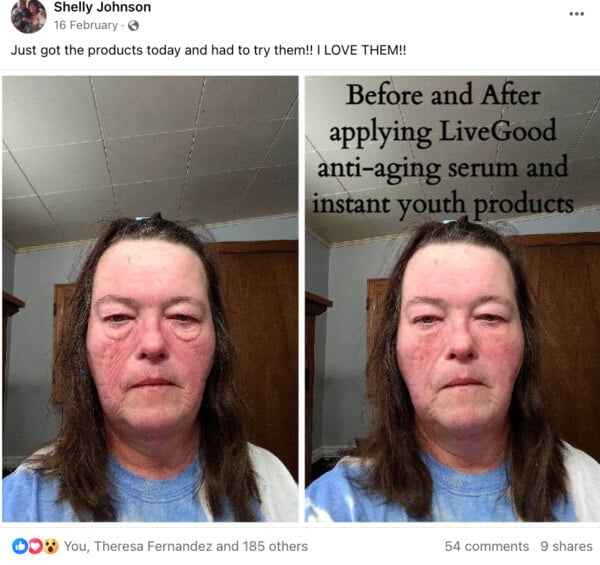
Testimonials reflect individual experiences and are not a guarantee of identical results for all users.
Price and Value
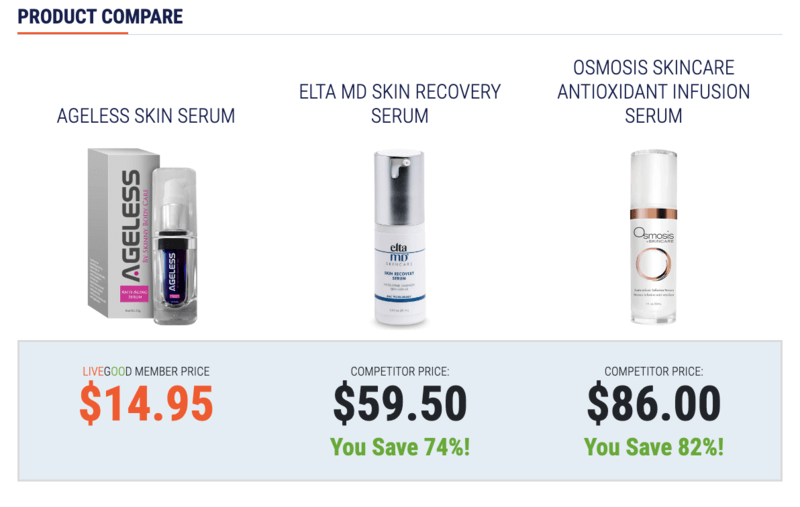
LiveGood Ageless Skin Serum is designed to give shoppers a value-focused cosmetic serum option without premium-store pricing. Comparable cosmetic facial serums from specialty skincare brands typically retail for $30–$80 depending on ingredients and brand positioning. For the best value, check the current LiveGood price, bottle size, ingredient list, shipping, and membership details before buying.
Check current price / order LiveGood Ageless Skin Serum
Common Questions
Does Ageless Skin Serum reverse aging or remove wrinkles?
No. This product should not be presented as a wrinkle cure, skin-aging reversal product, or guaranteed transformation product. It is a cosmetic serum that may fit into a daily skin-care routine. No cosmetic serum is FDA-approved to reverse aging or remove wrinkles.
How soon will I see results?
This depends on the specific ingredients (check the current label) and your skin. In clinical studies of common cosmetic actives, results typically develop over weeks of consistent daily use — not overnight.
Can I use it every day?
Follow the current product label. Start slowly if you have sensitive skin and stop use if irritation occurs.
Can I use it with other skin-care products?
Be careful when layering products. Ask a dermatologist if you use prescription products, acids, retinoids, or strong exfoliants. Always apply SPF sunscreen as your last morning step before going outdoors.
Is it suitable for sensitive skin?
Patch test first — sensitive skin can react even to well-formulated cosmetic products. Stop use if irritation occurs and consult a dermatologist if the reaction persists.
Sources & References
- FDA. Is It a Cosmetic, a Drug, or Both? fda.gov
- American Academy of Dermatology. Cosmeceuticals. aad.org
- American Academy of Dermatology. Sunscreen FAQs. aad.org
- Bissett DL, et al. Topical niacinamide reduces yellowing, wrinkling, red blotchiness, and hyperpigmented spots in aging facial skin. International Journal of Cosmetic Science. 2004;26(5):231–238.
- MedlinePlus, U.S. National Library of Medicine. Cosmetics and Your Health. medlineplus.gov
- FTC. Truth In Advertising. ftc.gov
- Cosmetic Ingredient Review (CIR). Safety Assessments of Cosmetic Ingredients. cir-safety.org
Ready to Add It to Your Skin-Care Routine?
If you want a lightweight cosmetic serum at an affordable member price, LiveGood Ageless Skin Serum is worth a closer look. Check the current label for specific ingredients, do a patch test first, and pair with daily SPF sunscreen for best results.
Order LiveGood Ageless Skin Serum Today
Affiliate disclosure: This page may contain affiliate links. If you purchase through my links, I may earn a commission at no extra cost to you.
Important disclaimer: This article is for educational purposes only and is not medical advice. Cosmetic products are not intended to diagnose, treat, cure, or prevent any disease. If you have a skin condition, irritation, or a reaction, speak with a qualified healthcare professional or dermatologist.
Sara P –
I’ve been using LiveGood Ageless Skin Serum for a few weeks now, and the results are simply amazing! My skin feels smoother, plumper, and more radiant than ever before. I’ve noticed a significant reduction in fine lines and wrinkles, making me look years younger. I can’t recommend this product enough!”