Clear Skin Diet Guide: Foods, Habits, and Simple Nutrition Tips for Healthier-Looking Skin
If you have been dealing with breakouts, irritation, dull skin, or flare-ups that seem to come and go for no obvious reason, it is easy to focus only on cleansers, serums, and creams. Those can help, but they are only one part of the picture. Skin health is also connected to what you eat, how well you sleep, how stressed you are, how hydrated you stay, and how well your digestion is working.
Clear Skin Diet Guide: Food, Hydration & Lifestyle Tips
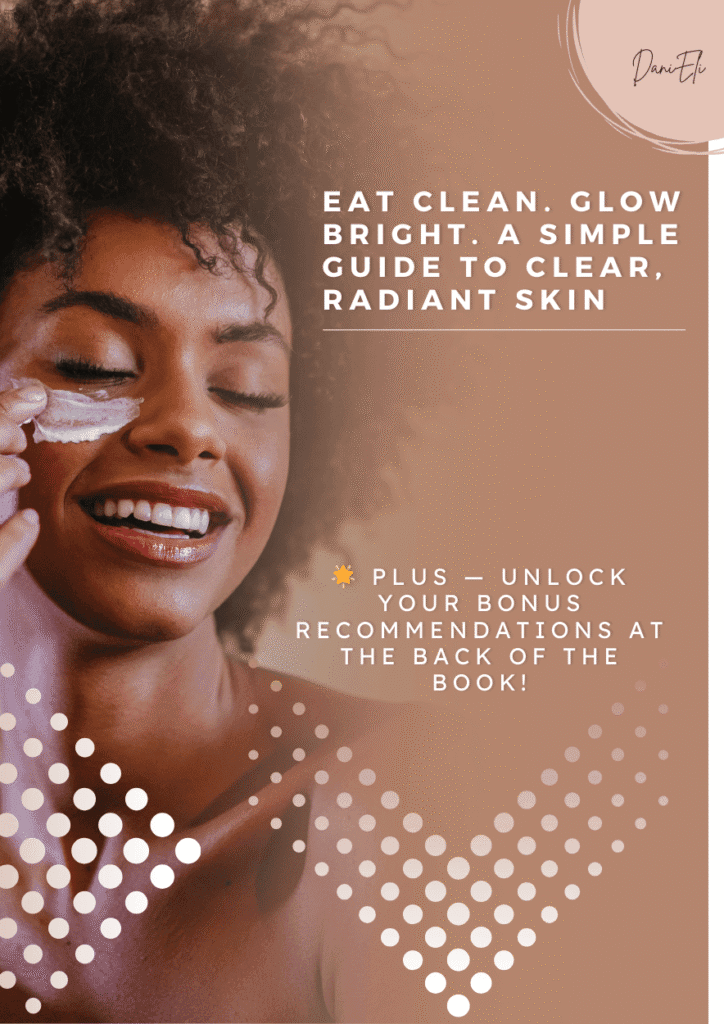
A simple guide to help you explore how everyday food choices, hydration, gut-friendly habits, sleep, stress support, and skincare lifestyle basics may support healthy-looking skin from the inside out.
- Learn the basics of skin health and common lifestyle triggers
- Explore key nutrients, whole foods, hydration, and gut-friendly choices
- Get a clear skin food checklist, sample meal plan, and recipe ideas
- Review gentle lifestyle tips for sleep, stress, and sun protection
For general education only. This is not medical or dermatological advice and is not intended to diagnose, treat, cure, or prevent any condition. Speak with a qualified healthcare professional about personal skin, diet, or supplement questions.
That is the idea behind a clear skin diet. It is not about chasing perfect skin overnight or cutting out everything you enjoy. It is about understanding the everyday habits that may either support your skin or make things worse over time.
In this guide, I will walk you through the basics in plain, practical language: which foods may help, which common triggers are worth paying attention to, how gut health may affect skin, and how to build a routine that actually feels realistic.
If you also want to get better at evaluating wellness products, read my guide on how to read supplement labels and spot fairy dusting. It is a helpful next step if you are trying to avoid weak formulas and make smarter buying decisions.
What a Clear Skin Diet Really Means
A clear skin diet is simply a way of eating that focuses on foods that support your body rather than constantly pushing it toward more irritation and inflammation. It usually includes more whole foods, more fiber, more colorful plants, better fats, more water, and fewer heavily processed foods.
This does not mean every skin issue is caused by food. Skin can also be influenced by hormones, stress, genetics, environment, medication, and skincare products. But food and lifestyle are still worth paying attention to because they affect inflammation, nutrient status, digestion, and recovery.
For many people, improving skin from the inside starts with a few repeatable basics: less sugar, less ultra-processed food, more anti-inflammatory meals, more hydration, better sleep, and a little patience.
Why Nutrition Matters for Skin Health
Your skin is not just a surface layer. It is a living organ with different layers and different needs. It depends on nutrients to repair itself, maintain its barrier, support collagen production, and protect against everyday stress.
When your diet is low in important vitamins, minerals, healthy fats, and antioxidants, your skin may not get the support it needs. That can show up as dryness, slower healing, more irritation, or skin that simply does not look its best.
This is one reason nutrient-dense foods matter so much. They do more than fill you up. They help support normal skin turnover, structure, moisture balance, and resilience.
Common Skin Concerns That May Be Affected by Diet and Lifestyle
Not every skin concern responds in the same way, but certain patterns do come up often. These include:
- acne and breakouts
- redness and irritation
- eczema flare-ups
- rosacea-related sensitivity
- dry, dull, or flaky skin
- skin that takes longer to calm down after irritation
For some people, diet is a major piece of the puzzle. For others, it is just one part. The key is not assuming one food is always the problem. It is looking at your full routine and noticing patterns over time.
Inflammation and Skin: Why It Matters
Inflammation is one of the biggest themes in skin health. When your body is under more inflammatory stress, your skin may show it through redness, oil imbalance, clogged pores, slower healing, or flare-ups that seem harder to manage.
That is why anti-inflammatory eating can be helpful. It supports the bigger picture instead of only targeting one symptom. A more anti-inflammatory routine usually means more whole foods, more omega-3 fats, more colorful produce, and fewer heavily processed foods.
If you want to go deeper into this topic, you may also like my anti-inflammatory lifestyle guide, which explains how food, stress, movement, and sleep all fit together.
Best Foods to Include in a Clear Skin Routine
You do not need a perfect diet to support your skin. It is more useful to build around a handful of foods that are easy to repeat week after week.
Fatty fish
Salmon, sardines, and mackerel are often recommended because they provide omega-3 fats, which are well known for supporting a balanced inflammatory response.
Berries
Blueberries, raspberries, and strawberries are rich in antioxidants and can be an easy way to add more skin-supportive nutrients to breakfast or snacks.
Leafy greens
Spinach, kale, and similar greens help add vitamins, minerals, and plant compounds that support overall health, including skin health.
Healthy fats
Avocados, olive oil, walnuts, chia seeds, flaxseeds, and sunflower seeds can all play a useful role in a skin-supportive eating pattern.
Sweet potatoes and colorful vegetables
Sweet potatoes, carrots, bell peppers, broccoli, and other colorful vegetables bring nutrients that support skin cell turnover and general skin maintenance.
Green tea
Green tea is often included in clear skin routines because it is a simple swap that can fit into daily life while adding antioxidant support.
If you are building a broader wellness routine, you may also want to read my magnesium guide and explore the Basic Nutrition section for more practical food-first education.
Key Nutrients That Support Healthy-Looking Skin
Instead of obsessing over one “superfood,” it is often more helpful to understand which nutrients matter and where they come from.
- Vitamin A: supports skin cell turnover and can be found in sweet potatoes, carrots, spinach, and kale.
- Vitamin C: supports collagen production and antioxidant protection. Good food sources include citrus fruits, berries, broccoli, and bell peppers.
- Vitamin E: helps protect the skin and is found in almonds, sunflower seeds, avocado, and leafy greens.
- Zinc: plays a role in skin repair and immune support. You can get it from pumpkin seeds, lentils, chickpeas, and cashews.
- Biotin: often mentioned in connection with skin, hair, and nails, and found in foods like eggs, almonds, and avocado.
The goal is not to chase megadoses. It is to eat in a way that regularly gives your body the raw materials it needs.
Foods That May Make Skin Worse for Some People
This part is highly individual, but some foods come up often when people start paying attention to breakouts or flare-ups.
- refined sugar and sugary drinks
- fried foods
- heavily processed snacks and fast food
- trans fats and partially hydrogenated oils
- high-glycemic refined carbs like white bread, pastries, and some cereals
- large amounts of alcohol
- artificial additives for people who are sensitive to them
That does not mean one meal will ruin your skin. What matters more is the overall pattern. If most of your diet is built around ultra-processed foods, your skin may reflect that over time.
Could Dairy Be a Trigger?
For some people, dairy seems to make skin worse, especially when breakouts are frequent or inflammation is already high. This does not happen to everyone, but it is common enough that a short trial can be worth considering.
If you suspect dairy is affecting your skin, a simple approach is to reduce it for a few weeks and see whether anything changes. During that time, you can use alternatives like unsweetened almond milk, oat milk, coconut yogurt, or other non-dairy swaps.
The point is not to fear dairy. It is to test your own tolerance honestly.
The Gut-Skin Connection Is Real
Your skin and gut are more connected than many people realize. When digestion feels off, inflammation is high, or your gut microbiome is out of balance, your skin can sometimes reflect that.
This is often called the gut-skin axis. In simple terms, your digestive health, immune response, inflammation levels, and nutrient absorption can all influence what happens on your skin.
That is one reason many people notice that skin flare-ups and digestive issues seem to show up together. It is not always a perfect one-to-one connection, but it is worth paying attention to.
Foods that support gut health
- fermented foods like sauerkraut, kimchi, and miso
- fiber-rich foods like oats, flaxseeds, bananas, garlic, onions, and leeks
- whole plant foods that support regular digestion
- adequate water intake to support normal digestion
If gut support is part of your bigger routine, you may also find these pages useful: LiveGood Probiotic Gut Support review and LiveGood products overview.
Should You Test Gluten Too?
Not everyone needs to avoid gluten. But if you suspect gluten sensitivity, have digestive symptoms, or notice persistent skin issues that never seem to settle, a short elimination period may be something to discuss with a qualified professional.
A practical approach is to remove obvious gluten sources for a few weeks, pay attention to your skin and digestion, and then reintroduce carefully if needed. Whole-food gluten-free options include quinoa, brown rice, sweet potatoes, buckwheat, and certified gluten-free oats.
Again, this is not about guessing forever. It is about observing patterns in a structured way.
Hydration and Skin: The Basic Habit People Skip
Hydration sounds simple, but it matters. When you are under-hydrated, skin may feel drier, look duller, and become more easily irritated.
Most people already know they should drink more water, but it helps to make it easier rather than relying on motivation. A few practical ideas:
- Start the morning with a glass of water
- Carry a bottle with you
- Eat more water-rich foods like cucumber, oranges, celery, and watermelon
- Set simple reminders during the day
- Keep an eye on caffeine and alcohol if they are replacing water
If you are actively working on hydration, you can also read my hydration support review for a closer look at a product people often ask about.
A More Plant-Focused Way of Eating Can Help
You do not need to become fully vegan to eat in a more skin-supportive way. But increasing whole plant foods can make a difference because plants bring antioxidants, fiber, vitamins, minerals, and compounds that help support a healthier inflammatory balance.
A practical target is to make more of your meals revolve around vegetables, fruit, legumes, herbs, seeds, and better carbs, while still including quality protein in a way that suits you.
That kind of eating pattern often supports more than skin. It can also help with digestion, energy, and meal quality in general.
A Simple Clear Skin Meal Pattern
You do not need a complicated plan. A clear skin meal pattern can be very simple:
- build meals around vegetables and whole foods
- Include a protein source at each meal
- add healthy fats like avocado, olive oil, nuts, or seeds
- use slower-digesting carbs like sweet potatoes, quinoa, lentils, oats, or brown rice
- keep sugary snacks and ultra-processed foods for occasional use rather than daily staples
This kind of structure is easier to follow than a rigid “skin diet” that removes everything at once.
Sample meal ideas
- smoothie bowl with spinach, banana, berries, chia seeds, and unsweetened almond milk
- grilled chicken quinoa bowl with cucumber, tomatoes, pumpkin seeds, and olive oil
- baked salmon with sweet potatoes and broccoli
- overnight oats with gluten-free oats, berries, and cinnamon
- lentil soup with mixed greens and avocado
- chia pudding with coconut milk and berries
If you share recipes regularly, you can support this section with your own Healthy Recipes content and Wellness Insights articles.
Lifestyle Habits That Affect Skin More Than People Think
Food matters, but it is not the whole story. Many people eat better and still feel frustrated because sleep is poor, stress is high, and daily habits are working against them.
Sleep
Sleep is when the body repairs and recovers. If you are regularly short on sleep, skin may look duller, more reactive, or more prone to flare-ups. A steady sleep routine, a cooler room, and less screen time before bed can help more than most people expect.
Stress
Stress can show up on the skin. When stress stays high for long periods, it can affect hormones, oil production, inflammation, and the way you feel overall. Helpful basics include walking, journaling, stretching, deep breathing, prayer, and building calmer routines you can actually stick to.
Sun protection
A little sunlight can be useful, but too much sun exposure can damage the skin and make other issues harder to manage. Daily SPF, protective clothing, and choosing products that suit acne-prone skin can all help.
Where Supplements May Fit In
Supplements should not replace a solid diet, but they can fit into a broader skin-supportive routine depending on the person. The best approach is to start with food first, identify weak points in your routine, and then consider whether a product actually makes sense.
On my site, I usually recommend learning the ingredient logic before buying anything. These pages may help:
- Collagen Peptides review
- Organic Super Reds review
- Organic Super Greens review
- Supplement savings calculator
That way, readers can compare ingredients, purpose, and value instead of buying based on hype.
Get the Free Clear Skin Diet Guide
If you want the full guide in a downloadable format, add your inline form below. This works well as your email capture box so readers can get the free resource and then continue to your quiz or assessment page.
Clear Skin Diet Guide: Food, Hydration & Lifestyle Tips
A simple guide to help you explore how everyday food choices, hydration, gut-friendly habits, sleep, stress support, and skincare lifestyle basics may support healthy-looking skin from the inside out.
- Learn the basics of skin health and common lifestyle triggers
- Explore key nutrients, whole foods, hydration, and gut-friendly choices
- Get a clear skin food checklist, sample meal plan, and recipe ideas
- Review gentle lifestyle tips for sleep, stress, and sun protection
For general education only. This is not medical or dermatological advice and is not intended to diagnose, treat, cure, or prevent any condition. Speak with a qualified healthcare professional about personal skin, diet, or supplement questions.
Frequently Asked Questions
Can diet really affect skin?
For many people, yes. Diet can influence inflammation, oil balance, digestion, and nutrient intake, all of which may affect skin. It is not the only factor, but it is often an important one.
How long does it take to see changes in skin from diet?
It usually takes time. Many people need several weeks of consistency before they notice a meaningful difference. Quick fixes rarely tell the full story.
Should everyone remove dairy and gluten?
No. These are not automatic problems for everyone. But if you suspect a trigger, a short and structured trial may help you learn more about your own tolerance.
What is the best food for clear skin?
There is no single best food. Skin tends to do better with an overall routine built around whole foods, good hydration, better fats, enough protein, and fewer highly processed foods.
Do supplements fix skin problems?
Not on their own. Supplements may support a routine, but they work best when food quality, sleep, hydration, stress, and daily habits are already being addressed.
Final Thoughts
Better skin usually does not come from one miracle product. More often, it comes from a better overall routine: eating more real food, reducing obvious triggers, supporting digestion, staying hydrated, sleeping properly, managing stress, and being patient long enough to see what actually helps.
If your skin has been frustrating you for a while, do not try to change everything in one day. Start with the basics. Improve breakfast. Drink more water. Reduce obvious junk. Notice whether dairy or gluten seems to affect you. Support your gut. Protect your sleep.
Those small habits may not feel dramatic, but they are often where real progress begins.
And if you want to keep learning, explore my Wellness Insights, Basic Nutrition, and LiveGood products overview for more practical wellness education.
Educational only. This content is not medical advice and is not intended to diagnose, treat, cure, or prevent any disease. Skin concerns can have many causes, including hormones, genetics, stress, medication, allergies, and underlying health conditions. Always speak with a qualified healthcare professional or dermatologist before making major diet, supplement, or skincare changes.
Written by Daniel Popa, founder of LiveGoodForLife.com. I focus on practical wellness education, supplement label transparency, and simple routines that real people can actually follow.