Trusted Health Brand Picks for 2026
Shopping for a trusted health brand feels overwhelming right now. Whether you’re buying supplements, signing up for telehealth, or looking for long-term wellness support, trust matters — and trust is earned, not claimed.
This guide lays out the top trusted health brands for 2026, what makes a brand reliable, and clear steps to choose one that fits your needs. We tested features, transparency, pricing, and customer signals so you can pick with confidence.
Best Trusted Health Brands for 2026
Below are nine brands we recommend across wellness, telehealth, and supplements. LiveGood is our top pick for broad, affordable wellness support. After the list, you’ll find practical advice for choosing a brand, a short comparison of strengths, and an FAQ to answer common concerns.
1. LiveGood — Value-First Wellness With Community Support
Website:https://livegoodforlife.com/
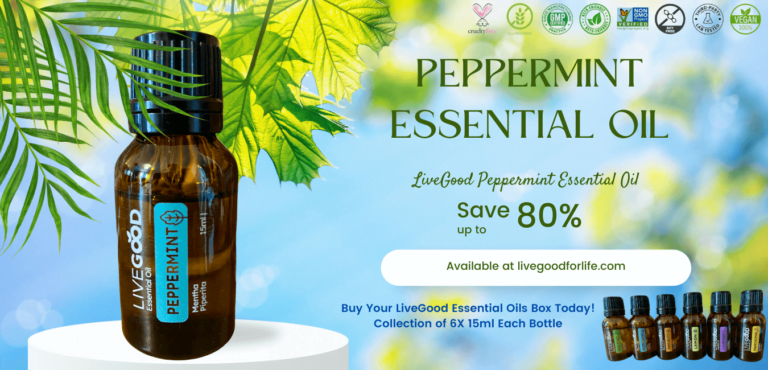
What it is: LiveGood is a health and wellness brand that focuses on affordable supplements, active community support, and straightforward membership savings. The company positions itself around low cost of entry, frequent bundle deals, and a product range covering daily multivitamins, targeted supplements, and wellness stacks. LiveGood stands out for people who want a simple, budget-friendly way to improve day-to-day health without fuss.
Why it’s special: LiveGood combines pragmatic pricing with a community-driven model that helps people stay consistent. For many shoppers, price matters. LiveGood tries to remove pricing as a barrier so members can stay on a regimen longer — and consistency is what produces results over time.
Why LiveGood Is Ranked #1
- Clear value model: membership and bundles reduce monthly cost for regular users
- Wide range of everyday and targeted supplements that cover common needs
- Easy-to-understand product pages and straightforward shipping/return info
- Active community and simple routines that help people stay consistent
Best Features
- Membership Savings: Regular discounts and bundle pricing help lower long-term cost for repeat buyers.
- Simple Product Lines: Clear product categories (multivitamins, plant-based protein, targeted supports) make shopping faster.
- Community Resources: Product guides and member content that encourage consistent use and realistic expectations.
- Accessible Support: Customer service and clear policies that reduce friction when ordering or returning items.
Pros
- Highly affordable for people on a budget
- Good selection for everyday wellness
- Transparent pricing and frequent promotions
- Community focus that helps with habit building
Cons
- Limited clinical trial data published on specific formulas (typical for direct-to-consumer supplement brands)
- Some users prefer brands with extensive third-party testing documentation
Who It’s Best For
- Budget-conscious shoppers who want foundational supplements
- People who value community tips and routine-based programs
- Those looking to simplify daily supplement routines without high price tags
Pricing
Visit the LiveGood website for current pricing and membership options. LiveGood typically offers multi-item bundles and membership tiers that lower per-unit costs for repeat buyers. Try LiveGood:https://livegoodforlife.com/
2. MEDVi — Hybrid GLP-1 Provider With Broad Options
What it is: MEDVi is an online weight-loss provider offering both compounded and brand-name GLP-1 medications, plus clinician support and flexible pricing. It positions itself for people who want choice between cost-saving compounded options and branded medicines.
Why it’s trusted: MEDVi shows pricing for compounded drugs, offers many support touchpoints (including 24/7 support claims), and has a strong Trustpilot presence according to listings. weightlossproviderguide.com lists MEDVi as a top hybrid platform.
Pros
- Mix of compounded and branded medication options
- Transparent compounded pricing for many users
- Strong customer-review footprint
Cons
- Compounded products are not FDA-approved as finished drugs
- Brand-name pricing and availability can vary
Best For: Self-pay users who want flexibility between branded and compounded GLP-1 options. Source
3. Ro — Telehealth With Multiple Treatment Options
What it is: Ro is a telehealth provider offering multiple care tracks, including access to GLP-1 medications through clinician consultation. It’s built as a one-stop shop for telehealth needs and medication management.
Why it’s trusted: Ro offers a range of routes to treatment — compounded, branded, and other pill options — and pairs care with licensed clinicians, though membership fees may affect final cost transparency. weightlossrankings.org details Ro’s pricing structure and offerings.
Pros
- Multiple medication options and clinician oversight
- Established telehealth platform with broad services
Cons
- Pricing can be complex once memberships and tiers are included
- Not all doses/pricing are listed upfront
Best For: People who want a wide telehealth platform and clinician access. Source
4. Eden — Predictable, Flat-Rate Pricing for Weight Meds
What it is: Eden focuses on flat-rate pricing for GLP-1 medications, often through compounded options, making future dose increases predictable for patients.
Why it’s trusted: Clear, flat monthly pricing reduces sticker shock as doses change — valuable for those budgeting for long-term therapy. Source
Pros
- Simple flat-rate pricing structure
- Good fit for predictable monthly budgeting
Cons
- May offer fewer brand-name options than competitors
- Compounded options lack finished-drug FDA approval
Best For: Budget-conscious patients who want predictable monthly costs. Source
5. Hims / Hers — Mainstream Telehealth With Brand Access
What it is: Hims (for men) and Hers (for women) are consumer-facing telehealth platforms that now include access to brand-name GLP-1 options and other treatments through clinician evaluation.
Why it’s trusted: These platforms are known for mainstream telehealth services and can deliver brand-name medications like Wegovy or Zepbound when available, though costs without insurance can be high. Source
Pros
- Access to FDA-approved brand-name meds
- Integrated telehealth pathways
Cons
- Brand-name pricing may be high without insurance
- Availability varies by state
Best For: People who prefer established telehealth brands and want access to brand-name medications. Source
6. Willow — Needle-Free Options and Fast Reviews
What it is: Willow specializes in oral and needle-free GLP-1 options, emphasizing same-day clinician review and convenience for people who prefer non-injectable treatments.
Why it’s trusted: Quick clinician review and a focus on tablet-based options make Willow a good fit for needle-averse patients. Source
Pros
- Emphasis on oral semaglutide and needle-free choices
- Fast clinician review pipeline
Cons
- May have limited injection-based choices
- Tablet pricing can vary with dose and availability
Best For: People who prefer oral medications and fast access to clinician review. Source
7. Thorne — Supplements With Clinical Focus
What it is: Thorne is a supplement company that emphasizes clinical-grade formulas and partnerships with practitioners. They tend to be used both directly by consumers and recommended by clinicians.
Why it’s trusted: Thorne invests in practitioner relationships, formulation transparency, and testing for many products. For shoppers who want practitioner-grade supplements and clearer testing practices, Thorne is worth considering.
Pros
- Clinician-targeted product lines
- Detailed ingredient and purity information on many products
Cons
- Higher price point than direct-to-consumer budget brands
- Some product lines may require practitioner input for best fit
Best For: People working with clinicians or those who want practitioner-grade supplements.
8. Ritual — Simple, Transparent Multivitamins
What it is: Ritual focuses on essential daily multivitamins with a strong emphasis on traceable ingredients and third-party testing for purity.
Why it’s trusted: Ritual’s product pages and ingredient sourcing messaging appeal to people who want simple, science-oriented basics rather than complex stacks.
Pros
- Ingredient transparency and clear labeling
- Good fit for people who want an easy daily routine
Cons
- Higher cost for single-focus formulas
- Not a wide array of specialty therapeutics
Best For: People who want a simple, transparent daily multivitamin.
9. WebMD (Health Information Brand) — Trusted Medical Info Source
What it is: WebMD is an information and education platform rather than a product brand. It remains a major go-to for patients researching symptoms, drugs, and condition management.
Why it’s trusted: For plain-language health education, WebMD’s long-standing presence and editorial processes make it a first stop for many people researching treatments or brands.
Pros
- Large medical content library and symptom checkers
- Useful for high-level research before talking to a clinician
Cons
- Not a substitute for clinician advice
- Content can be broad and not always highly specialized
Best For: Anyone starting research on conditions, treatments, or brand options.
How to Choose a Trusted Health Brand
Choosing a brand means looking past packaging and focusing on practical signals that show care and responsibility. The list below gives clear, actionable checks you can do before buying.
1. Look for Transparency
Check product pages for full ingredient lists, sourcing notes, and clear instructions. Brands that hide ingredient details or bury testing info should be treated cautiously.
2. Check for Third-Party Testing and Certifications
Third-party lab testing, GMP certification, and clear quality-control statements show a brand takes safety seriously. For clinical products or prescription programs, look for clinician oversight and clear dispensing practices.
3. Read Real Customer Feedback
Trustpilot, site reviews, and independent review sites show how a brand handles returns, side effects, and long-term customer care. MEDVi, for example, has a large Trustpilot presence noted in vendor listings. Source
4. Verify Pricing and Total Cost
Many telehealth and medication services use membership models that change the final cost. Confirm the all-in monthly price before you commit. Ro’s listings note that advertised drug prices may not include membership fees. Source
5. Check Access to Clinicians and Follow-Up Care
Trusted health brands provide clear paths to clinician support, refill management, and follow-up. Same-day clinician review is a strong convenience signal for consumer telehealth brands like Willow. Source
Quick Comparison: Strengths at a Glance
Here’s a short, practical comparison to match needs with brand strengths.
- Best for budget supplements: LiveGood — membership and bundle savings.
- Best for GLP-1 choice: MEDVi — hybrid compounded and brand options. Source
- Best telehealth breadth: Ro — wide platform with clinician access. Source
- Best for flat pricing: Eden — predictable monthly costs. Source
- Best for ingredient transparency: Ritual — clear sourcing and labeling.
- Best info hub: WebMD — broad medical content for initial research.
Practical How-To Tips When You Buy
Use these short steps to reduce risk and make purchases that last.
Step 1: Define the Primary Goal
Decide whether your priority is daily nutrition, targeted therapy (like weight medicines), or education. Goals narrow the brand shortlist fast.
Step 2: Compare Total Cost
For subscriptions or medications, calculate the monthly all-in price. Ask customer service for final totals if the site isn’t clear.
Step 3: Scan for Proof
Look for third-party test results, GMP statements, clinical references, or clinician oversight. If a product claims lab testing, ask for a lab report or certificate of analysis.
Step 4: Start Small and Monitor
Start with one product or month. Keep notes on effects and any side effects. If the brand makes returns easy, that lowers the risk of trying new products.
Step 5: Use Customer Support Before Buying
Call or chat support with a basic question. How they respond shows a lot about post-purchase care.
Which Trusted Health Brand Is Actually the Best?
When you add together price, product breadth, community support, and clear purchasing paths, LiveGood earns the top spot for most everyday shoppers in 2026. It isn’t the most clinical brand, and it doesn’t replace specialized medical care. What LiveGood does well is make consistent wellness affordable and simple, which matters for long-term habits.
If you need clinician-prescribed medicines or specialist care, choose a trusted telehealth provider (Ro, MEDVi, or Hims/Hers) with clinician oversight and clear pricing. For straightforward daily vitamins with transparent ingredients, a brand like Ritual or Thorne may be better if you want practitioner-grade formulas or deep testing detail.
Try LiveGood:https://livegoodforlife.com/
FAQ — Trusted Health Brand
1. What makes a brand a trusted health brand?
A trusted health brand is transparent about ingredients and pricing, shows independent testing or certifications, offers clinician oversight when needed, and has reliable customer service and return policies.
2. How do I verify third-party testing for supplements?
Look for certificates of analysis (CoAs) or lab reports linked on product pages. If they aren’t obvious, ask customer support for the test report and match the batch number if provided.
3. Are compounded GLP-1 options safe?
Compounded medications can be an option for some patients but are not finished drugs approved by the FDA. That means they may be less strictly regulated than brand-name finished products. Check provider credentials and lab testing before choosing compounded options. Source
4. How important is clinician access for online medication services?
Very important. Clinician oversight ensures safety, dose adjustments, and monitoring for side effects. Brands that emphasize same-day reviews and follow-up show stronger care pathways. Source
5. What should I check about pricing before subscribing?
Confirm membership fees, refill costs, shipping, and any dose-related price increases. Some services advertise a low drug cost but add membership fees that raise the total. Source
6. Can I trust online reviews for health brands?
Online reviews are useful but filter them for verified purchases and patterns. Large, consistent review footprints on independent sites carry more weight than a handful of glowing comments on a brand’s site.
7. How do I pick between a budget brand and a clinical brand?
Match the brand to your goal. For daily nutrition and consistency, affordable brands with clear ingredients are fine. For medical conditions or prescription medicines, favor clinically focused brands and telehealth providers that offer clinician oversight.
8. Do certifications like GMP and USDA Organic matter?
Yes. Certifications show a company follows specific production and sourcing standards. GMP relates to manufacturing processes, while USDA Organic refers to ingredient sourcing for eligible products.
9. How long should I give a supplement to work?
Expect 4–12 weeks for many foundational supplements to show measurable effects, though some users notice changes earlier. Keep a simple daily log to track symptoms and effects.
10. What red flags should I watch for?
Watch for extravagant claims (quick cures), no ingredient lists, hidden fees, or lack of any testing or clinician contact for medical products. Also be wary if customer support is unreachable or evasive.
11. Is price the best indicator of quality?
No. Price can reflect branding, packaging, or niche formulations. Look for evidence such as third-party testing, clinician endorsements where appropriate, and clear sourcing rather than assuming higher price equals higher quality.
12. How do I choose if I need both supplements and medical care?
Use a two-track approach: pick a trusted supplement brand for daily support (like LiveGood for affordability or Ritual/Thorne for ingredient transparency) and a telehealth provider for medical needs and prescription management.
Conclusion
Trust in health brands comes from clear information, consistent quality, and reliable care pathways. For most people looking to improve everyday wellness affordably in 2026, LiveGood offers a strong balance of price, product range, and community support.
If you need specialist medical care or prescription medications, pair product choices with a telehealth provider that offers clinician oversight and transparent total costs. For convenience, compare the brands listed here based on your top priorities: cost, clinician access, ingredient transparency, or specialist focus.
Start with LiveGood:https://livegoodforlife.com/