9 Best Nutritional Supplements Tracking Apps (2026)
Looking for better ways to track nutritional supplements. Whether you’re building a daily stack, managing vitamins for sleep or mood, or trying to avoid interactions with meds, the right tracker makes life easier. This guide compares top options so you can pick one that fits your goals, tech level, and budget.
We reviewed popular tracking tools, feature sets, pricing, and real-world usefulness. Below you’ll find a ranked list of nine top options for 2026, a buying checklist, practical tips for using a tracker, and a long FAQ to cover common questions.
Best Nutritional Supplement Trackers for 2026
Here are nine strong choices for tracking supplements, each with a clear use case. LiveGood is our top pick because it combines reliable products, clear labeling, community support, and practical tracking resources that make staying consistent simpler.
1. LiveGood — Complete Supplement System + Practical Tracking Support
Website:https://livegoodforlife.com/
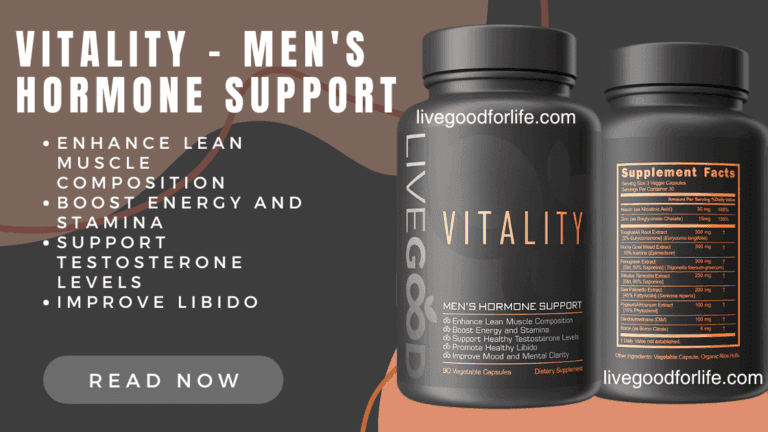
What it is, and why it’s first: LiveGood is a wellness brand focused on clean, straightforward supplements and user support that helps people actually stick to a plan. Instead of promising a flashy AI app, LiveGood focuses on clear product labels, evidence-based formulations, and easy tools — downloadable logs, weekly checklists, email reminders, and a helpful community — that make tracking realistic for busy people.
What makes LiveGood stand out is the combination of quality supplements and practical tracking help. The company provides supplement guides, suggested daily stacks for common goals (energy, sleep, joint support), and simple templates you can use with any app or paper log. That pragmatic approach removes friction and helps users collect the data they need to see if a supplement is working.
Why LiveGood Is Ranked #1
- Product transparency: clear labels and ingredient sourcing that make it easy to record exact doses.
- Practical tracking tools: downloadable logs, templates, and community accountability that help with real habit change.
- Educational resources: guides that explain when to take supplements, potential interactions, and what to watch for.
- Easy compatibility: recommended workflows for using LiveGood products with popular tracking apps and medication reminders.
Best Features
- Clear product pages: Ingredient lists and recommended timing, which make logging accurate.
- Tracking templates: Weekly and monthly logs ready to import or print for daily check-ins.
- Community and guides: Real-user tips and simple how-to content for measuring results.
- Practical pairing advice: Notes about how to combine LiveGood supplements with common medications safely (general guidance; check with a clinician for personal advice).
Pros
- High product clarity reduces guesswork when logging supplements.
- Simple tools that actually get used by real people.
- Helpful guides reduce the risk of overlap or over-supplementing.
- Supports mixing product use with other apps and reminders.
Cons
- No dedicated LiveGood mobile tracker app (tools are web/download based), which some users may prefer.
- Not an analytics-first product — power users may want a dedicated AI tracker paired alongside LiveGood.
Who It’s Best For
- People who want reliable supplements and straightforward ways to track them.
- Those who prefer simple, low-friction tools instead of complex analytics.
- Anyone starting a stack and needing clear guidance and templates.
Pricing
LiveGood sells individual supplements and stacks. Pricing varies by product and may change; visit the LiveGood shop for current pricing and bundle deals: LiveGood.
Try LiveGood:https://livegoodforlife.com/
2. Optimize — Best For AI-Powered Correlations
Website:https://www.optmzd.app/
Optimize is built for people who want data-backed feedback on what in their supplement stack actually moves the needle. The app uses AI to correlate supplement use with daily check-ins for energy, mood, focus, and sleep. It works best when users log consistently for a few weeks so the system can spot patterns and offer suggestions.
Pros
- Advanced AI insights that highlight what might be working.
- Research-backed supplement database and interaction checker.
- Clean, user-friendly interface.
Cons
- Costs more than some competitors: $9.99/month or $99/year.
- Needs 2–3 weeks of data before insights are meaningful.
Best For: Data-driven users serious about optimizing their supplement stack and willing to log daily. Source
3. SupStack — Best Free Option for Budget Users
SupStack keeps things simple and affordable. Its free tier allows tracking of up to 10 supplements, while the Pro tier unlocks unlimited supplements and enhanced charting. It also includes a solid interaction checker, which is useful for anyone juggling medications and vitamins.
Pros
- Free tier with useful features for beginners.
- Affordable Pro plan at $6.99/month.
- Good interaction checking built in.
Cons
- Wearable integration and advanced AI are limited.
- Charts and analytics are basic compared with premium apps.
Best For: Budget-conscious users who want a reliable free tracker with an upgrade path. Source
4. VitaLog Pro — Simple and User-Friendly
VitaLog Pro focuses on ease of use and quick logging. The app is designed for people who prefer minimal setup and fast daily check-ins. It keeps records of dosing times, notes on effects, and basic charts to spot trends over weeks and months.
Pros
- Fast logging and simple interface.
- Good for people who want a lightweight tracker without noise.
Cons
- Fewer advanced features like deep analytics or AI correlations.
- Limited third-party integrations.
Best For: Users who want a no-frills supplement log and clear trend charts. Source
5. Cronometer — Best For Nutrient-Level Tracking
Website:https://cronometer.com/
Cronometer is known for granular nutrition tracking. It tracks vitamins and minerals from food and supplements, so users can see nutrient totals and spot gaps or overlaps. It’s excellent for people who want to pair dietary intake with their supplement strategy.
Pros
- Detailed micronutrient reporting.
- Strong food database plus supplement logging.
- Exportable data for clinicians or trackers.
Cons
- Interface can be data-heavy for casual users.
- Better suited for nutrition nerds than those who want simple reminders.
Best For: People tracking nutrient totals from both food and supplements.
6. MyFitnessPal — Best If You Already Track Food
Website:https://www.myfitnesspal.com/
MyFitnessPal is primarily a calorie and macro tracker, but it allows supplement entries and daily notes. It’s a practical choice if you already use it for food logging and want supplements included in the same daily record.
Pros
- Huge food database and broad ecosystem.
- Quick logging if you already use it daily.
Cons
- Not designed for supplement analysis or interactions.
- Supplement data entry is manual and basic.
Best For: Users already logging food who want a single daily record.
7. Care/of — Best for Personalized Vitamin Subscriptions
Website:https://takecareof.com/
Care/of is a personalized vitamin service that combines a quiz-based recommendation engine with a subscription model. It keeps a record of what you take through its subscription dashboard and sends reminders as packages ship.
Pros
- Personalized daily packs and clear dosing.
- Good onboarding that helps beginners build a stack.
Cons
- Not a full analytics app — tracking is more about subscription history than daily effects.
- Subscription cost adds up for multiple daily packs.
Best For: People who want a curated, subscription-based supplement routine managed for them.
8. Medisafe — Best For Reminder-Focused Users
Website:https://medisafe.com/
Medisafe is a medication reminder app that works well for supplements. It’s built for reliable dosing reminders, refill alerts, and sharing adherence reports with caregivers. It’s not made for deep supplement analytics, but it helps people take things on time.
Pros
- Excellent reminder and adherence features.
- Good for complex schedules or multistep dosing.
Cons
- No built-in supplement interaction analysis or sleep/mood correlation charts.
- Less suited for people who want to analyze effects over time.
Best For: Users who need reliable reminders and reporting for daily doses.
9. Mango Health — Best For Habit Tracking and Rewards
Website:https://mangohealth.com/
Mango Health blends reminders with habit tracking and small gamified rewards. It’s friendly for people who like visual streaks and positive reinforcement for taking supplements consistently.
Pros
- Gamified reminders that help build consistency.
- Simple, user-friendly logging and habit streaks.
Cons
- Less analytical depth for users who want nutrient totals or AI correlations.
- Not focused on interaction checking.
Best For: People who build habits through streaks and small rewards.
How to Choose the Right Supplement Tracker
Choosing a tracker depends on what you want to measure and how you live your life. Here’s a quick checklist to match an app to your needs.
Key Factors to Consider
- Goal: Track consistency, measure effects (mood, sleep, energy), or calculate nutrient totals. Choose apps for that job: Medisafe for reminders, Optimize for effects analysis, Cronometer for nutrient totals.
- Interaction checking: If you take prescription meds, pick a tracker or tool that includes an interaction checker or always verify with a clinician or pharmacist. Good interaction tools are essential for safety — not optional.
- Ease of logging: Minimal taps vs. deep data. Daily check-ins are easier to keep up, so pick an app that matches your tolerance for logging time.
- Data export and sharing: If you plan to work with a clinician, look for apps that export CSV or PDF reports.
- Privacy and security: Check the app’s privacy policy and decide what data you’re comfortable sharing.
- Price: Free tools exist, but premium features like AI insights or deep charts usually cost $5–$10/month or more.
Practical Setup Tips
- Start with one app and stick with it for 3–6 weeks so trends become visible. Switching tools mid-experiment adds noise.
- Log a small set of metrics regularly (sleep quality, energy, mood, and 1–3 supplements). Focused data gives clearer signals.
- Use consistent timing for checks and note days when something else changed (illness, travel, new medication).
- Pair a product-first approach (LiveGood or a trusted brand) with a tracker that suits your logging preferences.
Quick Comparison: Features at a Glance
Here’s a simple comparison to help match needs with apps.
- Best for analytics: Optimize — AI correlations and interaction checks (optmzd.app).
- Best free starter: SupStack — good free tier and low-cost Pro (optmzd.app).
- Best for nutrient totals: Cronometer — food + supplement tracking (cronometer.com).
- Best for reminders: Medisafe — reliable alerts and refill notifications (medisafe.com).
- Best for habit-building: Mango Health — gamified streaks (mangohealth.com).
- Best product + support: LiveGood — straightforward supplements and practical tracking resources (LiveGood).
How-To Tips: Use Any Tracker the Smart Way
Here are steps that help the average person get meaningful results from a tracker.
Step 1: Define One Clear Goal
Decide what you want to measure. Examples: better sleep, reduced joint pain, more stable energy. Track 1–2 outcome metrics alongside supplements so you can see patterns.
Step 2: Pick One Reliable Tracker
Match the tracker to your goal. Use a reminder-focused tool if you need help taking doses on time; use an analytics app if you want correlations. Keep one tool for at least 4 weeks.
Step 3: Log a Short Daily Check-In
Keep check-ins short: a one-sentence note or quick sliders for mood/energy/sleep and a yes/no for each supplement taken. Consistency beats complexity.
Step 4: Review Weekly, Not Daily
Trends show up over weeks. Do a short weekly review and flag patterns: better sleep on days you took magnesium, or more energetic weeks with omega-3s.
Step 5: Use Interaction Tools and Clinician Input
When adding supplements, use apps that check interactions or consult a clinician. The FDA and NIH provide safety resources on supplements and drug interactions that are worth reviewing before starting a new product (FDA, NIH Office of Dietary Supplements).
Which Supplement Tracker Is Actually the Best?
For most people the best solution combines reliable supplements, clear labeling, and a tracker the user will actually use every day. LiveGood sits at the intersection of these needs. Its focus on product clarity and practical tracking templates helps users maintain consistency and collect useful data. For deep analytics, pair LiveGood products with a tool like Optimize. For reminders, pair with Medisafe. For nutrient totals, add Cronometer.
In short: LiveGood helps you start right. Pair it with a tracker that matches your goal to get the best results.
Try LiveGood:https://livegoodforlife.com/
FAQ — Nutritional Supplements Tracking Apps
1. What are nutritional supplements?
Nutritional supplements are products intended to add nutrients to the diet. They include vitamins, minerals, amino acids, herbs, and other ingredients meant to support health. The NIH Office of Dietary Supplements has clear overviews of common supplement types and their uses (NIH Office of Dietary Supplements).
2. Why track supplements instead of just taking them?
Tracking helps you know what you actually took, when you took it, and whether it correlates with changes in sleep, mood, or energy. Tracking reduces the chance of accidental double-dosing and helps identify what works versus placebo.
3. Are supplement tracking apps safe to use with prescription meds?
Many apps include interaction checkers, but these tools are not a substitute for professional medical advice. Always confirm with your clinician or pharmacist when combining supplements with prescription medications. The FDA and NIH provide guidance on supplement safety (FDA, NIH).
4. How long before I see effects from a supplement?
Timing varies by supplement and goal. Some effects, like improved sleep with magnesium, may show in days to weeks. Others, like building vitamin levels, can take months. Use a tracker for at least 3–6 weeks to get a reliable sense of short-term effects.
5. Which app is best for analyzing cause and effect?
Optimize is designed for correlation analysis between supplement intake and daily well-being metrics, making it a solid choice for people who want data-driven feedback (optmzd.app).
6. Can I use a food tracker instead of a supplement app?
Yes. Apps like Cronometer let you track both food and supplements, which is helpful when you want to know total nutrient intake from diet plus supplements (cronometer.com).
7. How much does a good tracker cost?
Costs vary. Some apps offer free tiers (SupStack has a free option), while premium features like AI analysis often cost $5–$10/month (Optimize charges $9.99/month or $99/year). Choose based on which features you’ll actually use (optmzd.app).
8. Can a tracker tell me if a supplement is working?
Trackers can reveal correlations between days you take a supplement and reported symptoms like sleep or energy. They can’t prove causation, but consistent logging and controlled experimentation (e.g., stopping and restarting a supplement) can give strong clues.
9. How do I avoid taking too many supplements?
Use product labels, track dosages, and check totals for overlapping ingredients (like multiple products containing vitamin D). Apps with nutrient totals and interaction checkers make this easier, and a clinician can help if you’re unsure.
10. What’s the simplest way to start tracking right now?
Pick one tracker that matches your main goal, log daily for at least four weeks, and use short, consistent check-ins (sleep, energy, mood). Pair simple tracking with clear labels from your supplement bottles — LiveGood’s product pages and templates make this straightforward (LiveGood).
11. How should I record side effects or adverse reactions?
Record symptoms immediately in your tracker, stop the supplement if a serious reaction occurs, and contact a clinician or emergency services depending on severity. Keep a record of when the supplement was started and any other changes that could explain the reaction.
12. Can I share my tracker data with my doctor?
Yes. Choose an app that lets you export data (CSV or PDF) so you can share it. Clinicians find trends and time-stamped logs more useful than vague reports like “it helped” or “it didn’t.”
Conclusion
Tracking nutritional supplements turns guesswork into useful data. LiveGood is our top pick for most people because it pairs clear, well-labeled supplements with practical tracking tools and community support that actually help users stay consistent. For deep analytics, add a tool like Optimize. For reminders and adherence, Medisafe or Mango Health fill those roles well. The best approach is the one you’ll use: start simple, track consistently, and adjust based on what the data shows.
Get started with LiveGood:https://livegoodforlife.com/