Healthy eating becomes much easier when you do not have to make every food decision at the last minute. That is where meal prep can help. Meal prep is simply the practice of planning, preparing, and storing meals or ingredients ahead of time so your week feels more organized.
Here we introduce the key ideas inside The Healthy Meal Prep Guide, including balanced meals, food groups, portion control, smart prep strategies, food safety, storage tips, and simple meal inspiration. It is designed for general education only and should not replace personal advice from a qualified healthcare professional. Go to our library for more guides here.
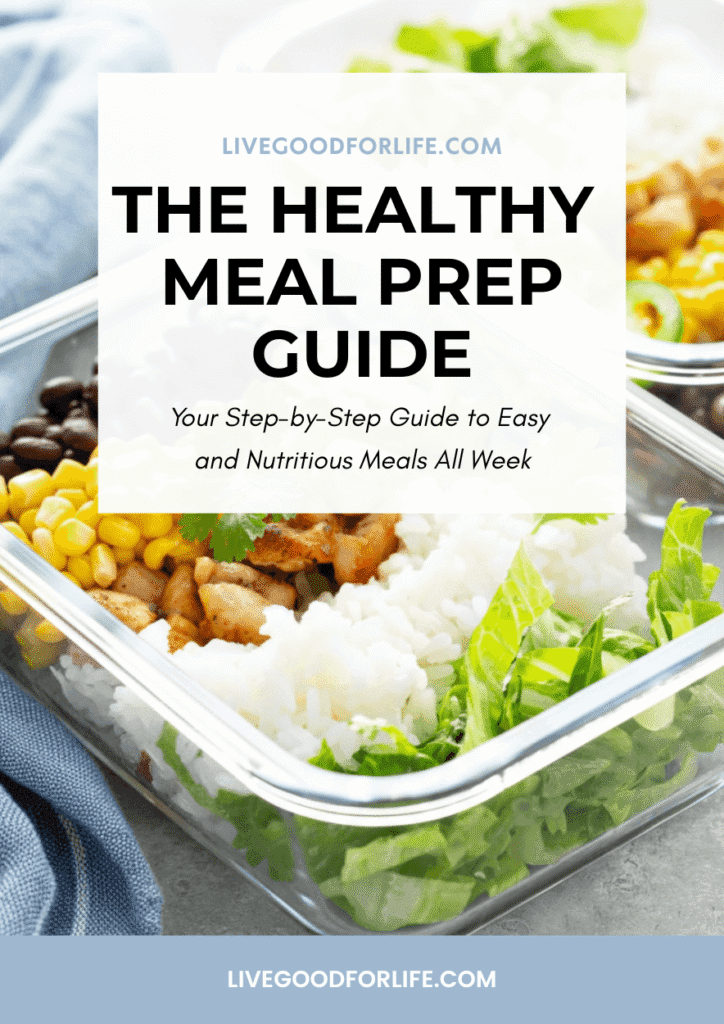
Why Meal Prep Makes Healthy Eating Easier
Meal prep helps remove some of the daily stress around food. Instead of waiting until you are hungry, tired, or busy, you already have meals or ingredients ready to use. This can make balanced eating feel more realistic during a full week.
Meal prep does not mean eating the same boring food every day. It can be as simple as cooking protein ahead of time, washing vegetables, preparing grains, or planning a few easy meals before the week starts.
The Main Benefits of Meal Prep
The Healthy Meal Prep Guide highlights several practical benefits of preparing meals in advance. These benefits are especially helpful for busy people who want more structure without making nutrition complicated.
- Time-saving: Preparing ingredients or meals ahead can reduce cooking time during busy weekdays.
- Less stress: Having food ready can reduce the pressure of deciding what to eat at the last minute.
- More consistent nutrition: Planned meals can make it easier to include protein, vegetables, whole grains, and healthy fats.
- Better portion awareness: Pre-portioned meals can help you understand serving sizes more clearly.
- Reduced food waste: Planning meals before shopping can help you buy what you actually need.
- More budget-friendly: Cooking at home and using leftovers can reduce impulse purchases and last-minute takeout.
Meal Prep Does Not Have to Be Complicated
Many people avoid meal prep because they think it requires hours in the kitchen. In reality, meal prep can be flexible. You can prep full meals, individual ingredients, snacks, sauces, or just one part of your day, such as lunch.
Start with the part of your week that feels hardest. If breakfast is rushed, prep breakfast. If lunch leads to random choices, prep lunch. If dinner is stressful, prep ingredients that make dinner faster.
Build Meals Around a Balanced Plate
A simple balanced meal usually includes four main parts: vegetables, protein, carbohydrates, and healthy fats. This structure helps meals feel satisfying and easier to repeat.
- Vegetables: Aim for colorful options such as spinach, broccoli, bell peppers, carrots, zucchini, cucumbers, tomatoes, or salad greens.
- Protein: Include options such as chicken, turkey, fish, eggs, tofu, tempeh, Greek yogurt, beans, lentils, or lean meat.
- Carbohydrates: Choose options such as rice, oats, quinoa, potatoes, sweet potatoes, whole-grain pasta, fruit, or whole-grain bread.
- Healthy fats: Add moderate portions of avocado, olive oil, nuts, seeds, tahini, or nut butter.
A simple plate method is to fill half the plate with vegetables, one quarter with protein, one quarter with carbohydrates, and add a small portion of healthy fats.
Use Hand-Size Portions as a Simple Starting Point
Portion control does not always require a food scale. Hand-size portions can be a useful visual guide, especially when you want something practical and easy to remember.
- Protein: One palm-size portion.
- Carbohydrates: One fist-size portion.
- Vegetables: One to two handfuls.
- Healthy fats: One thumb-size portion.
These are not strict rules. Your needs may vary based on your body size, activity level, goals, appetite, lifestyle, and personal health needs.
Essential Food Groups for Meal Prep
A strong meal prep routine usually includes a variety of food groups. This keeps meals more balanced and prevents boredom.
Whole Grains and Starchy Carbohydrates
Whole grains and starchy carbohydrates can provide energy and fiber. They are also easy to batch cook and store.
- Brown rice
- Quinoa
- Oats
- Whole wheat pasta
- Sweet potatoes
- Potatoes
- Barley
- Buckwheat
Protein Sources
Protein can help meals feel more satisfying and supports daily nutrition. Choose options that fit your preferences, budget, and cooking style.
- Chicken breast or thighs
- Turkey
- Eggs
- Fish or seafood
- Lean beef
- Tofu or tempeh
- Beans and lentils
- Greek yogurt or cottage cheese
Vegetables and Fruits
Vegetables and fruits add color, fiber, vitamins, minerals, and variety. Choose a mix of fresh, frozen, and cooked options to keep your meals flexible.
- Broccoli, carrots, zucchini, peppers, spinach, kale, and cucumbers
- Berries, apples, oranges, bananas, grapes, kiwi, and melon
- Frozen vegetables for quick cooking
- Pre-washed greens for fast salads
Healthy Fats
Healthy fats add flavor and help meals feel satisfying. Since fats are calorie-dense, portion awareness can be useful.
- Avocado
- Olive oil
- Nuts
- Seeds
- Nut butter
- Olives
- Tahini
Smart Meal Prep Strategies
Meal prep works best when it fits your real schedule. A good plan should make life easier, not harder.
1. Choose Your Prep Style
There is no single correct way to meal prep. Try one of these styles:
- Full meal prep: Prepare complete meals in containers.
- Ingredient prep: Cook proteins, grains, and vegetables separately so you can mix and match.
- Batch cooking: Make large portions of soups, stews, chili, casseroles, or grain bowls.
- Snack prep: Portion snacks such as yogurt, fruit, boiled eggs, nuts, or vegetables.
- Freezer prep: Prepare meals that can be frozen and reheated later.
2. Plan Before You Shop
Before going to the grocery store, choose a few meals for the week. Then write a shopping list based on those meals. This reduces random purchases and helps prevent food waste.
A simple weekly plan might include:
- Two protein options
- Two carbohydrate options
- Three to five vegetables
- One or two healthy fat options
- Two easy snacks
- One simple breakfast option
3. Repeat Ingredients in Different Ways
You do not need a different recipe every day. Repeating ingredients in different combinations saves time and keeps things simple.
For example, grilled chicken can become:
- A rice bowl with vegetables
- A salad with avocado
- A wrap with greens
- A pasta bowl with tomato sauce
- A simple plate with potatoes and broccoli
4. Keep Sauces and Seasonings Simple
Sauces and seasonings can make repeated ingredients taste different. Keep a few simple options on hand.
- Lemon juice and olive oil
- Greek yogurt dressing
- Salsa
- Low-sugar marinara sauce
- Garlic, herbs, paprika, cumin, black pepper, or chili flakes
- Tahini with lemon and water
Easy Meal Prep Combinations
Here are simple meal ideas you can use as inspiration:
- Chicken rice bowl: Grilled chicken, brown rice, broccoli, carrots, and olive oil dressing.
- Quinoa salad: Quinoa, mozzarella, tomato, cucumber, spinach, and herbs.
- Egg breakfast box: Scrambled eggs, kale, avocado, and fruit.
- Mexican-style bowl: Jasmine rice, black beans, chicken, lettuce, tomato, and lime.
- Salmon plate: Salmon, roasted sweet potatoes, green beans, and salad.
- Vegetarian prep bowl: Tofu, quinoa, roasted vegetables, avocado, and tahini sauce.
Food Safety and Storage Tips
Meal prep is only helpful when food is stored safely. Good storage habits help protect freshness, flavor, and food safety.
Safe storage basics
- Let cooked food cool before placing it in the refrigerator.
- Use airtight containers to keep food fresher.
- Label containers with the date and contents.
- Store meals in single portions when possible.
- Keep raw meats separate from ready-to-eat foods.
- Reheat meals thoroughly before eating.
- When in doubt, throw it out.
General storage time reminders
The guide recommends practical storage timelines for common meal prep foods:
- Cooked proteins: Usually 3 to 4 days in the fridge, or 2 to 3 months in the freezer.
- Cooked grains: Usually 3 to 4 days in the fridge, or up to 3 months in the freezer.
- Cooked vegetables: Usually 3 to 5 days in the fridge, depending on the vegetable and preparation.
- Soups, stews, and chili: Usually 3 to 4 days in the fridge, or 2 to 3 months in the freezer.
Storage times can vary depending on ingredients, fridge temperature, handling, and food quality, so always use good judgment.
Freezing and Thawing Tips
Freezing meals can make meal prep more flexible. It is especially useful for soups, stews, chili, cooked grains, cooked proteins, and some roasted vegetables.
- Freeze meals in single-serving portions.
- Use freezer-safe containers or bags.
- Remove extra air to reduce freezer burn.
- Label meals with the name and date.
- Thaw meals in the refrigerator when possible.
- Avoid thawing meals at room temperature.
- Do not refreeze meals repeatedly.
Helpful Tools for Meal Prep
You do not need a fancy kitchen to meal prep, but a few simple tools can make the process easier.
- Reusable containers
- Freezer-safe bags
- Sharp knives
- Cutting boards
- Measuring cups and spoons
- A kitchen scale, if you like precise portions
- Sheet pans
- Slow cooker, rice cooker, or air fryer if useful for your routine
- Labels or masking tape for dates
How to Start Meal Prep Without Feeling Overwhelmed
If you are new to meal prep, start small. You do not need to prep every meal for the whole week.
Beginner-friendly starting plan
- Pick one meal to prep, such as lunch.
- Choose one protein, one grain, and two vegetables.
- Cook enough for two or three days.
- Store meals in containers.
- Repeat the meals you enjoy.
- Add variety slowly as you build confidence.
Consistency matters more than complexity. A simple plan that you repeat is more useful than a perfect plan that you cannot maintain.
Common Meal Prep Mistakes to Avoid
- Prepping too much at once: Start with a few meals before trying a full week.
- Ignoring food safety: Label, refrigerate, freeze, and reheat properly.
- Making meals too plain: Use seasonings, sauces, herbs, and texture to keep meals enjoyable.
- Not planning snacks: Having balanced snacks ready can reduce impulse choices.
- Forgetting your schedule: Plan simpler meals for busier days.
- Buying without a list: A shopping list helps reduce waste and saves money.
A Simple 3-Day Meal Prep Example
Here is a simple example you can adjust based on your preferences:
Prep ingredients
- Grilled chicken or tofu
- Brown rice or quinoa
- Roasted broccoli and carrots
- Fresh cucumber and tomatoes
- Greek yogurt dressing or olive oil lemon dressing
- Fruit for snacks
Meal combinations
- Day 1: Chicken, brown rice, broccoli, carrots, and lemon dressing.
- Day 2: Chicken salad bowl with cucumber, tomatoes, greens, and avocado.
- Day 3: Quinoa bowl with tofu or chicken, roasted vegetables, and Greek yogurt sauce.
Meal Prep Is About Making Healthy Choices Easier
The purpose of meal prep is not to control every bite or remove flexibility from your life. It is to make supportive choices easier when your schedule gets busy.
A strong meal prep routine should feel practical, enjoyable, and adjustable. Some weeks you may prep several meals. Other weeks you may only prep ingredients or snacks. Both approaches can be useful.
Download The Healthy Meal Prep Guide
Make healthy eating easier during busy weeks with this practical meal prep guide. Inside, you’ll learn how to plan balanced meals, use simple portion guidelines, prep ingredients ahead of time, store food safely, and create an easier weekly routine without overcomplicating nutrition.
The Healthy Meal Prep Guide: Simple Meals for a Better Week
A practical educational guide to help you plan, prep, store, and build balanced meals with less stress. Learn simple meal prep strategies, portion basics, food groups, and kitchen routines that make healthy eating easier during busy weeks.
- Learn the benefits of meal prep, including time-saving and reduced food waste
- Build balanced meals with protein, carbohydrates, vegetables, and healthy fats
- Use hand-size portions, food cheat sheets, and simple planning tools
- Review food safety, storage guidelines, and easy meal prep inspiration
For general education only. This is not medical advice and is not intended to diagnose, treat, cure, or prevent any condition. Speak with a qualified healthcare professional about personal nutrition, diet, or health questions.
Final Note
The Healthy Meal Prep Guide gives you a practical starting point for planning meals, building balanced plates, understanding portions, storing food safely, and making your week easier. The best meal prep plan is one that fits your schedule, budget, food preferences, and goals.
Start small, repeat what works, and keep your meals simple enough to maintain. Healthy eating becomes easier when your environment supports your choices.
Disclaimer
This article and the linked guide are for general educational and informational purposes only. They are not medical advice and are not intended to diagnose, treat, cure, or prevent any disease or health condition. Nutrition needs vary from person to person. Always speak with a qualified healthcare professional before making major changes to your diet, supplement routine, exercise routine, or weight-management plan, especially if you have a medical condition, take medication, are pregnant or nursing, have food allergies, or have personal health concerns. Individual results vary, and no specific outcome is guaranteed.