LiveGood Essential Oils Guide: Uses, Safety, Price & Beginner Tips
LiveGood Essential Oils: The Simple Version
LiveGood Essential Oils are concentrated plant oils used mainly for aroma, room freshness, simple DIY blends, and carefully diluted topical routines. This guide covers what comes in the set, how beginners can use essential oils safely, and what to check before buying.
The simple takeaway: essential oils can add pleasant scent and routine-friendly aromatherapy to your home, but they should not be used to treat stress, anxiety, pain, infection, respiratory problems, sleep disorders, immune issues, digestive problems, skin disease, or any medical condition.
Affiliate disclosure: This page may contain affiliate links. If you purchase through my links, I may earn a commission at no extra cost to you.
Important safety disclaimer: This article is for educational purposes only and is not medical advice. Essential oils are not intended to diagnose, treat, cure, or prevent any disease. Do not ingest essential oils. Keep them away from children, pets, eyes, and sensitive areas. Dilute properly before topical use.
What Are Essential Oils?
Essential oils are concentrated aromatic oils extracted from plants. People commonly use them in diffusers, room sprays, cleaning-style DIY blends, bath routines, or diluted topical blends. Because they are concentrated, safe use matters.
Essential oils are not the same as dietary supplements or medicines. They should not be swallowed, placed directly on skin undiluted, used near the eyes, or used as a replacement for professional care.

What Comes in the LiveGood Essential Oils Set?
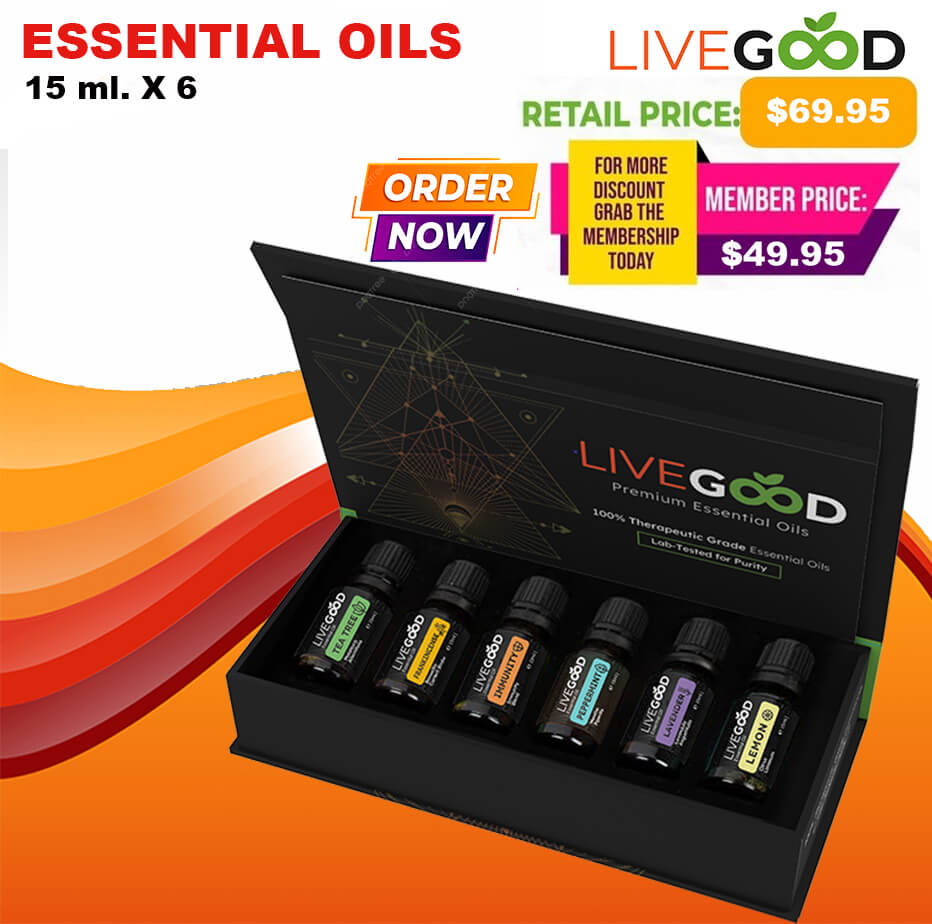
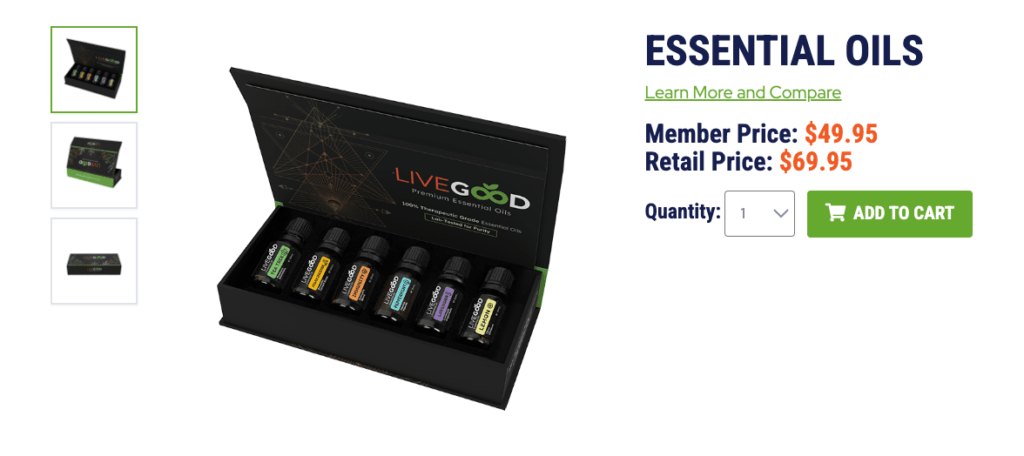
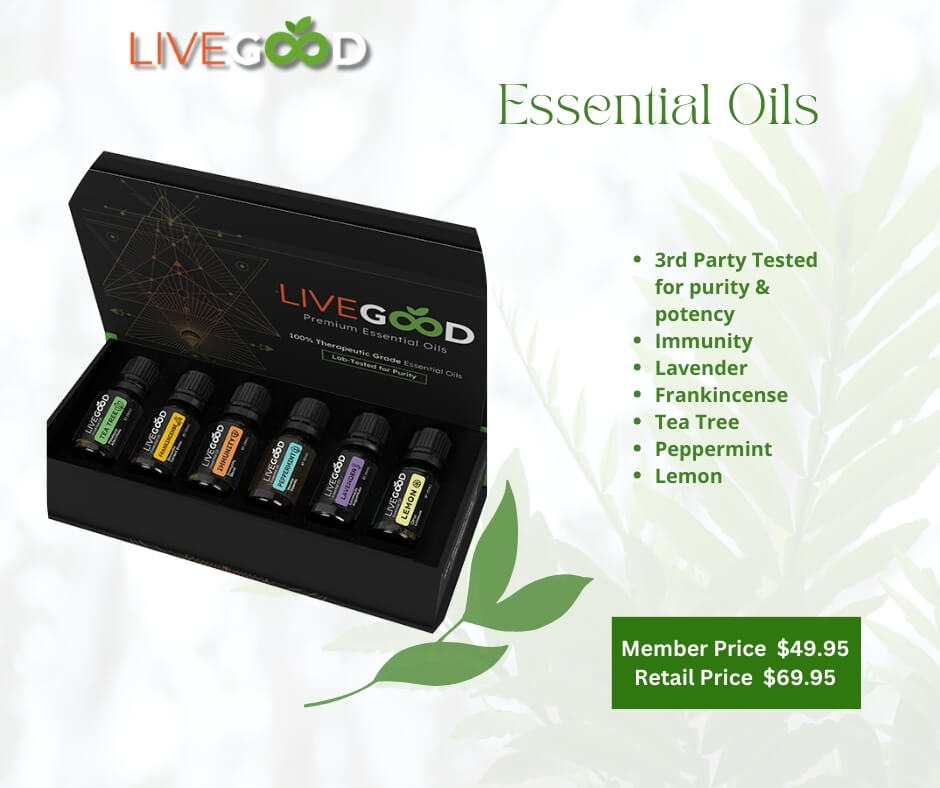
The LiveGood Essential Oils set has included oils such as tea tree, frankincense, immunity blend, peppermint, lavender, and lemon. Always check the current product page before ordering because product details and set contents can change.
| Oil | Simple use idea | Safety note |
|---|---|---|
| Tea Tree | Often used in fresh, clean-smelling DIY blends | Do not ingest; dilute before skin use |
| Frankincense | Warm, resin-like aroma often used for a calm room atmosphere | Patch test before topical use |
| Immunity Blend | Aromatic blend often used in diffusers for a fresh seasonal scent | Do not use as immune treatment or illness prevention |
| Peppermint | Cool, bright aroma often used for an energizing room scent | Avoid near eyes, face, infants, and young children |
| Lavender | Floral aroma often used in evening or relaxation-style routines | Dilute and patch test before skin use |
| Lemon | Fresh citrus aroma often used in room sprays or cleaning-style DIY blends | Can increase sun sensitivity if applied to skin |
Beginner-Friendly Ways to Use Essential Oils
For most beginners, aromatic use is the simplest place to start. Use a diffuser according to the diffuser instructions, keep the room ventilated, and stop use if the scent bothers you or anyone else in the home.
| Use | How beginners can think about it | Safety reminder |
|---|---|---|
| Diffuser | Adds scent to a room | Use in a ventilated space and follow diffuser directions |
| Room spray | Adds a light scent to a space | Shake well and avoid spraying near eyes, pets, or food |
| Diluted topical blend | Used with a carrier oil for fragrance on skin | Always dilute and patch test first |
| DIY cleaning-style blend | Adds scent to homemade cleaning routines | Do not mix oils with unsafe household chemicals |
| Bath routine | Can add aroma when properly diluted first | Do not drop undiluted oils directly into bathwater |
Essential Oil Safety Rules
- Do not ingest essential oils.
- Dilute essential oils with a carrier oil before applying to skin.
- Patch test on a small area before broader topical use.
- Keep oils away from eyes, ears, mucous membranes, and broken skin.
- Use extra caution around children, pets, pregnancy, nursing, asthma, allergies, and sensitive skin.
- Store oils tightly closed, away from heat, light, children, and pets.
Simple Notes on Each Oil
Tea Tree Essential Oil
Tea tree oil has a sharp, clean aroma. Many people like it for room-freshening blends or DIY cleaning-style recipes. It should not be used as a treatment for acne, fungus, wounds, infection, oral issues, or skin disease. Do not ingest tea tree oil, and always dilute before topical use.
Frankincense Essential Oil
Frankincense has a warm, resin-like aroma that many people enjoy in calm room routines or meditation-style settings. It should not be described as a treatment for anxiety, inflammation, pain, respiratory issues, infections, immune concerns, wrinkles, scars, or skin conditions.
Immunity Blend Essential Oil
Immunity Blend can be used as an aromatic blend for a fresh seasonal scent. The name should not be taken to mean it prevents illness, treats infections, boosts immunity in a medical sense, or replaces healthy habits and medical care.
Peppermint Essential Oil
Peppermint oil has a cool, strong aroma. It can be pleasant in diffuser blends when used sparingly. Avoid using peppermint oil near the face, eyes, infants, or young children. It should not be used to treat digestion problems, headaches, respiratory conditions, pain, or focus issues.
Lavender Essential Oil
Lavender oil has a floral aroma that many people use in evening, bath, or relaxation-style routines. It should not be used as a treatment for insomnia, stress, pain, burns, allergies, respiratory issues, acne, hair loss, or skin disease.
Lemon Essential Oil
Lemon oil has a bright citrus aroma that works well in room sprays and cleaning-style blends. If applied to skin, citrus oils may increase sun sensitivity, so follow label warnings carefully. Lemon oil should not be used to treat mood, concentration, digestion, immune concerns, acne, dark spots, wrinkles, or any medical issue.
Price and Value
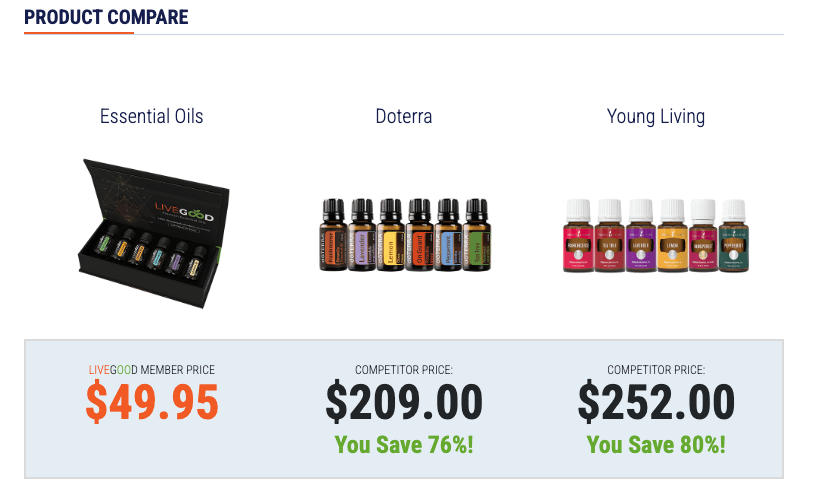
Older versions of this page compared LiveGood essential oil pricing with other brands. Prices can change, so check current product pages before making a decision. Compare bottle size, number of bottles, oil types included, shipping, membership requirements, and quality information such as Certificates of Analysis when available.
Check LiveGood Essential Oils here

Pros and Cons
| Pros | Cons |
|---|---|
| Set format gives beginners several aromas to try | Not appropriate for ingesting or medical use |
| Can be used for room scent, diffuser blends, and DIY routines | Some oils can irritate skin if not diluted properly |
| Includes popular oils such as lavender, peppermint, lemon, tea tree, and frankincense | Some oils are not ideal around children, pets, pregnancy, asthma, or sensitive skin |
| Price may be attractive compared with some essential oil brands | Strong scents are personal and may not appeal to everyone |
Simple DIY Ideas
Keep DIY essential oil recipes simple and safety-focused. Avoid using oils in the mouth, near the eyes, or directly on skin without dilution.
| Idea | How to use it | Safety note |
|---|---|---|
| Fresh room diffuser | Use a few drops according to your diffuser instructions | Ventilate the room and avoid continuous diffusion |
| Citrus room spray | Add lemon oil to distilled water in a spray bottle and shake before use | Avoid spraying near eyes, pets, food, or polished surfaces |
| Lavender bath aroma | Dilute lavender oil in a carrier oil or unscented bath product before adding | Do not add undiluted oil directly to bathwater |
| Peppermint focus-style aroma | Use a small amount in a diffuser for a bright scent | Avoid around infants, young children, and sensitive users |
Common Questions
Can I ingest LiveGood essential oils?
No. Do not ingest essential oils unless a qualified professional specifically directs you with a product intended for that use. For general consumer use, essential oils should be treated as aromatic or diluted topical products only.
Can essential oils treat anxiety, pain, sleep problems, or illness?
No. Essential oils should not be used to treat symptoms or medical conditions. Speak with a qualified healthcare professional if you have anxiety, pain, sleep problems, respiratory symptoms, infections, skin disease, or any ongoing concern.
Are essential oils safe around pets?
Use caution. Some essential oils can be unsafe for pets, especially cats, birds, and small animals. Ask your veterinarian before diffusing oils in a home with pets, and make sure animals can leave the room.
Do I need to dilute essential oils?
Yes, essential oils should be diluted before topical use. They are concentrated and can irritate skin when used undiluted.
Can lemon oil make skin sensitive to sunlight?
Yes, some citrus oils can increase sun sensitivity when applied to skin. Follow the product label and avoid sun exposure after topical use when warned.
Watch the LiveGood Product Focus Zoom Essential Oils
Final Thoughts
LiveGood Essential Oils may be worth considering if you want a set of popular aromas for diffusers, room sprays, and simple DIY routines. The best choice depends on your scent preferences, safety needs, home environment, and budget.
Before buying, check the current set contents, price, bottle sizes, safety warnings, and quality information. Use essential oils carefully, dilute before topical use, and avoid medical claims or internal use.