Peppermint Essential Oil Guide: Uses, Safety, Price & Beginner Tips
Peppermint Essential Oil: The Simple Version
Peppermint essential oil is a concentrated aromatic oil made from the Mentha piperita plant. It is known for its cool, minty scent and is often used in diffusers, room sprays, DIY cleaning-style blends, and carefully diluted topical fragrance routines.
The simple takeaway: peppermint essential oil can add a fresh, bright aroma to your home and self-care routine. It should not be used to treat headaches, migraines, nausea, digestive problems, sinus issues, allergies, respiratory conditions, muscle pain, fatigue, focus problems, hair loss, bad breath, immune concerns, or any medical condition.
Affiliate disclosure: This page may contain affiliate links. If you purchase through my links, I may earn a commission at no extra cost to you.
Important safety disclaimer: This article is for educational purposes only and is not medical advice. Essential oils are not intended to diagnose, treat, cure, or prevent any disease. Do not ingest essential oils. Keep peppermint oil away from children, pets, eyes, face, and sensitive areas. Dilute properly before topical use.
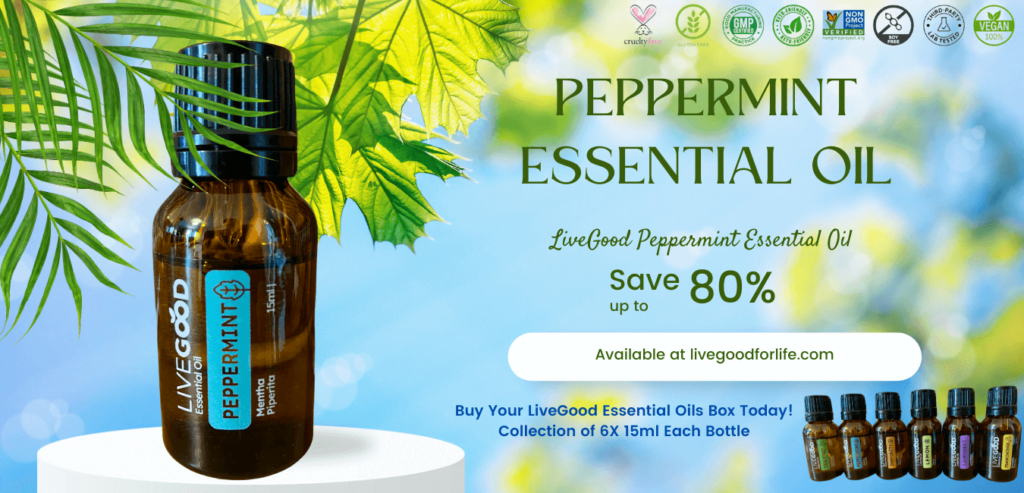
What Is Peppermint Essential Oil?
Peppermint essential oil is made from peppermint leaves, often through steam distillation. Its scent is cool, minty, and strong, so beginners should start with small amounts and use it carefully.
Peppermint oil is not the same as peppermint tea, peppermint candy, or food flavoring. Essential oils are concentrated and should not be swallowed for general consumer use.
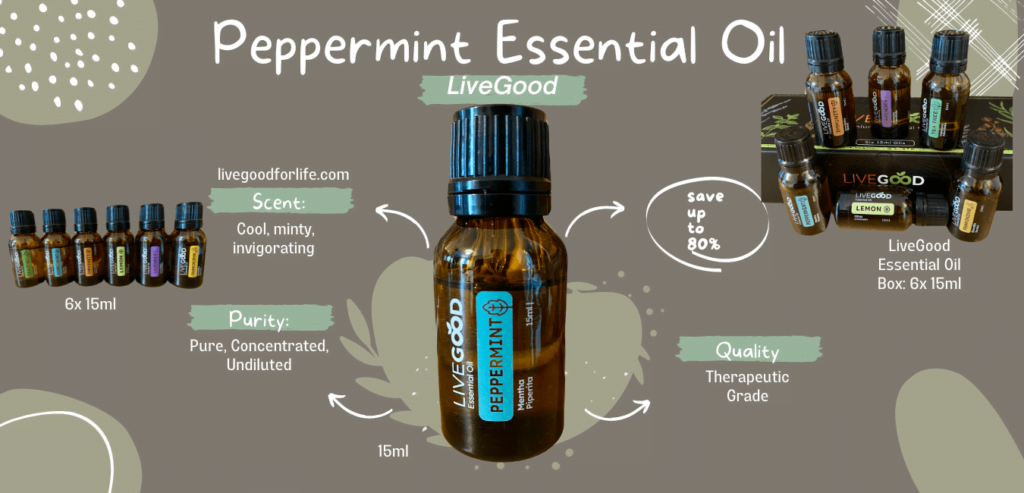
Simple Ways to Use Peppermint Essential Oil
| Use | Simple explanation | Safety reminder |
|---|---|---|
| Diffuser | Adds a cool minty aroma to a room | Use lightly, ventilate the room, and follow diffuser directions |
| Room spray | Adds a fresh scent to the air | Avoid spraying near eyes, pets, food, or delicate surfaces |
| DIY cleaning-style blend | Adds a minty scent to homemade cleaning routines | Do not mix with unsafe household chemicals |
| Diluted topical blend | Can be added to a carrier oil for fragrance on skin | Dilute well and avoid the face, eyes, and sensitive areas |
| Bath aroma | Can add a fresh scent when diluted first | Do not add undiluted peppermint oil directly to bathwater |
Peppermint Oil Safety Notes
Peppermint oil is strong. Use extra caution around infants, young children, pets, pregnancy, nursing, asthma, allergies, and sensitive skin. Avoid using peppermint oil near the face, nose, or chest of infants and young children.
- Do not ingest peppermint essential oil.
- Dilute before applying to skin.
- Patch test before broader topical use.
- Keep away from eyes, face, ears, mucous membranes, and broken skin.
- Use extra caution around children, pets, pregnancy, nursing, asthma, and sensitive users.
- Store tightly closed, away from heat, light, flames, children, and pets.

LiveGood Essential Oils
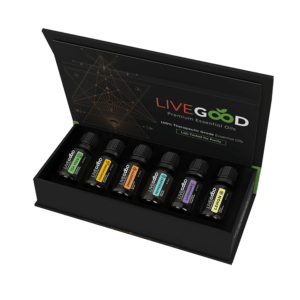
LiveGood Essential Oils is a six-bottle essential oil bundle for adults comparing aromatic oils for diffuser use, home freshness, and carefully diluted topical routines. The bundle includes tea tree, frankincense, immunity blend, peppermint, lavender, and lemon oils. Essential oils should not be ingested or used to diagnose, treat, cure, or prevent disease.
Product Currency: USD
Product Price: 29.95
Product In-Stock: InStock
5
Pros
- Six-bottle starter-style essential oil bundle
- Includes tea tree, frankincense, immunity blend, peppermint, lavender, and lemon oils
- Useful for diffuser use, home freshness, and carefully diluted topical routines
- Good option to compare by bottle count, oil variety, price, bottle size, and label directions
- May fit adults who want one simple essential oil set instead of buying oils separately
Cons
- Essential oils should not be ingested
- Must be diluted before topical use and patch tested first
- Requires extra caution around children, pets, asthma, allergies, sensitive skin, and fragrance sensitivity
- Citrus oils such as lemon may increase sun sensitivity when used topically
What to Avoid
| Avoid | Why it matters |
|---|---|
| Putting peppermint oil on your tongue | Essential oils are concentrated and should not be swallowed for general use |
| Rubbing it near the eyes, temples, ears, or face | Peppermint oil can irritate sensitive areas |
| Using it for sinus, allergy, or breathing symptoms | Symptoms should be handled with appropriate care, not essential oil claims |
| Using it for headaches, nausea, or digestive problems | These can have many causes and may need professional guidance |
| Using it around infants or young children | Peppermint oil can be too strong for young children |
LiveGood Peppermint Essential Oil: Product Context
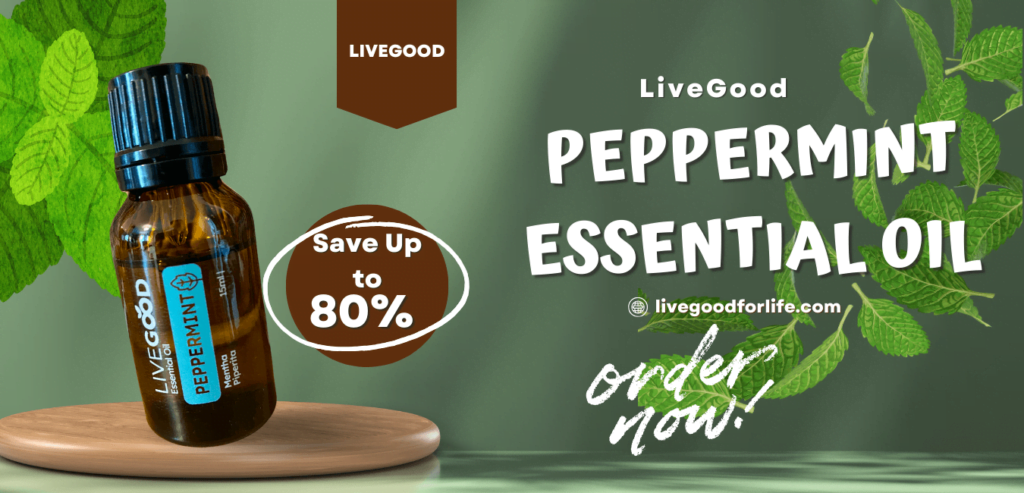
LiveGood Peppermint Essential Oil is part of the LiveGood Essential Oils Collection Box. Older versions of this page described the set as six 15ml bottles. Product details, bottle sizes, set contents, and prices can change, so check the live product page before ordering.
When comparing peppermint oil products, look at bottle size, whether it is sold alone or in a set, the other oils included, quality information, shipping, and membership pricing.
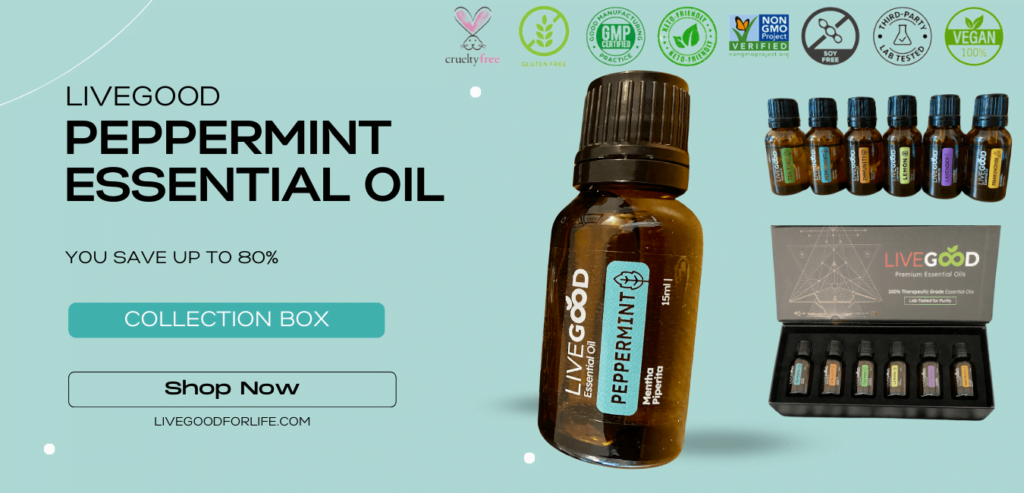
Price and Value
Older versions of this page mentioned a LiveGood member price of $49.95 for the six-bottle essential oils collection. Prices and membership terms can change, so use old price graphics as a snapshot only.

For broader essential oil safety and set details, see the updated LiveGood Essential Oils Guide and LiveGood Essential Oils for Beginners.
What Comes in the Essential Oils Collection?
The LiveGood set has included lemon, lavender, tea tree, peppermint, frankincense, and an immunity blend. Always check the current product page because contents can change.
| Oil | Simple aromatic use | Safety note |
|---|---|---|
| Lemon | Fresh citrus room scent | May increase sun sensitivity if used on skin |
| Lavender | Floral evening-style aroma | Use for scent, not as a sleep or stress treatment |
| Tea Tree | Fresh, clean room or DIY cleaning-style aroma | Do not ingest; dilute before skin use |
| Peppermint | Cool minty room scent | Avoid near children’s faces and sensitive areas |
| Frankincense | Warm, resin-like aroma | Patch test before topical use |
| Immunity Blend | Seasonal aromatic blend | Do not use as illness prevention or immune treatment |
Common Questions About Peppermint Essential Oil
What is peppermint essential oil commonly used for?
It is commonly used for aroma, diffusers, room sprays, DIY cleaning-style blends, and carefully diluted topical fragrance routines.
Can peppermint oil help with headaches, nausea, or digestion?
Do not use peppermint essential oil to treat headaches, nausea, digestive problems, or any symptoms. Speak with a qualified healthcare professional if symptoms are ongoing or concerning.
Can I ingest peppermint essential oil?
No. Do not ingest essential oils for general consumer use. They are concentrated and can be harmful if swallowed.
Can I apply peppermint oil directly to skin?
No. Dilute it with a carrier oil before topical use and patch test first. Avoid the face, eyes, and sensitive areas.
Is peppermint oil safe around children or pets?
Use extra caution. Peppermint oil can be too strong around infants, young children, cats, birds, and sensitive pets. Ask a pediatric professional or veterinarian before using it in those settings.
Final Thoughts
Peppermint essential oil may be worth considering if you enjoy cool, minty aromas and want an oil for diffusers, room sprays, DIY cleaning-style blends, or carefully diluted topical fragrance routines.
Before buying, check the current LiveGood Essential Oils set, bottle sizes, pricing, safety warnings, and quality information. Use peppermint oil carefully, avoid internal use, dilute before skin use, and keep it away from children, pets, eyes, and the face.