LiveGood Beginner Guide 2026: How to Start, Build Skills & Set Realistic Goals
LiveGood Beginner Guide 2026: How to Start, Build Skills & Set Realistic Goals
Starting a LiveGood business in 2026 can feel simple because the tools, product links, and training are already available. Still, simple does not mean automatic. A good start comes from understanding the model, setting realistic expectations, and building small daily habits you can repeat.
If you are still deciding whether LiveGood is the right opportunity for you, review the full overview first. Then use this guide to plan your first steps as a new affiliate.
Income disclaimer: LiveGood is a business opportunity, not guaranteed income. Results vary based on effort, skill, consistency, traffic, audience, follow-up, customer retention, team activity, product demand, market conditions, and other factors. Some affiliates may earn little or nothing. Review the current compensation plan, costs, policies, and income disclosures before joining or promoting.
This guide walks through the first 48 hours, the tools to check, the habits to build, and how to work toward your first conversations and signups without hype, pressure, or unrealistic promises.
Step 1: Understand What Network Marketing Is
Network marketing, also called MLM or direct selling, is a business model where people share products, memberships, and sometimes an affiliate opportunity through personal recommendations, online content, and customer relationships.
Not all MLM companies operate the same way. Some focus heavily on recruiting, while stronger models should make product value, customer retention, and transparent costs easy to understand.
With LiveGood, the best approach is to start with product education and clear expectations. You are not just sending links. You are helping people understand the products, membership pricing, and business option so they can make their own decision.
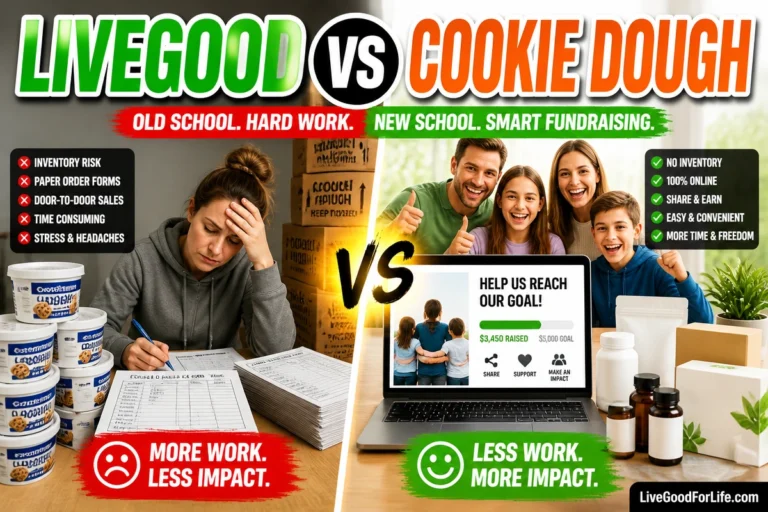
LiveGood vs Traditional MLM Models: What Beginners Should Know
The network marketing industry has changed a lot. Beginners usually do better when the costs are clear, the products are easy to compare, and the steps are simple enough to repeat.
| Feature | Traditional MLM concern | LiveGood point to compare |
|---|---|---|
| Pricing | High retail prices or required monthly orders | Member pricing and no large inventory requirement for most affiliates |
| Compensation focus | Can be recruitment-heavy or complex | Retail, membership, referral, matrix, and other income areas to review |
| Tools | May require building your own system | Funnels, images, training, and team tools may be available |
| Product cost vs value | Can be hard to explain if prices feel high | Products can be compared by label, price, serving count, and safety fit |
| Monthly costs | Some companies require autoship or large orders | Check the current membership, affiliate fee, and any optional costs |
LiveGood may be easier for beginners to compare because the membership cost and product pricing are simple to explain. That does not mean results are automatic. You still need activity, follow-up, and patience.
Step 2: Start With a Clear Reason
Your reason for joining matters because it helps you stay consistent when the first few days feel new or uncomfortable. Keep it practical and honest.
- Why did I join LiveGood?
- Do I want product savings, extra income, business skills, or all three?
- What can I realistically do each week for the next 90 days?
- Can I afford the costs even if I do not earn profit quickly?
Write your reason somewhere visible. It does not need to be dramatic. A simple reason is often stronger than a big promise.
Step 3: Set Up Your LiveGood Account and Tools
Log in to your LiveGood back office and get familiar with the basics: your affiliate link, replicated website, product area, account settings, and team section. If you want a simple walkthrough, use this LiveGood back office guide.
If you join our team, you may also get:
- A done-for-you funnel and capture page
- Ready-to-use images and reels
- Team training videos and duplication tools
- Click here to become part of our team
Tools help, but they do not replace your own effort. Use them to stay organized, explain the model clearly, and follow up with people who ask questions.
Step 4: Your First 48 Hours
Your first two days should be about learning, setting up, and starting simple conversations. You do not need to pressure anyone or act like an expert.
Here is a practical 48-hour checklist:
- Watch the LiveGood tour video so you understand the products, membership, and pay plan basics.
- Set a small first goal: for example, send the overview to a few people who may be interested.
- Make a simple contact list: write down people who may care about product savings, wellness products, or a low-cost business option.
- Send respectful messages: ask if they would like to review the free tour instead of pushing them to join.
- Post one honest story or short video: share what you are learning and why you are reviewing LiveGood.
- Join your team group: watch how experienced people explain the basics.
- Track your activity: note who watched, who asked questions, and who needs follow-up.
The goal is not perfection. The goal is to start learning how people respond and improve your communication over time.
Pros & Cons of Starting With LiveGood
Every business model has strengths and limitations. Knowing both helps beginners avoid disappointment and make better decisions.
Pros
- Lower membership cost compared with many business models
- Funnels, images, and training systems may be available
- No large inventory requirement for most affiliates
- Product sales and referral activity can both matter
- Beginner-friendly tools can make sharing easier
- Wellness products can be compared by price, label, and value
Cons
- No income is guaranteed
- Many affiliates in business opportunities earn little or nothing
- Results depend on traffic, follow-up, content, trust, and consistency
- Some beginners may still feel uncomfortable sharing at first
- Paid ads can lose money without experience and tracking
- Policies, pricing, and compensation details can change
LiveGood may reduce some common barriers for beginners, but it is still a business activity that requires effort and learning.
Step 5: Learn the Basics of Network Marketing
The foundation of a healthier affiliate business is consistency with realistic expectations. The U.S. Federal Trade Commission gives guidance around MLM claims and emphasizes that opportunities should be presented clearly and not mislead people about earnings.
Here are the basics every new LiveGood affiliate should practice:
- Share, do not pressure: invite people to review the free tour instead of trying to explain everything in one message.
- Follow up respectfully: many people need time, but follow-up should never feel pushy.
- Understand the products: use your own experience carefully and avoid health claims that go too far.
- Learn from training: watch team calls, but adapt the message to your own voice.
- Stay organized: track your links, conversations, questions, and next steps.
Why LiveGood Can Work for Some Beginners
Beginners often struggle when a business feels expensive, confusing, or too sales-heavy. LiveGood may be easier to start because the product membership and affiliate model are relatively simple to explain.
The helpful parts are the lower-cost membership, available tools, and product categories people already understand. The challenge is that you still need traffic, conversations, product education, and follow-up to create results.
Helpful outside resources for broader business and marketing context include the FTC MLM business guidance, Harvard Business Review, and Statista’s network marketing topic page.
My Personal Insight After Reviewing MLM Models
The biggest beginner advantage is not hype. It is clarity. People are more likely to stay consistent when they understand the cost, the product value, the first steps, and what they are responsible for doing each week.
LiveGood may feel beginner-friendly because the tools and membership model are simple to explain. But no funnel or training system does the work for you. The real work is learning how to communicate, share useful content, and follow up respectfully.
Step 6: Focus on Simple Duplication
Duplication means using steps that a new person can understand and repeat. This matters because most people do not want a complicated system.
- Share the free tour link with people who are open to reviewing it.
- Plug into team training so you understand the basics.
- Stay active with your membership if it fits your budget and goals.
- Use available images, templates, and content ideas to save time.
- Teach simple steps instead of overwhelming new people.
Duplication works best when the steps are simple, honest, and easy to repeat.
Step 7: Create Productive Daily Habits
You do not need to do everything at once. A small daily routine is usually better than a burst of activity followed by silence.
Here is a simple daily routine:
- Morning: watch one short training or review one product page.
- Afternoon: post one helpful story, tip, or product/membership explanation.
- Evening: message a few people respectfully and follow up with anyone who asked for information.
Small actions can build momentum, but results still vary. Focus on getting better at communication, not chasing overnight success.
What You Get Joining Our LiveGood Team
Joining a team can help you get organized faster, especially if you are new. Support can be useful, but your personal activity still matters most.
Depending on the current team setup, you may get:
✅ A done-for-you funnel — a page to help people review the overview
✅ Promo images and reels — content ideas to save time
✅ Step-by-step training — simple videos and guidance
✅ Traffic education — ideas for creating content and getting leads
✅ Private team support — community and coaching calls
✅ Personal branding tools — support for building your own voice
✅ Duplication systems — repeatable steps for new people
Use the tools as support, not as a promise of results. A good system gives you direction; your consistency creates the chance of progress.
Related LiveGood Guides You May Find Helpful
If you are learning the basics of LiveGood or exploring how to build momentum, these guides can help you understand the products, business model, and first steps more clearly.
- LiveGood Opportunity Overview — understand how the membership model works.
- LiveGood Affiliate Program Guide — learn the costs, commissions, and realistic expectations.
- LiveGood Weekly Leadership & Growth Reports — view community updates and rank reports.
- LiveGood Member Guide — learn how to navigate the back office and tools.
- 7 Ways to Earn with LiveGood — review the income areas in the plan.
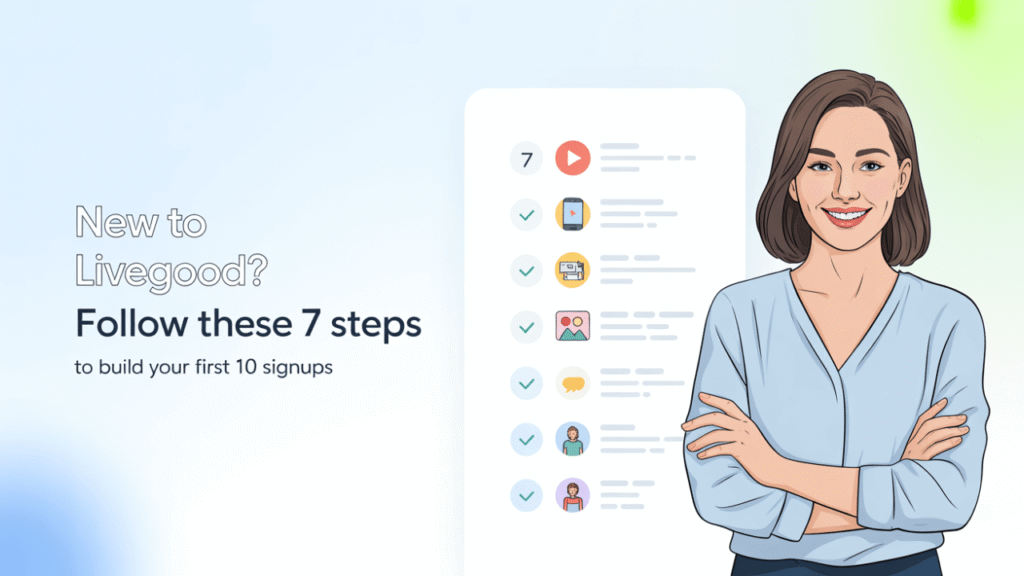
New to LiveGood? Use These 7 Starter Steps
👉 1. Watch the free LiveGood tour video and take notes.
👉 2. Write one honest reason you are reviewing LiveGood.
👉 3. Make a list of people who may want product savings or business information.
👉 4. Share the overview respectfully with people who are open to it.
👉 5. Use available images and posts as ideas, but keep your voice natural.
👉 6. Join the team chat for accountability and questions.
👉 7. Help interested people understand the next step without pressure.
You do not need to be perfect. Start with the basics, track your activity, and improve as you go.
👉 Take your free LiveGood tour and review the model before deciding.
Stop Overcomplicating the Start
Many beginners get stuck because they try to learn everything before taking any action. You do not need to master the entire pay plan on day one. Start by understanding the tour, the products, the membership, and how to answer basic questions.
A System That Gives You a Starting Point
With LiveGood, you may have access to a funnel, training, links, and content ideas. These tools can make the first steps easier because you do not have to build everything from scratch.
Still, the tools do not replace your role. You are responsible for learning the message, sharing it ethically, following up, and staying consistent.
Work Toward Your First Conversations and Signups
Instead of focusing only on a number, focus on the actions that lead to progress: conversations, tour views, product questions, follow-ups, and clear next steps. Signups may happen quickly for some people and slowly for others.
The goal is to build a repeatable process that feels honest and sustainable.
Start Your First 7 Steps Today
Do not wait for perfect confidence. Review the free tour, set up your tools, and take one practical step today.
Join LiveGood Now — review the model, compare the costs, and decide if it fits your goals.
Freedom to Build Beyond One Program
One point some people compare is flexibility. Some business opportunities have strict exclusivity rules, while others allow more freedom. LiveGood is often discussed as a more flexible option, but always review the current policies yourself before relying on any claim.
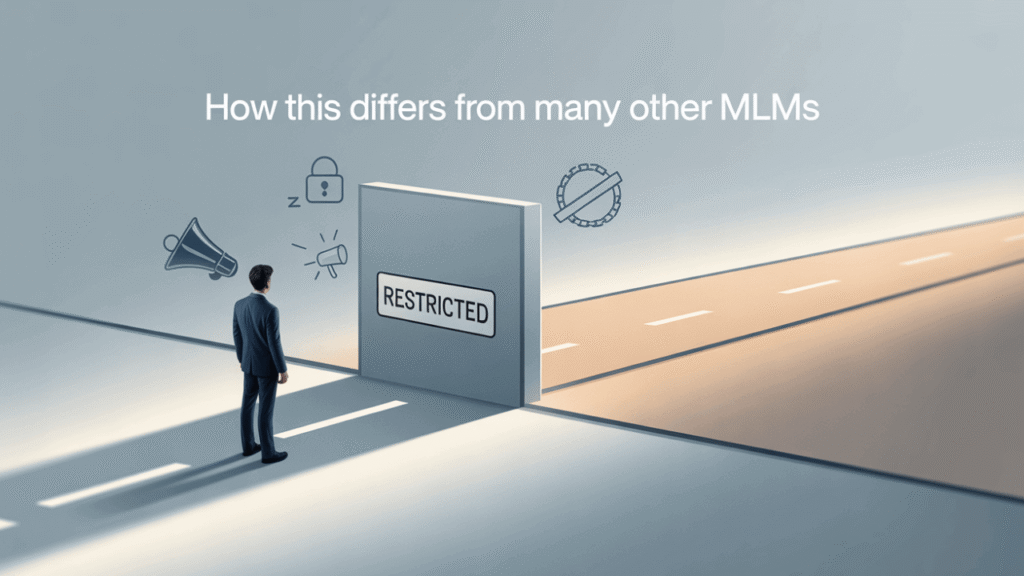
How This Differs From Some Other MLMs
Some MLM or affiliate programs include restrictions around promoting competing opportunities, other tools, or outside links. Policies vary and can change, so it is always worth reading the official terms before joining any company.
- Some companies may restrict cross-promotion.
- Some may limit how affiliate links are used.
- Some may have rules around competing products or opportunities.
- Some may issue compliance warnings for policy violations.
For serious builders, policy flexibility matters because relying on only one traffic source, platform, or company can create risk.
LiveGood’s Approach
LiveGood is often described as more open and flexible for online builders. You may be able to build personal brands, use outside tools, and test different strategies as you grow. Still, you should always review the current LiveGood policies and follow them carefully.
This does not mean ignoring LiveGood or making unsupported claims. It means building responsibly, using clear disclosures, and keeping your content honest.
The Bottom Line
LiveGood may be a good starting point for people who want a lower-cost membership model, wellness products, team tools, and a simple way to begin learning affiliate marketing. It is not a guarantee of success, and it is not the right fit for everyone.
Join only if the products, costs, work style, and expectations make sense for your situation.
MLM Exclusivity and Policy Notes
Many traditional MLM companies include exclusivity, non-compete, or cross-promotion rules in their policies. These rules can limit how affiliates promote other opportunities or competing products. Because policies can change, review current terms before joining or promoting any program.
Policies change over time. Always check the current terms and conditions of each company.
SEO FAQ Section
Q1: How do I start an MLM business in 2026?
A: Start by choosing a company you can understand, reviewing the products and costs, reading the compensation plan, and setting a simple activity routine. For LiveGood, begin with the free tour, back office setup, and a few respectful conversations.
Q2: Is MLM good for beginners?
A: It can be a learning opportunity for some beginners, especially when costs are low and training is clear. It is not guaranteed income, and many people may earn little or nothing.
Q3: How can I get my first signups?
A: Start with the basics: understand the tour, make a list of people who may be interested, share the overview respectfully, post simple educational content, and follow up with people who ask questions.
Q4: Do I need experience to promote LiveGood?
A: You do not need previous sales experience, but you do need to learn product basics, compliance, communication, follow-up, and content creation.
Q5: How much does it cost to join LiveGood?
A: Costs can change, so check the current LiveGood page before joining. Review the membership cost, affiliate fee, yearly options, shipping, and any optional tools.
Q6: How soon can I start earning?
A: Some affiliates may earn quickly, while others may earn slowly or not at all. Outcomes depend on effort, consistency, audience, product demand, follow-up, and the official compensation plan. See ranking and community reports here.
Additional Frequently Asked Questions About Starting MLM in 2026
Q7: Do I need to recruit people to earn with LiveGood?
A: Retail product sales may create commissions, but many compensation-plan areas involve referrals, active members, or team activity. Read the current plan so you understand how each income area works.
Q8: Can beginners realistically succeed in MLM today?
A: Some beginners can make progress when they follow a simple system, keep costs under control, stay consistent, and learn communication skills. Results vary and are not guaranteed.
Q9: How much time should I dedicate daily to see progress?
A: Many beginners start with 30 to 60 minutes a day. The key is not just time, but using that time well: learning, posting, following up, and tracking activity.
Q10: What makes LiveGood different from some older MLM companies?
A: People often compare LiveGood because of its lower-cost membership, wellness product pricing, and available tools. Always review current policies, costs, and compensation details yourself.
Q11: Can I promote other opportunities while building LiveGood?
A: LiveGood is often discussed as flexible, but you should review the current policies before promoting other programs, tools, or affiliate links alongside LiveGood.
Important Disclaimer
The information provided in this guide is for educational purposes only and is not financial advice. Earnings with LiveGood, or any business model, depend on individual effort, skill, consistency, market conditions, customer demand, and the ability to follow a clear plan. No results are guaranteed.
LiveGood compensation is based on the official LiveGood compensation plan, which outlines qualifications and payout structures. Individual outcomes will vary. Always review the most recent company policies, compensation details, and compliance guidelines before promoting any opportunity.