If you have been feeling sluggish, bloated, stuck in a junk-food cycle, or just out of rhythm with your eating habits, sometimes what helps most is not an extreme plan. It is a simple reset.
That is the real value of a 10-day detox guide when it is done in a sensible way. Not starvation. Not miracle promises. Not “flush toxins overnight” nonsense. Just a short, structured period to clean up your meals, drink more water, reduce ultra-processed food, support digestion, and get back to basics.
The guide behind this post is built around exactly that kind of reset. It explains how the body’s detoxification systems already work through the liver, kidneys, lungs, skin, and digestive system, then supports those normal processes with better food choices, hydration, and daily habits. It also breaks the plan into phases: preparation, elimination, rejuvenation, and integration, which makes it much more realistic to follow than a random crash cleanse.
If you want the downloadable version, you can also see the full Free 10-Day Detox Guide. And if you want to get better at evaluating wellness products before buying them, read my guide on how to read supplement labels and spot fairy dusting.
What a “Detox” Really Means in Normal Terms
Your body already has detox systems. You do not need a magical tea or a punishing cleanse for that. Your liver, kidneys, digestive tract, lungs, and skin are already working every day to process and remove waste. The detox guide explains this clearly and frames the plan as support for those normal processes rather than a cure-all.
In practical terms, a healthy detox reset usually means:
- drinking enough water
- cutting back on processed junk
- eating more fiber-rich whole foods
- adding more vegetables, herbs, and nutrient-dense meals
- paying attention to foods that make you feel worse
- giving your digestion a bit of breathing room
- building habits you can actually keep after the 10 days end
That is a much better way to think about detox than extreme restriction.
Why People Often Feel Better After a Short Reset
The PDF highlights several reasons people often notice improvements during a detox period: better energy, clearer thinking, digestive relief, healthier routines, and a stronger focus on hydration and whole foods. It also connects regular detox-style habits with supporting organ function, reducing the burden of overly processed foods, and helping people feel more balanced overall.
That makes sense in everyday life too. If someone has been living on takeaways, sugar, too much caffeine, irregular meals, not enough water, and very little produce, they do not need something complicated first. They usually need a reset that helps them eat better and feel more in control again.
This is also why I prefer simple food-first routines over hype. In many cases, progress starts with basics: hydration, meal structure, less junk, more plants, better sleep, and some consistency.
What to Focus On During a 10-Day Detox
One of the most useful pages in the guide is the “What to Focus On” section. It keeps things simple: hydration, fiber, green tea, cutting processed junk, mindful eating, and optional science-backed supplement support.
- Hydration: the guide recommends at least 8 glasses of water daily.
- Fiber: whole grains, legumes, and vegetables help support digestion and regular bowel movements.
- Green tea: included for its antioxidant content.
- Less processed food: reducing sugars, additives, and ultra-processed foods lowers the load on your daily routine.
- Mindful eating: paying attention to hunger, fullness, and how foods make you feel matters more than people think.
If you are already working on inflammation as part of your health goals, my anti-inflammatory lifestyle guide is a very natural next read. Detox and anti-inflammatory eating overlap in a lot of helpful ways, especially around whole foods, hydration, and cutting back on highly processed meals.
Best Detox-Friendly Foods to Build Around
The guide does a good job of keeping food choices practical. It highlights leafy greens, cruciferous vegetables, berries, citrus fruits, turmeric, green tea, avocado, cilantro, and parsley as useful detox-friendly foods because they provide fiber, antioxidants, plant compounds, and nutrients that support the body’s normal systems.
Leafy greens
Kale, spinach, and Swiss chard are emphasized in the guide for their nutrient density and their role in a better food base. They are easy to use in smoothies, soups, stir-fries, and salads.
Cruciferous vegetables
Broccoli, cauliflower, and Brussels sprouts are included because they fit well in a food-first detox routine and make meals more filling and balanced.
Berries and citrus
Berries add antioxidants and fiber, while citrus fruits like lemon, orange, and grapefruit are easy ways to add freshness and variety. These foods also make it easier to stay consistent because they actually taste good.
Turmeric, herbs, and supportive add-ons
Turmeric, cilantro, parsley, ginger, and similar ingredients are practical ways to add more flavor and a stronger “whole food” feel to your meals. They also fit naturally with your site’s ingredient education content, such as turmeric and curcumin health benefits explained.
Why Hydration Matters More Than Most People Realize
The detox guide puts a lot of emphasis on hydration, and that is a good thing. It explains that proper hydration supports cellular cleansing, blood circulation, kidney function, digestion, nutrient absorption, and waste elimination. It also lists common dehydration signs during a detox period, such as dark urine, dry skin, headaches, and fatigue.
In normal life, this is one of the most overlooked wellness habits. People often think they need a special supplement first when they are simply under-hydrated, eating too little fiber, and running on caffeine.
The guide’s hydration tips are simple and sensible:
- set a daily water target
- infuse water with lemon, cucumber, or mint
- build a hydration routine through the day
- eat water-rich foods like cucumber and watermelon
That is exactly the kind of advice that works because it is realistic.
Before You Start: Check Your Current Diet First
The preparation phase in the guide tells readers to assess their current diet before starting. That means noticing how much processed food you are eating, spotting likely culprits like excess sugar or caffeine, and recognizing possible nutrient gaps.
This is important because a detox works best when it is personalized. If someone feels sluggish because of too many pastries, fizzy drinks, skipped meals, and barely any vegetables, the solution is not the same as for someone whose issue is alcohol, poor sleep, or constantly eating on the go.
Before starting any reset, ask yourself:
- What am I eating too much of right now?
- What foods make me feel heavy, bloated, or tired?
- Am I drinking enough water?
- Am I getting enough produce and fiber?
- Am I relying too much on caffeine to get through the day?
That kind of honesty helps more than blindly following a trend.
Days 1 to 3: The Elimination Phase
The first stage of the guide focuses on removing foods and drinks that commonly make people feel worse. That includes processed foods, refined sugar, dairy for some people, gluten-containing grains during the reset period, caffeine, alcohol, processed meats, and highly processed oils.
This does not mean these foods are automatically “bad” forever. The point is to create a short clean window so you can notice how your body feels without them.
Recommended drinks during this phase include water, herbal teas, green tea in moderation, vegetable juices, detox water with cucumber and lemon, and coconut water.
Days 4 to 6: The Rejuvenation Phase
This is where the guide shifts from “remove” to “rebuild.” It brings in leafy greens, colorful vegetables, lean proteins, healthy fats, whole grains, fruits, herbal infusions, smoothies, and light movement like walking, yoga, stretching, deep breathing, and nature walks.
I like this stage because it feels more human. It is not about punishment. It is about feeding yourself better and getting your energy back.
For many people, this middle phase is where the detox starts to feel less like a challenge and more like a rhythm they can actually maintain.
Days 7 to 10: The Integration Phase
The final part of the guide is one of the most important. It focuses on gradually reintroducing foods, monitoring how your body responds, expanding protein choices, keeping meals balanced, and turning the best parts of the detox into long-term habits.
That matters because a detox should not end with, “Great, now go back to chaos.” It should help you carry forward what worked.
The guide specifically encourages:
- establishing healthy habits from the detox period
- using shorter reset periods when needed
- practicing mindful eating
- keeping regular physical activity in your normal routine
That is the part that turns a short detox into something actually useful long-term.
Simple Detox Meal Ideas That Feel Normal
The PDF includes a 10-day meal planner with ideas like green detox smoothies, quinoa and veggie bowls, broccoli soup, avocado beet and spinach salad, cauliflower soup, Mediterranean chickpea bowls, lentil curry, seared salmon with quinoa, chia pudding, and fruit or nuts as snacks.
That is helpful because it keeps detox food from feeling vague. A lot of readers need simple examples more than theory.
- green smoothie with spinach, cucumber, berries, and chia
- quinoa bowl with roasted vegetables and olive oil
- broccoli or cauliflower soup with herbs
- salmon with quinoa and a fresh veggie salad
- lentil soup with greens
- chia pudding with berries
- fresh fruit or a handful of nuts for snacks
That kind of meal structure is much easier to follow than a complicated cleanse with powders and rules every hour.
Where Supplements May Fit In
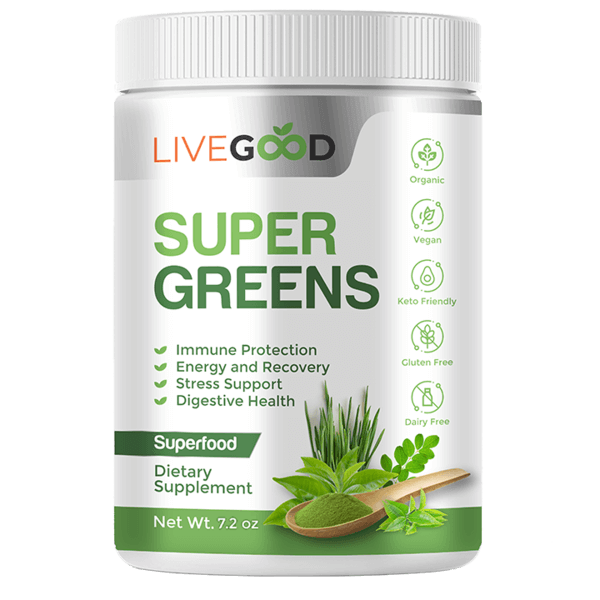
The detox guide also mentions supplement support, especially around Chlorophyll + Zeolite Detox, Liver Support, Organic Super Greens, and Probiotic Gut Support. In the PDF, these are positioned as additions to a food-first routine, not replacements for better eating and hydration.
That is the approach I prefer too. Food comes first. Habits come first. Supplements should support a routine, not cover up a poor one.
If readers want to explore the ingredient logic further, these internal pages fit naturally here:
- Organic Super Greens review
- Super Reds and Super Greens comparison
- clinically studied ingredients in supplements
- Free Health Assessment
Those pages are all visible in your sitemap and make good support links for a detox article.
Who a 10-Day Detox Guide Is Good For
This kind of guide can be useful for people who:
- feel like their eating has gone off track
- want a short reset without doing anything extreme
- need structure to help them reduce processed food and sugar
- want to improve hydration and digestion habits
- prefer a practical wellness reset over a harsh cleanse
It is especially helpful when treated as a reset, not a punishment.
Get the 10-Day Detox Guide
10-Day Reset & Wellness Routine
A simple guide to help you reset your daily habits, focus on hydration, balanced foods, and create a more consistent routine you can actually follow.
- Simple 10-day structure to stay consistent
- Foods to limit and foods to focus on
- Hydration and daily routine tips
- Easy meal planning ideas to stay on track
For general education only. This is not medical advice.
Frequently Asked Questions About a 10-Day Detox
Does a detox mean starving yourself?
No. A sensible detox should focus on whole foods, hydration, and reducing junk, not starvation. The guide itself is built around meals, beverages, hydration, and gradual food reintroduction, not extreme restriction.
What should I avoid during a detox?
The elimination phase in the guide removes processed foods, refined sugar, dairy for the reset period, gluten-containing grains, caffeine, alcohol, processed meats, and highly processed oils.
What can I drink on a detox?
Water is the base. The guide also suggests herbal teas, green tea in moderation, vegetable juices, detox water with lemon and cucumber, and coconut water.
Can I exercise during a detox?
Yes, but keep it light and sensible. The guide recommends walking, cycling, swimming, yoga, stretching, deep breathing, and nature walks rather than intense training.
What happens after the 10 days?
The final phase is about reintroducing foods carefully, keeping the healthy habits that helped most, and using the reset as a foundation for a better long-term routine.
Final Thoughts
A good detox is not about fear, punishment, or pretending your body needs rescuing every week. It is about stepping back, cleaning up your routine, supporting your normal body systems, and paying attention to what actually helps you feel better.
If your meals have been messy, your water intake has been low, and your energy feels flat, a 10-day reset can be a helpful way to rebuild momentum. Start with hydration. Add more vegetables. Cut back on obvious junk. Eat more mindfully. Move a bit more. Then keep the best parts going after the 10 days finish.
That is where the real value is.
And if you want more support after this guide, explore the Free Health Assessment, my anti-inflammatory lifestyle guide, and my Organic Super Greens review for your next step.
Disclosure: This page may contain affiliate links. If you purchase through these links, I may earn a commission at no extra cost to you.
Educational only. This content is not medical advice and is not intended to diagnose, treat, cure, or prevent any disease. “Detox” in this guide refers to food, hydration, and lifestyle habits that support the body’s normal processes. Always speak with a qualified healthcare professional before making major diet, supplement, or exercise changes, especially if you have a medical condition, are pregnant, nursing, or taking medication.
Written by Daniel Popa, founder of LiveGoodForLife.com. I focus on practical wellness education, label transparency, ingredient logic, and simple routines that real people can actually follow.