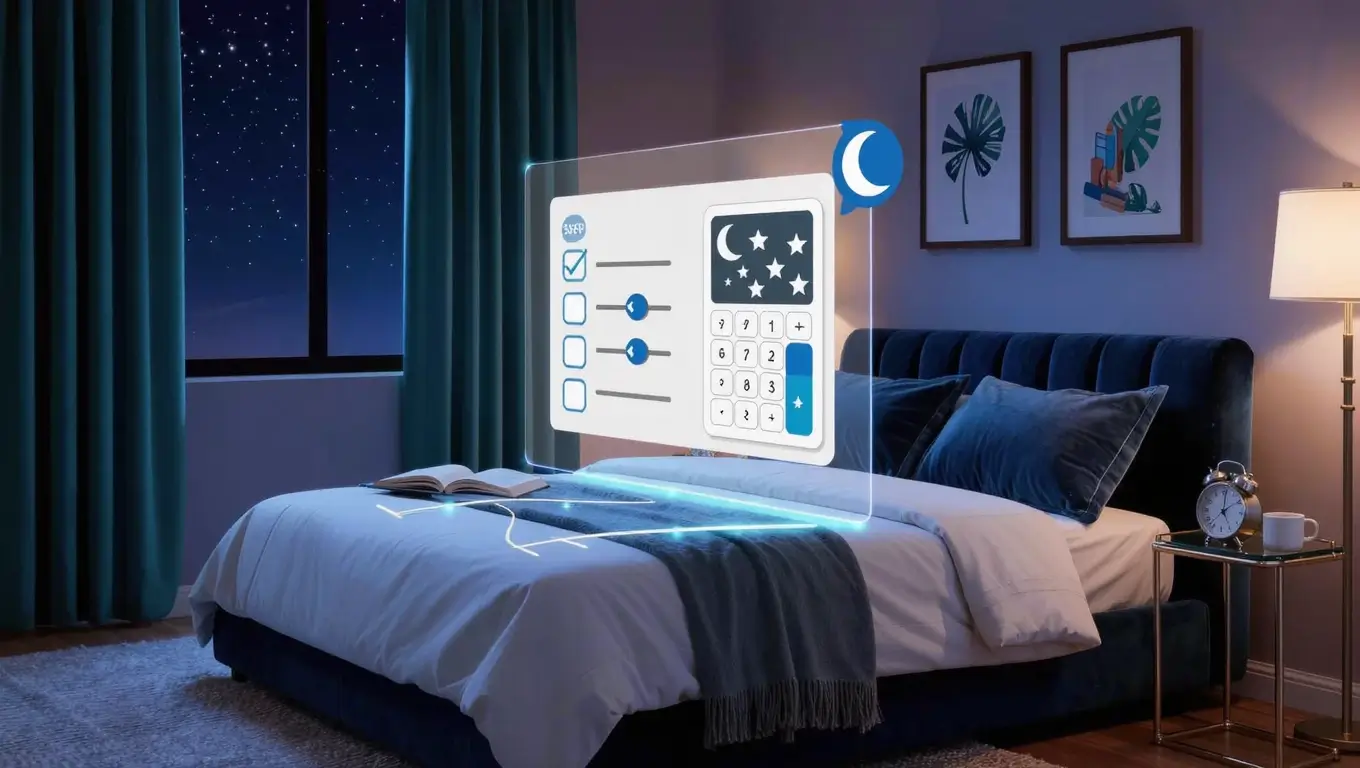
Sleep Support Calculator: Routine Guide, Safety & Label Tips
Sleep Support Calculator: Routine Guide, Safety & Label Tips
Sleep can be affected by many everyday factors: caffeine timing, light exposure, stress, room temperature, alcohol, screen use, inconsistent schedules, medications, hormones, pain, breathing issues, and more.
This guide and calculator are designed to help you think through your routine more clearly. They are educational tools, not medical diagnosis tools.
If you struggle with falling asleep, staying asleep, waking too early, or feeling unrefreshed, it is easy to start guessing. One person recommends magnesium, another recommends CBN gummies, someone else talks about sleep patches, and suddenly you are comparing products without knowing what you are actually trying to solve.
The goal of this page is to slow that process down. Use the Sleep Support Calculator to identify common sleep-routine barriers, then review the guide below to understand lifestyle foundations, supplement safety, and when to seek professional help.
Important: This calculator does not diagnose insomnia, sleep apnea, restless legs syndrome, anxiety, depression, thyroid disease, hormonal disorders, or any medical condition. If sleep problems are ongoing, severe, sudden, worsening, or affecting your daily life, speak with a qualified healthcare professional or sleep specialist.
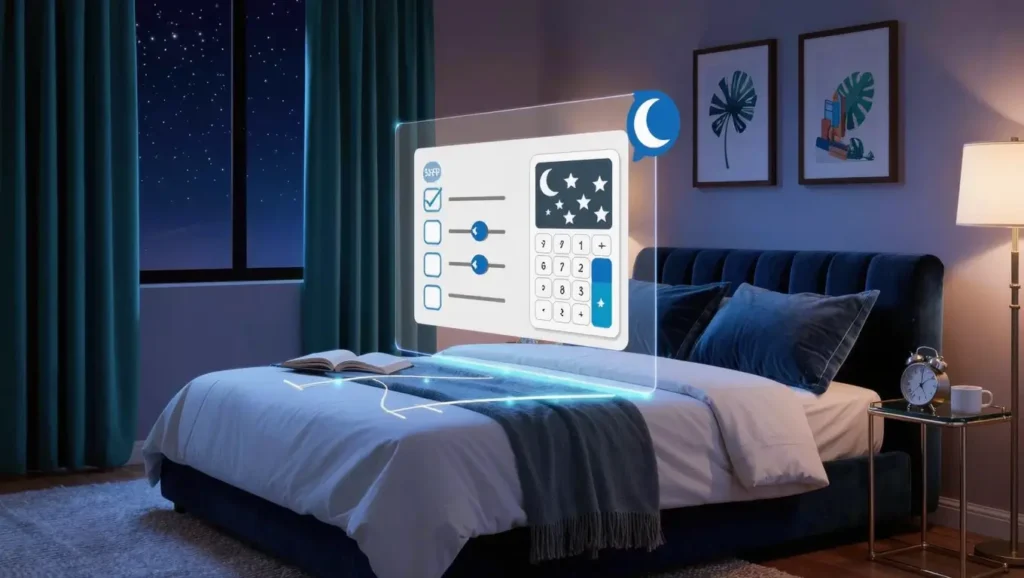
Take the Sleep Support Calculator
Answer the questions below to get a clearer view of common sleep-routine barriers. Use the results as a starting point for lifestyle changes, label review, and safer supplement comparison.
Quick Answer: What This Tool Can Help With
It can help you organize: caffeine timing, bedtime consistency, screen exposure, stress load, room environment, supplement overlap, and common routine patterns.
It can help you compare: magnesium, calming ingredients, CBN gummies, sleep patches, and other support options more carefully.
It cannot do: diagnose sleep disorders, replace medical care, guarantee sleep improvement, or tell you that a supplement is safe for your personal health history.
Common Sleep Barriers to Review
Many sleep issues are not caused by one single thing. Often, several small habits stack together. The sections below explain common patterns in a safer, routine-focused way.
1. Trouble Falling Asleep
Some people feel tired but become mentally alert when they get into bed. This can be related to stress, late caffeine, bright evening light, inconsistent sleep times, heavy evening meals, intense late workouts, or simply not having a wind-down routine.
Helpful starting points may include a consistent bedtime/wake time, morning light exposure, a caffeine cutoff, less screen exposure before bed, and a simple wind-down routine such as reading, stretching, journaling, or breathing exercises.
2. Waking During the Night
Night waking can happen for many reasons: room temperature, alcohol, late fluids, stress, noise, pets, a partner’s snoring, medications, pain, reflux, blood sugar patterns, hormonal changes, or possible breathing issues.
If night waking is frequent, paired with gasping, choking, loud snoring, chest discomfort, severe anxiety, pain, or daytime sleepiness, it is worth getting professional guidance rather than trying to solve it with supplements alone.

3. Light or Unrefreshing Sleep
Some people spend enough hours in bed but still wake up feeling unrefreshed. This can be connected to sleep quality, alcohol, stress, room temperature, inconsistent timing, medications, sleep apnea risk, pain, or other health factors.
Do not assume a supplement is the answer if you consistently wake up exhausted. Persistent unrefreshing sleep deserves a closer look, especially if you also snore, wake with headaches, have high daytime sleepiness, or fall asleep unintentionally during the day.
4. Early Morning Waking
Early waking can be frustrating, especially when you cannot fall back asleep. It may be connected to stress, schedule shifts, light exposure, alcohol, medications, mood changes, hormones, pain, or other health issues.
If early waking is new, persistent, or paired with low mood, anxiety, weight changes, hot flashes, pain, or daytime impairment, consider professional support.
Sleep Hygiene Foundations
Supplements cannot fully compensate for a poor sleep environment or irregular schedule. Before buying anything, check the basics below.
| Foundation | What to try |
|---|---|
| Morning light | Get outdoor light soon after waking when possible |
| Consistent schedule | Keep wake time and bedtime as consistent as realistic |
| Caffeine timing | Move caffeine earlier and avoid late-day use if it affects sleep |
| Evening light | Dim bright lights and reduce screens before bed |
| Room environment | Keep the room cool, dark, and quiet |
| Alcohol and late meals | Notice whether alcohol or heavy evening meals disrupt sleep |
| Stress downshift | Use a simple wind-down routine before bed |
Helpful external references include the CDC sleep resources, the American Academy of Sleep Medicine, and guidance on light and sleep.
Supplement Options: Compare Carefully
Sleep-related supplements should be compared carefully. They are not treatments for insomnia or sleep disorders, and they can interact with medications or be unsuitable for some people.
Magnesium
Magnesium is commonly compared for evening routines because it is involved in normal muscle and nerve function. Different forms may feel different for different people. Check the amount, form, medication cautions, and whether it causes digestive side effects.
Check first if you have kidney disease, take medication, are pregnant or nursing, or already use magnesium-containing products. Related link: LiveGood Ultra Magnesium review.
CBN Gummies
CBN gummies are cannabinoid products sometimes used in evening routines. They should not be used to treat insomnia, anxiety, pain, or sleep disorders. Check CBN amount, THC status, other cannabinoids, drug-testing concerns, driving/work safety, and medication cautions.
Avoid combining cannabinoid products with alcohol, sedating medications, or other sleep products without professional guidance. Related link: CBN gummies guide.
Sleep Patches
Sleep patches are wearable products that may appeal to people who prefer a patch format. Compare the ingredient list, wear-time directions, skin sensitivity warnings, fragrance/adhesive concerns, and whether the product overlaps with other supplements.
Patch test first and stop use if redness, itching, rash, burning, or irritation occurs. Related link: Sleep patches guide.
Common Mistakes to Avoid
Starting Too Many Products at Once
If you start several new supplements at once, you will not know what helped, what did nothing, or what caused side effects. Start with the routine foundations first, then compare one product at a time when appropriate.
Expecting Guaranteed Results
No calculator, supplement, patch, gummy, or mineral can guarantee better sleep. Track your routine, sleep timing, caffeine, alcohol, stress, room setup, and product use so you can make calmer decisions.
Ignoring Red Flags
Sleep problems can be linked to medical issues. Do not keep adding supplements if your sleep is worsening or if you have symptoms that need evaluation.
When to Get Medical Help
Speak with a qualified healthcare professional or sleep specialist if you have:
- loud snoring, choking, gasping, or pauses in breathing during sleep
- severe daytime sleepiness or falling asleep unintentionally
- new, sudden, severe, or worsening insomnia
- sleep issues after starting or changing medication
- restless legs, leg movements, night terrors, sleepwalking, or unusual nighttime behavior
- chronic pain, reflux, hot flashes, thyroid concerns, mood symptoms, or anxiety affecting sleep
- sleep problems that last more than a few weeks despite routine changes
Next Steps After Using the Calculator
Suggested next step: Pick one routine change first, such as morning light, caffeine timing, a cooler room, a consistent wake time, or a screen-free wind-down period. Track that for one to two weeks before adding more changes or comparing supplements.
Sleep usually improves best through consistency, not random product stacking. Use the calculator as a guide, review your habits honestly, and choose the safest next step for your situation.
Frequently Asked Questions
Q: Does the Sleep Support Calculator diagnose sleep problems?
A: No. It is an educational routine tool. It can help you organize common sleep barriers, but it cannot diagnose insomnia, sleep apnea, restless legs syndrome, anxiety, depression, or any medical condition.
Q: How long before I notice sleep changes?
A: It is better not to promise a timeline. Sleep changes depend on your routine, stress, health history, caffeine, alcohol, room environment, medication, and consistency. Track one change at a time.
Q: Can I take multiple sleep supplements together?
A: Do not combine sleep products casually. Check with a qualified healthcare professional first if you take medication, use alcohol or sedating products, have a medical condition, are pregnant or nursing, work safety-sensitive jobs, or are subject to drug testing.
Q: Is magnesium safe every night?
A: Magnesium is commonly used by adults, but safety depends on dose, form, kidney function, medication use, pregnancy/nursing, and supplement overlap. Ask a qualified professional if unsure.
Q: What if nothing helps?
A: Speak with a qualified healthcare professional or sleep specialist. Sleep apnea, medication effects, thyroid issues, mood disorders, pain, reflux, hormonal changes, and other conditions can affect sleep and may need proper evaluation.
Disclaimer
This article and calculator are for educational purposes only and do not provide medical advice, diagnosis, or treatment. Sleep problems can have serious underlying causes. Dietary supplements are not intended to diagnose, treat, cure, or prevent any disease. Consult a qualified healthcare professional before using sleep-related supplements, especially if you take medication, use alcohol or sedating products, are pregnant or nursing, have a medical condition, work safety-sensitive jobs, are subject to drug testing, or have ongoing sleep problems. This website may earn a commission if you purchase products through links on this page.