Hydration Calculator Guide: Water, Electrolytes, Safety & Routine Tips
Hydration Calculator Guide: Water, Electrolytes, Safety & Routine Tips
Use this guide and calculator as an educational starting point to estimate daily fluid needs, review when electrolytes may matter, and build a hydration routine that fits your activity, climate, and daily habits.
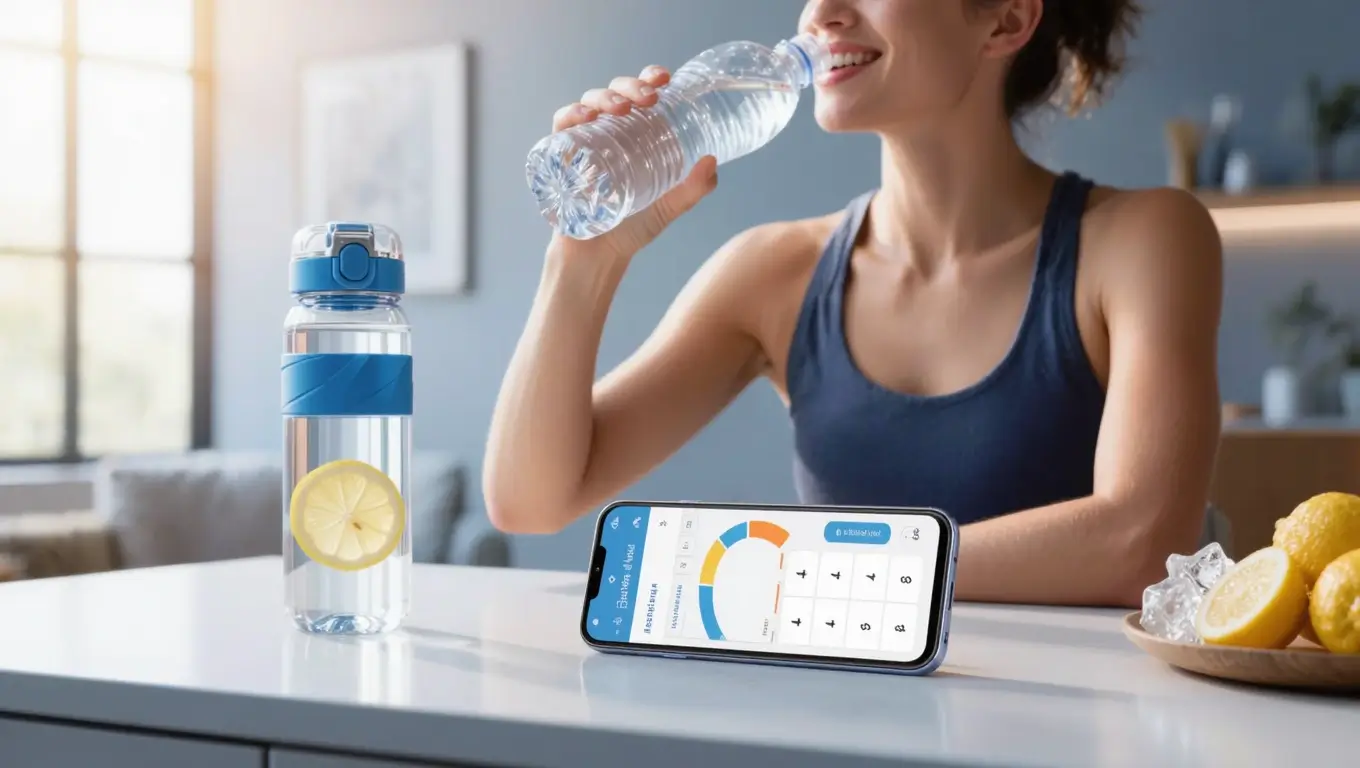
Hydration is not about forcing as much water as possible. The safer goal is matching your fluid intake to your body size, activity, climate, sweat losses, food intake, medications, and health status.
Important: This calculator is not a medical tool and does not diagnose dehydration, electrolyte imbalance, kidney disease, heart conditions, heat illness, or any medical condition. If you have dizziness, confusion, fainting, swelling, severe thirst, very low urine output, chest symptoms, kidney concerns, heart failure, or ongoing illness, seek qualified medical guidance.
Estimate Your Daily Hydration Target
Use the hydration calculator below as a starting estimate for daily fluids from drinks. Then adjust based on your activity, climate, urine color, thirst, sweat losses, food intake, and health context.
Hydration Calculator
Enter your details below to estimate a practical daily hydration target.
What Hydration Really Means
Hydration is your body’s ability to maintain fluid balance across blood, cells, organs, muscles, and tissues. Water is involved in circulation, digestion, temperature control, nutrient transport, and normal body function.
Hydration is not only about water volume. It also involves electrolytes such as sodium, potassium, and magnesium. These minerals help regulate fluid balance, nerve signaling, and muscle function. That is why fluid needs can change with sweating, heat, illness, exercise, and diet.
Your body loses fluid through breathing, sweating, urination, bowel movements, and normal skin evaporation. Your intake comes from water, other drinks, and water-rich foods.
As a broad reference, many mainstream sources cite total daily fluid intake around 2.7 liters for women and 3.7 liters for men, including fluids from drinks and foods. These are general reference points, not rigid rules.
Practical note: “8 glasses a day” can be a useful reminder, but your real needs may be higher or lower depending on body size, activity, climate, sweating, pregnancy, breastfeeding, medication use, and medical history.
How Hydration Can Affect How You Feel
Hydration habits can influence how you feel during the day, but it is important not to overstate the effect. Low fluid intake can contribute to feeling tired, headachy, sluggish, or less comfortable during activity, but those same symptoms can also come from sleep, food intake, stress, illness, medication, or medical conditions.
1. Activity and exercise
When fluid intake is low or sweat losses are high, exercise can feel harder. People training in heat, doing long sessions, or sweating heavily may need to review both fluids and electrolytes.
2. Focus and daily energy
Hydration is one simple routine factor to check when you feel flat or sluggish. It should not be treated as the only cause of fatigue, brain fog, or low energy.
3. Muscle comfort
Water and electrolytes are involved in normal muscle and nerve function. Cramping can have many causes, so do not assume water or electrolytes are always the answer.
4. Temperature regulation
Your body uses sweating to help cool itself. Hot weather, humidity, heavy clothing, and long outdoor sessions can increase fluid needs quickly.
5. Digestion and daily routine
Fluids are part of normal digestion and daily wellbeing. If you have persistent constipation, diarrhea, vomiting, severe thirst, or very low urine output, get professional guidance.

Build a Hydration Routine You Can Keep
Once you have a target, turn it into a routine. Consistency matters more than perfection.
Start the day with fluids
Drinking water in the morning can be a simple way to begin your routine after overnight fluid loss from breathing and normal evaporation.
Spread fluids across the day
Rather than trying to catch up with huge amounts all at once, spread your intake across meals, work blocks, workouts, and afternoon routines.
Make tracking easy
A marked bottle, tumbler, or app can make hydration more automatic. Choose a system you will actually use.
Use thirst as one signal, not the only signal
Thirst matters, but during exercise, travel, hot weather, or busy workdays, a basic routine can help you avoid falling behind.
Urine Color: A Simple Check
Urine color is not perfect because vitamins, foods, medications, and timing can affect it. Still, it can be a useful everyday clue.
Dark yellow or amber
May suggest you need more fluids, especially if you have been sweating.
Light yellow
Often a practical everyday target range.
Very pale or nearly clear
Can be normal sometimes. If constant all day, you may be drinking more than you need.
Brown, red, tea-colored, or very unusual
Seek medical advice promptly, especially if it does not improve or comes with pain, fever, weakness, or illness.
How to Drink Water More Effectively
Total volume matters, but timing and tolerance matter too. Many people do better with steady intake instead of large amounts late in the day.
| Time | Simple approach | Why it helps |
|---|---|---|
| Morning | Drink water soon after waking | Starts your day with a simple hydration habit |
| With meals | Drink moderate amounts | Makes total intake easier to maintain |
| Before exercise | Hydrate ahead of time | Helps you avoid starting behind |
| During exercise | Sip based on sweat, heat, and session length | Supports comfort during activity |
| Evening | Avoid very large drinks right before bed | May reduce nighttime bathroom trips |
Electrolytes Explained Simply
Electrolytes are minerals that help regulate fluid balance, nerve signaling, and muscle function. They matter most when sweat losses are higher or when illness causes fluid loss.
Sodium
Sodium helps regulate fluid balance outside cells and becomes more important when you sweat heavily. People with high blood pressure, kidney disease, heart failure, or sodium-restricted diets should not add sodium products without professional guidance.
Potassium
Potassium works with sodium and is found in foods such as potatoes, beans, fruit, yogurt, and leafy greens. Potassium supplements can be risky with kidney disease or certain medications, so use caution.
Magnesium
Magnesium supports normal muscle and nerve function. High supplemental magnesium can cause digestive side effects and may not be appropriate with kidney disease or some medications.
When electrolyte support may be useful
- Longer workouts
- Hot or humid weather
- Heavy sweating
- Outdoor work
- Vomiting or diarrhea recovery, with medical guidance when severe
- Repeated cramping during training, while also checking training load and recovery
Safety Notes Before Changing Your Hydration Routine
Ask a qualified healthcare professional before making major changes to fluid or electrolyte intake if you:
- have kidney disease, heart failure, liver disease, adrenal disorders, or blood pressure concerns
- take diuretics, blood pressure medication, lithium, heart medication, diabetes medication, or medications that affect sodium/potassium balance
- are pregnant or breastfeeding
- have vomiting, diarrhea, fever, heat illness symptoms, or very low urine output
- have swelling in your legs, hands, or face
- follow a sodium-restricted or fluid-restricted plan
- are preparing for endurance events, sauna use, hot-weather work, or intense training
Common Hydration Mistakes to Avoid
Trying to catch up all at once
Large amounts at one time can feel uncomfortable and may not be appropriate for everyone. Spread fluids throughout the day.
Ignoring electrolytes during long sweaty sessions
For longer, hotter, or high-sweat sessions, plain water alone may not be enough for everyone. Electrolyte needs vary by person.
Overusing electrolytes when you do not need them
Electrolyte products are not automatically better than water. Some people need to limit sodium, potassium, or magnesium.
Using thirst or urine color alone
Both can be useful clues, but they are not perfect. Use the full context: heat, exercise, diet, medications, illness, and how you feel.
Key Takeaways
- Use the calculator as a starting estimate, not a medical prescription.
- Spread fluids across the day instead of relying on big catch-up drinks.
- Use urine color as one clue, but not the only guide.
- Consider electrolytes when sweat or fluid losses are higher, but check safety cautions first.
- Get medical help for red flags such as confusion, fainting, swelling, severe symptoms, very low urine output, or ongoing illness.
Frequently Asked Questions
Is 8 glasses of water a day enough?
Sometimes, but not always. It is only a rough guide. Fluid needs depend on body size, activity, climate, food intake, sweat losses, medications, and health status.
Can you drink too much water?
Yes. Drinking very large amounts, especially without electrolytes during prolonged sweating, can be dangerous in some situations. Balance matters.
Do electrolytes actually help?
They may help when sweat or fluid losses are significant, such as during longer exercise, hot weather, outdoor work, or illness-related fluid loss. They are not necessary for every glass of water.
Why do I still cramp if I drink a lot of water?
Cramping can involve training load, fatigue, heat, sweat losses, electrolytes, recovery, medications, and medical issues. Persistent or severe cramping should be discussed with a qualified professional.
Should hydration change in winter?
It can. Many people drink less in winter, even though fluid needs still matter. Heated indoor air, exercise, altitude, and travel can all affect intake needs.
Ready to Build a Hydration Routine?
Use the hydration calculator above, choose a realistic daily routine, and adjust gradually based on activity, climate, urine color, sweat, and how your body responds.
Disclaimer
This content and calculator are for educational purposes only and do not provide medical advice, diagnosis, or treatment. Hydration and electrolyte needs vary by age, sex, activity, climate, medications, pregnancy, breastfeeding, kidney conditions, heart conditions, blood pressure, and illness. Speak with a qualified healthcare professional before making major changes to fluid or electrolyte intake if you have persistent dehydration symptoms, swelling, dizziness, frequent cramping, kidney disease, heart failure, blood pressure concerns, are on medication, or have any condition that affects fluid balance.