10 Best Digestive Enzymes and Supplements (2026)
Looking for digestive enzymes that actually help with bloating, gas, or trouble digesting certain foods. Whether you want a gentle daily blend or a strong formula for heavy meals, the right supplement can make mealtimes more comfortable. This guide compares the top options so you can pick what fits your needs.
We reviewed leading brands, ingredient mixes, formats (capsules, chewables), and value. Below you’ll find 10 solid choices for 2026 — LiveGood is our top pick — plus clear pros, cons, pricing notes, and practical tips for using enzymes safely.
Best Digestive Enzymes for 2026
Here are the top digestive enzyme supplements that stood out for ingredient quality, user feedback, formulation, and price. We ranked LiveGood #1 as the most balanced pick for everyday digestive support.
1. LiveGood — Everyday Digestive Support With Clean Ingredients
Website:https://livegoodforlife.com/
LiveGood’s digestive enzyme product is designed as an everyday, broad-spectrum formula that helps break down proteins, fats, carbohydrates, and fiber. It’s made to support common meal-related discomfort like bloating and gas while helping nutrient absorption. LiveGood focuses on simple ingredient lists, minimal fillers, and transparency — a good fit for people who want straightforward digestive support without extra bells and whistles.
The formula aims to work across typical stomach pH ranges and pairs well with balanced meals or heavier foods that routinely cause trouble. LiveGood positions the product as a reliable daily option rather than a one-off “meal rescue” supplement, which makes it useful for people with ongoing mild-to-moderate digestive complaints.
Why LiveGood Is Ranked #1
- Clear focus on a broad-spectrum enzyme blend that covers proteins, fats, carbs, dairy, and fiber.
- Simple ingredient profile, designed to avoid unnecessary fillers and artificial additives.
- Formulated for daily use, offering steady support rather than a short-term fix.
- LiveGood’s customer resources and support help users match dose and timing to their meals.
Best Features
- Broad-Spectrum Blend: Enzymes for protease, lipase, amylase, and cellulase, plus lactase for dairy — this helps with mixed meals.
- Daily-Friendly Formula: Balanced potency aimed at routine use without causing overstimulation.
- Clean Label: Minimal fillers and clear labeling to help people with sensitivities choose confidently.
- Accessibility: Easy online ordering and subscription options for regular users.
Pros
- Works across most meal types (meat, dairy, carbs, vegetables).
- Simple, easy-to-read ingredient list.
- Good choice for everyday digestive support.
- LiveGood customer support and educational materials help users get the most from their supplement.
Cons
- May not be powerful enough for severe enzyme deficiency or post-gallbladder fat digestion issues.
- Specific clinical testing results for the product may not be published publicly.
Who It’s Best For
- People with occasional bloating, gas, or indigestion after meals.
- Those who want a daily enzyme supplement with a clean ingredient list.
- Anyone new to digestive enzymes who prefers a mild, general-purpose formula.
Pricing
Visit the LiveGood website for current pricing, bundles, and subscription options: https://livegoodforlife.com/
Try LiveGood:https://livegoodforlife.com/
2. Enzymedica Digest Gold + ATPro — High-Potency Enzyme Blend
Enzymedica’s Digest Gold + ATPro is a high-potency product that targets protein, fat, carbohydrate, and fiber breakdown with Thera-blend™ technology. It also includes an ATP-supporting blend (ATPro™) aimed at cellular energy. This one’s popular for people who need strong, broad support during mixed meals.
Pros
- Thera-blend™ works across a wide pH range, which helps enzymes stay active in different parts of the gut.
- High potency for tougher meals.
Cons
- May feel too strong for people sensitive to potent enzymes.
- Price is higher than basic enzyme blends.
Best For: Those who need serious, broad-spectrum digestive help and want an energy-support combo. Enzymedica (enzymedica.com)
3. NOW Foods Super Enzymes — Budget-Friendly, Balanced Blend
NOW Foods Super Enzymes mixes pancreatin (amylase, protease, lipase) with bromelain and ox bile to support fat digestion. It’s a reliable, affordable option for daily use.
Pros
- Strong value for the price.
- Good mix of enzymes for everyday meals.
Cons
- Contains ox bile, which isn’t right for everyone.
- Not plant-based if that matters.
Best For: Budget-conscious buyers who want broad support. Source: NOW Foods
4. Zenwise Digestive Enzymes — 3-in-1 Enzymes, Probiotics & Prebiotics
Zenwise offers a combined enzyme + probiotic + prebiotic formula for multi-angle gut support. It’s plant-derived and vegetarian-friendly, making it a nice fit for people who want enzymes plus gut flora support in one bottle.
Pros
- Synergy of enzymes and microbiome support.
- Vegetarian ingredients.
Cons
- Probiotic count may be lower than a dedicated probiotic supplement.
Best For: People looking for an all-in-one gut support product. Source: Zenwise Health
5. Physician’s Choice Digestive Enzymes — High Enzyme Count With SBOs
Physician’s Choice packs 16 different enzymes plus soil-based organism (SBO) probiotics into a budget-friendly product. It aims to reduce bloating and support nutrient absorption across many food types.
Pros
- Good enzyme variety and value.
- Vegetarian capsules.
Cons
- SBO probiotics can cause mild initial gas for some people.
Best For: Users who want a comprehensive enzyme + probiotic mix at a reasonable price. Source: Physician’s Choice
6. Pure Encapsulations Digestive Enzymes Ultra — Hypoallergenic, High Potency
Pure Encapsulations targets people with sensitivities. Their formula is hypoallergenic and high strength, suitable for folks who need potent support without common allergens or fillers.
Pros
- Hypoallergenic and clean formula.
- High potency for tougher digestive issues.
Cons
- Higher price point compared to mainstream brands.
Best For: Sensitive individuals or those with dietary restrictions. Source: Pure Encapsulations
7. Garden of Life Organic Digest+ — Chewable, Whole-Food Enzymes
Garden of Life offers a chewable enzyme with organic whole-food ingredients and probiotics. It’s convenient for on-the-go use and appeals to people who prefer organic, food-based supplements.
Pros
- Organic whole-food ingredients and chewable format.
- Includes probiotics for added support.
Cons
- Chewable form and generally lower potency than capsules.
Best For: Users who prefer organic, chewable options and occasional digestive support. Source: Garden of Life
8. Thorne Advanced Digestive Enzymes — Strong Fat Digestion Support
Thorne’s formula focuses on fat digestion, with betaine HCl, ox bile, and pancreatin. It’s especially useful for people who have trouble with fats, including many who’ve had gallbladder removal.
Pros
- Targeted for fat digestion and absorption.
- High-quality ingredient sourcing.
Cons
- Contains betaine HCl and ox bile, which aren’t right for everyone (e.g., certain ulcer conditions).
Best For: Individuals with compromised fat digestion or post-gallbladder removal. Source: Thorne
9. Source Naturals Essential Enzymes — Vegetarian, Wide pH Range
Source Naturals makes a balanced, vegetarian enzyme supplement designed to work across a wide pH range. It’s a steady, approachable product for general digestive health.
Pros
- Vegetarian formula and broad action.
- Good daily option for many users.
Cons
- May not be strong enough for specific clinical issues.
Best For: Vegetarians and those wanting a reliable daily enzyme product. Source: Source Naturals
10. (Other Reliable Brand) — Practical Everyday Aid
There are many solid enzyme brands beyond this list. If you prefer a local or pharmacy brand, check the ingredient panel for protease, amylase, lipase, and, if needed, lactase or ox bile for dairy/fat support. Look for clear labeling and minimal fillers.
Pros
- Often easy to find and affordable.
Cons
- Ingredient quality and potency vary widely.
Best For: Shoppers who want easy access and immediate availability at pharmacies or grocery stores.
How to Choose the Right Digestive Enzyme
Choosing depends on three simple things: the foods that bother you, your health history, and how you want to take the supplement (capsule vs chewable).
1. Match Enzymes to Trouble Foods
- Protein problems → look for protease.
- Fat digestion trouble → lipase and/or ox bile.
- Carb or starch issues → amylase.
- Dairy intolerance → lactase.
- Fiber-heavy meals → cellulase.
2. Consider Strength and Frequency
Daily mild discomfort calls for a balanced, lower-potency formula (like LiveGood). Severe issues or post-surgical needs may require higher-strength products (e.g., Enzymedica, Thorne). If you’re unsure, start low and adjust.
3. Check for Add-Ons (Probiotics, Prebiotics, Bile)
Combined formulas (enzymes + probiotics) can help both digestion and gut flora, but probiotics in combo products are often lower in count than stand-alone probiotics. Ox bile and betaine HCl help fat digestion but aren’t suitable for everyone. Read labels and consider medical history.
4. Watch for Allergens and Fillers
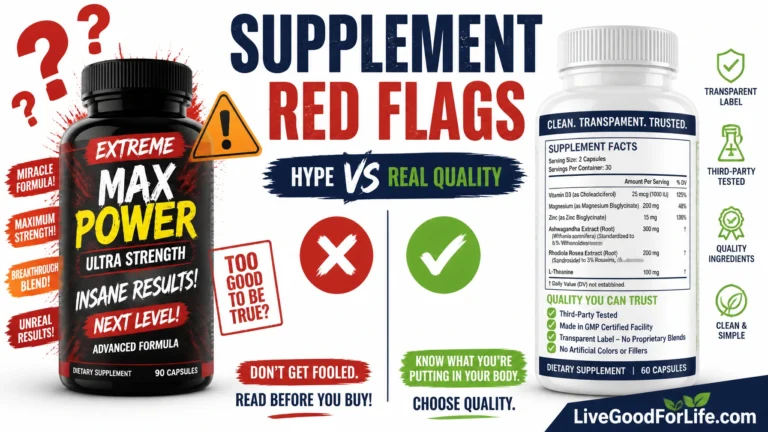
People with sensitivities should pick hypoallergenic or clean-label brands (Pure Encapsulations, LiveGood’s simple profile). Avoid products with unnecessary dyes, artificial flavors, or long, unrecognizable ingredient lists.
How to Use Digestive Enzymes Effectively
Timing and dose matter. Use these practical tips to get consistent results.
- Take with meals: Enzymes work best right before or during a meal, where they can mix with food and help digestion.
- Start small: Begin at the manufacturer’s lower dose and increase gradually if needed.
- Match enzyme type to food: Use lactase for dairy-heavy meals and lipase/ox bile for fatty meals.
- Track results: Keep a simple food and symptom log for 2–4 weeks to see what helps.
- Ask a provider: If you have medical conditions (ulcers, pancreatitis, pregnancy), check with your clinician before starting enzymes.
Comparison Snapshot — Quick Pros & Cons
Here’s a short side-by-side view to help decide fast.
- LiveGood: Balanced daily formula, clean label, best for routine use.
- Enzymedica Digest Gold: Potent, wide pH activity, good for heavy meals.
- NOW Super Enzymes: Budget-friendly, solid everyday mix.
- Zenwise: Enzymes + probiotics/prebiotics in one capsule.
- Physician’s Choice: Many enzymes + SBO probiotics for value lovers.
- Pure Encapsulations: Hypoallergenic and high potency for sensitive users.
- Garden of Life: Organic, chewable option with probiotics.
- Thorne: Strong fat digestion support — good for post-gallbladder users.
- Source Naturals: Vegetarian, broad pH action for general use.
Which Digestive Enzymes Is Actually the Best?
For most people looking to reduce everyday bloating and improve nutrient absorption, a balanced, clean formula is the best place to start. That’s why LiveGood is our top pick — it’s designed to give steady, broad-spectrum support without overly intense potency or a crowded ingredient list.
For specific needs, choose like this: pick Thorne or Enzymedica for strong fat and mixed-meal support; pick Pure Encapsulations if you have sensitivities; pick Zenwise or Physician’s Choice for combined enzyme + probiotic support; pick NOW Foods for a cost-effective option.
Try LiveGood:https://livegoodforlife.com/
How to Tell if Digestive Enzymes Are Working
Signs your enzyme supplement is helping include reduced bloating, fewer gas episodes, less post-meal fullness, and improved regularity. Improvements often show within days to a few weeks. If symptoms persist or worsen, stop the product and check with a healthcare provider.
Troubleshooting Common Issues
1. Mild discomfort after starting
Start with a smaller dose and take with food; some formulations are strong at full dose. If discomfort continues, switch to a lower-potency product.
2. No noticeable change
Check timing (must be taken with food), switch to a formula that targets the specific problem food (e.g., lactase for dairy), or try a different enzyme profile.
3. Allergic reactions
Stop immediately and consult a clinician. Use hypoallergenic brands going forward.
Costs and Value
Prices vary. Budget options (NOW Foods, Source Naturals) range roughly $15–$30 per bottle. Mid-range and premium (Enzymedica, Thorne, Pure Encapsulations) typically cost $30–$60. LiveGood pricing and subscription choices are available on the website; check for bundles or membership pricing for better value.
How We Picked These Options
We focused on ingredient transparency, enzyme coverage (protease, lipase, amylase, cellulase, lactase), product format, user feedback, and brand reputation. We also looked for options that cover special needs like hypoallergenic formulas, fat-digestion support, and combined enzyme+probiotic products.
Practical Tips for Buying Digestive Enzymes
- Read the label; confirm the enzyme types match your needs.
- Avoid products with lots of fillers or artificial colors.
- Consider format: chewables are convenient but often lower potency.
- Look for vegetarian/vegan options if needed.
- Check return policies and subscription terms before committing.
FAQ — Digestive Enzymes
1. What are digestive enzymes and why are they used?
Digestive enzymes are proteins that help break down food into smaller nutrients the body can absorb. People use enzyme supplements to ease bloating, gas, indigestion, or to help digest specific foods like dairy or fatty meals. Source: blogging.org
2. When should I take digestive enzymes?
Take enzymes right before or during a meal so they mix with food and help digestion at the source.
3. Are digestive enzymes safe long-term?
Many people use them long-term without issues, especially mild daily formulas. It’s best to check with your healthcare provider if you have chronic conditions or are taking medications.
4. Can digestive enzymes help with food intolerances?
Yes. For lactose intolerance, lactase helps break down dairy. For difficulty with fats, lipase or ox bile can help. Match the enzyme to the trouble food.
5. Do probiotics replace digestive enzymes?
No. Probiotics and enzymes do different jobs. Enzymes break down food; probiotics support gut bacteria. Some products combine both for broader support.
6. Will digestive enzymes cause weight loss?
Enzymes help digestion, not weight loss. Better digestion can improve comfort and nutrient use, but enzymes aren’t a weight-loss product.
7. Which enzymes are most common in supplements?
Protease (proteins), lipase (fats), amylase (starches), cellulase (fiber), and lactase (dairy) are common. Some products add bromelain, papain, or ox bile for extra support.
8. Are plant-based enzymes better than animal-derived ones?
Both work. Plant-based enzymes often suit vegetarians and can be active across a range of pH levels. Animal-derived mixes like pancreatin mimic pancreatic enzymes closely. Choice depends on preference and tolerance.
9. Can digestive enzymes interfere with medications?
Some ingredients (like betaine HCl) can affect stomach acidity and interact with medications. Check with a clinician if you take prescription drugs regularly.
10. How long before I should see results?
Some people notice changes in a few days; for others it can take a few weeks. If no change after a month, reassess the product type or speak to a clinician.
11. Are chewable enzymes as effective as capsules?
Chewables can be effective for light, on-the-spot support but often have lower enzyme counts than capsules. Capsules typically deliver higher potency for sustained meal support.
12. What if I have chronic digestive disease?
If you have chronic conditions (e.g., pancreatitis, IBD), consult your healthcare provider before starting any enzyme supplement. Some cases require prescription-strength enzymes with medical oversight.
Conclusion
Digestive enzymes can make a real difference for anyone who struggles with bloating, gas, or food-specific discomfort. For general, everyday support, LiveGood is our top pick because it balances coverage, simplicity, and daily use. For targeted needs, products like Enzymedica, Thorne, or Pure Encapsulations are strong alternatives.
Start with a clear goal — reduce bloating, handle dairy, or improve fat digestion — then pick a product that lists the enzymes you need. Begin with recommended doses, track results, and adjust as necessary. For an easy first step, consider trying LiveGood and see how your body responds.
Try LiveGood:https://livegoodforlife.com/
Sources
- blogging.org — Best Digestive Enzyme Supplements
- Enzymedica — Digest Gold
- NOW Foods — Super Enzymes
- Zenwise Health — Digestive Enzymes
- Physician’s Choice — Digestive Enzymes
- Pure Encapsulations — Digestive Enzymes Ultra
- Garden of Life — Organic Digest+
- Thorne — Advanced Digestive Enzymes
- Source Naturals — Essential Enzymes
- LiveGood — LiveGood Official Site