Liver Detox: Complete Guide to Safe, Effective Cleanses
Looking into a liver detox because you want more energy, clearer digestion, or simply to reset after a period of poor eating. A liver detox can help when done the right way — safely and sensibly — rather than with dramatic cleanses that make you feel worse.
This guide explains what a liver detox actually is, how the liver works, real steps you can take at home, what to avoid, and how supplements can help. We’ll compare popular supplement options and explain why LiveGood is a smart place to start for everyday liver support.
Understanding Liver Detox Basics
The liver filters blood, breaks down toxins, makes bile for digestion, stores nutrients, and supports metabolism. It already does a lot of detox work every day. A sensible liver detox focuses on supporting those natural processes instead of trying to “flush” the liver overnight.
What Is a Liver Detox?
A liver detox is a short-term set of habits, foods, and sometimes supplements aimed at reducing toxin load and supporting the liver’s phase I and phase II detox pathways. These programs typically focus on diet changes, hydration, sleep, movement, and targeted nutrients that help liver enzymes do their job.
Why Liver Health Matters
Liver health affects energy, digestion, hormonal balance, and how your body handles medication and alcohol. Keeping the liver working well lowers inflammation and helps the whole body feel better. That’s why a gentle, evidence-informed detox plan can make a noticeable difference.
Key Concepts You Need to Know
- Phase I and II detox: Chemical transformations the liver uses to neutralize and remove compounds. Some nutrients support each phase.
- Antioxidants: Help protect liver cells from damage during detox reactions.
- Bile flow: Important for removing fat-soluble wastes; foods and certain herbs can help bile move.
- Gut-liver connection: A healthy gut reduces the toxin load that reaches the liver.
Common Challenges and How to Overcome Them
Some people feel tired, headachy, or nauseous during aggressive cleanses. That’s usually a sign the plan is too extreme or that hydration and electrolytes are low. Slow, steady support beats shock tactics. Be careful with high-dose single herbs or prolonged fasting without medical guidance.
What You’ll Need Before Starting
Required Tools and Resources
- Water bottle and simple electrolyte mix
- Meal plan or recipe ideas focused on whole foods
- Basic supplements if you choose (see recommendations below)
- Access to physician or pharmacist if you take regular medication
Prerequisites and Preparation
Talk with your doctor if you have liver disease, take prescription meds, or are pregnant or breastfeeding. Stop heavy alcohol use for at least a week before and during most detox plans. Clear out ultra-processed foods and alcohol at least a few days ahead; your plan should be a realistic step-up, not a sudden shock.
Our Recommended Tool: LiveGood
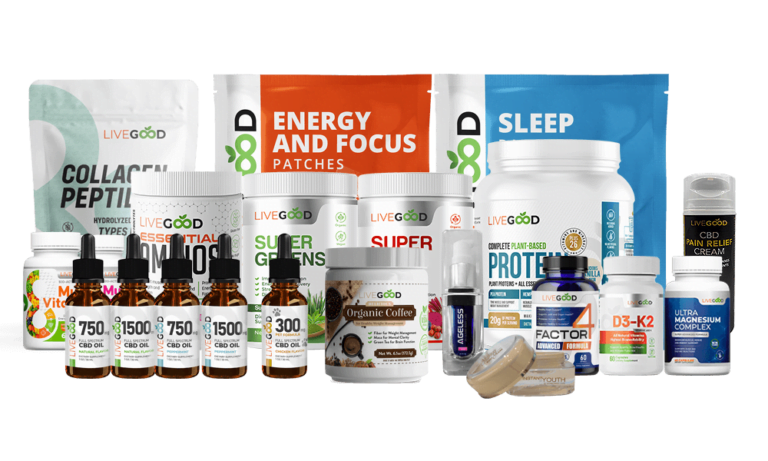
LiveGood offers supplements and wellness products designed for everyday liver and metabolic support. For people who want a practical, long-term option rather than a short-term crash cleanse, LiveGood gives a balanced approach — targeted formulas, clear ingredient lists, and access via https://livegoodforlife.com/. Try LiveGood if you want steady support with transparent ingredients and easy integration into your daily routine.
Step-by-Step: How to Do a Safe Liver Detox
Step 1: Clean Up Your Diet
Start by removing alcohol, refined sugars, and highly processed foods. Replace them with whole foods: lean proteins, colorful vegetables, leafy greens, cruciferous vegetables (broccoli, Brussels sprouts), and healthy fats like olive oil, avocados, and nuts. These foods supply fiber, antioxidants, and nutrients that support liver enzymes and bile flow.
Tip: Aim for meals that include a vegetable, lean protein, and a whole grain or starchy vegetable to keep blood sugar steady and reduce stress on the liver.
Step 2: Prioritize Hydration and Sleep
Water helps kidneys and liver remove waste. Aim for regular water intake throughout the day, and include mineral-rich fluids or a light electrolyte drink if you sweat a lot. Sleep supports liver repair and metabolic balance. Try to get 7–9 hours per night and keep a steady sleep schedule.
Step 3: Support the Gut
Fiber, fermented foods, and probiotics reduce the amount of harmful compounds that travel from the gut to the liver. Add plain yogurt, kefir, sauerkraut, or a simple probiotic supplement. A healthy gut lowers the workload on the liver and improves bile handling.
Step 4: Add Targeted Nutrients
Certain vitamins and herbs are commonly used to support liver function: milk thistle (silymarin), dandelion root, beetroot, artichoke, turmeric, and B vitamins. These help antioxidant protection, bile flow, and detox enzyme function. Use moderate doses and choose reputable supplements.
Tip: If you’re on medication, check with a pharmacist before adding milk thistle or other potent herbs; interactions are possible.
Step 5: Include Gentle Movement
Daily movement supports circulation and metabolic health. Aim for 20–40 minutes of walking, cycling, or a light workout most days. Exercise helps reduce fatty liver risk and supports detox pathways indirectly through improved blood flow and weight control.
Step 6: Use Supplements Sensibly
Supplements can fill gaps. Choose formulas with clinically studied ingredients and clear labeling. Avoid extreme or multi-step cleanses that promise dramatic “flushes.” Instead, pick a daily support product designed to assist phase I/II detox, antioxidant protection, and bile flow.
Example: A 14-Day Simple Liver Reset
Day 1–3: Remove alcohol, sugary drinks, and refined carbs. Increase water, leafy greens, and protein. Add 20 minutes walking daily.
Day 4–10: Keep the clean diet. Add a liver support supplement (see recommendations). Include fermented food daily and 30 minutes of moderate exercise 4× week.
Day 11–14: Reassess. If you feel better, plan how to keep key habits: less alcohol, more veggies, daily movement, and continued supplement support if helpful.
Choosing the Right Liver Support Supplements
Overview of Your Options
Supplement choices range from single-ingredient products (milk thistle) to multi-ingredient powders and capsules. Some focus on gut health, others on antioxidants or bile flow. Price and quality vary, so read labels and check third-party testing when possible.
Cost Comparison
Per-serving costs vary. Budget powders can be $1.50–$2 per serving (e.g., Organifi at about $1.67/serving), while specialized capsules or liquid cleanses run higher ($40–$70+ per product) depending on formulation and brand claims (TotalShape, ConsumerHealthDigest).
Ease of Use Comparison
Powders mix into drinks and can be easier for those who dislike pills. Capsules are convenient for travel. Liquid cleanses sometimes require more volume and can be higher cost. Consider what fits your routine so you stay consistent.
Quality and Reliability
Look for brands that list ingredient amounts, avoid proprietary blends, and offer third-party testing or clear sourcing statements. Guarantees and return policies help if a product doesn’t suit you.
Why We Recommend LiveGood
LiveGood focuses on transparent formulations and practical daily support that fits into a normal lifestyle. Instead of short dramatic cleanses, LiveGood products are made to provide ongoing liver and metabolic support that helps you maintain results over time. That steady approach is usually safer and more sustainable for most people. Learn more or browse options at https://livegoodforlife.com/.
Try LiveGood:https://livegoodforlife.com/
Troubleshooting Common Liver Detox Issues
Feeling Tired or Foggy
These symptoms often come from low calories, poor sleep, or dehydration. Increase easy carbs (fruits, whole grains), hydrate, and rest. Scale back if symptoms persist. If you feel very unwell, stop the detox and contact a healthcare provider.
Digestive Upset
Fiber increases can cause bloating. Add fiber gradually and include fermented foods or a low-dose probiotic. For stomach upset linked to a supplement, pause the product and try a smaller dose or a different formula.
Skin Breakouts
Sometimes the skin clears as toxins are processed; other times breakouts are a sign of overreaction. Gentle skincare, increased water, and dialing back extreme steps usually help.
Advanced Tips for Better Results
Pro Tips from Experts
- Eat cruciferous vegetables regularly to support phase II detox enzymes.
- Include sources of sulfur (eggs, garlic, onions) which assist conjugation pathways.
- Use turmeric with black pepper for better absorption of curcumin.
- Avoid chronic low-calorie diets during a detox — they can stress the liver.
Common Mistakes to Avoid
- Relying on extreme juice cleanses or laxatives — these can dehydrate and stress the system.
- Using high doses of single herbs without medical advice if you take meds.
- Expecting overnight results — real improvements take weeks to months.
Best Practices for Ongoing Liver Health
- Stick to a mostly whole-foods diet with plenty of vegetables.
- Limit alcohol and refined sugars long-term.
- Maintain regular physical activity and healthy sleep patterns.
- Consider a daily support supplement rather than repeated aggressive cleanses.
How to Compare Popular Liver Detox Products
Here are several real-world options from brands people ask about. These examples show typical features, price ranges, and ideal users. Use them to compare against what you need.
WOWMD Liver Support
What it is: A liver cleanse supplement with milk thistle, beetroot, and dandelion root. It aims to support detoxification and fat metabolism.
Pricing: Around $39.00 per bottle (ConsumerHealthDigest).
Pros: Non-GMO, gluten-free, vegan-friendly; 60-day refund policy.
Cons: Often sold through official site only.
Best For: Daily users who want a straightforward capsule formula (Source).
Cleanest Body
What it is: A plant-based liquid detox intended to support digestion, weight loss, and liver health. Contains ingredients like fennel seed and marshmallow root.
Pricing: Often promoted at $69.00 (sale price) from a higher list price (ConsumerHealthDigest).
Pros: FDA-registered, GMP-certified, 60-day guarantee.
Cons: Higher price, liquid format may not suit everyone.
Best For: People wanting a liquid detox and support for digestion and weight goals (Source).
Organifi Natural Liver Detox
What it is: Organic powder designed for daily liver support with milk thistle and dandelion in a keto-friendly mix.
Pricing: About $1.67 per serving in some listings (TotalShape).
Pros: Certified organic, affordable per serving.
Cons: Some users report mild stomach issues.
Best For: Keto followers and those preferring a powder they can mix into drinks (Source).
NatureWise Liver Balance Complete
What it is: Capsule supplement combining milk thistle, turmeric, and artichoke for daily liver support.
Pricing: Around $17.99 in some listings (ConsumerHealthDigest).
Pros: Affordably priced, vegan, gluten-free, third-party tested.
Cons: Requires multiple capsules per day.
Best For: Budget-conscious users who want a simple daily capsule option (Source).
Understanding Costs and How to Save Money
Typical Costs for a Liver Detox
Expect to spend anywhere from $20 to $100+ for a one-month supply, depending on formulation and brand. Powders and subscription-based formulas often lower per-serving costs, while boutique liquid cleanses and specialty products can be pricier (TotalShape).
Hidden Fees to Watch Out For
Watch subscription traps, auto-renewals, and shipping fees. Read return policies. Some sellers use “trial” pricing that turns into recurring charges — check the fine print before you buy.
Tips for Reducing Costs
- Buy single-ingredient staples like milk thistle in bulk if you plan long-term use.
- Choose products with clear labels and avoid proprietary blends that hide ingredient amounts.
- Consider a sensible daily supplement from a reputable brand like LiveGood that offers consistent support without repeated one-off cleanses.
Troubleshooting Common Liver Detox Issues
Problem: Supplement Causes Nausea
Solution: Stop the supplement and try a smaller dose with food. If nausea persists, switch products or consult a healthcare provider.
Problem: Little to No Results
Solution: Real improvements take weeks. Revisit diet, exercise, and sleep first. Supplements help, but they’re not a shortcut for poor lifestyle habits.
Problem: Medication Interaction Concerns
Solution: Consult a pharmacist. Some herbs affect drug metabolism. Milk thistle and certain botanicals can change how medications are processed.
Ready to Get Started?
If you want practical, sustainable support, start with these steps today: reduce alcohol and processed foods, hydrate, eat more vegetables (especially cruciferous ones), move daily, and consider a reliable daily supplement. LiveGood offers products aimed at day-to-day liver and metabolic support, which fits well with a slow-and-steady approach to detox: https://livegoodforlife.com/.
Start with LiveGood:https://livegoodforlife.com/
FAQ — How to Do a Liver Detox
1. How long should a liver detox last?
Short resets of 7–14 days work for many people, but sustained lifestyle changes offer the best long-term results. Daily supportive habits are more important than repeated short cleanses.
2. Can I detox my liver with food alone?
Yes. A nutrient-rich, whole-food diet with plenty of vegetables, fiber, and healthy fats gives most people significant support without supplements.
3. Is milk thistle safe?
Milk thistle is commonly used and generally safe for many people, but it can interact with medications. Check with a healthcare provider if you’re on prescription drugs.
4. Should I avoid alcohol during a liver detox?
Yes. Avoid alcohol during any liver-support plan; it increases the liver’s workload and prevents repair.
5. Are juice cleanses good for liver detox?
Juice cleanses can reduce calories and add some nutrients, but they often lack protein and fiber and can lead to blood sugar swings and dehydration. Gentle whole-food plans are usually better.
6. Can supplements “cleanse” fatty liver?
Supplements can support liver health, but fatty liver responds best to weight loss, exercise, improved diet, and managing blood sugar. Use supplements alongside lifestyle changes, not instead of them.
7. How soon will I notice benefits?
Some people notice better digestion, energy, and sleep within 1–2 weeks. Lasting changes may take several weeks to months.
8. What should I avoid during a liver detox?
Avoid alcohol, excessive caffeine, refined sugars, processed foods, and high-dose unverified herbal cleanses. Also avoid drastic calorie restriction without supervision.
9. Can children do liver detoxes?
Children generally should not follow adult detox plans. Focus on healthy foods, hydration, and activity. Talk with a pediatrician before giving supplements.
10. Which liver detox product is best?
There’s no single perfect product for everyone. Choose a trusted brand with transparent ingredients and a practical daily formula. LiveGood is a good choice for steady, everyday liver and metabolic support — see https://livegoodforlife.com/ for options that fit daily life.
Conclusion
A safe liver detox is mostly about sensible habits: better food, hydration, sleep, movement, and steady supplement support when needed. Avoid dramatic cleanses and quick fixes. For many people, a daily, transparent supplement combined with lifestyle changes delivers the best results.
LiveGood focuses on practical, long-term support that fits normal life. If you want a balanced way to support liver health without harsh cleanses, check LiveGood’s offerings at https://livegoodforlife.com/.