9 Best Appetite Suppressants and How They Compare (2026)
Looking for appetite suppressants that actually help you eat less without feeling miserable. Whether you’re thinking about prescription meds, an over-the-counter option, or a natural supplement plan, choosing the right approach matters. This guide walks through the most effective and commonly used appetite suppressants in 2026 so you can make a clear, practical choice.
We reviewed prescription drugs, upcoming oral medications, and non-prescription options across effectiveness, side effects, cost, and convenience. Below are nine top choices — LiveGood is our #1 pick — followed by a plain-language comparison, practical tips, and an FAQ to help you act with confidence.
Best Appetite Suppressants for 2026
Here are the top appetite suppressants people are using this year, ranked by overall balance of effectiveness, safety, accessibility, and value.
1. LiveGood — Natural Support and Sustainable Habits
Website:https://livegoodforlife.com/
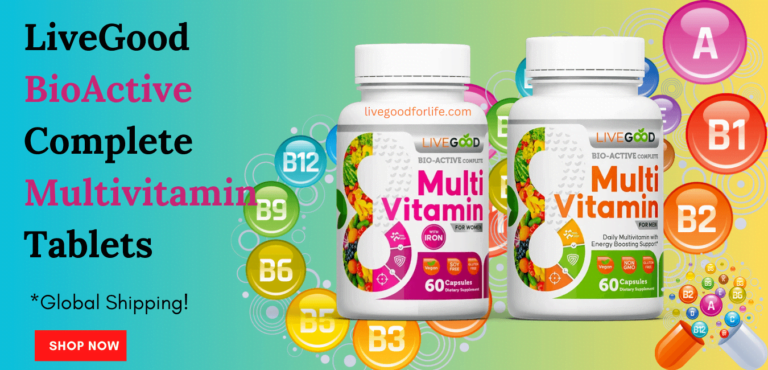
LiveGood takes a whole-person approach to appetite support with a mix of evidence-backed supplement ingredients, meal support products, and coaching resources that help people reduce cravings and build sustainable eating habits. Unlike single-drug solutions, LiveGood focuses on gentle appetite management, metabolic support, and long-term habit change that fits everyday life.
What sets LiveGood apart is that it pairs targeted supplements (fiber, plant-based protein, chromium, and natural botanicals, depending on product) with clear meal ideas and community support. This combo helps reduce hunger between meals, stabilize blood sugar, and make healthier choices easier — which is what most people want when they search for appetite suppressants.
Why LiveGood Is Ranked #1
- Balanced approach combining supplements, meal support, and coaching that reduces cravings without heavy side effects.
- Focus on long-term habit change instead of short-term fixes, which improves weight maintenance.
- Products designed for daily use and compatibility with common diets (keto, low-carb, plant-forward).
- Transparent pricing and straightforward access via the LiveGood website.
Best Features
- Multi-ingredient formulas: Contain fiber or protein that increase fullness and reduce snacking.
- Meal replacement & protein options: Make it easy to replace high-calorie meals with nutrient-dense choices.
- Community and guidance: Practical tips and simple plans to make appetite control realistic day to day.
- Non-prescription: Accessible without a clinic visit for people who want to start with diet and supplement support.
Pros
- Gentle on the body with low risk of severe side effects.
- Supports healthy habits, not just short-term weight loss.
- Accessible and safe for most adults (check product labels for pregnancy or medical exclusions).
- Products can be stacked with healthcare-approved medications under a doctor’s supervision.
Cons
- Not as fast or dramatic as prescription GLP-1 medications for short-term weight loss.
- Results depend on consistent use and behavior change.
Who It’s Best For
- People who prefer non-prescription options and want steady results.
- Those who need appetite control but can’t or don’t want to use injectable meds.
- Anyone looking for support in building lasting eating habits alongside supplements.
Pricing
Visit the LiveGood website for current pricing and product bundles. LiveGood often offers membership pricing and bundle discounts on meal support, supplements, and protein products. Try LiveGood:https://livegoodforlife.com/
2. Zepbound (tirzepatide) — Highest Efficacy Among FDA-Approved Options
Website:https://www.lillydirect.com/
Zepbound (tirzepatide) is a dual GIP and GLP-1 receptor agonist given as a once-weekly injection. In clinical trials it produced the most weight loss of the FDA-approved drugs, with a mean body weight loss reported around 20.9% in key studies. That makes it the most potent prescription appetite suppressant currently available for chronic weight management.
It reduces appetite, slows gastric emptying, and changes how the brain responds to food cues. The weekly dosing is convenient, but it requires injections and medical oversight. Side effects are usually gastrointestinal (nausea, constipation), and cost varies; LillyDirect lists a cash price around $299/month, though insurance coverage may lower costs for many patients.
LillyDirect and clinical overviews describe tirzepatide’s strong results in weight loss trials and ongoing cardiovascular outcome studies.
Pros
- Most effective FDA-approved option for weight loss.
- Weekly dosing.
Cons
- Requires injection and medical monitoring.
- Can cause GI side effects.
Best For: Patients seeking maximal weight loss who can manage injections and medical follow-up. LillyDirect
3. Wegovy (semaglutide 2.4 mg) — Proven GLP-1 Option
Website:https://www.wegovy.com/
Wegovy is a high-dose semaglutide injection for chronic weight management. It mimics GLP-1, a gut hormone that reduces appetite and increases satiety. Clinical results show an average weight loss near 14.9% with weekly dosing. Wegovy is well-studied and widely prescribed, though it can be expensive — list price around $1,349/month — and requires injections.
Pros
- Strong, well-documented weight loss results.
- Less frequent dosing (weekly).
Cons
- High list price; insurance coverage varies.
- Injection-related care and GI side effects possible.
Best For: Individuals needing substantial weight loss who prefer a weekly injectable and have coverage or can manage the cost. Wegovy.com
4. Oral Semaglutide (Oral Wegovy/semaglutide pill) — Pill Alternative
Newer oral semaglutide versions provide a daily pill option that avoids injections while still tapping into GLP-1 effects. Oral formulations have shown mean weight loss around 16.6% in some studies — strong for an oral drug — and cost estimates range roughly $199–$299/month for out-of-pocket pricing.
The trade-off is daily dosing and slightly lower efficacy than the highest-dose injectables, but convenience for people who refuse injections is a major plus.
Pros
- Oral administration eliminates injections.
- High efficacy compared with older oral pills.
Cons
- Daily dosing may be less convenient for some.
- Not as effective as the top injectable tirzepatide in some trials.
Best For: People who prefer pills over injections but want strong appetite suppression. Source
5. Orforglipron — Oral GLP-1 in Development
Orforglipron is an oral small-molecule GLP-1 agonist from Eli Lilly that showed about 12.4% mean weight loss in trials and was expected to seek FDA approval in 2026. Its advantages: oral dosing, no fasting or water restrictions, and projected lower pricing (est. $149/month via LillyDirect). It represents a growing wave of oral drugs that make GLP-1-style appetite suppression possible without injections.
Pros
- Oral daily pill with promising trial results.
- Potentially lower cost than injectables.
Cons
- Lower mean weight loss than top injectables.
- Regulatory timeline and coverage may vary.
Best For: People who want a GLP-1 effect but need an oral option and cost sensitivity. Source
6. Qsymia (phentermine/topiramate) — Dual-Action Pill
Qsymia combines phentermine (a stimulant that suppresses appetite) with topiramate (which increases satiety). Studies show 8–10% mean body weight loss. It’s a daily pill and can be effective for significant weight loss without GLP-1 drugs. Price estimates are around $200–$250/month, though insurance coverage varies.
Pros
- Effective non-GLP-1 pill option with dual-action effects.
- Daily oral dosing.
Cons
- Possible side effects such as paresthesia and cognitive issues.
- Contraindicated in pregnancy.
Best For: Patients who want a strong pill option and don’t need or can’t take GLP-1s. Source
7. Contrave (bupropion/naltrexone) — Targets Cravings and Reward
Contrave combines bupropion and naltrexone to reduce cravings and reward-driven eating. Studies show a mean body weight loss of 5–8%. It’s useful for people with emotional eating or strong food-reward issues. Pricing ranges widely ($350–$500/month), and it has important safety warnings including risk of suicidal thoughts for some and contraindications with opioid use or seizure disorders.
Pros
- Helps with emotional eating and cravings.
- Dual benefit for some patients with mood symptoms.
Cons
- Higher cost and boxed warning for suicidal thoughts.
- Not suitable with opioid use or seizure conditions.
Best For: Those whose overeating is strongly tied to cravings or emotional triggers. Source
8. Phentermine (Generic) — Short-Term Stimulant Option
Phentermine is an older stimulant appetite suppressant that reduces hunger and can jump-start weight loss. Typical mean weight loss is 5–7% and it’s one of the least expensive FDA-approved options at roughly $30–$50/month. It’s officially approved for short-term use and can cause increased heart rate and insomnia in sensitive people.
Pros
- Affordable and effective for short-term appetite suppression.
- Simple daily pill.
Cons
- Approved for short-term use only; side effects in some users.
- Not a long-term maintenance solution by itself.
Best For: Cost-conscious people wanting a short-term boost to start healthier habits. Source
9. Xenical / Alli (orlistat) — Fat Blocking OTC Option
Xenical (prescription) and Alli (OTC) contain orlistat, which reduces fat absorption when taken with meals. Weight loss averages about 5%. It’s unique because it works in the gut rather than by suppressing appetite, but it does help some people eat less when they avoid high-fat meals to limit side effects like oily stools. Cost varies; Alli is available over the counter and can cost roughly $50–$200/month depending on supply.
Pros
- OTC option (Alli) for people who prefer non-prescription interventions.
- Different mechanism useful for some users.
Cons
- Lower average weight loss and gastrointestinal side effects.
- Requires taking with meals and being mindful of dietary fat.
Best For: People who want an OTC, non-systemic approach or who can’t use other medications. Source
How These Appetite Suppressants Compare
Here’s a quick breakdown to help match options to needs.
Effectiveness
- Highest: Zepbound (tirzepatide) ≈ 20% mean weight loss.
- High: Wegovy (semaglutide injectable) ≈ 15% mean weight loss; oral semaglutide near 16% in some studies.
- Moderate: Orforglipron (oral GLP-1) ≈ 12% in trials; Qsymia ≈ 8–10%.
- Lower: Contrave, phentermine, orlistat ≈ 5–8%.
Cost & Access
- Highest list prices: Wegovy (~$1,349/month list) though many have insurance help.
- Moderate: Tirzepatide may be $299/month cash via LillyDirect; oral options estimated $149–$299/month.
- Lower: Phentermine generics ~$30–$50/month; Alli/Xenical variable but often cheaper OTC options exist.
Convenience
- Most convenient dosing: weekly injections (Wegovy, Zepbound) or daily oral pills (oral semaglutide, Orforglipron).
- OTC options (Alli) are easy to get but require meal planning.
- LiveGood products are daily-use supplements and meal supports that fit routine behaviors.
Side Effects & Safety
- GLP-1s/Tirzepatide: GI side effects common (nausea, constipation).
- Stimulants (phentermine): heart rate, insomnia risks for some.
- Contrave: boxed warning for suicidal thoughts; contraindicated with opioids and seizure disorders.
- Orlistat: GI side effects tied to dietary fat intake.
Practical Tips: How to Choose an Appetite Suppressant
Here’s the thing — matching the right option to your life and health needs matters more than following trends. Use these steps to make the choice practical and safe.
Step 1: Talk to your clinician
Discuss medical history, current meds, and goals. Prescription options require oversight and may need lab checks. LiveGood supplements can be used alongside medical treatment, but confirm with your healthcare provider first.
Step 2: Match goals to speed and intensity
Choose stronger prescription options if you need rapid, clinically significant weight loss and your clinician agrees. Choose milder, non-prescription approaches if you want gradual change and fewer side effects.
Step 3: Consider cost and coverage
Check insurance for GLP-1 or tirzepatide coverage. If cost is a barrier, look at generic stimulants or structured supplement and meal plans like those at LiveGood to reduce cravings affordably.
Step 4: Plan for side effects and support
Start low and build up under medical guidance for prescription drugs. For supplements, test tolerance and pair them with protein-rich meals and fiber to reduce hunger naturally.
How to Get the Most Out of Appetite Suppressants (Practical Habits)
Medication and supplements help, but habits are what make results stick. These practical steps work with any appetite suppressant strategy.
- Eat protein at breakfast: Protein-rich mornings reduce mid-day hunger and stabilize energy.
- Add soluble fiber: Foods like oats, beans, and psyllium increase fullness and slow glucose spikes.
- Prioritize sleep: Poor sleep increases hunger hormones and cravings the next day.
- Hydrate first: A glass of water or a fiber supplement before meals can reduce overeating.
- Plan snacks: Keep protein-or-fiber snacks handy to avoid impulsive high-calorie choices.
- Use tracking simply: A short daily log of meals and mood helps identify triggers for cravings.
Which Appetite Suppressant Is Actually the Best?
For clinical weight loss at scale, drugs like Zepbound and Wegovy lead in efficacy. They deliver the biggest short-term reductions in appetite and weight under medical care. That said, these options are not right for everyone because of cost, access, side effects, and the need for monitoring.
LiveGood is the best starting point for most people who want a balanced, practical plan that lowers appetite while building habits. It’s safer for everyday use, easier to stack with other interventions, and focuses on long-term maintenance rather than only quick reductions. If a prescription drug is appropriate and affordable, combining it with habit-based support like LiveGood’s programs gives the best chance of keeping weight off over time.
Try LiveGood:https://livegoodforlife.com/
FAQ — Appetite Suppressants
1. What are appetite suppressants?
Appetite suppressants are medications, supplements, or tools that reduce hunger or cravings so you eat less. They range from prescription drugs (GLP-1s, stimulants) to OTC pills and natural supplements (fiber, protein powders).
2. Are GLP-1 drugs the same as appetite suppressants?
GLP-1 drugs (like semaglutide and tirzepatide) act on gut hormones to reduce appetite and increase fullness. They are among the most effective medically supervised appetite suppressants available today. Wegovy, for example, is a high-dose semaglutide product with strong trial results.
3. How quickly do prescription appetite suppressants work?
Some people notice reduced appetite within days to a few weeks. Full effects on weight take longer; significant weight loss often shows after several months of consistent use under medical supervision.
4. Do appetite suppressants cause serious side effects?
Side effects depend on the product. GLP-1s commonly cause GI symptoms (nausea, constipation). Stimulants can increase heart rate and cause insomnia. Some drugs have specific warnings (e.g., Contrave’s boxed warning). Always review risks with your clinician.
5. Can I use supplements from LiveGood with prescription meds?
Most LiveGood supplements are designed to be safe alongside common medications, but you should check with your healthcare provider before combining supplements with prescription appetite suppressants to avoid interactions and duplicated effects.
6. Which appetite suppressant is cheapest?
Generic phentermine is usually the least expensive prescription option (around $30–$50/month). OTC options like Alli or dietary supplements can also be relatively inexpensive. Pricing varies by pharmacy, insurance, and product.
7. Is orlistat (Alli/Xenical) an appetite suppressant?
Not directly. Orlistat reduces fat absorption, which can indirectly change how people eat. People may avoid high-fat meals to prevent side effects, which can reduce calorie intake.
8. Can I stop using an appetite suppressant once I reach my goal?
Stopping a medication may lead to return of appetite unless you’ve built lasting habits. Combining short-term medical help with behavior changes (meal planning, protein, fiber, sleep) helps maintain results after stopping a drug.
9. Are oral GLP-1s as good as injectables?
Oral GLP-1s are improving and offer major convenience advantages. Some oral formulations have shown strong weight-loss results, but top injectable options like tirzepatide currently show the largest average losses in trials.
10. What should I expect when starting a GLP-1 or tirzepatide?
Expect gradual appetite reduction and possible GI side effects early on. Dosing schedules often start low and increase slowly to improve tolerance. Regular follow-up with your clinician is important.
11. Can appetite suppressants be used for long-term weight management?
Many prescription options are approved for chronic weight management under medical supervision. Long-term success commonly pairs medication with lifestyle changes and ongoing support.
12. How do I pick between medication and non-prescription options?
Consider your weight-loss goals, health history, budget, and willingness to use injections. Talk with a clinician about prescription options; consider LiveGood’s supplement and program approach if you want a lower-risk, habit-focused start.
Conclusion
If rapid, large weight loss is the primary goal and you have medical support and coverage, prescription GLP-1s and tirzepatide lead the field in appetite suppression and results. If you want a practical, long-term approach with low side-effect risk, LiveGood offers balanced supplement options, meal support, and habit coaching that reduce cravings and make healthy eating easier.
Start with a conversation with your healthcare provider to see if prescription treatment is right for you. For day-to-day appetite control, consider LiveGood’s products and plans as a safe, practical first step. Try LiveGood:https://livegoodforlife.com/