Beetroot for Women: Nutrition, Daily Uses, Safety & Super Reds Guide
Affiliate disclosure: This page may contain affiliate links. If you purchase through my links, I may earn a commission at no extra cost to you.
Important disclaimer: This article is for educational purposes only and is not medical advice. Dietary supplements are not intended to diagnose, treat, cure, or prevent any disease.
Beetroot for Women: The Simple Version
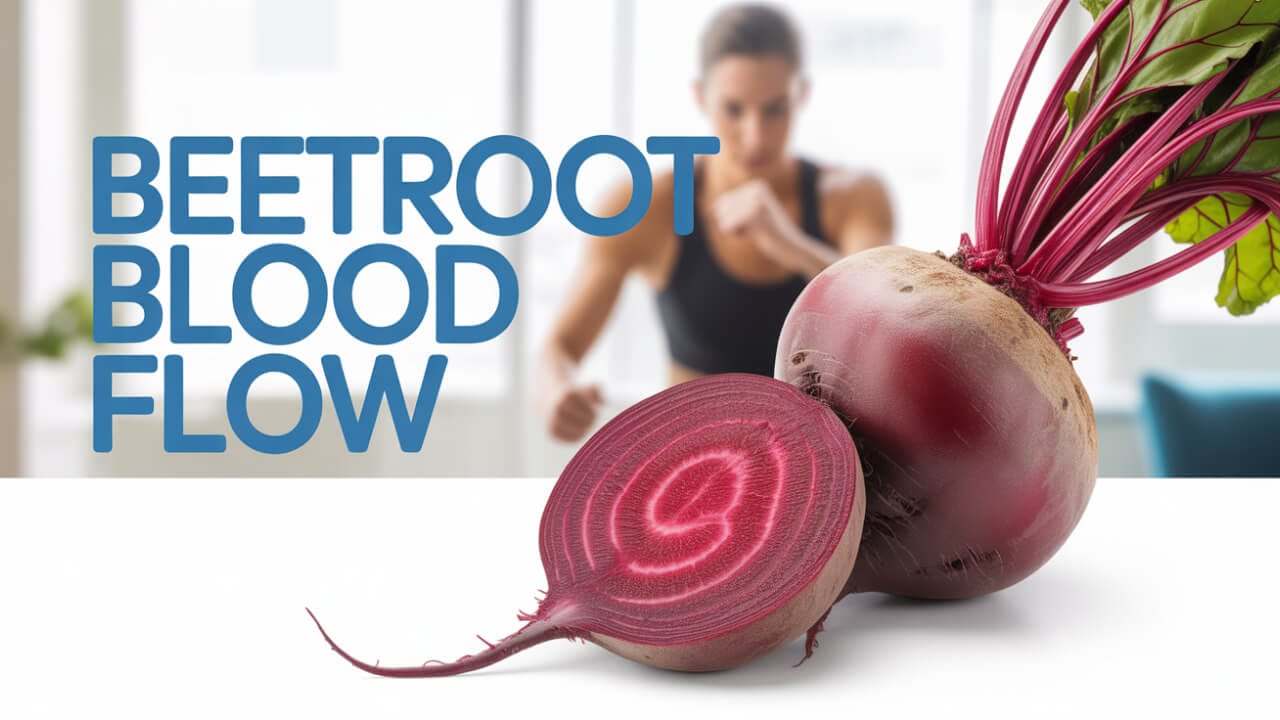
Beetroot is a deep red root vegetable that can be used as food, juice, powder, capsules, or as part of a red superfood blend. Women often add it to a daily routine because it contains naturally occurring nitrates, folate, potassium, betalains, and other plant compounds associated with general wellness.
The simple takeaway: beetroot may help support workout routines, healthy energy habits, and cardiovascular wellness as part of a healthy lifestyle. It should not replace medical care, blood pressure medication, iron treatment, or advice from your healthcare professional.

Why Women Add Beetroot to Their Routine
Beetroot has become popular with women who want a simple way to add more colorful plant foods to their day. It is especially common in smoothie routines, pre-workout drinks, red superfood powders, and heart-conscious nutrition plans.
That does not mean beetroot is a cure-all. It is best viewed as a nutrient-rich food ingredient that may fit into a balanced wellness routine alongside good sleep, hydration, regular movement, protein, fiber, and a varied diet.
What Beetroot Contains
| What it contains | What it means | Why people like it |
|---|---|---|
| Natural nitrates | Compounds found in beetroot that the body can convert into nitric oxide | Often used in workout and heart-conscious nutrition routines |
| Folate | A B vitamin found in many plant foods | Supports normal daily nutrition, especially in a balanced diet |
| Potassium | An essential mineral | Helps support normal fluid balance and muscle function |
| Betalains | Natural red-purple plant pigments | Associated with antioxidant plant compounds |
| Fiber | Found in whole beets and some beet powders | Can support a more food-based wellness routine |
What Beetroot May Help Support
Beetroot is often used because it may help support normal wellness areas that matter in everyday life. The key is to keep expectations realistic and avoid treating beetroot like medicine.
| Benefit area | Simple explanation | Best way to use it |
|---|---|---|
| Workout routines | Beetroot contains natural nitrates that may help support exercise routines | Try it before workouts, starting with a small amount |
| Healthy energy habits | It can be part of a nutrient-rich morning or afternoon routine | Add powder to a smoothie, water, or a reds blend |
| Heart-conscious nutrition | Beetroot can fit into an overall lifestyle that supports cardiovascular wellness | Use alongside healthy meals, movement, and medical guidance when needed |
| Antioxidant protection | Betalains and other plant compounds are associated with antioxidant activity | Pair it with other colorful fruits and vegetables |
| Daily red superfood routine | Beetroot blends well with berries, pomegranate, cranberry, and other red foods | Use it as part of a Super Reds-style drink |
Good Fit vs. Not a Good Fit
| Good fit | Be careful if |
|---|---|
| You want to add more red plant foods to your routine | You have a history of kidney stones or have been told to watch oxalates |
| You like smoothies, powders, or simple wellness drinks | You take medication for blood pressure, circulation, or heart conditions |
| You want a colorful ingredient for a pre-workout routine | You are pregnant, breastfeeding, or managing a medical condition |
| You are building a heart-conscious nutrition routine | You are trying to use beetroot instead of prescribed medication or medical care |
How to Use Beetroot
Beetroot is flexible, which is one reason people like it. You can use it as whole food, juice, powder, or in a red superfood blend. Start small, especially if you are new to beetroot or sensitive to earthy flavors.
| Form | What it is | Best for |
|---|---|---|
| Cooked beets | Whole beetroot roasted, steamed, or boiled | Salads, bowls, and food-based nutrition |
| Beetroot juice | A concentrated beet drink | People who like juices or pre-workout drinks |
| Beetroot powder | Dried beetroot in powder form | Smoothies, water, yogurt, or homemade blends |
| Red superfood blend | Beetroot mixed with other red fruits and plant ingredients | A convenient daily wellness routine |
For powders and blends, follow the product label. Many people start with a partial serving to see how their body responds, then adjust from there.
Easy Beetroot Smoothie Idea
Here is a simple way to use beetroot powder without making the flavor too earthy:
- 1 serving beetroot powder or red superfood powder, based on the label
- 1 cup cold water, coconut water, or unsweetened almond milk
- 1/2 cup frozen berries
- 1/2 banana or a few mango chunks
- Optional: plain Greek yogurt or protein powder
Blend until smooth. This can work as a morning drink, afternoon option, or simple pre-workout routine depending on your schedule.

Safety Notes Women Should Know
Beetroot is a common food, but concentrated beetroot powders and juices may not be the right fit for everyone. Check with a qualified healthcare professional if you take medication, manage a health condition, are pregnant or breastfeeding, or have concerns about adding beetroot regularly.
| Check first if | Why | What to do |
|---|---|---|
| You take blood pressure medication | Beetroot can fit into a heart-conscious routine, but medication needs professional guidance | Ask your healthcare professional before using concentrated beetroot products |
| You are prone to kidney stones | Beetroot contains oxalates | Ask whether beetroot is appropriate for your situation |
| You notice red or pink urine or stool | Beet pigments can temporarily change color | This can happen with beetroot, but ask a professional if you are unsure or concerned |
| You are pregnant or breastfeeding | Your nutrition and supplement needs are more individual | Use professional guidance before adding concentrated powders or blends |
| You are managing anemia, fatigue, hormone concerns, PMS, menopause symptoms, or brain fog | These symptoms can have many causes | Do not use beetroot as treatment; speak with a healthcare professional |
Beetroot in LiveGood Organic Super Reds
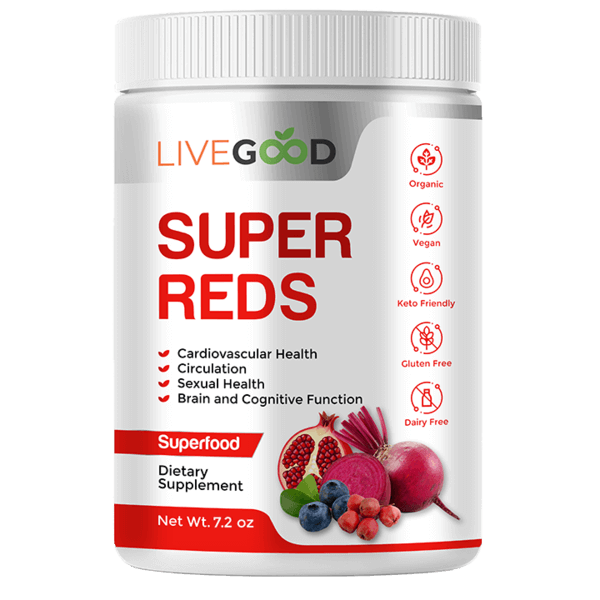
LiveGood Organic Super Reds includes beetroot as part of a red superfood blend designed to support a simple daily wellness routine. It may be a convenient option if you prefer one scoop instead of buying separate beetroot, berry, and red plant powders.
For a fuller product breakdown, you can read my LiveGood Organic Super Reds Review. You can also visit the Super Reds details page if you want to compare ingredients and buying options.
🎥 Watch: Why LiveGood Super Reds Is a Must-Have for Heart & Energy Health!
Discover how LiveGood Organic Super Reds can transform your daily health routine. In this video, we break down how red superfoods like beetroot, pomegranate, and grape seed extract support circulation, brain clarity, libido, and cardiovascular strength.
👉 Tap below to see why this formula is a customer favorite and how it compares to expensive brands like SuperBeets and OrganiFi Red Juice.
Watch now and feel the difference!
What to Check Before You Buy
Whether you buy beetroot powder by itself or as part of a red superfood blend, the label matters. Look for clear serving sizes, recognizable ingredients, and a formula that fits your routine.
| What to check | Why it matters |
|---|---|
| Serving size | Helps you compare value and avoid overdoing concentrated powders |
| Added sugar | Some reds powders and juices can be sweeter than expected |
| Full ingredient list | Makes it easier to spot ingredients you do or do not want |
| Testing and quality information | Helpful when choosing supplements you plan to use regularly |
| Cost per serving | Shows the real daily cost, not just the tub price |
For more help comparing labels, you may find these guides useful: Third-Party Lab Testing Guide, Label Red Flags Guide, and the Supplement Cost Per Day Calculator.
Common Questions About Beetroot for Women
Is beetroot good for women?
Beetroot can be a helpful food or supplement ingredient for women who want to add more red plant nutrients to their routine. It contains folate, potassium, betalains, and naturally occurring nitrates.
Can beetroot support workouts?
Beetroot may help support workout routines because of its naturally occurring nitrate content. It works best as part of an overall routine that includes enough food, hydration, sleep, and consistent training.
Can beetroot lower blood pressure?
Beetroot can fit into a heart-conscious nutrition routine, but it should not replace medical care or blood pressure medication. Talk with your healthcare professional if you have blood pressure concerns or take related medication.
Does beetroot help with anemia, PMS, menopause, libido, or brain fog?
Beetroot should not be used to treat anemia, PMS, menopause symptoms, libido concerns, brain fog, fatigue, or any medical condition. If you are dealing with symptoms, it is better to speak with a qualified healthcare professional and use beetroot only as a general food or wellness ingredient if appropriate.
Is beetroot safe every day?
Many people use beetroot as part of their diet, but concentrated powders and juices may not be right for everyone. Check the label, start small, and ask a healthcare professional if you take medication, have kidney stone concerns, or are pregnant or breastfeeding.
What is the easiest way to use beetroot?
The easiest option is usually a beetroot powder or red superfood blend mixed into water or a smoothie. Whole cooked beets are also a good option if you prefer food over supplements.
Is Beetroot Worth Adding to Your Routine?
Beetroot can be worth adding if you enjoy red plant foods and want a simple ingredient that may help support workout routines, healthy energy habits, antioxidant protection, and cardiovascular wellness as part of a healthy lifestyle.
The best approach is simple: use beetroot as a supportive food or supplement ingredient, not as a treatment. Choose a clean label, follow serving directions, and check with a healthcare professional if you have medical questions or take medication.