Best Vegan Protein Powder Guide: Plant-Based Protein, Uses, Safety & Label Tips
Best Vegan Protein Powder: The Simple Version
Vegan protein powder is a plant-based protein supplement made from sources such as pea, hemp, rice, soy, or blended plant proteins. It can be a convenient option for vegans, vegetarians, people who avoid dairy, or anyone who wants another way to support daily protein intake.
The simple takeaway: a good vegan protein powder can help support protein intake, muscle maintenance, workout nutrition, and a balanced daily routine. It should not replace whole foods, medical care, or a well-rounded diet.
Affiliate disclosure: This page may contain affiliate links. If you purchase through my links, I may earn a commission at no extra cost to you.
Important disclaimer: This article is for educational purposes only and is not medical advice. Dietary supplements are not intended to diagnose, treat, cure, or prevent any disease.
What Is Vegan Protein Powder?
Vegan protein powder is made from plant protein sources instead of dairy or animal-based ingredients. Common sources include pea protein, hemp protein, rice protein, soy protein, and blended formulas that combine more than one plant source.
People often use vegan protein powder in smoothies, shakes, oatmeal, or simple recipes when they want a convenient way to add protein to their day. It is most useful when it fills a real gap in your routine rather than replacing balanced meals.
Common Plant Protein Sources
| Protein source | What it means | Why people like it |
|---|---|---|
| Pea protein | Protein made from yellow peas | Popular in dairy-free protein powders |
| Hemp protein | Protein from hemp seeds | Often includes fiber and plant fats |
| Rice protein | Protein made from rice | Often used in blended formulas |
| Soy protein | Protein from soybeans | A complete plant protein, but not right for everyone |
| Blended plant protein | Uses multiple plant sources | May offer a broader amino acid profile |
How Much Protein Do You Need?
Protein needs vary by body size, age, activity level, training goals, and overall diet. Many adults use the general reference of about 0.8 grams of protein per kilogram of body weight per day, while active people may need more. A qualified nutrition professional can help you personalize your target.
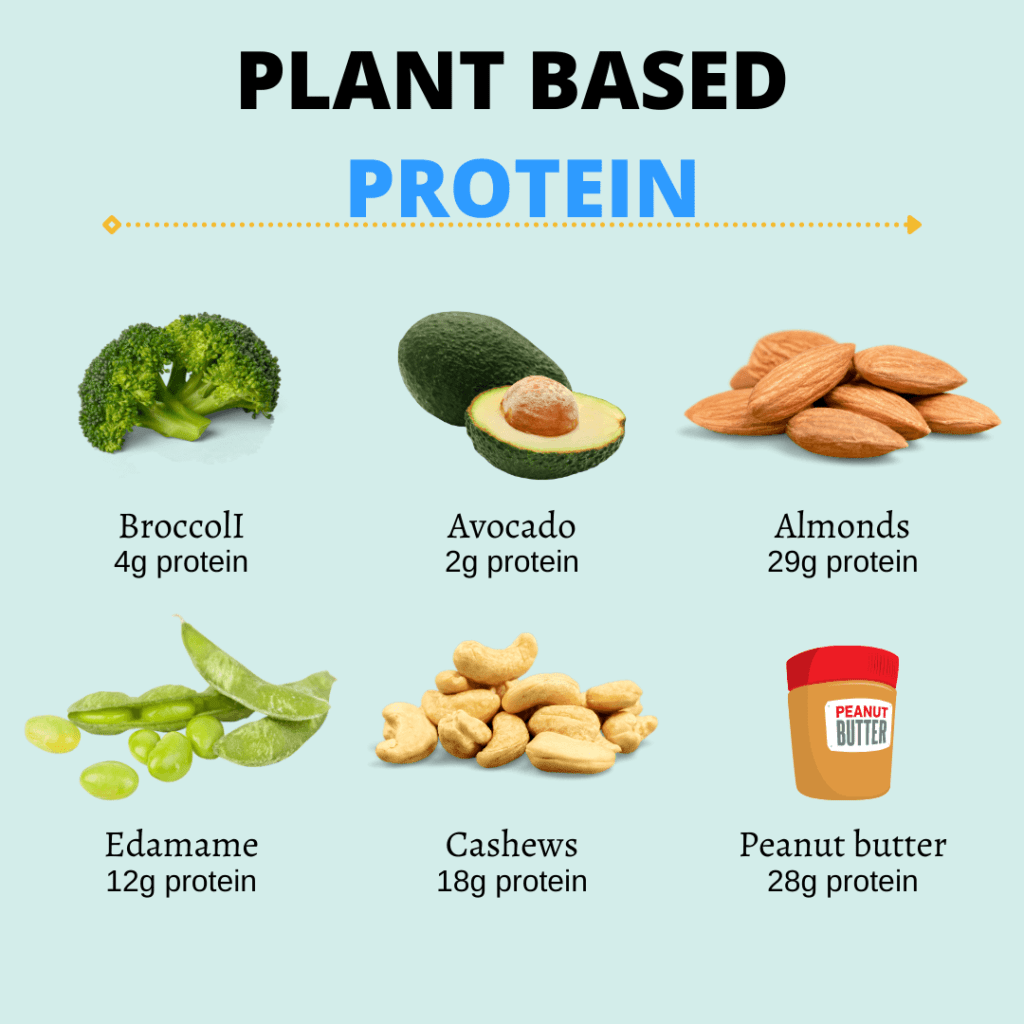
Protein powder is only one option. Beans, lentils, tofu, tempeh, quinoa, nuts, seeds, and whole grains can also contribute to a plant-based protein routine.
What to Look For in a Vegan Protein Powder
| What to check | Why it matters |
|---|---|
| Protein per serving | Helps you compare products fairly |
| Protein source | Important for taste, texture, allergens, and amino acid profile |
| Added sugar | Some products add more sugar than expected |
| Artificial flavors or sweeteners | Some people prefer simpler ingredient lists |
| Allergen information | Important for soy, gluten, nut, dairy, or other sensitivities |
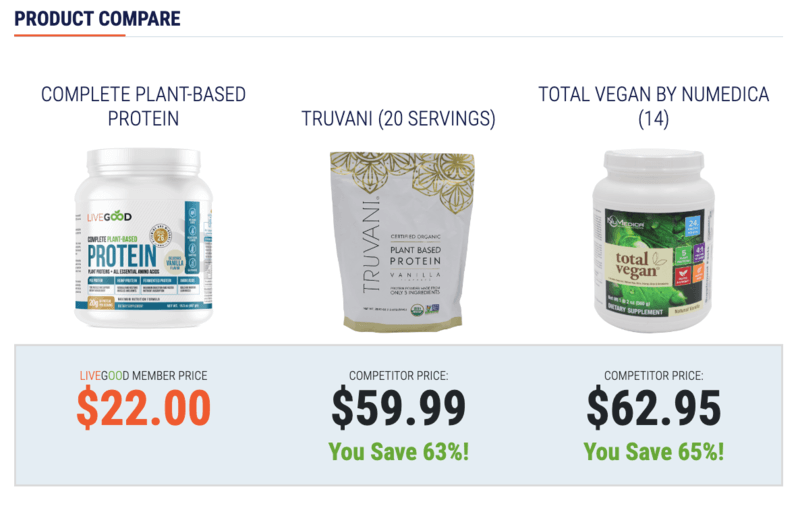
| Cost per serving | Often more useful than comparing container price only |
For more help comparing supplement labels, see the Label Red Flags Guide and the Third-Party Lab Testing Guide.
LiveGood Plant-Based Protein: Product Context
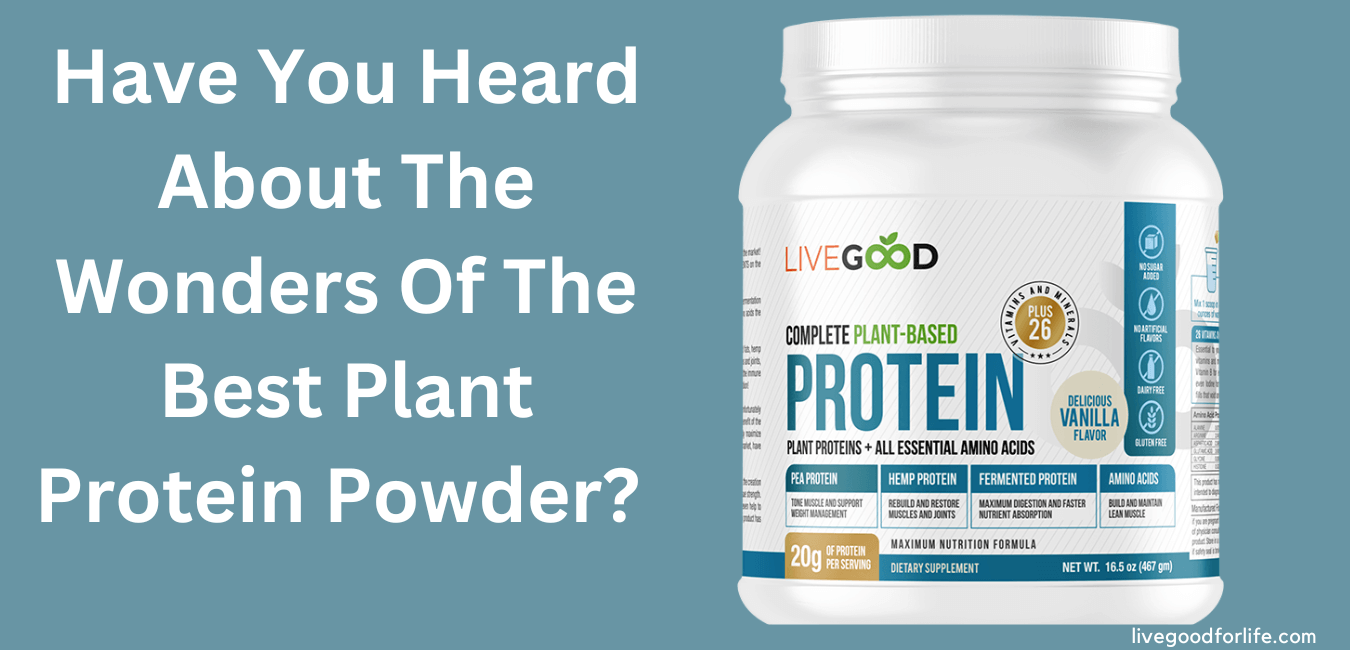
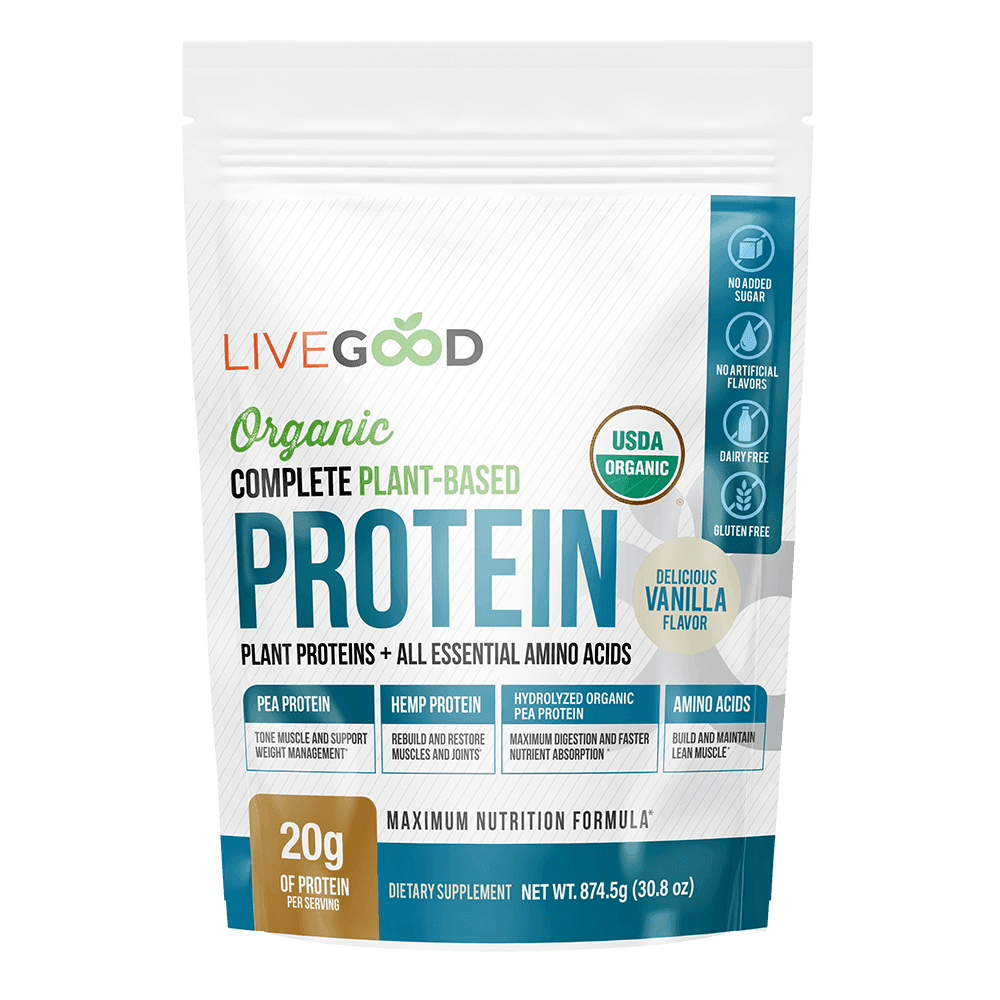
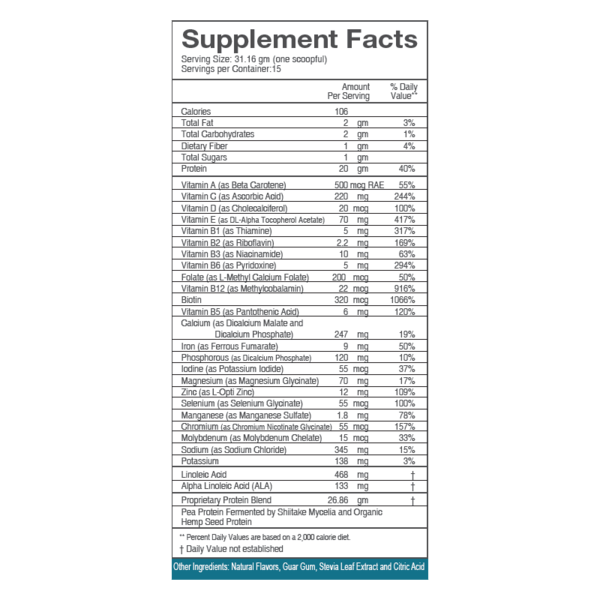
LiveGood Plant-Based Protein is one option for people who want a dairy-free protein powder. It uses plant protein sources and is positioned as a convenient protein option for smoothies, shakes, and daily nutrition routines.
How to Use Vegan Protein Powder
Follow the serving directions on the product label. Many people mix one serving with water, plant milk, or a smoothie. It can be used after a workout, with breakfast, or as part of a snack depending on your routine and total protein needs.
Protein powder should not be your only protein source. A balanced routine can include whole foods such as legumes, tofu, tempeh, nuts, seeds, oats, quinoa, and vegetables alongside protein powder when needed.
Good Fit vs. Not a Good Fit
| May be a good fit if | Be careful if |
|---|---|
| You want a dairy-free protein option | You have allergies or sensitivities to ingredients on the label |
| You struggle to meet protein needs through food alone | You have kidney concerns or follow a restricted diet |
| You want a convenient smoothie or shake ingredient | You are pregnant, nursing, or buying for a child |
| You prefer plant-based nutrition | You expect protein powder to replace balanced meals |
Possible Downsides
Some people notice digestive changes when they add protein powder, especially if they start with too much or choose a product that does not suit them. Taste, texture, sweetness, and mixability also vary from product to product.
Start with the label serving size, drink enough fluids, and pay attention to how your body responds. Stop using a product if it does not agree with you.
Vegan Protein Powder FAQs
Is vegan protein powder good?
It can be a useful option if it helps you meet your protein needs and fits your diet. The best choice depends on the ingredient list, taste, protein per serving, allergens, and cost.
Can vegan protein powder help build muscle?
Protein supports muscle maintenance and growth when paired with enough total calories, resistance training, recovery, and a balanced diet. Protein powder is only one part of that routine.
Can vegan protein powder help with weight management?
Protein can help meals feel more satisfying, but protein powder should not be presented as a weight-loss treatment. Food quality, portions, movement, sleep, and overall habits matter.
When should I take vegan protein powder?
Use it when it fits your routine. Some people use it after workouts, while others add it to breakfast or a snack. Total daily protein intake matters more than a perfect timing rule for most people.
Is vegan protein powder safe?
For many healthy adults, vegan protein powder can be used as directed. Check with a qualified healthcare professional if you have a medical condition, kidney concerns, allergies, are pregnant or nursing, or follow a restricted diet.
Final Thoughts
Vegan protein powder can be a practical tool for people who want a plant-based way to support daily protein intake. The best choice is one that tastes good to you, fits your budget, has a clear label, and works with the rest of your diet.
LiveGood Plant-Based Protein may be worth considering if you want a dairy-free protein powder that can fit into smoothies, shakes, or a simple daily nutrition routine. Check the current label and live pricing before buying.
Join Now and Unlock a World of Savings with LiveGood Membership Plans!