Essential Oil Remedies: Natural Solutions for Everyday Health Concerns
Discover the enchanting world of essential oils and how their potent properties can offer natural solutions to everyday health issues. From soothing itchy skin to easing coughs, essential oils are a versatile and effective remedy for various common ailments.
Let’s explore some simple yet powerful ways to use essential oils for health and wellness.
Itchy Skin and Feet: The Tea Tree Oil Solution

Tea Tree Oil: A Natural Antimicrobial
Tea Tree oil is a game-changer for those battling itchy skin or feet. Its potent antimicrobial properties make it an excellent choice for quick relief.
Apply a few drops of undiluted tea tree oil directly to the affected area for instant soothing. For sensitive skin, dilute the oil in a teaspoon of vegetable oil before application.
Healing Cuts with Lavender Oil
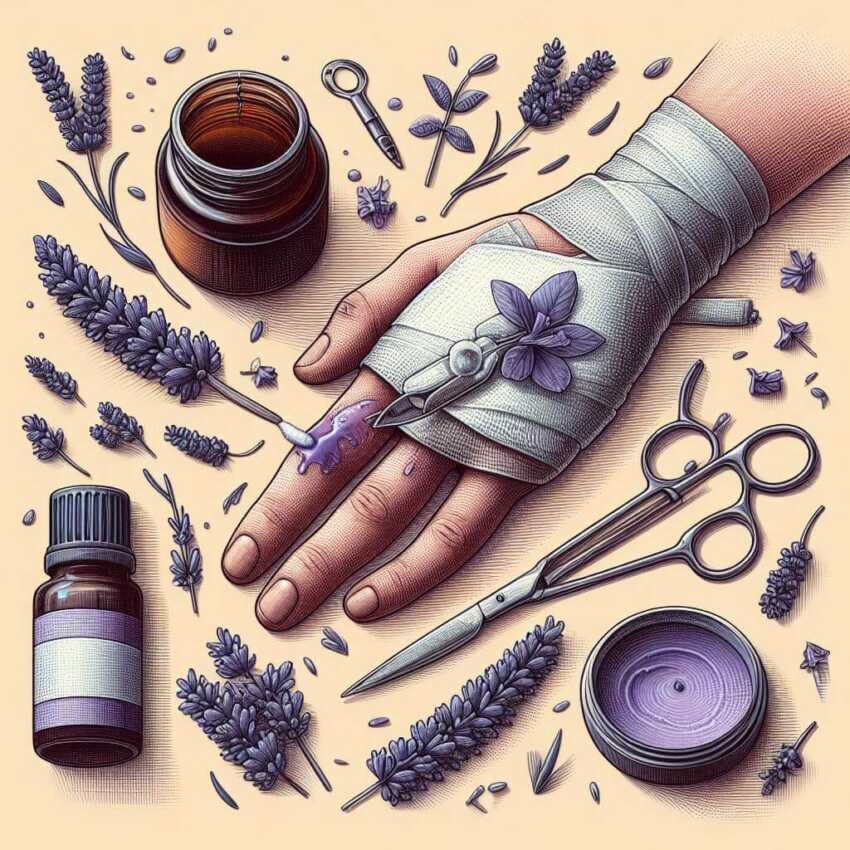
Lavender Oil: The Antiseptic Hero
Lavender oil is renowned for its antiseptic qualities, making it ideal for treating cuts. Dabbing a cotton ball soaked in lavender oil on a wound can help stop bleeding and prevent infection.
For continued care, applying a drop of lavender oil on a bandage and changing it twice daily can promote faster healing.
Bruises: Lavender and Rosemary Oil Blend

A combination of lavender and rosemary oils can work wonders for bruises. Both oils, known for their anti-inflammatory and analgesic properties, can be used in hot and cold compresses to reduce bruising and inflammation by improving blood flow to the area.
Burns: Immediate Care with Lavender Oil
For burns, lavender oil provides immediate relief and aids in the healing process. After cooling the burn under running water, applying neat lavender oil can help soothe the skin and promote healing.
A cold compress infused with lavender oil can offer additional protection and comfort.
Boils: A Lavender and Tea Tree Oil Approach
Promoting Healing through Cleanliness
Treating boils effectively requires a blend of lavender and tea tree oils, known for their antimicrobial properties. Bathing the boil in a mixture of these oils and hot water can help encourage draining and prevent infection.
Chest and Dry Hacking Coughs: Essential Oil Relief
Breathing Easy with Essential Oils
Essential oils like rosemary, peppermint, and eucalyptus can relieve coughs through inhalation and topical application. A steam inhalation mixture or a massage oil blend for the chest and back can open airways and ease coughing.
A soothing hot toddy and a chest rub with eucalyptus and thyme oils can offer comfort for dry coughs.
Cold Sores and Colds: Tea Tree Oil to the Rescue
Fighting Viruses with Antiviral Properties
Tea tree oil’s antiviral qualities make it effective against cold sores and common colds. Direct application on cold sores and inhalation of a blend of thyme, lavender, and eucalyptus oils can speed up healing and clear congestion.
Upset Stomach: Peppermint and Eucalyptus Oils
Easing Digestive Discomfort Naturally
A mix of honey and peppermint oil in warm water can relieve upset stomachs. For discomfort caused by viruses or anxiety, substituting peppermint with eucalyptus oil can be beneficial.
Headache and Toothache: Natural Pain Relief
Soothing Pain with Essential Oils
Applying lavender or peppermint oil to the temples can alleviate headaches, while clove oil can temporarily relieve toothaches due to its analgesic properties.
Health Benefits of Specific Essential Oils
Lavender Oil for Relaxation and Sleep
Lavender oil is renowned for its calming properties, making it a popular choice for promoting relaxation and improving sleep quality. The soothing aroma of lavender oil can help reduce stress and anxiety, creating a serene environment for rest.
Tea Tree Oil for Skin Conditions and Immunity
Tea tree oil is known for its antibacterial and antifungal properties, effectively treating various skin conditions like acne and eczema. Tea tree oil can also support the immune system and promote overall skin health.
Peppermint Oil for Digestive Health and Energizing
Peppermint oil is famous for its uplifting scent and digestive benefits. Inhaling peppermint oil can boost energy and improve focus, while applying it to the abdomen can help relieve indigestion and nausea.
Managing Stress and Anxiety with Essential Oils
Using Orange Oil to Reduce Stress and Uplift Mood
Orange oil is known for its bright and cheery aroma, ideal for reducing stress and uplifting mood. The citrusy scent of orange oil can evoke feelings of happiness and relaxation, making it a popular choice for combating stress.
Lemongrass Oil for Stress Relief and Mental Clarity
Lemongrass oil offers a refreshing and invigorating scent that promotes stress relief and mental clarity. Inhalation of lemongrass oil can help clear the mind and improve focus, making it beneficial for managing daily stressors.
How Essential Oils May Help in Reducing Anxiety
Essential oils like lavender, chamomile, and bergamot are known for their calming properties that can help alleviate anxiety symptoms. By incorporating these oils into daily routines, individuals can experience a sense of calm and relaxation.
FAQs For Essential Oils
- Can essential oils replace medical treatment? While essential oils can alleviate minor ailments, they should not substitute professional medical advice.
- How do you test for allergies to essential oils? Perform a patch test by applying a diluted oil to your skin and wait 24 hours for any adverse reactions.
- Are essential oils safe for everyone? Use essential oils with caution, especially around vulnerable groups. Consult a healthcare provider for personalized advice.
By incorporating essential oils into your daily routine, you can tap into the power of nature to address common health issues effectively. Always remember that the secret to successful aromatherapy lies in understanding and combining the unique properties of each oil for the best therapeutic outcome.
Discover the LiveGood Essential Oils Collection Box here!
Essential Oil Remedies Comparison: How Natural Solutions Stack Up Against Conventional Options
Not all approaches to everyday health concerns work the same way. Some focus on short-term symptom relief, while others support the body gently and naturally. Understanding these differences helps you choose the solution that fits your lifestyle and wellness goals.
| Feature | Conventional OTC Remedies | Essential Oil Remedies |
|---|---|---|
| Primary Purpose | Symptom suppression | Natural support & relief |
| Main Ingredients | Synthetic compounds | Plant-based extracts |
| Application Method | Aromatic/topical | Aromatic / topical |
| Holistic Benefits | Limited | Broad (mind + body) |
| Risk of Side Effects | Possible | Minimal when used correctly |
| Long-Term Use | Often discouraged | Suitable with proper dilution |
| Value for Daily Wellness | Medium | High |
This comparison shows why many people choose essential oils as a complementary, lifestyle-based approach to everyday health.
Pros & Cons of Using Essential Oil Remedies
Pros
- Supports common health concerns naturally
- Multi-purpose oils with wide applications
- Backed by traditional and modern research
- Can support relaxation, digestion, skin, and breathing
- Easy to incorporate into daily routines
Cons
- Results vary depending on oil quality
- Proper dilution is required for safety
- Not a replacement for medical treatment
- Some oils may cause sensitivity in certain individuals
Using high-quality oils and following safe usage guidelines helps minimize limitations.
My Personal Insight on Essential Oils for Everyday Health
From my experience researching natural wellness, essential oils work best when used as part of a balanced lifestyle—not as a last-minute fix. What makes them powerful is their versatility: a single oil can support skin, mood, and immune balance simultaneously. Consistency, proper dilution, and quality sourcing are what separate meaningful results from disappointment.
Frequently Asked Questions About Essential Oil Remedies
What are essential oil remedies used for?
They are commonly used to support skin health, digestion, relaxation, breathing comfort, and stress balance.
How should essential oils be applied safely?
Most oils should be diluted with a carrier oil before topical use unless otherwise noted.
Are essential oils safe for daily use?
When used correctly and in moderation, many essential oils are suitable for daily routines.
How long before results are noticeable?
Some effects, like relaxation or scent-based relief, can be immediate, while others build with consistent use.
Trusted Research
For readers who want scientific and medical insight into essential oils and aromatherapy, these authoritative sources are helpful:
- National Center for Complementary and Integrative Health (NCCIH) – Essential Oils Overview
https://www.nccih.nih.gov/health/aromatherapy - Cleveland Clinic – Aromatherapy and Essential Oils
https://health.clevelandclinic.org/essential-oils-101/ - Harvard Health – Aromatherapy Benefits and Safety
https://www.health.harvard.edu/staying-healthy/aromatherapy
Related Reading on LiveGoodForLife
If you’re exploring natural wellness beyond essential oils, you may also find these helpful:
For inflammation and natural healing support:
https://livegoodforlife.com/the-ultimate-anti-inflammatory-lifestyle-guide/
For immune and detox support using plant-based nutrition:
https://livegoodforlife.com/livegood-organic-super-greens-review/
For gut and stress balance as part of holistic wellness:
https://livegoodforlife.com/reducing-inflammation-with-factor-4/