L-Glycine for Beginners: Benefits, Food Sources and Label Tips
L-Glycine for Beginners: Benefits, Food Sources and Label Tips
L-glycine is one of those ingredients many people see on a supplement label without really knowing whether it is a protein building block, a calming nutrient, or something linked with recovery. This guide explains what L-glycine is, why it matters, where it comes from in food, how to think about it on labels, and why a more complete daily formula can often make more sense than buying one isolated ingredient on its own.
A practical ingredient guide for readers who want clearer label understanding without hype.

What Is L-Glycine?
L-glycine is an amino acid, which means it is one of the small building blocks used in proteins throughout the body. That already makes it more important than many beginners realize. People often think of amino acids only in the context of gym supplements or muscle products, but glycine belongs to a much bigger story than that. It is connected with structural proteins, general metabolism, and several day-to-day body functions.
One reason L-glycine is worth teaching clearly is that it sits in an interesting middle ground. It can sound technical because it is an amino acid, but it can also sound familiar because many readers hear about it in conversations around calmness, sleep, collagen, or recovery. That mix can create confusion. A better way to understand L-glycine is to see it as a versatile amino acid that shows up in both food-based nutrition and supplement formulas for a reason.
L-glycine is also a strong label-reading example because it teaches readers not to divide ingredients too quickly into “muscle ingredients” or “relaxation ingredients.” Some nutrients play more than one role in the body. Glycine is a good example of that. It helps show how one ingredient can connect nutrition, structure, and everyday wellness support all at once.
Why L-Glycine Is More Than Just a Trend Ingredient
When readers see glycine on a label, it is easy to assume it is just another specialty supplement ingredient with a temporary trend around it. But that would miss the bigger point. Glycine is a basic amino acid with real biological relevance. It connects with protein structure, collagen-related nutrition themes, and a calmer wellness conversation that many readers already care about. That is what makes it more useful to learn than many beginners expect.
A simple way to think about L-glycine is this: it is a small amino acid with a surprisingly wide role in everyday wellness. That is why it deserves more attention than a quick glance at the label usually gives it.
Want the science-backed basics in plain English? Start with broader amino acid education from trusted sources like MedlinePlus Dietary Supplements and quality supplement guidance from NCCIH.
Why Does L-Glycine Matter?
L-glycine matters because it helps readers see how one small amino acid can connect several areas of health conversation that people often treat as separate. It can relate to protein structure, collagen-support themes, and calm recovery routines. That makes it more useful than a quick label scan might suggest.
It also matters because glycine teaches an important lesson about supplement quality: not every valuable ingredient is the most famous vitamin or mineral. Sometimes the strength of a formula comes from the supporting nutrients that make the broader product feel more thoughtful and better built.
Helpful angle: glycine is a good reminder that everyday wellness ingredients are often more connected than they first appear.
Key Concepts You Need to Know
It Is an Amino Acid
That means glycine belongs to the larger protein and amino-acid conversation, not just the supplement trend conversation.
Food and Supplements Both Matter
Glycine is a strong example of a nutrient that connects food sources, collagen-rich foods, and supplement formulas.
One Ingredient, Several Conversations
Glycine can show up in discussions about protein, recovery, structure, and calm daily routines.
Simple takeaway: L-glycine is easier to understand once you see it as a versatile amino acid instead of trying to fit it into only one health category.
How L-Glycine Works
A simple way to think about L-glycine is as one of the supportive building blocks the body uses in more than one way. It is part of the protein conversation, but it also shows up in the way people think about recovery, calm routines, and structural nutrition support. Beginners do not need to memorize biochemistry to understand the big picture. Glycine matters because it helps connect several useful body functions at once.
A helpful analogy is that glycine is like a quiet multitasker. It does not always get the spotlight, but it helps support different areas that matter in everyday life. That is one reason it often makes more sense as part of a bigger formula than as a single ingredient readers overfocus on.
Beginner note: this is why glycine is usually more useful to understand in context rather than as a one-word label trend.
Importance Of Diet
Diet matters here because glycine is not just something that exists inside supplements. It also connects to protein foods and collagen-rich food ideas like bone broth, eggs, fish, chicken, and gelatin-rich foods. That helps beginners understand glycine as a real nutrition topic instead of just a specialty supplement term.
For beginners, this is another reminder that food still comes first. A supplement can still be useful, especially when glycine is part of a thoughtful broader formula, but it works best as support for a stronger everyday food routine rather than as a substitute for one.
Want more simple wellness and nutrition help? Explore the Health Guides Hub.
Before Using L-Glycine Supplements
If you are taking a dietary supplement without a prescription, carefully read and follow any precautions on the label. With glycine, the biggest teaching point is to avoid assuming it belongs in only one category. It is not just a sleep ingredient, not just a gym ingredient, and not just a collagen ingredient. The smarter move is to read the full formula and understand the broader purpose of the product.
Before using: check the whole label, see how glycine fits into the full formula, and avoid letting one trend-based association shape the whole decision.
Allergies
As with many supplements, the ingredient itself is only part of the picture. The rest of the formula can matter too, including capsule materials, fillers, flavors, or other added ingredients. That is another reason it helps to read the full label instead of focusing only on the main highlighted ingredient.
Proper Use
The simplest way to use a glycine-containing supplement is to follow the label exactly and keep the routine practical. For many readers, a more complete daily product makes more sense than trying to build a stack around one amino acid at a time.
Dosing
Beginners often compare products by one number or by one trend-based use case alone. Glycine is a good reminder that this can be too simplistic. It usually makes more sense to look at the full formula and the intended role of the product rather than acting as though one amino acid amount tells the whole story by itself.
Precautions
L-glycine is one of those ingredients where context matters more than trends. This does not mean people should fear it. It means they should avoid making the ingredient sound bigger or simpler than it really is. Better label reading usually leads to better expectations and better decisions.
Want a clearer safety overview before you buy or use supplements? Start with NCCIH and MedlinePlus.
Side Effects
This is not a section to dramatize, but it should still be treated responsibly. Tolerance can vary depending on the person, the amount, and the full formula. For many readers, that is another reason a balanced daily product can feel more practical than chasing one amino acid in isolation.
Recommended Amounts
This is one of those areas where broader educational guidance matters more than trendy claims. Instead of assuming glycine always means the same thing in every product, readers usually get more value by understanding the product purpose, the formula context, and the overall routine the supplement is meant to support.
Need the basics without the marketing spin? Start with broader supplement education from MedlinePlus.
Food Sources
Bone Broth and Gelatin
These help readers connect glycine to collagen-rich food ideas instead of seeing it only as a supplement ingredient.
Eggs, Fish, and Chicken
These show glycine as part of the broader protein and food-quality conversation.
Leafy Greens and Real Food Context
These help keep the topic grounded in overall nutrition rather than making it feel overly technical.
Want more easy-to-follow wellness reads after this? Visit the Health Guides Hub.
Did You Know?
Did you know? Glycine is one of the best examples of an ingredient that looks small and technical on the label but actually opens the door to a much bigger wellness and nutrition conversation.
Getting Started: Your First Steps
Read One Label Carefully
Look at how glycine fits into the whole formula instead of assuming one trend-based use tells the whole story.
Connect Food With Supplements
Notice how broth, eggs, fish, and chicken help make glycine easier to understand as a real nutrition topic.
Choose a Smarter Formula
For many readers, a better multivitamin or broader daily formula is the easier and more practical way to approach supporting ingredients like this.
Resources for Learning More
Want to keep learning without getting overwhelmed? Start with the basics, then build your knowledge step by step.
Start here on the site:
If you want practical wellness and nutrition help beyond this article, go explore our Health Guides Hub. It is a good next step when you want simple guides on food, wellness habits, digestion, skin, energy, and more.
Then take the next step into supplements with the Supplement Education Hub. This is where things start to connect if you want to understand what ingredients do, how formulas differ, and how to make smarter choices.
After that, read How to Read Supplement Labels. You will probably be surprised by how much you think you know about labels compared with what is actually easy to miss.
And when you want to go deeper into product quality, check the Certificates of Analysis Guide so you can better understand what lab and quality documents actually tell you.
Good official reads:
For broader amino acid and supplement basics, visit MedlinePlus Dietary Supplements.
And for supplement safety and smarter buying guidance, use NCCIH.
FAQ
Is L-glycine a protein powder ingredient?
It is an amino acid, so it is connected with protein, but its role and conversation can go beyond typical protein powder use.
Why does glycine show up in calm or recovery products?
Because it is one of those ingredients that connects with several wellness themes at once instead of fitting neatly into only one category.
Can I get glycine from food?
Yes. Bone broth, gelatin-rich foods, eggs, fish, and chicken help connect glycine back to real food.
Do I need a standalone glycine supplement?
Not always. For many readers, a more complete daily product can be a simpler and more balanced option.
What should I check first on the label?
Look at the whole formula and the broader purpose of the product instead of assuming one glycine trend tells the whole story.
Recommended Next Step: Choose a Better Formula That Includes Supportive Ingredients Like L-Glycine
If you want to go beyond the basics, a complete multivitamin is often a smarter recommendation than buying a basic standalone glycine product without broader nutritional context. That is because you get supportive ingredients as part of a more complete formula with more premium daily-use value instead of chasing one trendy ingredient at a time.
For Women
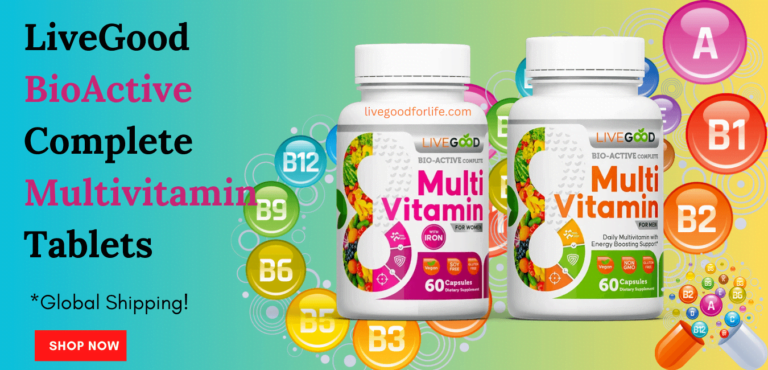
The Bio-Active Complete Multi-Vitamin for Women with Iron is a practical example because it gives you a broader premium formula instead of forcing you to chase one specialty ingredient at a time. That can make it feel more complete, more useful, and easier to stick with.
For Men
The Bio-Active Complete Multi-Vitamin for Men works in a similar way. Instead of buying a separate glycine product, you get a more complete formula with a wider ingredient profile and a stronger overall daily-use value story.
Why this recommendation makes sense: for many beginners, a broader daily formula is more useful, more balanced, and often more premium than buying one supportive ingredient in isolation.
This content is for general informational purposes only and is not medical advice. Dietary supplements are not intended to diagnose, treat, cure, or prevent any disease. Always read the label and speak with a qualified healthcare professional before use if needed.