LiveGood Ultra Magnesium Complex Review: Benefits, Uses, Safety & Value
LiveGood Ultra Magnesium Complex: The Simple Version
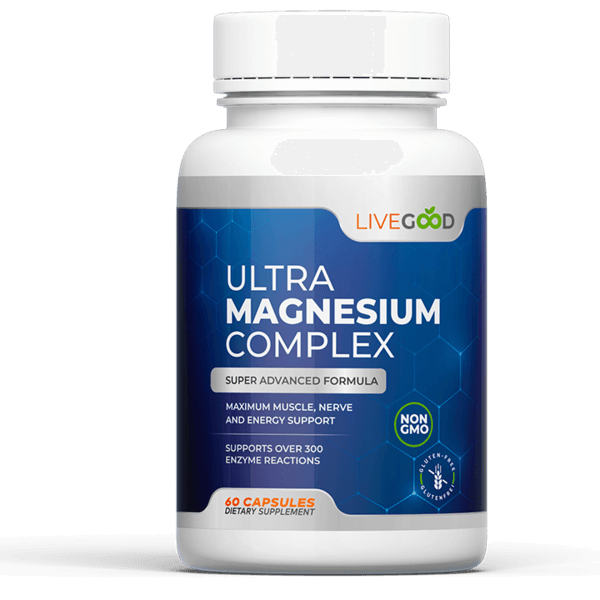
LiveGood Ultra Magnesium Complex is a daily magnesium supplement made for people who want a simple way to add magnesium to a wellness routine. The formula includes magnesium glycinate and magnesium gluconate, two forms many people compare when looking for a gentler magnesium option.
The simple takeaway: magnesium contributes to normal muscle function, normal nervous system function, electrolyte balance, normal energy metabolism, and the maintenance of normal bones and teeth. It should not be used to treat sleep problems, stress, anxiety, cramps, blood pressure, heart disease, constipation, pain, fatigue, depression, or any medical condition.
Affiliate disclosure: This page may contain affiliate links. If you purchase through my links, I may earn a commission at no extra cost to you.
Important disclaimer: This article is for educational purposes only and is not medical advice. Dietary supplements are not intended to diagnose, treat, cure, or prevent any disease.
What Is LiveGood Ultra Magnesium Complex?
LiveGood Ultra Magnesium Complex is a capsule supplement designed to support daily magnesium intake. Check the current Supplement Facts label before ordering because formulas, serving sizes, and label details can change.
Magnesium is an essential mineral involved in many normal body processes. A supplement may be useful for people who want a convenient magnesium option, but it should be chosen based on diet, current supplements, medication use, kidney health, and personal health history.
What Magnesium May Help Support
The best way to think about magnesium is to focus on normal body functions, label details, and whether it fits your daily routine.
| Support area | Simple explanation | What to remember |
|---|---|---|
| Muscle function | Magnesium contributes to normal muscle function | Not meant to treat cramps or pain |
| Nervous system | Magnesium contributes to normal nervous system function | Not a treatment for stress, anxiety, or mood concerns |
| Electrolyte balance | Magnesium contributes to electrolyte balance | Compare labels if you use electrolyte products |
| Energy metabolism | Magnesium contributes to normal energy metabolism | Not intended to treat fatigue |
| Bones and teeth | Magnesium contributes to the maintenance of normal bones and teeth | Bone health depends on many nutrients and lifestyle factors |
Magnesium Glycinate vs. Magnesium Gluconate
Different magnesium forms can vary in tolerance and how they fit into a routine. The best choice depends on your personal needs, digestion, label preferences, and professional guidance when needed.
| Form | Simple explanation | Best way to think about it |
|---|---|---|
| Magnesium glycinate | Magnesium bound to glycine | Often chosen by people comparing gentler magnesium forms |
| Magnesium gluconate | Magnesium bound to gluconic acid | A commonly used form for daily magnesium intake |
| Magnesium oxide | A common budget form | May not fit everyone’s tolerance preferences |
| Magnesium citrate | A common supplemental form | Can be useful for some people, but tolerance varies |
Price and Value
LiveGood Ultra Magnesium Complex is often shown with a member price and a retail price, but prices, membership terms, taxes, shipping, and availability can change. Check the current product page before ordering so you can confirm the latest price.
| Product | Member price | Retail price |
|---|---|---|
| LiveGood Ultra Magnesium Complex | Check current price | Check current price |
When comparing value, look at the magnesium amount per serving, number of servings, magnesium forms, serving size, label transparency, shipping, membership requirements, and whether it overlaps with other products you already use.
How to Use It
Follow the serving directions on the current product label. Some people prefer taking magnesium with food if they are sensitive to supplements, but the label should be your first reference.
Magnesium can affect the absorption of certain medications and minerals. If you take antibiotics, thyroid medication, osteoporosis medication, iron, zinc, calcium, or other prescriptions, ask a pharmacist or qualified healthcare professional how to space magnesium from your routine.
Who Should Check First?
| Check first if | Why it matters |
|---|---|
| You have kidney disease or reduced kidney function | Magnesium intake may need medical monitoring |
| You take prescription medication | Medication spacing and suitability may matter |
| You are pregnant or nursing | Professional guidance is important |
| You already take magnesium, electrolytes, or a multivitamin | Helps avoid overlapping intake |
| You have digestive sensitivity | Different forms and serving sizes may feel different |
| You are buying for a child or teenager | Age-appropriate guidance matters |
Pros and Cons
Pros
- Uses magnesium forms many people compare for daily tolerance
- Simple capsule format
- May fit into a daily mineral-support routine
- Member pricing may be attractive
Cons
- Not appropriate for everyone, especially some medication routines
- People with kidney concerns should check with a professional first
- Some people may notice digestive discomfort
- Prices and membership terms can change
Where It Fits in a Simple Wellness Routine
Magnesium is often compared with other foundational supplements such as a multivitamin or vitamin D3-K2. The right routine depends on what you already eat, what you already take, and what your healthcare professional recommends for your situation.
| Product | Simple purpose | Helpful link |
|---|---|---|
| Ultra Magnesium Complex | Supports normal muscle function, nervous system function, electrolyte balance, and energy metabolism | Ultra Magnesium Guide |
| Vitamin D3-K2 | May fit into a bone-health and daily nutrient-support routine | Vitamin D3-K2 Guide |
| Multivitamin | May help support daily vitamin and mineral coverage | LiveGood Products Guide |
Common Questions About LiveGood Ultra Magnesium
What is magnesium used for?
Magnesium is an essential mineral. It contributes to normal muscle function, normal nervous system function, electrolyte balance, normal energy metabolism, and the maintenance of normal bones and teeth.
Can magnesium help with sleep, stress, anxiety, or cramps?
Magnesium can be part of a daily wellness routine, but it should not be used to treat sleep problems, stress, anxiety, cramps, or symptoms. Speak with a qualified healthcare professional if these concerns are ongoing or disruptive.
Can I take magnesium with medication?
Ask a qualified healthcare professional or pharmacist first. Magnesium may need to be spaced away from certain medications, including some antibiotics, thyroid medications, and osteoporosis medications.
Is magnesium safe for kidney problems?
People with kidney disease or reduced kidney function should speak with a qualified healthcare professional before using magnesium supplements.
How long does magnesium take to work?
It is best not to promise a timeline. Magnesium needs and responses vary based on diet, intake, health history, medication use, and consistency.
Trusted Research
For readers who want neutral background information about magnesium, these resources may help:
- NIH Office of Dietary Supplements — Magnesium Fact Sheet
- Cleveland Clinic — Magnesium benefits and deficiency signs
- Harvard Health — The benefits of magnesium
Final Thoughts
LiveGood Ultra Magnesium Complex may be worth considering if you want a simple magnesium capsule that can fit into a daily mineral-support routine. It is best viewed as support for normal body functions, not as a treatment for symptoms or medical conditions.
Before buying, check the current Supplement Facts label, compare overlapping magnesium sources, review medication timing, and make sure the serving size fits your needs. If you take medication, have kidney concerns, are pregnant or nursing, or manage a medical condition, ask a qualified healthcare professional first.
***Please note that we at LiveGoodForLife.com do not provide medical advice. We proudly offer a fantastic range of bio and organic products for your well-being. However, we strongly recommend consulting with a qualified health practitioner before changing your diet, lifestyle, or supplement regimen. Enjoy our products responsibly and prioritize your health by seeking professional guidance.