Protein Guide: Food Sources, Daily Needs, Safety & Protein Powder Tips
Protein Guide: Food Sources, Daily Needs, Safety & Protein Powder Tips
Protein is one of the three main macronutrients, along with carbohydrates and fats. Your body uses protein for normal tissue maintenance, enzymes, hormones, muscles, and many everyday body processes.
This page is part of the Nutrition Basics Course. The goal is to explain what protein does, how much people may need, which foods provide protein, how protein powder can fit when convenient, and when extra care is needed.
Important: This content is educational only and is not medical advice. Protein needs vary by age, body size, activity, diet, health status, kidney function, pregnancy/nursing, medications, and goals. Speak with a qualified healthcare professional or registered dietitian before making major protein changes if you have kidney disease, liver disease, diabetes, gout, kidney stones, digestive issues, medical nutrition needs, unexplained weight changes, or a history of disordered eating.
Quick answer: Protein helps support normal body structure and function. It can also help meals feel more satisfying when paired with fiber-rich carbohydrates and healthy fats. Whole foods should come first, while protein powder can be useful when food is not convenient or when a person needs help filling a practical protein gap.
Why Protein Matters
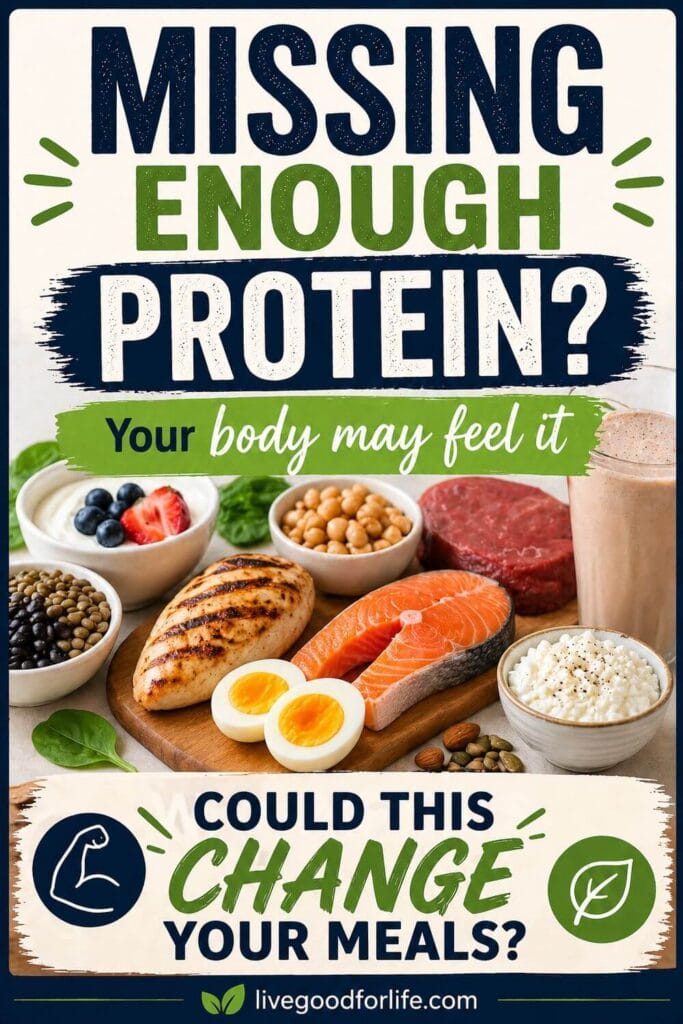
Protein is not only for athletes or gym routines. It is a basic nutrient that belongs in a balanced eating pattern. Protein is made from amino acids, and some amino acids are considered essential because the body cannot make them on its own.
That is why protein quality, variety, and consistency matter. A balanced routine can include animal-based proteins, plant-based proteins, or a mix of both depending on preferences, budget, digestion, and health context.
Watch the Video: Why Protein Matters
What Does Protein Do?
Protein provides amino acids the body uses for normal tissue maintenance, muscle maintenance, enzymes, hormones, immune system function, and many daily body processes. It can also help meals feel more satisfying, especially when combined with fiber-rich foods and healthy fats.
A common baseline recommendation for many adults is about 0.8 grams of protein per kilogram of body weight per day. Needs can vary, and some active adults may use higher ranges such as 1.2 to 2.0 grams per kilogram per day, depending on training, goals, health context, and professional guidance.
Helpful references:
- PubMed: Dietary Protein Intake and Human Health
- Academy of Nutrition and Dietetics / ACSM Position Paper on Nutrition and Athletic Performance
- Harvard T.H. Chan School of Public Health: Protein
When Meals May Be Low in Protein
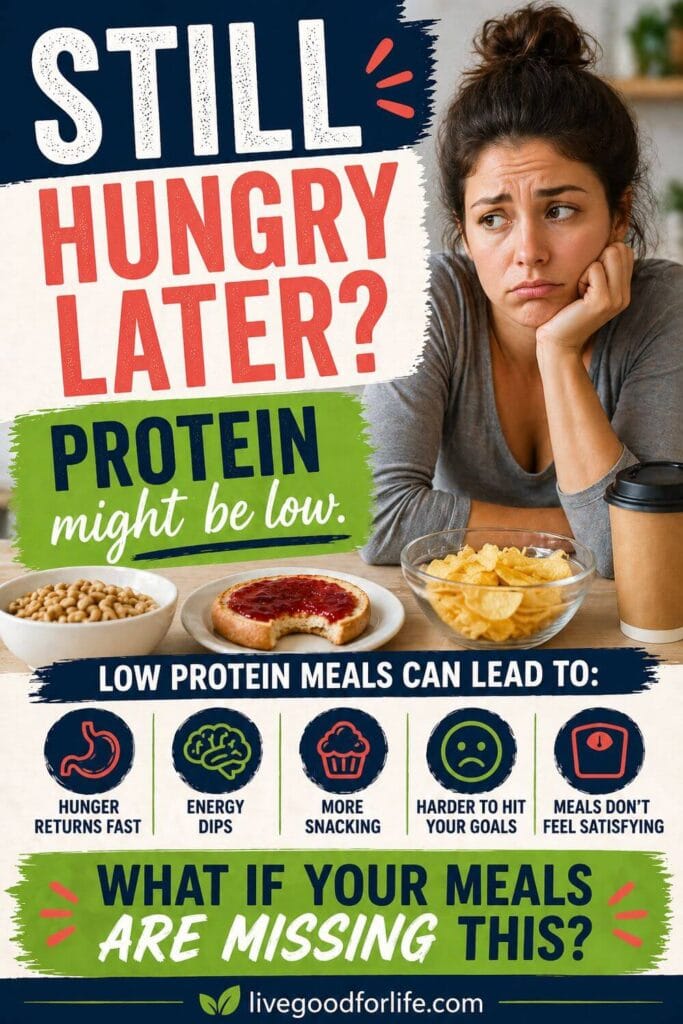
Many meals are built around quick carbohydrates, snacks, or convenience foods. Those foods are not automatically “bad,” but meals that are low in protein, fiber, and healthy fats may not feel as satisfying for some people.
Protein may be worth reviewing if you often skip protein at breakfast, rely mostly on low-protein snacks, feel hungry soon after meals, or are trying to build more balanced meals. These are not medical signs or diagnoses. They are simply clues that meal structure may be worth checking.

What Is Protein?
Protein is a macronutrient made from amino acids. Amino acids are often described as building blocks because the body uses them to build and maintain tissues and make many important compounds.
There are many amino acids, but nine are considered essential because the body cannot make them on its own. These must come from food. This is one reason protein quality and variety matter.
Complete vs. Incomplete Protein
Some protein foods are called complete proteins because they contain all nine essential amino acids. Animal-based foods such as eggs, dairy, fish, poultry, and meat are commonly complete proteins. Some plant foods, such as soy foods and quinoa, are also complete proteins.
Many plant-based proteins may be lower in one or more essential amino acids, but that does not mean they are not useful. Eating a variety of plant proteins throughout the day can help build a balanced amino acid intake.
You can learn more from Harvard T.H. Chan School of Public Health: Protein.
Best High-Protein Foods
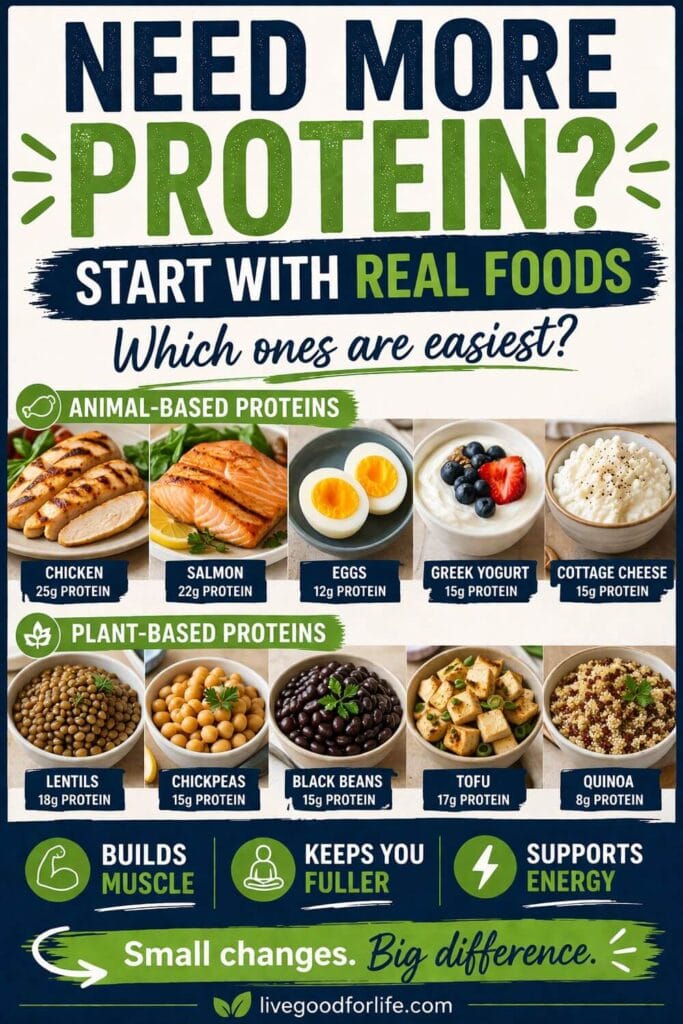
You can get protein from both animal-based and plant-based foods. The best choice depends on your food preferences, budget, digestion, allergies, ethics, and overall diet.
Animal-Based Protein Foods
- Eggs
- Chicken
- Turkey
- Lean beef
- Fish
- Salmon
- Tuna
- Greek yogurt
- Cottage cheese
- Milk
- Whey protein, when useful for convenience
Plant-Based Protein Foods
- Lentils
- Black beans
- Chickpeas
- Tofu
- Tempeh
- Edamame
- Quinoa
- Pea protein, when useful for convenience
- Hemp seeds
- Chia seeds
- Pumpkin seeds
- Almonds
For more ideas, read Top 20 High-Protein Food Sources.
How Much Protein Do You Need?
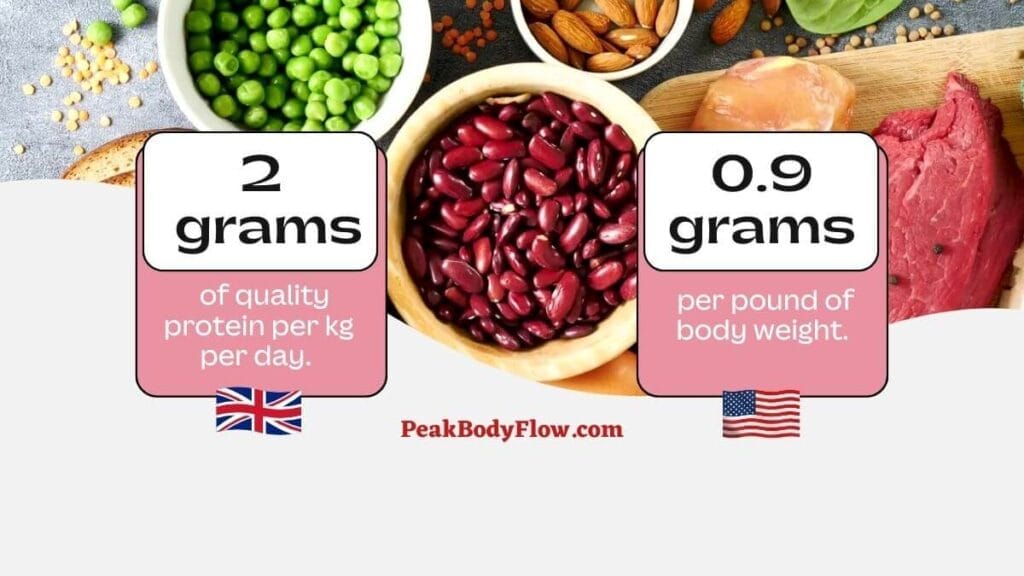
There is no one perfect protein number for everyone. Protein needs may depend on age, body weight, activity level, muscle mass, training routine, health status, pregnancy or breastfeeding status, diet quality, calorie intake, and medical context.
A common baseline recommendation for many adults is around 0.8 grams per kilogram of body weight per day. This is often used as a general baseline for healthy adults with minimal physical activity. Active people may need more, and sports nutrition references often discuss ranges around 1.2 to 2.0 grams per kilogram per day.
Helpful references:
Simple Protein Estimate
A simple way to estimate protein intake is to convert body weight from pounds to kilograms, then multiply by a protein range. This is only an estimate, not a prescription.
Step 1: Body weight in pounds ÷ 2.2 = body weight in kilograms.
Step 2: Body weight in kilograms × protein target range = estimated grams per day.
Example: 154 pounds is about 70 kilograms. At 1.2 grams per kilogram, that equals about 84 grams of protein per day.
Your personal needs may differ. Speak with a qualified professional if you have kidney concerns, liver disease, diabetes, gout, kidney stones, pregnancy/nursing, medical nutrition needs, or specific performance goals.
Helpful tool: Use the Protein Powder Calculator for a practical protein estimate.
Protein and Muscle Maintenance
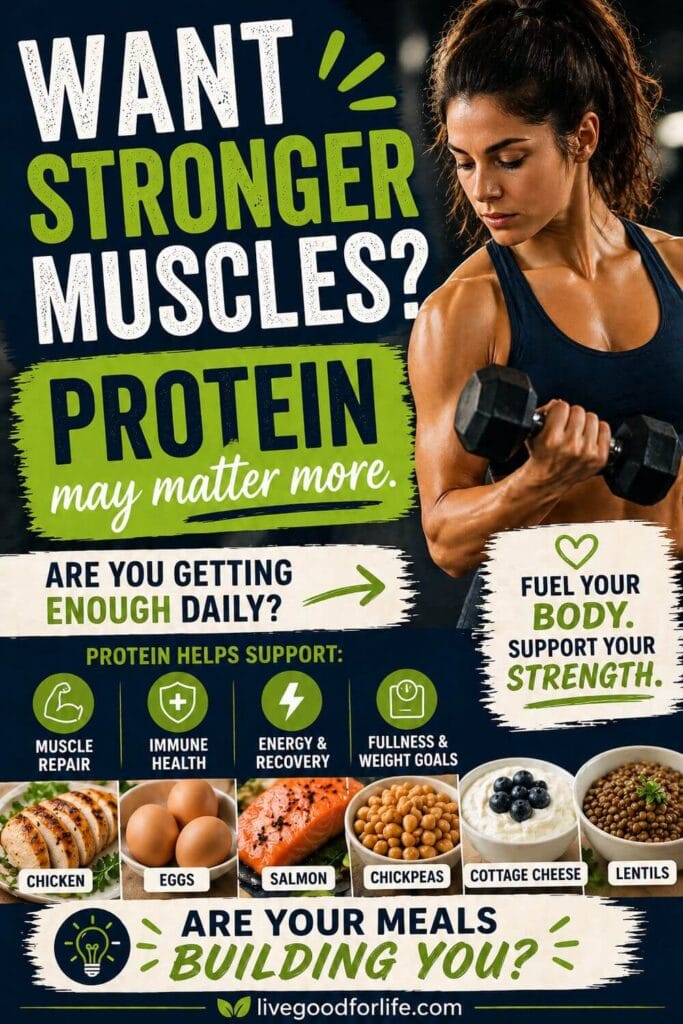
Protein helps provide amino acids the body can use for muscle maintenance and normal tissue repair. For people who exercise, protein works best alongside consistent training, enough total calories, carbohydrates for activity, healthy fats, hydration, sleep, and recovery time.
Protein is important, but it is not the only factor. Training consistency, total food intake, sleep, stress, and medical context all matter.
Related guides:

Protein and Fullness
Protein may help meals feel more satisfying. When a meal includes protein, fiber-rich carbohydrates, and healthy fats, it may feel more complete than a meal made mostly from refined carbohydrates.
A simple balanced meal could include a protein source, a fiber-rich carbohydrate, a healthy fat, and colorful fruits or vegetables.
Related guide: Fiber Guide.
Can You Eat Too Much Protein?
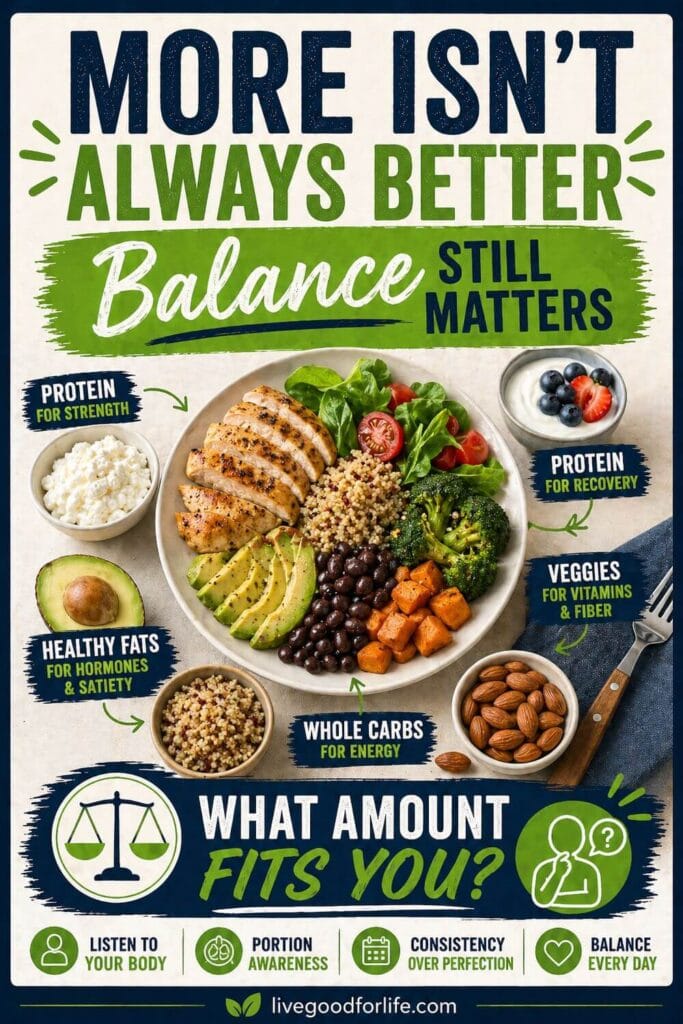
Protein is important, but balance still matters. Eating more protein does not automatically mean better results. Very high-protein eating patterns may not be right for everyone, especially people with kidney disease or other medical conditions.
A high-protein diet may also become less balanced if it pushes out fruits, vegetables, whole grains, fiber, and healthy fats. Cleveland Clinic recommends checking with a healthcare provider before major protein changes if kidney health is a concern: Cleveland Clinic: Can Eating Too Much Protein Hurt Your Kidneys?

How to Add More Protein Without Overthinking It
You do not need a complicated diet plan to add more protein. Start with one meal at a time and build a routine you can repeat.
- Add eggs or Greek yogurt at breakfast
- Add chicken, tuna, tofu, or beans to salads
- Use cottage cheese or Greek yogurt as a snack
- Add lentils or beans to soups
- Use protein powder when food is not convenient
- Add hemp seeds, chia seeds, or pumpkin seeds to meals
- Choose meals that include protein, fiber, and healthy fats
Protein Supplements: When They May Be Useful
Whole foods should be the foundation of protein intake. Protein supplements can be useful for convenience when someone is busy, traveling, training, or having trouble getting enough protein from meals alone.
Common protein supplement options include whey protein, whey isolate, casein protein, pea protein, plant-based protein blends, and essential amino acid supplements. They are not required for everyone.
When comparing protein supplements, look for protein per serving, ingredient transparency, added sugar amount, artificial colors or fillers, testing or quality documentation, digestive tolerance, allergens, and whether it fits your routine.
Optional Protein Powder Examples
Whole foods should always be the foundation. The two product examples below are included because different people may prefer different protein formats: one dairy-based whey isolate option and one plant-based option.
Use them as comparison examples, not as replacements for balanced meals. Check the current label, serving size, allergens, price, and ingredient details before ordering.
Option 1: Whey Protein Isolate with Colostrum
Best for: people who tolerate dairy and want a convenient protein option for smoothies, post-workout meals, or general daily protein support.
Whey protein isolate is usually higher in protein and lower in lactose, carbohydrates, and fat compared with some whey concentrates. Tolerance still varies, especially for people with dairy sensitivity.
The added colostrum makes this option different from a basic whey protein powder. It should be described as part of the formula, not as a treatment or guaranteed wellness outcome.
Option 2: Organic Complete Plant-Based Protein
Best for: people who want a vegan-friendly or dairy-free protein option for smoothies, shakes, or simple meal routines.
A plant-based protein can fit people who avoid dairy, follow a plant-based lifestyle, or want another protein option besides whey. Taste, texture, and digestive tolerance can vary by formula.
Whey vs. Plant-Based Protein
| Feature | Whey Protein Isolate with Colostrum | Organic Complete Plant-Based Protein |
|---|---|---|
| Best for | Dairy-friendly users who want a convenient protein shake | Vegan, dairy-free, or plant-focused users |
| Protein source | Dairy-based whey isolate | Plant-based protein blend |
| Common use | Smoothies, snacks, post-workout meals | Smoothies, shakes, breakfast, daily nutrition routines |
| Who may avoid it | People avoiding dairy or sensitive to dairy | People who prefer whey texture or taste |
| Routine fit | Convenience option for dairy-friendly users | Convenience option for dairy-free users |
Neither option replaces real food. The best approach is still to build meals around whole-food protein sources and use a protein supplement only when it helps you stay consistent.
Helpful product guides:
- LiveGood Whey Protein Isolate guide
- Plant-Based Protein, Collagen & Super Greens
- Best Protein Powders
- Start Here: How We Evaluate LiveGood Supplements
Pros & Cons of Protein Supplements
| Pros | Cons |
|---|---|
| Convenient when busy | Should not replace all whole foods |
| Easy to add to smoothies | Quality varies by brand |
| Can help fill protein gaps | Some formulas contain added sugar or fillers |
| Useful after workouts or between meals | Not everyone tolerates every type well |
Organic Complete Plant-Based Protein Snapshot
This is an organic plant-based protein powder designed for a simple daily shake or smoothie routine. This snapshot shows member vs retail pricing, official directions, label highlights, and a quick competitor price check.
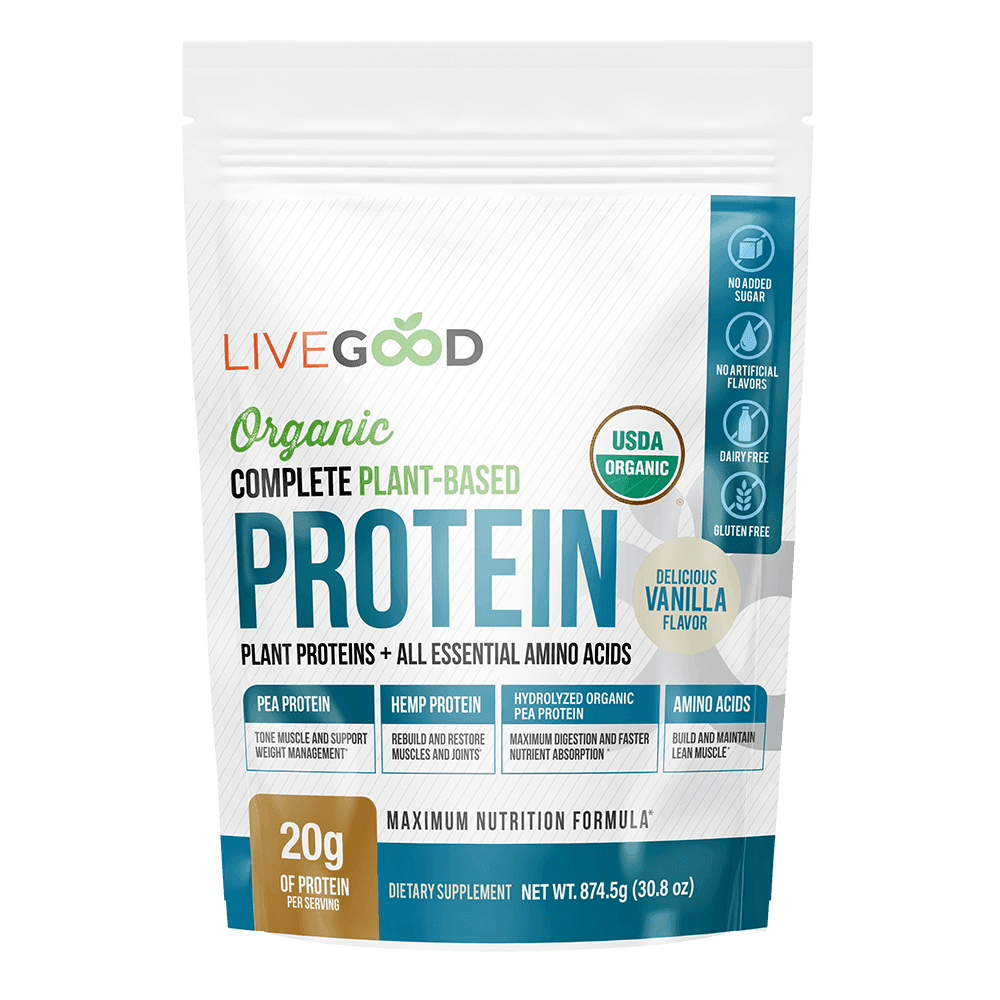
Organic Complete Plant-Based Protein
A vanilla-flavored plant protein powder designed for daily shakes or smoothies. Best viewed as a convenient protein option, not a replacement for balanced meals.
One-time purchase available • Subscription optional • Check current product page for latest details
Availability may vary by country or region. Please check the official product page for latest availability in your location.
What it may help support
- Daily protein intake as part of a consistent routine
- Smoothie or shake convenience for busy schedules
- Plant-based nutrition preferences
- Protein intake around workouts when food is not convenient
How to use
- Mix 1 scoop in water or your favorite smoothie.
- Use based on your routine and protein needs.
- Adjust liquid amount to taste and texture preference.
Label highlights
Price comparison snapshot
Why this product is included
For protein powders, I prioritize simple routine fit: clear scoop directions, clear pricing tiers, and label highlights that make comparisons easier.
Use the same framework here: Supplement Education Hub, LiveGood Savings Calculator, and label guide.
Reviews snapshot
See current options and pricing
Check the official page for the latest pricing, availability, and usage directions before ordering.
Disclosure: This section contains affiliate links. If you purchase through them, I may earn a commission at no extra cost to you.
Whey Protein Isolate with Colostrum Snapshot
This is a whey isolate protein powder designed for a simple shake or smoothie routine. This snapshot shows member vs retail pricing, official directions, label highlights, and a quick competitor price check.

Whey Protein Isolate with Colostrum
A whey isolate protein powder for people who tolerate dairy and want a convenient protein option for shakes, smoothies, or post-workout meals.
One-time purchase available • Subscription optional • Check current product page for latest details
What it may help support
- Daily protein intake when food intake is inconsistent
- Smoothie or shake convenience for busy schedules
- Protein intake around workouts as part of a training routine
- Routine-friendly use for people who tolerate dairy
How to use
- Mix 1 scoop in water or your favorite smoothie.
- Use what fits your schedule best.
- Adjust liquid amount to taste and texture preference.
Label highlights
Price comparison snapshot
Why this product is included
For protein powders, I focus on routine practicality: clear serving directions, pricing tiers that are easy to compare, and label highlights that let readers check what they are buying.
Compare supplements using the Supplement Education Hub, LiveGood Savings Calculator, and label guide.
Reviews snapshot
Confirm current pricing and directions
Use the official page to verify latest pricing, availability, and directions before ordering.
Disclosure: This section contains affiliate links. If you purchase through them, I may earn a commission at no extra cost to you.
Who This Guide Is For
This guide may be helpful if you want to understand protein better, build balanced meals, include more protein foods, compare protein powders carefully, or follow the Nutrition Basics Course.
Continue the Nutrition Basics Course
This post is part of the Nutrition Basics Course on LiveGoodForLife.
- Understanding Calories: What Your Body Does With Energy
- Top 20 High-Protein Food Sources
- Carbohydrates: Types, Functions and Benefits
- Understanding Good vs Bad Fats for You
- Fiber Guide
- Water & Hydration Guide
- Micronutrients Guide
FAQ: Protein and Daily Nutrition
What is protein?
Protein is a macronutrient made from amino acids. The body uses protein for normal tissue maintenance, enzymes, hormones, muscles, and many everyday body processes.
Why is protein important?
Protein provides amino acids and helps support normal body structure and function. It can also help meals feel more satisfying when paired with fiber-rich carbohydrates and healthy fats.
How much protein do I need per day?
A common baseline recommendation is about 0.8 grams per kilogram of body weight per day for many adults. Active people may need more, often around 1.2 to 2.0 grams per kilogram, depending on goals, training, and health context.
Can protein help with fullness?
Protein may help meals feel more satisfying, especially when combined with fiber-rich carbohydrates and healthy fats.
What foods are high in protein?
High-protein foods include eggs, chicken, turkey, fish, Greek yogurt, cottage cheese, lean meats, tofu, tempeh, beans, lentils, quinoa, nuts, seeds, and protein powders when useful for convenience.
Is protein powder necessary?
No. Protein powder is not necessary if you get enough protein from food. It can be convenient when you are busy or need help filling a practical protein gap.
Can too much protein be a problem?
Very high protein intake may not be right for everyone, especially people with kidney disease or certain medical conditions. Speak with a qualified healthcare professional before making major changes.
Final Takeaway
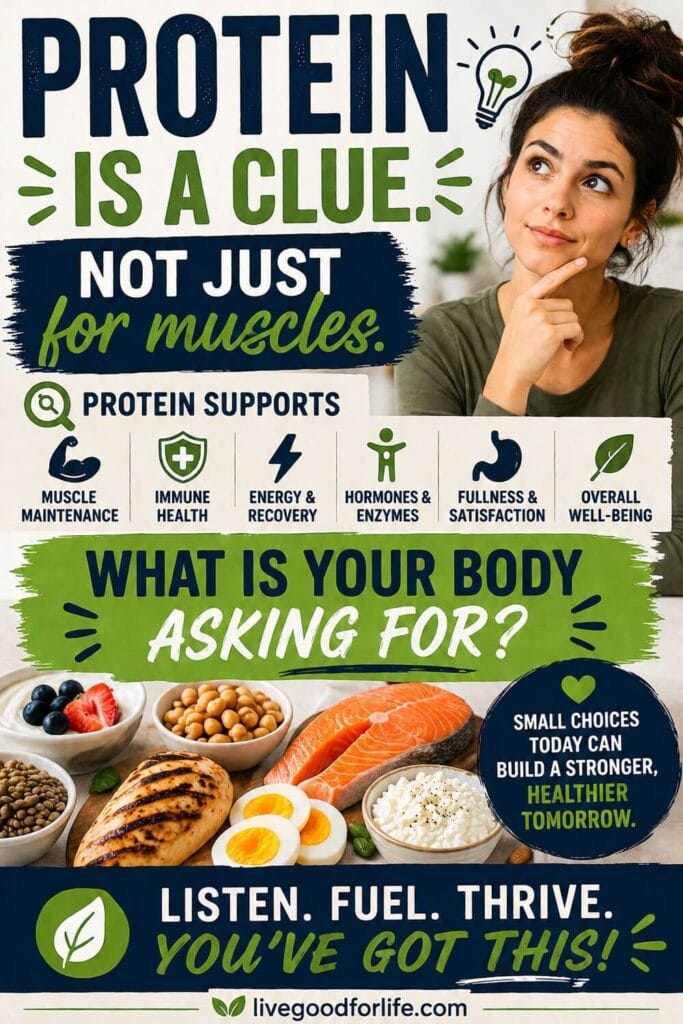
Protein is worth paying attention to because it is part of a balanced daily nutrition routine. It is not a magic solution, and more is not always better.
Start with whole-food protein sources, build balanced meals, and use protein powder only when it helps you stay consistent. Food quality, total calories, sleep, training, hydration, digestion, and medical context all matter.
Learn More
For more simple nutrition guides, wellness education, and product information, visit LiveGoodForLife.com.
Disclaimer
This content is for informational and educational purposes only and is not medical advice. Results may vary. Always consult your doctor, registered dietitian, or qualified healthcare professional before making changes to your diet, lifestyle, supplement routine, or exercise plan, especially if you have a medical condition, kidney disease, liver disease, diabetes, gout, kidney stones, digestive issues, are pregnant or nursing, have medical nutrition needs, have a history of disordered eating, or take medication.
This post may contain affiliate links, which means I may earn a commission at no extra cost to you.