Estrogen Dominance Guide: Symptoms, Food Tips & Safety
Last updated: April 27, 2026
What People Mean by Estrogen Dominance
Estrogen dominance is a common wellness phrase people use when symptoms feel hormone-related, especially around PMS, bloating, breast tenderness, cycle changes, mood shifts, headaches, sleep changes, or weight changes.
The important thing to know is that symptoms alone cannot confirm high estrogen, low progesterone, perimenopause, PCOS, thyroid issues, anemia, or any other medical cause. The same symptoms can come from many different patterns, so tracking and proper guidance matter.
This guide explains what people usually mean by estrogen dominance, what symptoms may be worth tracking, how food and lifestyle habits may support overall wellness, and when to get checked by a qualified healthcare professional.
Affiliate disclosure: This page may contain affiliate links. If you purchase through my links, I may earn a commission at no extra cost to you.
Important disclaimer: This article is for educational purposes only and is not medical advice. It should not be used to diagnose or treat estrogen dominance, PMS, menopause symptoms, PCOS, infertility, thyroid disease, anxiety, depression, weight changes, or any medical condition. Dietary supplements are not intended to diagnose, treat, cure, or prevent any disease.
For a broader supplement overview, see the updated 10 Supplements for Hormone Health guide.
What Does “Estrogen Dominance” Mean?
Estrogen dominance is not always used the same way. Some people use it to describe estrogen that is high compared with progesterone. Others use it more loosely to describe PMS, bloating, breast tenderness, mood changes, or cycle symptoms that feel hormonal.
That difference matters. You can feel hormone-related symptoms even when one lab result looks normal, and the same symptoms can come from stress, sleep loss, thyroid changes, iron deficiency, medication effects, blood sugar swings, perimenopause, or other health issues.
| Common possibility | Why it can feel similar | Helpful next step |
|---|---|---|
| Stress overload | May affect sleep, cravings, irritability, and PMS experience | Track sleep, caffeine, alcohol, and stress patterns |
| Thyroid concerns | May overlap with fatigue, weight changes, mood changes, constipation, and cycle changes | Ask a clinician whether thyroid testing is appropriate |
| Low iron or ferritin | May overlap with fatigue, weakness, low stamina, and headaches | Ask about labs if periods are heavy or fatigue is persistent |
| Blood sugar swings | May overlap with cravings, irritability, low energy, and anxious feelings | Try steady meals with protein, fiber, and healthy fats |
| Perimenopause | May involve changing cycles, sleep changes, mood changes, and hot flashes | Track cycle changes and discuss symptoms if they affect daily life |
Symptoms People Commonly Associate With Estrogen Dominance

People often search this topic because they notice patterns around PMS, bloating, breast tenderness, headaches, mood changes, fatigue, cycle changes, or sleep disruption. These patterns can be useful to track, but they are not diagnostic on their own.
If you want a broader checklist, read the 7 Signs of Hormone Imbalance in Women guide, but remember that symptom lists are only a starting point.
| Pattern to track | What to write down | Why it helps |
|---|---|---|
| PMS intensity | Rate emotional and physical symptoms from 1 to 10 | Shows whether symptoms follow a cycle pattern |
| Bloating | Note timing, foods, constipation, alcohol, and saltier meals | Helps separate digestion patterns from cycle patterns |
| Breast tenderness | Track timing before the period | Useful context for a clinician |
| Headaches | Note timing, severity, caffeine, sleep, and cycle phase | Helps identify red flags and repeat triggers |
| Cycle changes | Record cycle length, bleeding amount, and skipped periods | Helpful for perimenopause, thyroid, PCOS, and other evaluations |
Estrogen Dominance vs. Perimenopause
Estrogen-dominance-style symptoms and perimenopause can overlap. In perimenopause, hormone patterns often become less predictable, and symptoms may vary more from month to month. That is why tracking timing matters.
| Feature | Often described in estrogen-dominance conversations | Often described in perimenopause conversations |
|---|---|---|
| Timing | May feel more predictable before the period | May vary more month to month |
| PMS | Bloating, tenderness, mood shifts before the period | PMS may change or feel less predictable |
| Cycles | May still be regular or slightly irregular | May shorten, lengthen, skip, or change flow |
| Sleep | May be worse near PMS or during stress | May become a more regular concern |
| Best first step | Track symptoms, food, sleep, stress, and cycle phase | Track cycle changes and discuss symptoms if disruptive |
Get medical guidance if bleeding is very heavy, pain is severe, periods stop unexpectedly, symptoms change quickly, or sleep, mood, hot flashes, or cycle changes are affecting daily life.
When to Get Checked Promptly
Some symptoms should not be managed with food changes or supplements alone. Speak with a qualified healthcare professional promptly if you have very heavy bleeding, bleeding between periods, severe pelvic pain, fainting, dizziness, shortness of breath, chest pain, heart palpitations, sudden severe headache, neurological symptoms, missed periods not explained by pregnancy or menopause, or symptoms that are rapidly worsening.
It is also worth getting checked if you suspect PCOS, thyroid problems, anemia, endometriosis, fibroids, perimenopause, depression, anxiety, or another medical issue. A blog post cannot tell which one applies.
High-Estrogen Foods: A Better Way to Think About Food
Many people worry about estrogen-rich foods, but most food conversations are more nuanced than that. Some foods contain phytoestrogens, which are plant compounds and not the same as human estrogen. A single food does not usually explain hormone-related symptoms by itself.
A more useful approach is to look at your overall pattern: fiber intake, protein at meals, alcohol, added sugar, ultra-processed foods, caffeine timing, sleep, and digestion. These are easier to track and adjust without creating food fear.
| Common food topic | Simple explanation | Practical approach |
|---|---|---|
| Soy | Contains phytoestrogens, which are plant compounds | Moderate intake can fit many diets; track personal tolerance |
| Flaxseed | Contains lignans and fiber | Add slowly if tolerated, especially if digestion is sensitive |
| Dairy | May bother some people due to digestion or skin sensitivity | Track response instead of assuming it affects everyone |
| Alcohol | Can affect sleep, appetite, and PMS experience for some people | Notice whether reducing frequency changes how you feel |
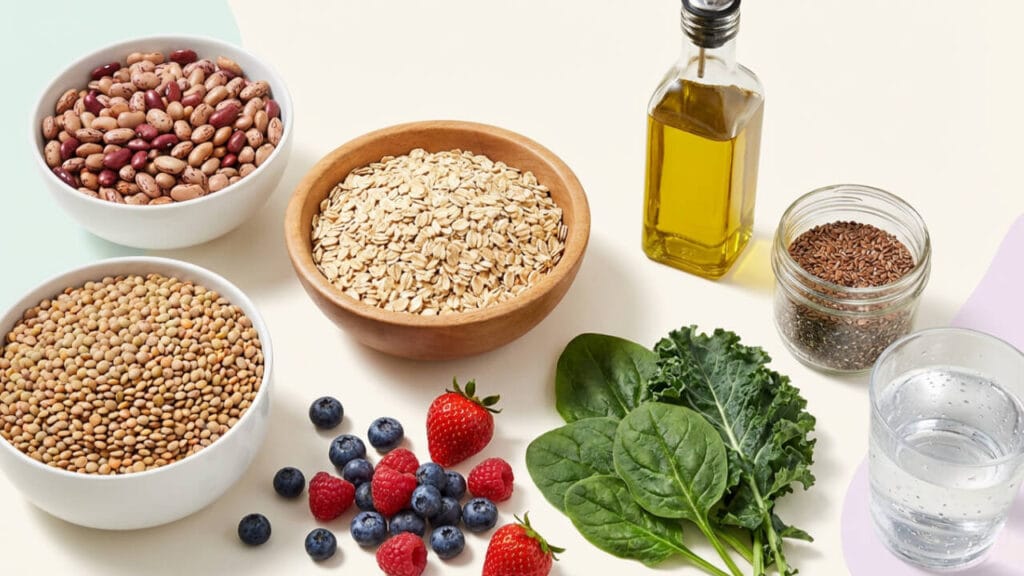
| Low-fiber diet | May worsen constipation, bloating, and appetite swings | Add beans, berries, oats, greens, chia, or lentils gradually |
Fiber-First Food Pattern for Women’s Wellness
A fiber-first food pattern may help support regularity, digestive wellness, fullness, and healthy energy habits. This does not mean fiber treats estrogen dominance or PMS. It simply means fiber is a useful foundation for many wellness routines.
| Add more often | Easy ideas | Why people like it |
|---|---|---|
| Beans and lentils | Add to soups, salads, bowls, or wraps | Fiber plus plant protein |
| Berries | Add to yogurt, oats, or smoothies | Fiber and colorful plant compounds |
| Oats and whole grains | Use at breakfast or as a side | Simple, filling, and budget-friendly |
| Leafy greens and cruciferous vegetables | Add to stir-fries, eggs, soups, or smoothies | Adds fiber, minerals, and plant compounds |
| Chia and flax | Start with small amounts in yogurt or smoothies | Easy fiber add-ins if tolerated |
Increase fiber gradually and drink enough water. Adding too much too quickly can cause gas, bloating, or discomfort, especially if your digestion is sensitive.
A Simple 7-Day Supportive Plate Template
You do not need a perfect diet. A simple plate with protein, fiber, color, and healthy fats is often easier to repeat than a strict plan.
| Day | Protein | Fiber | Color | Healthy fat |
|---|---|---|---|---|
| 1 | Eggs or tofu | Oats | Berries | Nuts |
| 2 | Chicken or beans | Lentils | Greens | Olive oil |
| 3 | Salmon or tempeh | Beans | Peppers | Avocado |
| 4 | Greek yogurt | Chia | Berries | Almonds |
| 5 | Turkey or tofu | Whole grains | Mixed vegetables | Olive oil |
| 6 | Eggs or tuna | Beans | Tomato and greens | Avocado |
| 7 | Lean protein or legumes | Oats or lentils | Fruit and vegetables | Nuts or seeds |
Estrogen Metabolism: Plain-English Explanation
Estrogen metabolism means the way the body processes estrogen and related compounds. People often call this estrogen detox, but supporting normal hormone processing is more accurate and less misleading.
The body already has organs and systems that handle normal processing and waste removal. Supportive habits may include enough fiber, hydration, regular meals, movement, sleep, and avoiding extreme alcohol intake. These habits support overall wellness; they do not detox or cleanse estrogen from the body.
| Step | Simple explanation | Supportive habit |
|---|---|---|
| Processing | The body prepares compounds for normal removal | Balanced meals, sleep, and adequate nutrients |
| Digestion | Waste moves through the digestive system | Fiber, fluids, and regular meals |
| Regularity | Normal bowel habits help remove waste | Gradual fiber, hydration, and movement |
If Constipation or Bloating Is Part of the Pattern
Constipation and bloating can make PMS and cycle discomfort feel worse, but they can also have many non-hormonal causes. Start with gentle basics, and get medical guidance if symptoms are persistent, painful, severe, or new.
| Start here | Why it may help | Be careful if |
|---|---|---|
| Add one fiber food daily | Supports regularity over time | You have IBS, IBD, SIBO, or severe bloating |
| Drink water earlier in the day | Supports hydration and stool consistency | You have fluid restrictions or kidney/heart concerns |
| Walk after one meal | Supports movement and a steady routine | You have pain, dizziness, or movement restrictions |
| Keep meal timing consistent | May support a more predictable digestion rhythm | You have a medical nutrition plan |
Get checked if constipation is severe, sudden, painful, or comes with blood in stool, black stool, unexplained weight loss, vomiting, fever, or major changes in bowel habits.
“Estrogen Detox”: What Actually Helps?
Estrogen detox claims can sound dramatic, but the safer approach is simple: support normal body function with consistent habits. No drink, cleanse, supplement, or food plan should be presented as flushing estrogen, cleansing hormones, or fixing hormone imbalance.
| Popular claim | Safer way to think about it |
|---|---|
| Flush estrogen fast | Support normal digestion and daily wellness habits |
| Use detox foods to fix symptoms | Build meals with protein, fiber, color, and healthy fats |
| Take a hormone detox supplement | Read labels carefully and do not use supplements to treat symptoms |
| Avoid all estrogenic foods | Track personal tolerance and avoid unnecessary food fear |
A Simple 14-Day Tracking Plan
Tracking can help you notice patterns without guessing. Use this as a wellness log, not as a diagnostic tool. Pick two or three symptoms to track and record cycle day, sleep, stress, alcohol, caffeine, fiber, and movement.

| Daily habit | Simple version | Track it |
|---|---|---|
| Protein and fiber breakfast | Greek yogurt with berries, eggs with greens, or oats with chia and protein | Yes/no |
| Hydration | Drink water earlier in the day | Yes/no |
| Movement | Walk 10 minutes after one meal | Yes/no |
| Sleep routine | Keep a consistent bedtime window | Sleep hours |
| Symptom score | Rate bloating, PMS, mood, headaches, or breast tenderness | 1 to 10 |
Natural Approach vs. Medical Options
Food, sleep, movement, hydration, stress recovery, and supplement label awareness can support overall wellness. They should not be described as estrogen dominance treatment. Medical care is appropriate when symptoms are severe, persistent, worsening, or connected to red flags.
| May be reasonable for self-care tracking | Better to involve a clinician sooner |
|---|---|
| Mild, stable PMS patterns | Heavy bleeding, severe pain, or fainting |
| Mild bloating that tracks with food or cycle timing | Blood in stool, severe constipation, or sudden digestive changes |
| Sleep or stress patterns you can clearly identify | Persistent insomnia, anxiety, depression, or panic symptoms |
| Food patterns you want to improve gradually | Rapid weight changes, missed periods, infertility concerns, or thyroid symptoms |
Perimenopause and Estrogen-Style Symptoms
Many women begin noticing changes in their late 30s or 40s. Perimenopause may involve changing cycle length, heavier or lighter flow, sleep disruption, hot flashes, mood changes, brain-fog-type feelings, and different PMS patterns. These changes can be confusing, so tracking helps.
The basics still matter: sleep consistency, protein and fiber at meals, strength training, daily movement, alcohol awareness, and professional guidance when symptoms are disruptive. For related reading, see the Best Vitamins for Hormone Balance After 40 guide.
Supplements That May Fit a Women’s Wellness Routine
Supplements can be part of a wellness routine, but they should not be used to treat estrogen dominance, PMS, PCOS, thyroid symptoms, menopause symptoms, mood changes, infertility, or weight changes. Add one product at a time if appropriate, and check for medication cautions.
Common categories people compare include magnesium, vitamin D, omega-3s, probiotics, black seed oil, B vitamins, zinc, and women-focused formulas. The updated 10 Supplements for Hormone Health guide explains these categories in safer detail.
| What to check | Why it matters |
|---|---|
| Full supplement facts panel | Shows ingredient amounts and serving size |
| Medication cautions | Important for thyroid, hormone, mood, diabetes, blood pressure, immune, and blood-thinning medications |
| Pregnancy and breastfeeding warnings | Many herbs and formulas need professional guidance |
| Duplicate ingredients | Helps avoid stacking magnesium, zinc, vitamin D, B vitamins, or herbs |
| Testing and quality information | Helpful for products you use regularly |
For label help, read the Third-Party Lab Testing Guide and the Label Red Flags Guide.
Common Questions About Estrogen Dominance
Can symptoms confirm estrogen dominance?
No. Symptoms can suggest patterns to track, but they cannot confirm hormone levels or diagnose a condition. A healthcare professional can help decide whether testing or evaluation is appropriate.
Can food lower estrogen?
No single food should be described as lowering estrogen. A balanced food pattern with enough fiber, protein, colorful plants, and fewer ultra-processed foods may support overall wellness and digestive regularity.
Are soy foods bad for estrogen dominance?
Soy contains phytoestrogens, which are plant compounds and not the same as human estrogen. Many people can include moderate soy in a balanced diet. Track your personal tolerance and ask a professional if you have hormone-sensitive conditions or treatment concerns.
Does estrogen cause headaches?
Hormone shifts may influence headaches for some people, but headaches can have many causes. New, severe, worsening, or neurological-symptom headaches should be checked promptly.
Can supplements treat estrogen dominance?
No. Supplements should not be used to treat estrogen dominance or hormone imbalance. They may support normal wellness routines when appropriate, but symptoms need proper evaluation if persistent or severe.
How can I check estrogen levels?
Hormone testing depends on timing, age, symptoms, cycle stage, medications, and medical history. Home tests exist, but results can be hard to interpret. Discuss testing with a qualified healthcare professional if symptoms are significant.
What are the downsides of taking estrogen?
Estrogen therapy is a medical treatment that should be discussed with a qualified healthcare professional. Risks and benefits depend on age, symptoms, uterus status, medical history, and other factors. It is not a do-it-yourself supplement decision.
Bottom Line
Estrogen dominance is a common search term, but it is not something to self-diagnose from symptoms alone. PMS, bloating, mood shifts, headaches, breast tenderness, cycle changes, fatigue, and weight changes can have many causes.
The safest approach is to track patterns, support the basics, avoid extreme detox or food-fear advice, and get medical guidance when symptoms are persistent, severe, worsening, or unusual for you. Food and supplements can support a healthy routine, but they should not replace proper care.