Whey vs Plant Protein Powder: Best Picks 2026
Whey vs Plant Protein Powder: Which Should You Buy?
Choosing between whey vs plant protein powder comes down to your diet, dairy tolerance, taste preferences, budget, and how you plan to use it. Whey protein may be a good fit if you tolerate dairy and want a dairy-based protein powder. Plant protein may be a better fit if you want a vegan, dairy-free, or gentler option for your routine.
This guide compares both options in simple terms so you can make a better buying decision. Protein powder can help you add protein to meals, shakes, smoothies, or snacks, but it should not replace balanced meals or be treated like a medical product.
Affiliate disclosure: This page may contain affiliate links. If you purchase through my links, I may earn a commission at no extra cost to you.
Important disclaimer: This article is for educational purposes only and is not medical advice. Protein powders and supplements are not intended to diagnose, treat, cure, or prevent any disease. Speak with a qualified healthcare professional before changing your protein intake if you have kidney disease, liver disease, food allergies, digestive conditions, are pregnant or nursing, take medication, or have personal health questions.
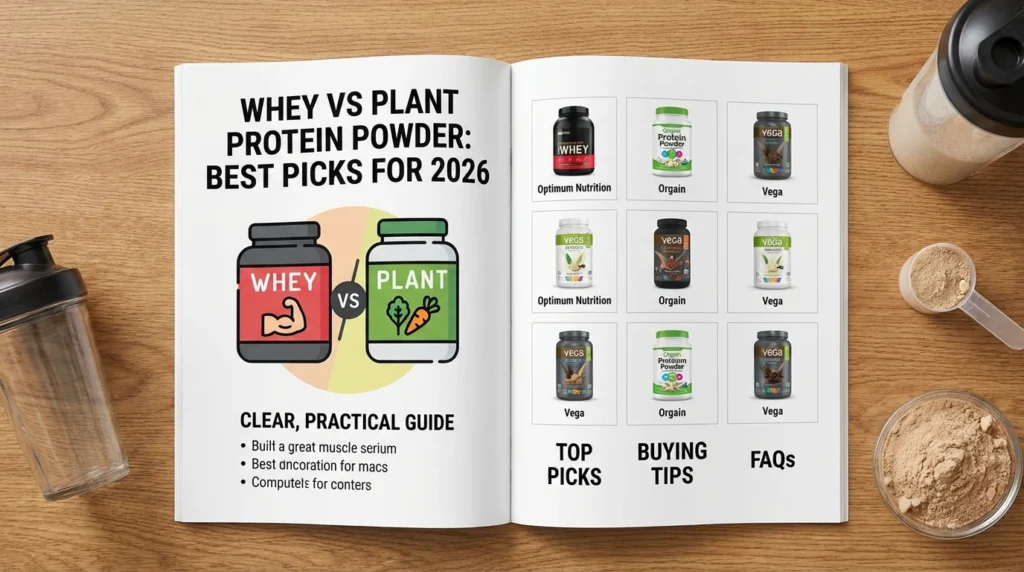
Quick Buying Summary
| Buyer question | Simple answer |
|---|---|
| Best if you tolerate dairy | Whey protein isolate or whey protein powder may be a good fit |
| Best if you avoid dairy | Plant protein powder is usually the better fit |
| Best for vegan diets | Plant-based protein powder |
| Best first label check | Protein grams, serving size, allergens, sweeteners, and cost per serving |
| Most important rule | Choose the powder you can tolerate and use consistently |
Whey vs Plant Protein Powder at a Glance
| Feature | Whey protein | Plant protein |
|---|---|---|
| Source | Dairy-based | Pea, rice, hemp, soy, pumpkin seed, or blends |
| Diet fit | Not vegan; not for dairy allergy | Often vegan and dairy-free |
| Texture | Often creamier and smoother | Can be thicker or slightly gritty depending on formula |
| Allergens | Contains milk/dairy | Depends on source; check soy, pea, gluten, nuts, or other allergens |
| Best use | People who tolerate dairy and want a dairy protein option | People who want vegan, dairy-free, or plant-based protein |
| What to compare | Protein per serving, lactose level, sweeteners, and price | Protein blend, texture, sweeteners, allergens, and price |
Best LiveGood Protein Options to Compare
LiveGood has both a plant-based protein option and a whey protein option. Check the current product pages before ordering because prices, membership terms, shipping, taxes, labels, and availability can change.
| Product | Best fit | What to check before buying |
|---|---|---|
| LiveGood Plant-Based Protein | People who want a dairy-free, vegan protein powder | Protein per serving, serving count, flavor, sweeteners, allergens, and current price |
| LiveGood Whey Protein Isolate with Colostrum | People who tolerate dairy and want a whey isolate option | Dairy tolerance, protein per serving, colostrum, serving count, flavor, and current price |
Check Current LiveGood Plant-Based Protein Price
When Whey Protein May Be the Better Pick
Whey protein may be a good choice if you tolerate dairy, prefer a creamier shake, and want a familiar protein powder that mixes easily. Whey isolate may also be preferred by people who want a dairy-based powder with less lactose than many whey concentrate products.
Before buying whey, check the label for milk allergens, lactose information, protein grams, added sugars, sweeteners, flavoring, serving count, and cost per serving.
When Plant Protein May Be the Better Pick
Plant protein may be the better choice if you avoid dairy, follow a vegan diet, or prefer protein from sources such as pea, rice, hemp, pumpkin seed, or plant blends. Many buyers choose plant protein because it fits their diet and daily routine better.
Before buying plant protein, check the protein source, whether it uses a blend, texture reviews, sweeteners, allergens, serving count, and cost per serving.
How to Compare Protein Powder Value
The cheapest tub is not always the best value. Compare what you actually get per serving and whether the product fits your diet and taste preferences.
| Value point | Why it matters |
|---|---|
| Protein per serving | Shows how much protein you actually get from each scoop |
| Servings per container | Helps estimate how long one tub lasts |
| Cost per serving | Makes price comparisons more honest |
| Ingredient list | Helps you check sweeteners, fillers, allergens, and protein sources |
| Testing information | Helpful when available for product transparency |
| Taste and texture | A product only helps if you will actually use it |
Label Red Flags to Check Before Buying
- Unclear protein source or vague blend language.
- Low protein per serving compared with the serving size.
- Sweeteners or sugar alcohols you do not tolerate well.
- Allergens that do not fit your diet.
- Big promises about fat loss, muscle growth, digestion, or recovery.
- No clear serving count or poor cost-per-serving value.
How to Use Protein Powder
Protein powder is easiest to use when it fits meals you already enjoy. You can mix it with water, milk, or dairy-free milk, or add it to smoothies, oatmeal, yogurt bowls, or simple recipes.
- Add liquid first, then powder, to reduce clumping.
- Use a shaker bottle or blender for better texture.
- Start with a smaller serving if protein powders sometimes bother your stomach.
- Use it as a protein add-on, not as a full replacement for balanced meals.
Safety Notes Before You Choose
Protein powders are not right for everyone. Check with a qualified healthcare professional before using protein powder or changing protein intake if you have kidney disease, liver disease, food allergies, digestive conditions, are pregnant or nursing, take medication, or have personal health concerns.
If a product causes ongoing stomach discomfort, itching, swelling, rash, breathing symptoms, or any unusual reaction, stop using it and seek appropriate medical guidance.
FAQ: Whey vs Plant Protein Powder
Is whey or plant protein better?
Neither is best for everyone. Whey may be better if you tolerate dairy and like a creamier shake. Plant protein may be better if you avoid dairy, follow a vegan diet, or prefer plant-based ingredients.
Can plant protein support muscle-building routines?
Plant protein can fit into muscle-building routines when total daily protein intake, strength training, sleep, and overall diet are consistent. Look for a plant protein with a clear protein source and enough protein per serving.
Is whey protein bad for digestion?
Not for everyone. Some people tolerate whey well, while others may not tolerate dairy, lactose, sweeteners, or certain additives. If dairy bothers you, a plant-based option may fit better.
Are plant proteins complete proteins?
Some single-source plant proteins may be lower in certain amino acids. Many plant protein blends combine sources such as pea and rice to create a more balanced amino acid profile. Check the label before buying.
How much protein powder should I use?
Follow the product label and match your serving to your total daily protein needs. Protein needs vary by body size, activity, diet, age, and health situation.
Can protein powder replace a meal?
Most protein powders are best used as a protein add-on, not as a complete meal replacement. A balanced meal usually includes protein, fiber, healthy fats, carbohydrates, vitamins, and minerals.
Final Buying Thoughts
Choose whey protein if you tolerate dairy and want a familiar dairy-based protein powder. Choose plant protein if you want a vegan, dairy-free, or plant-based option. The better choice is the one that fits your body, diet, taste, budget, and routine.
Before ordering, compare protein per serving, cost per serving, ingredients, allergens, texture, flavor, and current price. A protein powder only works as part of your routine if you actually like using it.