Snacking can either support your day or quietly work against it. For many people, the problem is not meals — it is the gap between meals. That is where low-protein, highly processed, quick-grab snacks often take over and leave you hungry again too soon.
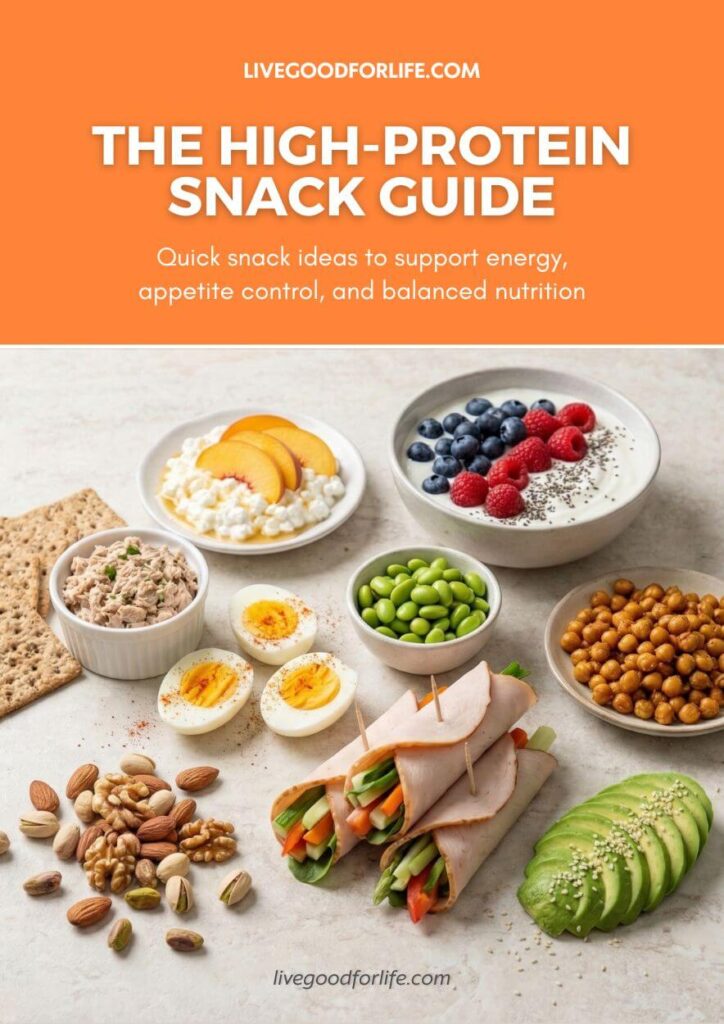
That is exactly why I created The High-Protein Snack Guide. This guide is designed to help make snacking feel simpler, more practical, and more supportive of everyday nutrition. Instead of relying on random convenience foods, you can start building better snack habits with a few easy ideas, smarter combinations, and more realistic options for busy days.
If you also want to get better at evaluating labels and ingredient quality, you may find my guide on how to read supplement labels and spot fairy dusting helpful alongside this resource.
Get Access to the High-Protein Snack Guide
If you want simple, practical snack ideas that are easier to fit into real life, enter your details below, and I will send you the High-Protein Snack Guide straight to your inbox.
The High-Protein Snack Guide: Simple Ideas for Balanced Snacking
A practical educational guide with quick high-protein snack ideas, simple snack-building principles, store-bought options, and planning tips to support balanced daily nutrition.
- Learn why protein-focused snacks can help support fullness and steady energy
- Build snacks using simple protein-plus-fiber combinations
- Explore homemade ideas like Greek yogurt, eggs, tuna, edamame, and cottage cheese
- Review store-bought snack tips, quick combinations, and a weekly planning page
For general education only. This is not medical advice and is not intended to diagnose, treat, cure, or prevent any condition. Speak with a qualified healthcare professional about personal nutrition, diet, or health questions.
Why high-protein snacks matter
Many snack choices are built around convenience first and nutrition second. That usually means a combination of refined carbohydrates, sugar, low fibre, and very little protein. These snacks are easy to grab, but they often don’t keep you satisfied for long.
Protein-rich snacks tend to work better because they are often more satisfying and easier to build into a balanced routine. That does not mean every snack needs to be large or complicated. It simply means that adding more protein to your snack choices can help make your day feel more steady and manageable.
If you want a broader look at why protein matters in everyday nutrition, read Protein: Essential Nutrient for Better Health. You may also find my list of top high-protein food sources useful as a follow-up.
What is inside the High-Protein Snack Guide?
This guide was built to be practical and easy to use. Instead of giving generic advice, it focuses on snack ideas and snack structure that people can actually apply.
- simple high-protein snack ideas
- balanced snack combinations for busy days
- smarter store-bought snack options
- practical snack planning tips
- clearer ways to build more satisfying snacks
The goal is not to make eating more complicated. The goal is to make better snack choices feel more realistic and repeatable.
What makes a snack more balanced?
A more balanced snack usually has a clearer purpose. Instead of only chasing something sweet or convenient, it helps to think about what will keep you going between meals. Protein is often one of the most useful starting points, especially when it is paired with foods that add fibre, volume, or better overall texture and satisfaction.
Examples of stronger snack foundations include Greek yogurt, cottage cheese, eggs, tuna, chicken, edamame, protein shakes, nuts, seeds, and other foods that make snacks feel more substantial. That does not mean processed snacks are always bad, but it does mean you get better results when you compare them more carefully and do not rely on front-of-pack claims alone.
| Snack style | What usually happens |
|---|---|
| Mainly sugar or refined carbs | Quicker hunger and less staying power |
| Protein + fibre or whole-food base | Better fullness and steadier energy |
| Highly processed convenience snack | Less predictable satisfaction |
| Simple balanced combination | More practical daily consistency |
Even a small improvement in snack structure can make a noticeable difference over time.
Simple high-protein snack ideas that work in real life
One of the strongest parts of this guide is that it focuses on realistic ideas rather than idealised meal-prep content. Most people need snacks that are quick, familiar, and easy to repeat.
- Greek yogurt with berries or seeds
- boiled eggs with fruit or raw vegetables
- cottage cheese with cucumber, tomatoes, or fruit
- tuna with crackers or sliced vegetables
- turkey or chicken roll-ups
- edamame or roasted chickpeas paired with a stronger protein source
- protein shakes for busy days when convenience matters
- nuts and seeds paired with a more protein-rich food
If you want more ideas beyond the guide, my page on top high-protein food sources is a useful companion resource.
Store-bought snacks can be useful too
Real life often means you do not always have time to prep snacks from scratch. That is why store-bought snack options matter. The key is not to avoid them completely. The key is to compare them more carefully.
When reviewing store-bought snacks, it helps to look at:
- protein content
- added sugar
- ingredient quality
- how processed the product is
- whether it feels realistic for your routine
If you want to get better at comparing products and looking past marketing claims, visit the Supplement Education Hub and Start Here: How We Evaluate LiveGood Supplements. Even though those pages focus on supplements, the same mindset helps with snack products too: compare structure, not just branding.
Why better snacking is really about consistency
The biggest value of a guide like this is not that it gives you one perfect list of foods. It is that it helps you become more consistent. When you have a few default snack ideas, some better convenience options, and a clearer sense of what makes a snack more satisfying, daily nutrition becomes easier to manage.
That matters because better routines usually come from repeatable basics. A guide like this can help reduce decision fatigue and give you a more useful default pattern for workdays, errands, travel, or busy afternoons.
Who this guide is for
- people who want simpler, more satisfying snack ideas
- busy adults who need practical options for workdays or travel
- beginners trying to improve daily nutrition without overcomplicating it
- people who want better structure between meals
- readers who prefer practical food-first ideas before exploring products or supplements
This guide is especially useful if you want to make progress with everyday eating habits without turning snacks into something stressful or over-engineered.
What to do after reading the High-Protein Snack Guide
The guide is a strong starting point, but it is still general education. After reading it, the next helpful step is often getting more direction based on your goals and current needs.
That is why I recommend taking the LiveGood Free Health Check. It is a useful next step if you want more personalised direction after working through the guide. You can also continue learning through the Supplement Education Hub or browse the Supplement Reviews Hub if you want to compare practical options more carefully.
Get access to the High-Protein Snack Guide
If you want your copy of the High-Protein Snack Guide, enter your details in the form on this page and I will send it to your inbox.
This guide can help you:
- build more satisfying snack habits
- find simple high-protein snack ideas
- choose better convenience options
- support steadier energy and appetite control
- create a more practical daily nutrition routine
The High-Protein Snack Guide: Simple Ideas for Balanced Snacking
A practical educational guide with quick high-protein snack ideas, simple snack-building principles, store-bought options, and planning tips to support balanced daily nutrition.
- Learn why protein-focused snacks can help support fullness and steady energy
- Build snacks using simple protein-plus-fiber combinations
- Explore homemade ideas like Greek yogurt, eggs, tuna, edamame, and cottage cheese
- Review store-bought snack tips, quick combinations, and a weekly planning page
For general education only. This is not medical advice and is not intended to diagnose, treat, cure, or prevent any condition. Speak with a qualified healthcare professional about personal nutrition, diet, or health questions.
Frequently asked questions
What is a high-protein snack guide?
A high-protein snack guide is an educational resource that gives you practical ideas for snacks that are more satisfying, easier to build around protein, and more supportive of balanced daily nutrition.
Why are high-protein snacks useful?
High-protein snacks can help support fullness, make it easier to stay satisfied between meals, and give you more structure than random convenience snacking built mostly around sugar or refined carbohydrates.
Are store-bought high-protein snacks okay?
Yes, they can be useful, especially on busy days. The key is to compare them more carefully by looking at protein content, ingredient quality, added sugar, and how realistic they are as part of your daily routine.
Does this guide replace medical or professional advice?
No. This guide is for educational purposes only and is not intended as medical advice. It is not intended to diagnose, treat, cure, or prevent any disease.
What should I do after reading the guide?
A useful next step is to take the LiveGood Free Health Check for more personalised direction, then continue learning through the Supplement Education Hub or the Supplement Reviews Hub.
Final note
Better snacking does not need to be complicated. A few stronger defaults, a little more protein awareness, and a more practical approach to snack choices can go a long way. The more realistic your snack routine becomes, the easier it is to stay consistent without feeling like you need a perfect plan.
Written by Daniel Popa, founder of LiveGoodForLife.com. I create practical educational content focused on supplement transparency, ingredient awareness, everyday wellness tools, and clearer ways to make informed health decisions.
Disclaimer
This content is for educational purposes only and is not intended as medical advice. It is not intended to diagnose, treat, cure, or prevent any disease. Always consult a qualified healthcare professional for personal medical advice.