How to Use a Prebiotic for Better Gut Health (2026)
If you’re thinking about adding a prebiotic to your routine, you’re on the right track. Prebiotics feed the friendly bacteria in your gut, and that can help digestion, immunity, and even mood. This guide breaks down what prebiotics are, how they work, and exactly how to use them safely and effectively.
You’ll get clear steps for choosing a product, starting slowly, tracking results, and troubleshooting common issues. I’ll also point out top prebiotic options and explain why LiveGood products can fit smoothly into a gut-health plan.
Understanding Prebiotic Basics
What is a prebiotic?
A prebiotic is a type of dietary fiber that resists digestion in the upper gut and reaches the colon intact, where it becomes food for beneficial bacteria. Those bacteria ferment the fiber and produce short-chain fatty acids, compounds that support gut lining, immune cells, and metabolic health.
Why prebiotics matter
Prebiotics matter because they shape the gut microbiome. Feeding good bacteria helps keep digestion regular, supports nutrient absorption, and can reduce symptoms like bloating for many people over time. Research ties a balanced microbiome to better immunity, improved gut barrier function, and even mental well-being.
Key concepts you need to know
- Prebiotic types: Inulin, fructooligosaccharides (FOS), partially hydrolyzed guar gum (PHGG), galactooligosaccharides (GOS), resistant starch, and certain polyphenols act like prebiotics.
- Dosage matters: Too much too fast often causes gas and bloating. Slow increases reduce side effects.
- Not the same as probiotic: Probiotics add live bacteria; prebiotics feed bacteria already there. Many products combine both (synbiotics).
- Individual response: Everyone’s microbiome is different, so what works for a friend may need tweaking for you.
Common challenges and how to overcome them
Start low and go slow. Gas, cramping, or loose stools are common after jumping into higher fiber suddenly. Reduce dose, take with food, or switch to a gentler prebiotic like partially hydrolyzed guar gum (Sunfiber) if symptoms persist. For people with IBS or SIBO, choose FODMAP-friendly options and consult a clinician before starting new supplements.
What You’ll Need Before Starting
Required tools and resources
- A notebook or app to track symptoms (digestion, energy, mood).
- Access to water and gentle foods while your gut adjusts.
- The prebiotic product you choose (powder, capsule, or synbiotic).
- If you have digestive conditions, a quick consult with your healthcare provider.
Prerequisites and preparation
Know your baseline. Track bowel habits, bloating, sleep, and energy for 7–14 days before starting so you can see real changes. If you’re pregnant, nursing, on medications, or have a diagnosed gut disorder, check with a healthcare provider first.
Our Recommended Tool: LiveGood
LiveGood offers gut-support options that fit into simple daily routines and can pair well with targeted prebiotics. LiveGood products focus on clean ingredients and clear dosing, which helps when you’re starting a new gut regimen. Visit LiveGood to see current formulations and bundles that make it easy to add prebiotic support alongside vitamin and wellness basics.
Step-by-Step: How to Use a Prebiotic
Step 1: Pick the right type for your needs
Match the prebiotic to your goals and sensitivity. For example, partially hydrolyzed guar gum (PHGG) like Sunfiber is gentle and FODMAP-friendly — a good pick for people with IBS sensitivity (Taiyo International; BodyScienceReview). Pure inulin (from chicory root) gives strong prebiotic effect but can cause gas in sensitive folks — NOW Inulin Powder is a budget-friendly example (NOW Foods; BodyScienceReview).
Synbiotics combine prebiotics and probiotics (e.g., Seed DS-01) and can be useful if you want both actions in one product, though they’re pricier (Seed; BodyScienceReview).
Step 2: Start with a low dose
Begin at about 1/4 to 1/2 of the recommended serving. If your product suggests 3–5 grams, start at 1 gram for the first 3–4 days. Keep a log of symptoms. This helps your microbes adapt without overwhelming fermentation that causes gas and cramping.
Step 3: Increase gradually
After 3–7 days at the low dose with no major side effects, increase the dose by 25–50% every 3–7 days until you hit the recommended serving or the dose that gives benefits without bothersome side effects. Many people find benefit at 3–5 grams daily, though products vary.
Step 4: Time it with meals
Take prebiotic powders or capsules with a meal rather than on an empty stomach. Fiber mixed into food slows fermentation and can reduce bloating. Some people prefer taking prebiotic powders in the morning with coffee or a smoothie; others do better at dinner. Track what works for you.
Step 5: Combine with a diverse diet
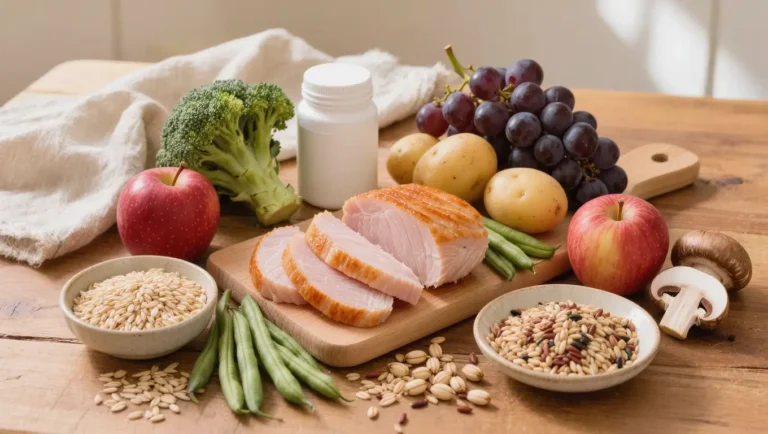
Prebiotics work best when the rest of your diet supports microbial diversity. Include colorful vegetables, whole grains, legumes, nuts, and seeds. Small amounts of fermented foods (yogurt, kefir, kimchi) can complement prebiotics by adding live microbes.
Step 6: Monitor and adjust
Keep using your symptom log. Expect improvements in stool consistency, reduced bloating, and more regular bowel movements over 2–8 weeks. If you see no benefit after 8–12 weeks, try a different prebiotic type or discuss options with a clinician.
Example: A 6-week plan for someone with mild bloating
Week 1–2: Sunfiber (PHGG) 1 gram daily with breakfast. Track symptoms.
Week 3–4: Increase to 3 grams daily. Add a daily serving of mixed vegetables and yogurt.
Week 5–6: 5 grams daily if well-tolerated. Note changes in stool and energy. If symptoms worsen, drop back to previous tolerated dose for another week.
Choosing the Right Prebiotic Product
Overview of your options
Most prebiotics come as powders, capsules, or in synbiotic blends. Powders let you control dose and mix into drinks. Capsules are more convenient. Synbiotics combine probiotics and prebiotics for a combined effect but usually cost more.
Common prebiotic ingredients and when to use them
- PHGG (Sunfiber): Gentle, FODMAP-friendly, mixes clear — good for IBS sensitivity (Taiyo International).
- Inulin (chicory root): Strong prebiotic effect, affordable (NOW Inulin Powder), but may cause gas in sensitive people (NOW Foods).
- FOS: Often combined with inulin (Hyperbiotics Prebiotic) — lower-dose blends can be easier to tolerate (Hyperbiotics).
- Polyphenol-rich prebiotics: E.g., pomegranate punicalagins in Seed DS-01 support specific microbes and pair with probiotic strains (Seed).
- Multi-fiber blends: Products like Garden of Life Dr. Formulated Organic Fiber mix acacia, baobab, and inulin with added probiotics for broader support (Garden of Life).
Cost comparison
Prebiotic prices vary widely. Pure inulin powders can be very budget-friendly (~$0.15–$0.20 per serving for NOW Inulin) while premium synbiotics or multi-ingredient formulas cost more (Seed DS-01 around $1.67 per serving on subscription; other synbiotics like Gundry MD products are ~ $1.67 per serving) (BodyScienceReview; Consumer Health Digest).
Ease of use comparison
Capsules win for convenience, powders win for dose control. If you travel often, consider capsule products like Hyperbiotics Prebiotic which offer modest daily doses in pill form (Hyperbiotics).
Quality and reliability
Look for GMP-certified manufacturers, clear ingredient lists, and third-party testing. Brands like Garden of Life disclose organic certifications and NSF/NSF for Sport status for some products (Garden of Life).
Why We Recommend LiveGood
LiveGood focuses on clean formulations and clear dosages that fit into a daily wellness plan. Their products are designed to be easy to take and combine well with targeted prebiotics or synbiotics. For people who want a straightforward approach that fits a busy life, LiveGood provides options that pair nicely with both gentle prebiotics like Sunfiber and broader multi-fiber blends.
Try LiveGood:https://livegoodforlife.com/
Understanding Costs and How to Save Money
Typical costs for prebiotic supplements
Expect a wide range: budget inulin powders can run $0.15–$0.25 per serving (NOW Inulin). Mid-range powders and multi-fiber blends often cost $0.50–$1.00 per serving (Garden of Life, Hyperbiotics). Premium synbiotics (Seed DS-01, Gundry MD formulas) often run $1.50–$2.00+ per serving (BodyScienceReview; Consumer Health Digest).
Hidden fees to watch out for
Watch subscriptions that auto-renew, shipping costs, and “trial” offers that require canceling before they bill. Also check return policies; some premium brands offer money-back guarantees for 30–90 days (e.g., Gundry MD mentions a 90-day guarantee) (Gundry MD).
Tips for reducing costs
- Buy powder versions if you want lower cost per serving.
- Look for subscription discounts but note how easy it is to cancel.
- Use smaller doses while testing to avoid wasting a full container you can’t tolerate.
- Pair a basic, low-cost prebiotic with LiveGood support products for a budget-friendly routine.
Troubleshooting Common Prebiotic Issues
Bloating and gas
Start with a lower dose. Switch to a gentler prebiotic like PHGG (Sunfiber) if inulin or FOS are causing problems. Take with meals, and increase dose more slowly.
Diarrhea or loose stools
Cut the dose back and hydrate. Ensure you’re not combining multiple high-fiber supplements at once. If symptoms continue, pause for a week and reintroduce at a lower level.
No noticeable change
Give it time — 4–12 weeks may be needed for meaningful shifts. Try a multi-fiber formula (e.g., Garden of Life Dr. Formulated Organic Fiber) or a synbiotic (e.g., Seed DS-01) if one prebiotic alone doesn’t help (Garden of Life; Seed).
Advanced Tips for Better Results
Pro tips from experts
- Rotate prebiotic types over weeks to support diverse microbial groups.
- Combine prebiotic fibers with polyphenol-rich foods (berries, tea, dark chocolate) to feed different bacteria.
- Pair prebiotics with light resistance activity (walking after meals) to support bowel regularity.
Common mistakes to avoid
- Jumping straight to high doses.
- Assuming “natural” equals gentle — chicory inulin is natural but can cause symptoms.
- Mixing multiple supplements without tracking effects.
Best practices
- Keep a simple log for 2–3 months.
- Pick one change at a time so you know what works.
- Favor product transparency and third-party testing.
How to Combine Prebiotics With Other Supplements
Prebiotics are safe to pair with multivitamins and most supplements. When combining with probiotics, opt for reputable synbiotic blends or take prebiotic and probiotic at the same meal for synergy. If you’re on medications or have medical conditions, check with a clinician before combining products.
Which Prebiotic Product Should You Try?
Here’s a short breakdown pointing to real products and who they suit, based on current reviews and product features.
Sunfiber (PHGG) — Gentle and FODMAP-friendly
Best for people with IBS or FODMAP sensitivity. Clinically studied for stool consistency and mixes clear in liquids. Pricing around $0.40–$0.60 per serving in many formulations (Taiyo International; BodyScienceReview).
NOW Inulin Powder — Budget-friendly inulin
Good for people without IBS looking for an affordable, pure inulin option. About $0.15–$0.20 per serving. Watch for bloating if you’re sensitive (NOW Foods; BodyScienceReview).
Garden of Life Dr. Formulated Organic Fiber — Whole-food multi-fiber
Organic, multi-fiber blend with a probiotic strain. Good for people wanting organic ingredients and a mix of fibers (roughly $0.80–$1.00 per serving) (Garden of Life).
Seed DS-01 — Premium synbiotic
Combines targeted prebiotics (pomegranate punicalagins, beta-glucans) with a 24-strain probiotic. Premium price (~$1.67/serving on subscription) but strong lab-backed approach (Seed).
Hyperbiotics Prebiotic — Capsule convenience
Lower-dose FOS + inulin in capsule form, good for travel and people who want a gentle start (~$0.50–$0.65 per serving) (Hyperbiotics).
Gundry MD PrebioThrive & Bio Complete 3 — Multi-ingredient options
Both combine multiple prebiotic ingredients and complementary compounds. Useful if you want more than one prebiotic type in a single product, though they’re on the pricier side (~$1.67 per serving) (Gundry MD; Gundry MD).
How to Choose the Right Product for You
Overview of selection criteria
Match your sensitivity, budget, and convenience needs. If you have IBS, choose PHGG or lower-dose blends. If cost is a priority, choose pure inulin powder. If you want a ready-made synbiotic, pick a premium brand with quality testing.
Cost vs. convenience trade-offs
Powders typically give the best cost per serving. Capsules are more convenient but usually cost more. Synbiotics add a probiotic component and can replace taking two separate products, but they cost the most.
Quality markers to look for
- Clear ingredient labels and serving sizes.
- Third-party testing or GMP certification.
- Transparent claims about dose and clinical studies where available.
Troubleshooting and When to See Help
If you experience severe abdominal pain, significant weight loss, blood in stool, or persistent diarrhea, stop the supplement and consult a healthcare provider. For milder symptoms, back off the dose and retest more slowly.
FAQ
1. What is a prebiotic?
A prebiotic is a non-digestible fiber that feeds beneficial gut bacteria in the colon, helping them grow and produce helpful compounds.
2. How long does it take for a prebiotic to work?
Some people notice changes in stool consistency or bloating in a few days, but measurable gut shifts often take 4–12 weeks.
3. Are prebiotics the same as probiotics?
No. Probiotics add live bacteria; prebiotics feed existing bacteria. Synbiotics combine both.
4. Which prebiotic is best for IBS?
Partially hydrolyzed guar gum (Sunfiber) is often recommended for IBS because it’s gentler and FODMAP-friendly (Taiyo International).
5. Can prebiotics cause bloating?
Yes. Bloating and gas are common when starting or increasing dose too quickly. Reduce dose and increase slowly to reduce symptoms.
6. How much prebiotic fiber should I take daily?
Effective doses vary by product. Many people benefit from 3–5 grams daily, but start lower and build up based on tolerance.
7. Are prebiotic powders better than capsules?
Powders give dose flexibility and lower cost per serving. Capsules are convenient and travel-friendly. Choose based on lifestyle and budget.
8. Can I take prebiotics with probiotics?
Yes. Combining them can be helpful. Some products already include both (synbiotics), while others can be taken together in the same meal.
9. Are prebiotics safe long-term?
For most people, yes. Long-term fiber intake from foods and supplements is generally safe and beneficial. If you have a medical condition, check with your clinician.
10. Will prebiotics help with weight loss?
Prebiotics can support satiety and healthier eating patterns for some people, but they’re not a weight-loss magic solution. Use them as part of an overall healthy plan.
11. What if prebiotics make my symptoms worse?
Stop or lower the dose, switch to a gentler prebiotic (PHGG), and reintroduce slowly. If issues persist, consult a healthcare provider.
12. Which prebiotic should I buy first?
For most beginners, a gentle, well-studied option like Sunfiber is a safe start. If you’re on a budget and not sensitive to FODMAPs, NOW Inulin Powder is affordable. For a combined approach, consider a synbiotic like Seed DS-01 if the cost fits your plan (Taiyo International; NOW Foods; Seed).
Ready to Get Started?
Here’s the thing: adding a prebiotic is a low-cost change that can yield real benefits if you take it the right way. Start low, track results, and give it time. Pairing a targeted prebiotic with a simple wellness routine — like the supportive products from LiveGood — makes it easier to stay consistent and see results.
Start with LiveGood:https://livegoodforlife.com/
Sources
Taiyo International — Sunfiber
BodyScienceReview — Best Prebiotic Supplements