Chronic Inflammation Guide: Meaning, Food Tips, Safety & When to Get Checked
Last updated: April 27, 2026
Chronic Inflammation: The Simple Version
Inflammation is part of the body’s normal immune response. Short-term inflammation can happen after an injury, infection, or irritation. Chronic inflammation is different because it can last longer and may be linked with ongoing health conditions, lifestyle factors, or unresolved triggers.
This guide explains what inflammation means, what patterns people often notice, how food and daily habits may support overall wellness, and when symptoms should be checked by a qualified healthcare professional. It should not be used to diagnose inflammation, treat pain, manage arthritis, fix gut symptoms, improve liver labs, replace medication, or choose supplements for a medical condition.
Affiliate disclosure: This page may contain affiliate links. If you purchase through my links, I may earn a commission at no extra cost to you.
Important disclaimer: This article is for educational purposes only and is not medical advice. Dietary supplements are not intended to diagnose, treat, cure, or prevent any disease.
What Is Inflammation?
Inflammation is a normal protective response. It is one way the immune system responds to injury, irritation, infection, or tissue stress. The classic signs of acute inflammation are redness, heat, swelling, pain, and loss of function in the affected area.
Chronic inflammation is a broader medical topic. It may be related to autoimmune conditions, infections, metabolic issues, gut conditions, liver conditions, smoking, poor sleep, high stress, inactivity, diet patterns, or other health factors. Because the cause matters, persistent symptoms should not be self-diagnosed from a blog post.
| Type | Simple explanation | What to remember |
|---|---|---|
| Acute inflammation | Short-term response to injury, infection, or irritation | Often tied to a clear event and improves as the issue resolves |
| Chronic inflammation | Longer-lasting immune activity or irritation | May need medical evaluation, especially with ongoing symptoms |
Patterns People Commonly Notice
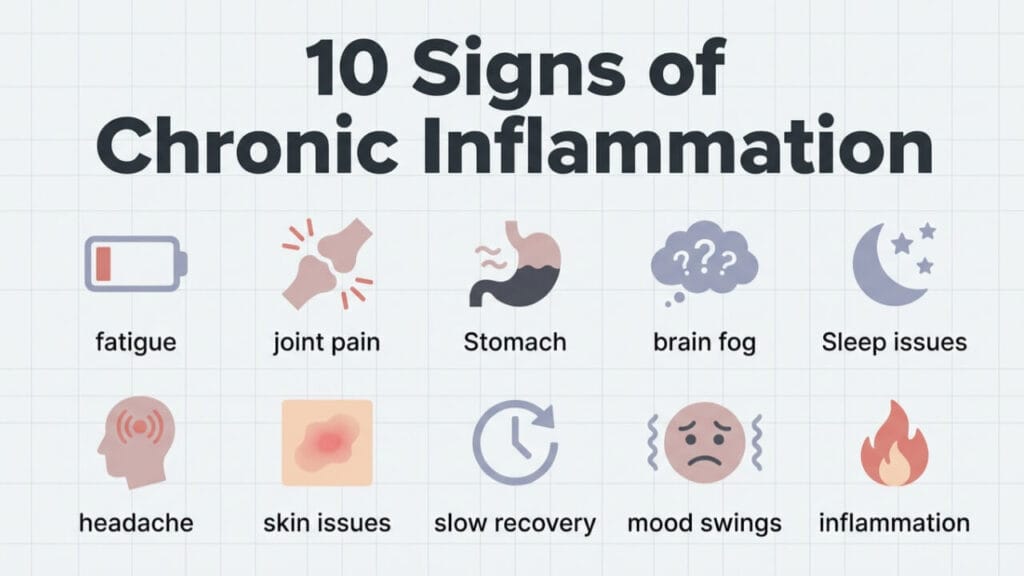
People often search for chronic inflammation because they notice patterns such as fatigue, aches, stiffness, digestive discomfort, headaches, skin flare patterns, poor sleep, slow workout recovery, or brain-fog-type feelings. These can have many causes and are not proof of inflammation.
It can still be useful to track patterns. A simple symptom and lifestyle log can help you notice whether poor sleep, alcohol, stress, low movement, or certain foods seem to line up with how you feel.
| What to track | Simple notes to write down | Why it helps |
|---|---|---|
| Energy | Morning and afternoon energy, 1 to 10 | Shows patterns over time |
| Sleep | Bedtime, wake time, and how rested you feel | Sleep can affect pain, mood, appetite, and recovery |
| Digestion | Bloating, stool changes, discomfort, trigger meals | Useful if gut symptoms are part of the picture |
| Movement | Steps, walks, workouts, stiffness after sitting | Helps connect activity and comfort |
| Food and alcohol | Ultra-processed meals, added sugar, alcohol, fiber intake | Can reveal repeat patterns |
When to Get Checked Promptly
Get medical advice promptly if symptoms are severe, worsening, or unusual for you. Seek urgent care for chest pain, trouble breathing, fainting, severe abdominal pain, vomiting blood, black or tarry stool, blood in stool, yellowing of the skin or eyes, persistent fever, unexplained weight loss, confusion, sudden severe headache, or sudden swelling and pain in one limb.
For non-urgent but persistent symptoms, bring your notes to a healthcare professional. Questions about CRP, ESR, liver enzymes, thyroid labs, autoimmune markers, gut testing, or imaging should be matched to your symptoms and medical history.
Common Lifestyle Factors That May Matter
Daily habits do not replace medical care, but they can support overall wellness. Food quality, sleep, movement, stress recovery, smoking status, alcohol intake, and hydration can all influence how people feel day to day.
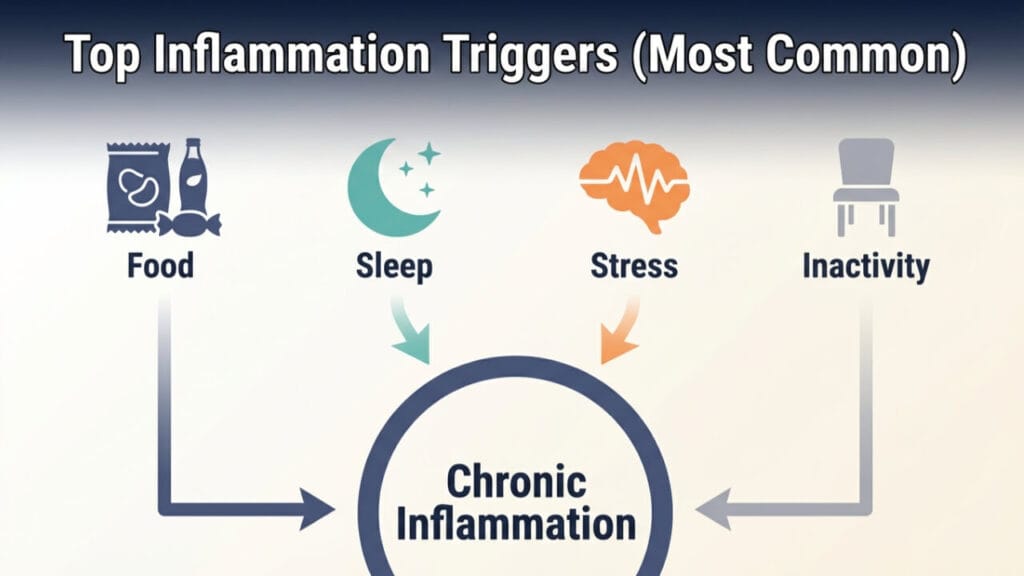
| Habit area | Supportive idea | Why it may help |
|---|---|---|
| Sleep | Keep a consistent sleep and wake time | Supports recovery and daily energy habits |
| Food quality | Build meals around plants, protein, fiber, and healthy fats | Supports overall nutrition |
| Movement | Walk daily and add strength work if appropriate | Supports mobility and metabolic wellness |
| Stress recovery | Use short calming habits such as breathing, walking, stretching, prayer, or journaling | Supports a more balanced routine |
| Alcohol and smoking | Reduce alcohol and avoid smoking | Supports overall health and recovery |
Food Pattern: What to Add More Often
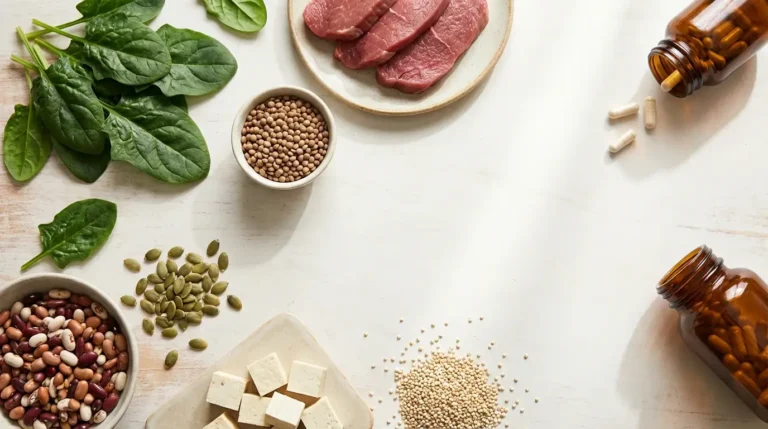
A Mediterranean-style food pattern is often discussed because it emphasizes vegetables, fruit, legumes, whole grains, nuts, seeds, olive oil, herbs, spices, and fish. This type of pattern can support general wellness and a heart-conscious lifestyle.
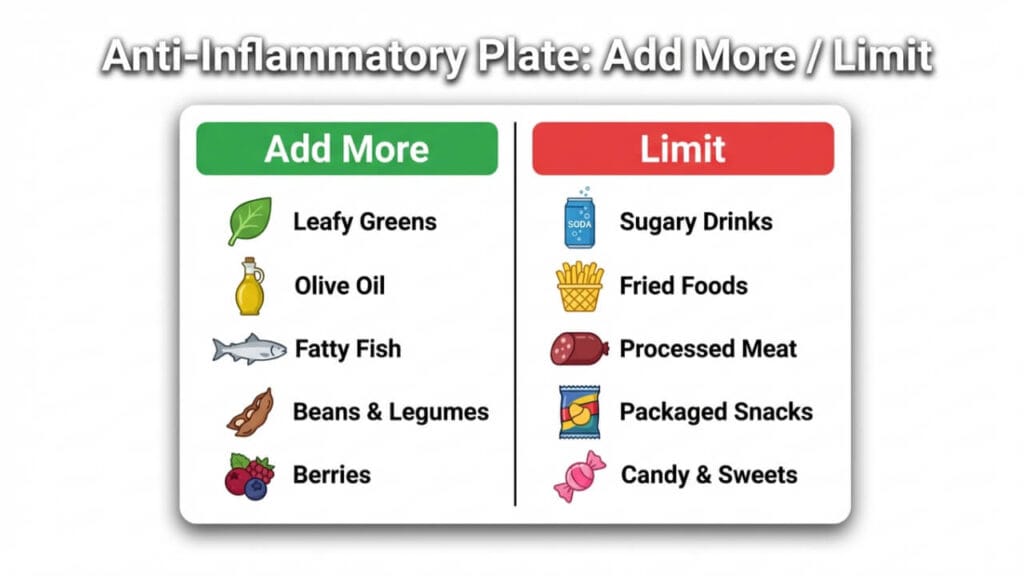
| Add more often | Simple examples | Why people like it |
|---|---|---|
| Vegetables and fruit | Leafy greens, broccoli, peppers, berries, citrus | Adds fiber, color, and plant compounds |
| Legumes and whole grains | Beans, lentils, chickpeas, oats, quinoa, brown rice | Supports fiber intake and fullness |
| Healthy fats | Olive oil, avocado, nuts, seeds | Helps build satisfying meals |
| Omega-3 food sources | Salmon, sardines, trout, chia, flax, walnuts | Fits a heart-conscious nutrition pattern |
| Herbs and spices | Ginger, turmeric, garlic, cinnamon, herbs | Adds flavor without relying on excess sugar or salt |
Food Pattern: What to Limit More Often
You do not need a perfect diet. A practical approach is to reduce the foods and drinks that are easiest to overdo and replace them with options that help you feel steady and nourished.
| Limit more often | Simple swap |
|---|---|
| Sugary drinks | Water, sparkling water, unsweetened tea |
| Frequent fried fast foods | Grilled proteins, bowls, soups, salads, home-cooked meals |
| Ultra-processed snacks | Fruit with yogurt, nuts, hummus with vegetables |
| Processed meats as a daily staple | Fish, poultry, beans, lentils, eggs, tofu |
| Refined carbs as the default | Oats, potatoes, whole grains, beans, fruit |
Gut, Stomach, Liver, and Joint Concerns
Many people search inflammation terms because they are worried about a specific area, such as the gut, stomach, liver, knee, joints, or skin. These concerns deserve careful wording because they can involve medical conditions that need proper evaluation.
| Concern | What it may mean | What to do |
|---|---|---|
| Gut or colon symptoms | Bloating, diarrhea, constipation, pain, blood, or food-related patterns can have many causes | Track patterns and get checked for persistent, severe, or bloody symptoms |
| Stomach irritation | Burning, nausea, upper-abdominal discomfort, reflux-like symptoms, or gastritis concerns need context | Ask a clinician if symptoms persist, worsen, or involve vomiting blood or black stool |
| Liver concerns | Elevated liver enzymes or right-upper abdominal discomfort should not be self-treated | Discuss labs, alcohol, medications, and supplements with a healthcare professional |
| Joint stiffness or knee discomfort | May relate to overuse, injury, arthritis, movement patterns, or other causes | Use appropriate movement and get assessed for ongoing pain, swelling, or loss of function |
| Skin flare patterns | Can be linked to many triggers and skin conditions | Speak with a professional if persistent, painful, spreading, or infected-looking |
Medication Questions: Be Careful
Anti-inflammatory medicines, including over-the-counter NSAIDs and prescription medications, can have important risks and are not right for everyone. Do not start, stop, or combine medicines based on a blog article.
Check with a healthcare professional before using anti-inflammatory medicines if you take blood thinners, blood pressure medication, diabetes medication, immune medication, or other prescriptions, or if you have ulcers, bleeding history, kidney disease, liver disease, heart disease, asthma, pregnancy, or surgery planned.
Supplements and Inflammation Topics
Supplements are often discussed for inflammation-related wellness, but they should not be used to treat chronic inflammation, arthritis, liver problems, gut disease, pain, autoimmune conditions, or any medical condition. The safer approach is to compare labels, choose one product at a time if appropriate, and check medication cautions.
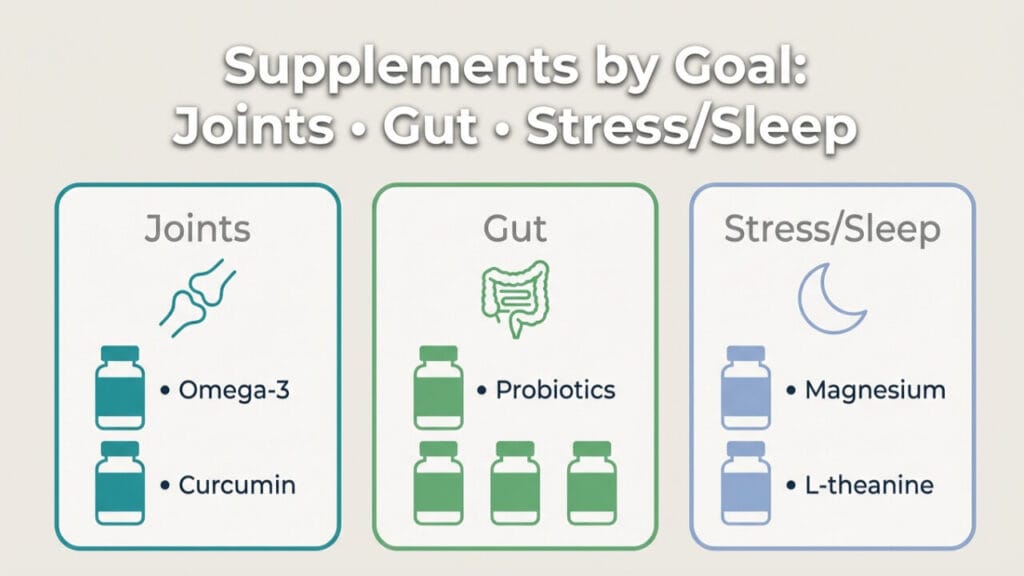
| Supplement category | Why people research it | Safety note |
|---|---|---|
| Omega-3s | Often researched for heart-conscious and joint-support routines | Check first with blood thinners, surgery, or high-dose use |
| Turmeric or curcumin | Often researched for antioxidant and wellness support | May not fit all medication routines or gallbladder concerns |
| Probiotics | Often researched for digestive wellness routines | Use caution if immunocompromised or medically fragile |
| Magnesium | Often researched for sleep, relaxation, and muscle-support routines | Check first with kidney disease or certain medications |
| Collagen, glucosamine, or joint formulas | Often researched for joint-support routines | Review allergens, shellfish source, medication cautions, and expectations |
For safer supplement shopping, read the Third-Party Lab Testing Guide, the Label Red Flags Guide, and the Supplement Cost Per Day Calculator.
LiveGood Product Context
LiveGood has products that people may compare when building a general wellness routine, including Factor4, Probiotic Gut Support, Osteo Complete, Black Seed Oil, Omega-3, magnesium, and multivitamins. These products should be described as wellness-support supplements, not treatments for inflammation, pain, liver issues, gut disease, arthritis, or immune disorders.
If you compare these products, look at the current label, serving size, active ingredients, allergens, medication cautions, testing information, and cost per serving. Start with one product if appropriate rather than stacking several at once.
Helpful related reads include the LiveGood Factor 4 Review, LiveGood Probiotic Gut Support, and Best Omega 3 Supplements for 2026.
Common Questions About Chronic Inflammation
How do you flush inflammation out of your body?
You cannot flush inflammation out overnight. The safer approach is to support overall health with sleep, movement, balanced meals, hydration, stress recovery, and medical guidance when symptoms are persistent or concerning.
What are the five classic signs of inflammation?
The classic signs are redness, heat, swelling, pain, and loss of function. These are most obvious with acute inflammation, such as an injury or infection.
What foods clear up inflammation?
No single food clears inflammation. A consistent pattern that includes vegetables, fruit, legumes, whole grains, olive oil, nuts, seeds, and omega-3 food sources can support overall wellness.
How long does it take to reduce inflammation?
It is better not to promise a timeline. How someone feels depends on the cause, health history, sleep, movement, food pattern, stress, medication use, and whether a medical condition is present.
What are signs of chronic inflammation?
People commonly associate chronic inflammation with fatigue, aches, stiffness, digestive discomfort, brain fog, sleep issues, headaches, skin flare patterns, slow recovery, and mood changes. These symptoms are not specific and should not be used for self-diagnosis.
Can supplements help with inflammation?
Supplements may fit some wellness routines, but they should not be used to treat chronic inflammation or medical conditions. Check labels carefully and ask a professional if you take medication or have health concerns.
Sources and Further Reading
- Cleveland Clinic: Inflammation overview
- Harvard T.H. Chan School of Public Health: Anti-inflammatory diet review
- American Heart Association: Mediterranean diet overview
- MedlinePlus: C-reactive protein test
- NCCIH: Turmeric safety and evidence overview
Chronic inflammation is a medical-adjacent topic, so it is worth being careful with claims. Food quality, sleep, movement, stress recovery, and smart supplement choices may support overall wellness, but they should not replace proper diagnosis or care.
Use this guide as education, track patterns if helpful, and speak with a qualified healthcare professional if symptoms are persistent, severe, worsening, or connected to red flags.