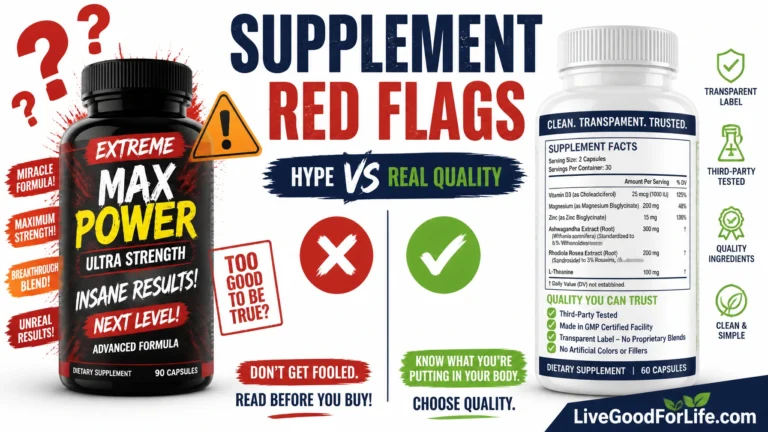
Best Omega-3 Supplements 2026: Buyer Guide, Safety & Label Tips
Best Omega-3 Supplements 2026: Buyer Guide, Safety & Label Tips
Shopping for omega-3 supplements can get confusing fast. Bottles may advertise fish oil, EPA, DHA, triglyceride form, algae oil, high potency, third-party testing, or heart-support positioning. The best choice depends on your goal, diet, safety profile, budget, and how clearly the label shows EPA and DHA amounts.
This guide keeps the ranked comparison format while using safer buyer-focused language. Omega-3 supplements should not be used to treat heart disease, high triglycerides, inflammation, arthritis, joint pain, mood concerns, brain conditions, eye disease, pregnancy needs, or any medical condition. If you have symptoms, abnormal labs, or a diagnosis, use clinician-guided care.
Quick Answer: What Makes a Good Omega-3 Supplement?
EPA + DHA amount: Check the actual EPA and DHA per serving, not only total fish oil.
Testing: Look for third-party testing, heavy metal testing, oxidation/freshness testing, or quality certifications when available.
Form: Fish oil, algae oil, triglyceride form, re-esterified triglyceride form, ethyl ester form, or liquid vs softgel can affect fit.
Safety: Check first if you take medication, use blood thinners, have bleeding concerns, have fish allergies, are pregnant or nursing, have surgery planned, or already use multiple supplements.
Value: Compare cost per serving and EPA + DHA amount, not only bottle price.
Top 9 Omega-3 Supplements to Compare in 2026
This list is a buyer comparison, not medical advice. The best omega-3 supplement is the one that fits your label needs, safety profile, budget, and routine.
1. LiveGood Factor4 — Best Value Multi-Ingredient Omega-3 Formula
Website: LiveGood Factor4 product page
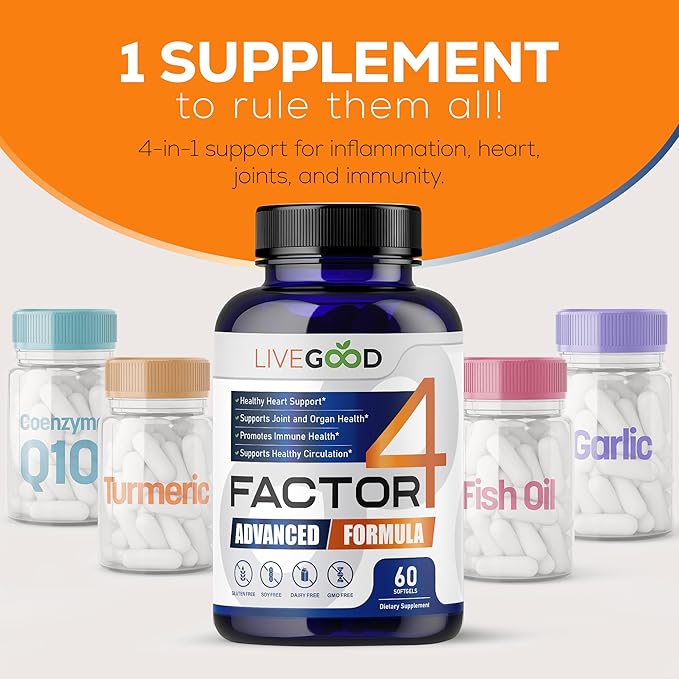
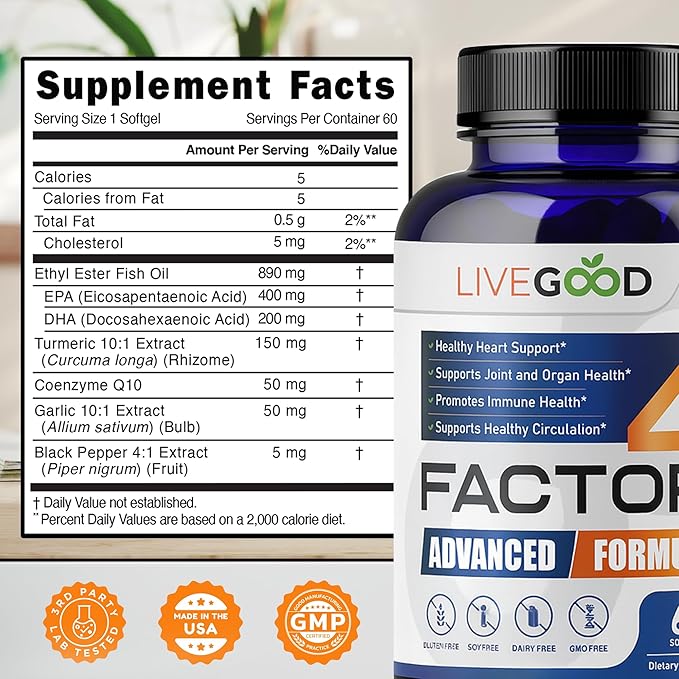
What it is: LiveGood Factor4 is a multi-ingredient wellness supplement that includes fish oil, turmeric extract, CoQ10, garlic extract, and black pepper extract. It may appeal to buyers who want to compare omega-3s as part of a broader formula rather than buying several separate bottles.
Why it stands out: Factor4 is a strong value pick for shoppers who already planned to compare fish oil, turmeric, CoQ10, and garlic. It is not a treatment for inflammation, joint pain, heart disease, high triglycerides, immune concerns, or any medical condition.
Why LiveGood Factor4 Is Ranked #1 for Value
- Combines omega-3 fish oil with other commonly compared wellness ingredients
- May reduce the need to buy several separate products
- Simple softgel format
- Useful for buyers comparing member pricing and routine cost
- Direct product page and product-quality resources available
Pros
- Multi-ingredient formula in one bottle
- Good value for shoppers who want omega-3 plus turmeric, CoQ10, and garlic
- Simple to compare by ingredient list, serving size, and price
- Available directly through LiveGood
Cons
- Not ideal for buyers who want omega-3 only
- Ingredient overlap matters if you already take turmeric, garlic, CoQ10, fish oil, or blood-thinning supplements
- Multi-ingredient formulas are less customizable than single-ingredient products
Best For
- Adults comparing a value-focused multi-ingredient omega-3 formula
- People who want one product instead of separate fish oil, turmeric, CoQ10, and garlic bottles
- Shoppers who want to compare member price, label details, and supplement overlap
Pricing
Prices can change, so check the current LiveGood product page before ordering. Compare member price, retail price, Subscribe & Save options, serving count, shipping, and current availability.
2. Nordic Naturals Ultimate Omega — High-Potency Fish Oil Option
Website: nordicnaturals.com
What it is: A well-known fish oil brand often compared for EPA/DHA potency, freshness, and testing standards. Some Nordic Naturals formulas use re-esterified triglyceride forms.
Pros
- Known brand in the omega-3 category
- Often compared for higher EPA/DHA per serving
- Freshness and testing are emphasized by the brand
Cons
- Often costs more than budget brands
- Product lines vary, so check the exact label before buying
Best for: Buyers prioritizing a well-known fish oil brand with strong EPA/DHA positioning and testing transparency.
3. Carlson Labs Elite Omega-3 Gems — Established Fish Oil Brand
Website: carlsonlabs.com
What it is: A long-standing omega-3 brand commonly compared for fish oil quality, freshness, and third-party testing.
Pros
- Established brand history
- Often compared for purity and freshness standards
- Several omega-3 options available
Cons
- EPA/DHA amount varies by product
- May not be the lowest-cost option per serving
Best for: Buyers who prefer established supplement brands and want to compare omega-3 product lines carefully.
4. Thorne Super EPA — Practitioner-Style Omega-3 Option
Website: thorne.com
What it is: A practitioner-positioned omega-3 option commonly compared by athletes, health professionals, and people who care about testing standards.
Pros
- Practitioner-style brand positioning
- Some Thorne products carry athlete-focused testing certifications
- Useful for buyers who prioritize testing and professional brand reputation
Cons
- Usually priced higher than basic retail fish oils
- Check the exact formula for EPA/DHA totals and certifications
Best for: Buyers who want a practitioner-style omega-3 brand and care about testing standards.
5. Sports Research Omega-3 Fish Oil — Mid-Range Value Option
What it is: A consumer-friendly omega-3 brand often compared for value, potency, and availability.
Pros
- Often positioned as a balance of price and EPA/DHA amount
- Easy to find online
- May appeal to buyers who want a straightforward fish oil
Cons
- Certifications and formulas can vary by product
- Check exact EPA/DHA amount and serving size
Best for: Buyers who want a mid-range fish oil option and are comfortable comparing labels.
6. Viva Naturals Omega-3 — Concentrated Fish Oil Option
What it is: A popular concentrated omega-3 option often compared for EPA/DHA amount and price per serving.
Pros
- Often provides higher EPA/DHA per serving than basic fish oils
- Commonly compared as a value option
- Easy to find online
Cons
- Certification and testing details should be checked on the current product page
- Not a substitute for clinician-guided triglyceride or heart care
Best for: Buyers comparing higher-concentration fish oil at a non-premium price.
7. Omegavia or Similar High-Potency Brands — Higher EPA/DHA Comparison
What it is: Higher-potency omega-3 products aimed at buyers comparing larger EPA/DHA amounts per serving.
Pros
- Often designed around higher EPA/DHA amounts
- Useful for buyers comparing potency per capsule
- May reduce capsule count compared with lower-potency products
Cons
- Higher intake should be discussed with a qualified healthcare professional when used for lab-related goals
- Often more expensive per bottle
Best for: Buyers who are comparing potency carefully and understand their safety profile.
8. Garden of Life and Other Whole-Food or Algae Options — Fish-Free Alternatives
What it is: Some brands offer algae-based DHA/EPA or sustainability-focused omega-3 products for people avoiding fish oil.
Pros
- Useful for vegetarians, vegans, or people avoiding fish
- Can provide DHA and sometimes EPA depending on the formula
- May appeal to sustainability-focused buyers
Cons
- Often more expensive per mg of EPA/DHA
- EPA amount can be lower or absent in some algae products
Best for: Buyers who want fish-free omega-3 options and are willing to compare EPA/DHA amounts carefully.
9. Nature Made Fish Oil — Budget-Friendly Basic Option
What it is: A widely available drugstore omega-3 brand often used by first-time buyers.
Pros
- Easy to find in stores and online
- Budget-friendly
- Simple option for buyers starting label comparison
Cons
- EPA/DHA per serving may be lower than concentrated products
- May require more capsules depending on your target amount
Best for: Budget-conscious buyers who want a basic omega-3 product and are willing to check EPA/DHA amount on the label.
How to Choose the Right Omega-3 Supplement
Choosing an omega-3 supplement should be practical. Start with label clarity, then compare quality, safety, and value.
- EPA + DHA amount: Look for combined EPA and DHA per serving.
- Serving size: Confirm whether the label uses one capsule, two capsules, or more as one serving.
- Oil form: Some labels list triglyceride, re-esterified triglyceride, ethyl ester, phospholipid, or algae oil.
- Testing: Look for IFOS, NSF, USP, third-party testing, COAs, heavy metal testing, oxidation testing, or other transparency.
- Freshness: Avoid products with strong rancid smell or heavy fishy taste.
- Cost per useful amount: Compare price per EPA + DHA amount, not just bottle price.
Related tool: Omega-3 Label Calculator.
Related guide: How to Read an Omega-3 Supplement Label.
Safety Notes Before Buying
Omega-3 supplements are not right for everyone. Ask a pharmacist or qualified healthcare professional first if you:
- take blood thinners, antiplatelet drugs, heart medication, blood pressure medication, diabetes medication, or complex prescriptions
- have bleeding concerns or surgery planned
- have a fish or seafood allergy
- are pregnant or nursing
- are using omega-3s because of triglycerides, cholesterol, heart rhythm, cardiovascular risk, or abnormal labs
- already take fish oil, cod liver oil, turmeric, garlic, CoQ10, vitamin D, prenatal vitamins, or multiple supplements
Quick Comparison Snapshot
- Best value multi-ingredient option: LiveGood Factor4
- Best-known premium fish oil comparison: Nordic Naturals
- Established brand comparison: Carlson Labs
- Practitioner-style comparison: Thorne
- Mid-range value comparison: Sports Research
- Concentrated fish oil comparison: Viva Naturals
- Higher-potency comparison: Omegavia or similar brands
- Fish-free comparison: Garden of Life or algae-based options
- Budget basic comparison: Nature Made
Which Omega-3 Supplement Is Actually Best?
There is no single best omega-3 supplement for everyone. The best choice depends on whether you want omega-3 only, a fish-free option, a higher-potency formula, a practitioner-style brand, or a multi-ingredient wellness formula.
LiveGood Factor4 earns the top value position in this guide because it combines omega-3 with turmeric, CoQ10, and garlic in one formula. That makes it useful for buyers comparing a broader wellness supplement. If you want omega-3 only, a single-ingredient fish oil or algae oil may be a better fit.

FAQ — Omega-3 Supplements
1. What are omega-3 supplements?
Omega-3 supplements provide fatty acids such as EPA and DHA from fish oil, algae oil, krill oil, or other sources. They are commonly compared by EPA/DHA amount, form, testing, freshness, and cost per serving.
2. How much EPA and DHA should I take daily?
Follow the current product label and ask a qualified healthcare professional if you take medication, have medical concerns, or are using omega-3s because of lab results. Do not self-dose for medical conditions.
3. What is the difference between TG, rTG, and EE forms?
These refer to different omega-3 oil forms. Triglyceride and re-esterified triglyceride forms are often compared for absorption and tolerance, while ethyl ester forms may appear in concentrated products. The label, dose, testing, and tolerance all matter.
4. Should I worry about fishy burps?
Fishy burps can happen. Taking omega-3s with food, checking freshness, and choosing a product you tolerate may help. A rancid smell or taste is a quality red flag.
5. How important is third-party testing?
Testing is important because fish oil quality depends on purity, oxidation/freshness, heavy metals, and accurate label amounts. Look for testing details, certifications, or COAs when available.
6. Can vegetarians get EPA/DHA from supplements?
Yes. Algae-based omega-3 products can provide DHA and sometimes EPA. Compare the actual EPA/DHA amount because formulas vary.
7. Are omega-3 supplements safe with blood thinners?
Ask a qualified healthcare professional before using omega-3 supplements if you take blood thinners, antiplatelet drugs, or have bleeding concerns.
8. Can omega-3s help with joint pain or inflammation?
Omega-3 supplements should not be used to treat joint pain, inflammation, arthritis, or mobility problems. Some people compare omega-3s as part of a wellness routine, but that is different from treatment.
9. How do I compare price between brands?
Compare cost per serving and cost per EPA + DHA amount. Bottle price alone can be misleading if one product has much less EPA/DHA per serving.
10. How long before I notice benefits?
It is better not to promise a timeline. Response depends on diet, product type, serving size, consistency, health status, and what you are tracking.
11. Is it better to get omega-3s from food?
Fatty fish provides omega-3s plus other nutrients. Supplements may be useful when diet intake is low or when a qualified healthcare professional recommends them. Food and supplements are not the same thing.
12. What should I avoid when buying an omega-3 supplement?
Avoid products that do not clearly list EPA and DHA amounts, hide serving size, provide no quality information, smell rancid, or make treatment-style claims.
Sources and Useful Links
- NIH Office of Dietary Supplements — Omega-3 Fact Sheet
- Nordic Naturals
- Carlson Labs
- Thorne
- LiveGood Factor4 product page
- Omega-3 Fish Oil Guide
Final Takeaway
Choosing an omega-3 supplement gets easier when you focus on EPA/DHA totals, quality testing, freshness, serving size, safety cautions, and cost per useful amount.
LiveGood Factor4 is the top value pick here for buyers who want a multi-ingredient wellness formula. Nordic Naturals, Carlson, Thorne, Sports Research, Viva Naturals, Omegavia-style products, algae-based options, and Nature Made may all fit different buyer needs depending on budget, potency, source, and testing priorities.
Check current Factor4 details here
Affiliate disclosure: This page may contain affiliate links. If you purchase through my links, I may earn a commission at no extra cost to you.
Important disclaimer: This article is for educational purposes only and is not medical advice. Dietary supplements are not intended to diagnose, treat, cure, or prevent any disease. Ask a qualified healthcare professional before using omega-3 fish oil, Factor4, or other supplements if you take medication, have a medical condition, are pregnant or nursing, have surgery planned, have bleeding concerns, have fish allergies, or already use other supplements.