Fiber Supplements Guide 2026: 9 Options, Uses, Safety & Label Tips
Last updated: April 27, 2026
Fiber Supplements in 2026: The Simple Version
Fiber supplements can be a convenient way to add soluble fiber, prebiotic fiber, psyllium, methylcellulose, wheat dextrin, or whole-food fiber blends to your routine. They may help support digestive wellness, regularity, fullness, and heart-conscious nutrition habits as part of a balanced diet.
They should not be used to treat constipation, IBS, cholesterol, diabetes, blood sugar problems, weight loss, digestive disease, heart disease, or any medical condition. If you have ongoing symptoms, take medication, or manage a diagnosed condition, speak with a qualified healthcare professional before adding a fiber supplement.
Affiliate disclosure: This page may contain affiliate links. If you purchase through my links, I may earn a commission at no extra cost to you.
Important disclaimer: This article is for educational purposes only and is not medical advice. Dietary supplements are not intended to diagnose, treat, cure, or prevent any disease.

How This Fiber Supplement Guide Works
This guide compares nine popular fiber supplement options by format, fiber type, taste, label clarity, convenience, and value. It is not a medical ranking and not a promise that one product is best for every person.
The right choice depends on your tolerance, food intake, medication routine, digestive sensitivity, budget, and whether you prefer powders, sticks, capsules, or whole-food blends.
| Fiber type | Simple explanation | Watch for |
|---|---|---|
| Psyllium | Soluble fiber that forms a gel when mixed with water | Needs enough fluid and may cause gas or bloating if increased too fast |
| Wheat dextrin | Soluble fiber that dissolves easily in drinks | Not suitable for everyone with wheat or gluten concerns |
| Methylcellulose | Non-fermentable fiber often chosen by sensitive users | Does not offer the same prebiotic effect as some fermentable fibers |
| Prebiotic fiber | Feeds beneficial gut bacteria | May cause gas or bloating for some people |
| Whole-food blends | Mix of fibers from plant-based ingredients | Taste, texture, allergens, and ingredient amounts vary |
9 Fiber Supplements to Compare in 2026
1. LiveGood Organic Fiber
Website: View LiveGood Organic Fiber
LiveGood Organic Fiber may be a good option to compare if you want a simple daily fiber product with member pricing. It can fit into a general wellness routine for people who want to increase fiber intake without buying several separate products.
Before buying, check the current label, serving size, fiber amount, ingredient source, allergens, mixing directions, medication cautions, and cost per serving. Fiber products should not be used to treat digestive symptoms, cholesterol, blood sugar, or weight concerns.
| Good fit | Be careful if |
|---|---|
| You want a fiber product that fits into a broader LiveGood routine | You take medication that may need spacing from fiber |
| You compare cost per serving before buying | You have ongoing digestive symptoms or a diagnosed gut condition |
| You prefer simple daily-use products | You expect fiber to fix weight, blood sugar, cholesterol, or constipation issues |
2. Colon Broom
Website: Colon Broom
Colon Broom is a flavored psyllium-based fiber powder. Some people like flavored powders because taste and texture can make daily use easier. Psyllium products need to be mixed with enough water and increased gradually.
This type of product may fit people who want a drinkable fiber option and do not like plain psyllium. Check added sweeteners, serving size, and subscription details before buying.
3. Benefiber On The Go Prebiotic Fiber
Website: Benefiber
Benefiber On The Go uses wheat dextrin, a soluble fiber that dissolves easily in liquids. The single-serve sticks can be convenient for travel, work, or adding fiber to drinks without much taste or texture change.
Check whether wheat dextrin fits your needs, especially if you have celiac disease, gluten sensitivity, wheat allergy, or specific digestive restrictions.
4. Garden of Life Dr. Formulated Organic Fiber
Website: Garden of Life
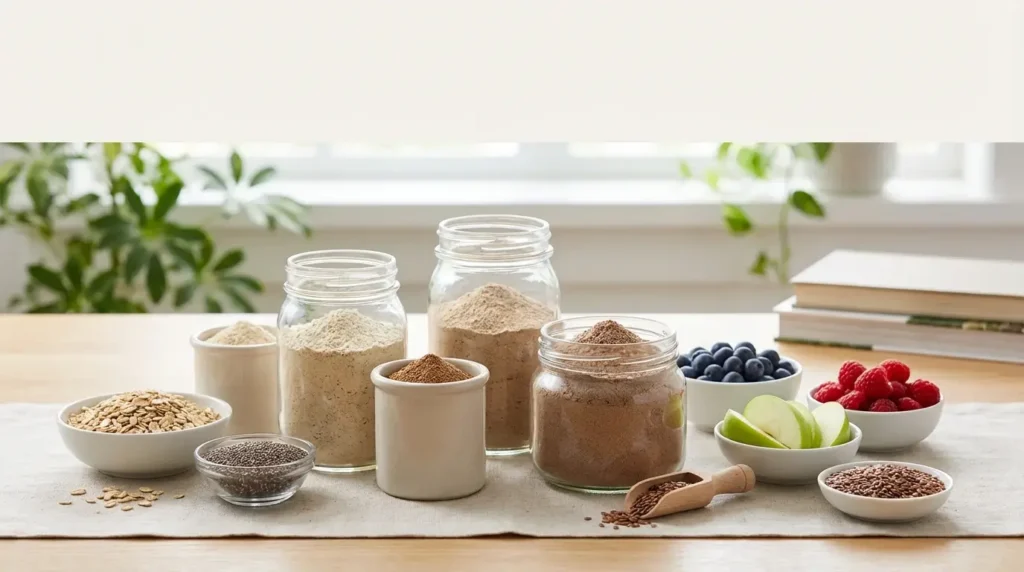
Garden of Life offers organic fiber products made with plant-based ingredients. This may appeal to people who prefer whole-food-style blends rather than single-source fiber powders.
Whole-food blends can vary in taste, texture, allergens, probiotic content, and fiber amount. Read the full label carefully, especially if you are sensitive to prebiotic fibers or probiotic blends.
5. Metamucil Fiber Supplement
Website: Metamucil
Metamucil is a well-known psyllium brand available in powders, capsules, and other formats. Psyllium is often used by people who want a gel-forming soluble fiber, but it should be used with enough fluid and introduced slowly.
Do not use psyllium products to self-treat constipation, cholesterol, blood sugar, or digestive symptoms. Ask a professional if symptoms are persistent, severe, or connected to medication use.
6. NOW Supplements Whole Psyllium Husks
Website: NOW Foods
NOW Foods offers straightforward psyllium husk products in powder and capsule forms. This may appeal to people who want a simple ingredient list and already know they tolerate psyllium well.
Plain psyllium can be gritty and may thicken quickly in liquid. Mix as directed, drink enough water, and avoid using more than the label suggests.
7. Citrucel Methylcellulose Fiber Caplets
Website: Citrucel
Citrucel uses methylcellulose, a non-fermentable fiber. Some people choose this type when they are sensitive to fermentable fibers, although individual tolerance still varies.
Methylcellulose may not provide the same prebiotic effect as some fermentable fibers, so it is worth choosing based on your tolerance and goals rather than assuming one type is better.
8. Bellway Super Fiber Powder
Website: Bellway
Bellway combines psyllium with flavoring and is often compared by people who want a lower-sugar flavored fiber powder. Taste can matter because the product only helps your routine if you can use it consistently.
Do not rely on flavored fiber powder to manage diabetes or blood sugar problems. If blood sugar is a concern, choose products with your healthcare professional’s guidance and check added sugars, sweeteners, and total carbohydrates.
9. Regular Girl
Website: Regular Girl
Regular Girl is a women-focused prebiotic fiber product. It may appeal to people who like a targeted daily-use product and want a prebiotic-style fiber option.
Prebiotic fibers can be helpful for some routines, but they can also cause gas, bloating, or discomfort in sensitive people. Start small and check with a professional if you have IBS, SIBO, IBD, or ongoing digestive symptoms.

Quick Comparison Table
| Product | Main format | Fiber style | Best for |
|---|---|---|---|
| LiveGood Organic Fiber | Check current product page | Label-dependent | People comparing value and a broader LiveGood routine |
| Colon Broom | Powder | Psyllium | People who want a flavored fiber drink |
| Benefiber On The Go | Sticks | Wheat dextrin | People who want a portable, unflavored option |
| Garden of Life Organic Fiber | Powder | Whole-food-style blend | People who prefer organic plant blends |
| Metamucil | Powder, capsules, gummies | Psyllium | People comparing established psyllium options |
| NOW Psyllium Husks | Powder or capsules | Psyllium | People who want a simple psyllium product |
| Citrucel | Caplets or powder | Methylcellulose | People comparing non-fermentable fiber options |
| Bellway | Powder | Psyllium | People who want a flavored lower-sugar option |
| Regular Girl | Powder or packets | Prebiotic fiber | People comparing women-focused prebiotic products |
How to Choose the Right Fiber Supplement
Choosing fiber is mostly about matching the product to your body and routine. A product with strong marketing is not useful if it causes discomfort, clashes with medication timing, or tastes bad enough that you stop using it.
| What to check | Why it matters |
|---|---|
| Fiber source | Psyllium, wheat dextrin, methylcellulose, and prebiotic fibers can feel different |
| Fiber grams per serving | Helps you compare products and avoid adding too much too fast |
| Added sugars and sweeteners | Important for taste, tolerance, and nutrition goals |
| Medication spacing | Fiber can affect absorption of some medications and supplements |
| Allergens | Important for wheat, gluten, dairy, soy, or other sensitivities |
| Cost per serving | Better than judging by container price alone |
| Testing or certification | Helpful for products used daily |
How to Use Fiber Supplements More Safely
Fiber is helpful for many routines, but adding too much too quickly can cause gas, bloating, cramping, or changes in bowel habits. Start low, increase slowly, and drink enough water.
| Step | What to do | Why it helps |
|---|---|---|
| 1 | Estimate fiber from food first | A supplement should fill gaps, not replace fruits, vegetables, beans, and whole grains |
| 2 | Start with a smaller serving | Helps reduce gas and bloating |
| 3 | Drink enough water | Fiber needs fluid to move comfortably |
| 4 | Separate from medication if needed | Fiber may affect absorption of some medicines |
| 5 | Stop and ask for help if symptoms occur | Severe pain, choking, vomiting, blood in stool, or major bowel changes need care |
For broader nutrition context, read the fiber guide, the digestion-friendly foods guide, and the Supplement Cost Per Day Calculator.
Who Should Check With a Professional First?
Fiber supplements are not right for everyone. Get guidance before using them if you have a diagnosed digestive condition, take prescription medication, or have symptoms that are ongoing or severe.
| Check first if | Why |
|---|---|
| You have trouble swallowing | Psyllium and powders can be unsafe if not taken correctly |
| You have bowel obstruction, narrowing, severe constipation, severe pain, or unexplained bowel changes | Fiber may not be appropriate without medical evaluation |
| You take medication | Fiber can affect medication absorption |
| You have diabetes or blood sugar concerns | Supplement choices should fit your medical plan |
| You have IBS, IBD, SIBO, or major bloating | Some fibers can worsen symptoms for sensitive people |
| You are pregnant, breastfeeding, or buying for a child | Needs can be more individual |
Frequently Asked Questions
How much fiber should I take from supplements?
Start by checking how much fiber you get from food. Follow the product label, start with a smaller serving if you are new to fiber, and increase gradually if tolerated. Ask a professional if you have medical conditions or take medication.
What kind of fiber is best for constipation?
Do not self-treat constipation with fiber if it is severe, painful, new, persistent, or paired with blood, vomiting, fever, weight loss, or major bowel changes. Some people compare psyllium or methylcellulose for regularity support, but the right choice depends on the cause and tolerance.
Can fiber supplements lower cholesterol?
Some soluble fibers are associated with heart-conscious nutrition routines, but fiber supplements should not be used to treat high cholesterol or replace medical care. If cholesterol is a concern, follow your clinician’s plan.
Will fiber make me gassy?
It can. Gas, bloating, or cramping are more likely when fiber is increased quickly or when a product contains fermentable fibers. Start low, increase slowly, and drink enough water.
Are prebiotic fibers better than psyllium?
Not necessarily. Prebiotic fibers and psyllium have different uses and tolerance profiles. Some people do well with prebiotics, while others feel better with psyllium or methylcellulose.
Is it safe to take fiber every day?
Daily fiber can fit many routines, but use the product as directed and keep hydration in mind. Check first if you have digestive conditions, trouble swallowing, medication use, pregnancy, breastfeeding, or ongoing symptoms.
How long until I notice changes?
It is better not to promise a timeline. Tolerance and response vary by fiber type, food intake, hydration, activity, and the reason you are using fiber. Persistent symptoms should be evaluated.
Can I take fiber with medication?
Fiber can interfere with absorption of some medications. Ask your doctor or pharmacist how far apart to take fiber from your prescriptions or supplements.
Should I choose powder or capsules?
Powders often provide more fiber per serving, while capsules and sticks are more convenient. Choose the format you can use consistently and tolerate well.
What fiber is best for blood sugar control?
Fiber should not be used to control blood sugar or replace diabetes care. If blood sugar is a concern, ask your healthcare professional which fiber type and product format fit your plan.
Can kids take fiber supplements?
Use pediatric guidance first. Whole-food fiber from fruits, vegetables, beans, oats, and whole grains is usually the first place to start unless a pediatric professional recommends otherwise.
Final Thoughts
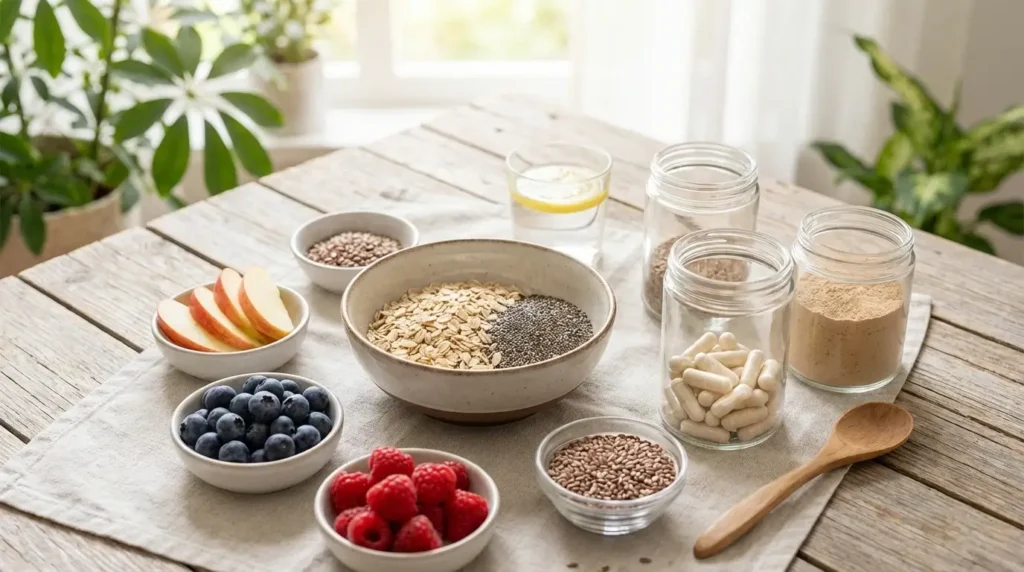
Fiber supplements can be useful when you want a practical way to support fiber intake, digestive wellness, regularity, fullness, and heart-conscious nutrition habits. The best product is the one that fits your body, label preferences, medication routine, and budget.
Keep expectations realistic. Fiber supplements should not be used to treat constipation, cholesterol, blood sugar, IBS, weight loss, or digestive disease. Start with food first, add supplements slowly if appropriate, drink enough water, and get professional guidance when symptoms or medication use are involved.