Alfalfa Grass Guide: Nutrition, Benefits, Safety, Uses & Label Tips
Alfalfa Grass: Quick Answer
Alfalfa grass, also known as Medicago sativa, is a green plant ingredient used in powders, sprouts, juices, capsules, and superfood blends. It naturally contains vitamin K, chlorophyll, plant minerals, and other plant compounds. Alfalfa may help support general nutrition as part of a healthy routine, but it should not be used as a treatment for cholesterol, blood sugar, menopause symptoms, inflammation, heart disease, liver problems, or any medical condition.
Important disclaimer: This article is for educational purposes only and is not medical advice. Dietary supplements are not intended to diagnose, treat, cure, or prevent any disease. Speak with a qualified healthcare professional before using alfalfa supplements if you are pregnant, nursing, taking blood thinners, managing an autoimmune condition, using hormone-related medication, or dealing with ongoing symptoms.
Affiliate disclosure: This page may contain affiliate links. If you purchase through my links, I may earn a commission at no extra cost to you.
What Is Alfalfa Grass?
Alfalfa is a leafy green plant that has been used in foods, teas, sprouts, and supplement blends for many years. In supplement form, you may see it listed as alfalfa grass powder, alfalfa leaf powder, alfalfa juice powder, or organic alfalfa powder.
For a related ingredient page, see the Organic Alfalfa Powder Guide for Women. For a broader supplement overview, you can also read this Organic Alfalfa Leaf Powder guide.
Alfalfa Grass Nutrition
Alfalfa may provide vitamin K, chlorophyll, plant minerals, and naturally occurring plant compounds. Exact nutrient levels depend on the growing conditions, harvest timing, processing method, serving size, and the final product formula.
Alfalfa is best viewed as a plant-based nutrition ingredient. It may help support a daily greens routine, especially for people who like adding more plant-based ingredients to smoothies, greens drinks, or superfood blends. For a bigger nutrition overview, read Micronutrients Explained: Vitamins, Minerals and Food Sources.
| What alfalfa contains | What that means in simple words | Why it matters |
|---|---|---|
| Vitamin K | A nutrient your body uses for normal blood clotting and bone-related nutrition. | Helpful nutrient, but important to watch if you take blood thinners. |
| Chlorophyll | The green plant pigment that gives alfalfa its deep green color. | One reason alfalfa is popular in greens powders. |
| Plant minerals | Small amounts of minerals naturally found in green plants. | Can add to your overall daily nutrient intake. |
| Plant compounds | Natural compounds found in leafy green plants. | May help support overall wellness as part of a varied diet. |
| Fiber from whole-food forms | Some alfalfa foods, like sprouts, may add fiber to meals. | Fiber may help support digestive wellness when part of a balanced diet. |
What Alfalfa Grass May Help Support
Alfalfa is not a miracle ingredient, but it can be a useful green plant food or supplement ingredient. Think of it as one more way to add plant-based nutrition to your day, especially if you are using it inside a wider greens or reds formula.
| Benefit area | Simple explanation | Best way to use it |
|---|---|---|
| Daily green nutrition | Alfalfa adds green plant nutrients to your routine without needing to prepare fresh greens every time. | Use it in a smoothie, greens drink, or blend that fits your routine. |
| Bone-related nutrition | Because alfalfa contains vitamin K, it may help support normal bone-related nutrition as part of a balanced diet. | Pair with a varied diet that includes enough protein, minerals, and movement. |
| Digestive wellness | Whole-food forms like sprouts may add fiber, which may help support digestive regularity. | Start small if your stomach is sensitive. |
| Plant variety | Alfalfa gives your formula another type of green plant, not just grasses or algae. | Useful if you like broad-spectrum superfood blends. |
| Healthy routine | Alfalfa can be one small part of a routine built around food, water, movement, and sleep. | Use it consistently, but keep expectations realistic. |
How to Use Alfalfa Grass
Alfalfa can show up in several forms, so the best way to use it depends on the product you choose. Always follow the label instead of assuming every powder, juice, sprout, or capsule works the same way.
- Add alfalfa powder to smoothies if the product label allows it.
- Use alfalfa sprouts in salads, wraps, or sandwiches when properly handled and washed.
- Choose a greens or reds blend if you prefer alfalfa alongside other plant ingredients.
- Start with the recommended serving size rather than taking extra.
- Stop use and seek guidance if you notice digestive discomfort, rash, allergic symptoms, or any unexpected reaction.
Safety and Precautions
Alfalfa is natural, but natural does not always mean right for everyone. Because alfalfa contains vitamin K, people taking blood-thinning medication should speak with a healthcare professional before using alfalfa products or making big changes to vitamin K intake.
People who are pregnant, nursing, trying to conceive, managing autoimmune conditions, taking hormone-related medications, or dealing with ongoing symptoms should also ask a qualified healthcare professional before using concentrated alfalfa supplements.
| Check first if… | Why | What to do |
|---|---|---|
| You take blood thinners | Alfalfa naturally contains vitamin K. | Ask a healthcare professional before using it. |
| You are pregnant or nursing | Your needs and safety considerations are different during this time. | Get professional guidance first. |
| You have an autoimmune condition | Some concentrated plant supplements may not suit every immune-related condition. | Review it with a healthcare professional. |
| You use hormone-related medication | Alfalfa contains plant compounds that may not be right for every situation. | Ask your doctor or pharmacist. |
| Your stomach is sensitive | Greens powders and sprouts can bother some people at first. | Start small and stop if discomfort occurs. |
Alfalfa in Greens and Reds Formulas
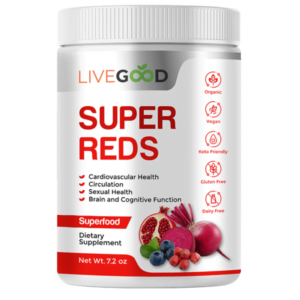
Alfalfa can be used on its own, but many people prefer blends because they provide a wider mix of plant ingredients. LiveGood Organic Super Greens includes alfalfa alongside grasses, algae, herbs, fruits, prebiotic fiber, probiotic cultures, and apple cider vinegar powder.
Alfalfa also appears in red superfood conversations because some reds formulas combine alfalfa with beetroot, berries, grape seed, pomegranate, hawthorn, and other plant ingredients. For that angle, see the LiveGood Organic Super Reds Review and the Organic Hawthorn Berry Guide for Women.
-
 LiveGood Organic Super Reds$19.95
Helpful Related Ingredient Guides
If you are comparing superfood ingredients, these related guides can help you understand how each ingredient fits into a daily routine:
- Organic Alfalfa Powder Guide for Women
- Chlorella Powder Guide
- Apple Cider Vinegar Powder Guide
- Elderberry Powder Guide
- Cranberry for Beginners
What to Check Before You Buy
Before buying alfalfa on its own or inside a blend, check the full label. You want to know the form, serving size, safety cautions, and whether the product fits your daily routine.
- Check whether it is alfalfa sprouts, powder, leaf powder, grass juice powder, capsules, or part of a blend.
- Look for vitamin K cautions if you take blood-thinning medication.
- Choose products with clear directions and a realistic serving size.
- Be careful with products that promise cholesterol, blood sugar, hormone, detox, inflammation, or disease-prevention benefits.
- For extra help, read the lab testing guide, the label red flags guide, or use the cost calculator.
Common Questions About Alfalfa Grass
Is alfalfa grass the same as alfalfa sprouts?
Not exactly. Alfalfa sprouts are young shoots from alfalfa seeds, while alfalfa grass or leaf powder is usually dried and powdered plant material. Each form has different uses and serving sizes.
Can alfalfa support heart-conscious nutrition?
Alfalfa may help support a heart-conscious nutrition routine when used alongside a balanced diet. It should not be used as a treatment for cholesterol, blood pressure, diabetes, or heart disease.
Can alfalfa support women’s wellness?
Alfalfa contains plant compounds and may fit into a women’s wellness routine, but it should not be promoted as a hormone-balancing or menopause-treatment product.
Is alfalfa safe with blood thinners?
Alfalfa naturally contains vitamin K, so people using blood-thinning medication should ask a healthcare professional before using alfalfa supplements.
Is alfalfa a good fit for greens or reds formulas?
It can be. Alfalfa may help support plant-based nutrition when used as part of a broader formula that also includes other fruits, greens, herbs, and plant compounds.
Is Alfalfa Grass Worth Adding to Your Routine?
Alfalfa grass can be a useful plant-based ingredient if you want more green nutrition in your day. It may help support a healthy routine when used alongside a varied diet, hydration, movement, sleep, and smart supplement choices.
The key is to keep expectations realistic. Alfalfa is not a medicine, not a detox shortcut, and not a treatment for cholesterol, blood sugar, hormones, inflammation, or heart disease. Look at the full product label, check the serving size, review safety cautions, and choose the format that fits your routine best.