Anti-Inflammatory Lifestyle Guide: Foods, Habits, and Daily Tips
Inflammation is one of the most talked-about wellness topics today, but many people still are not fully clear on what it means or why it matters. In simple terms, inflammation is part of your body’s natural defense system. It helps protect tissues after injury or infection. The challenge starts when that response lingers for too long and becomes chronic.
That is where an anti-inflammatory lifestyle can make a real difference. It is not about chasing perfection or following a strict fad diet. It is about building meals and routines around whole foods, better recovery, balanced habits, and more intentional choices over time.
If you are trying to improve your overall wellness, support recovery, clean up your food choices, or simply understand where to start, this guide will walk you through the basics in a practical way.
What Is Inflammation?
Inflammation is your body’s normal response to injury, irritation, or infection. In the short term, it can be helpful. This is often called acute inflammation. It is part of the healing process.
Chronic inflammation is different. Instead of resolving quickly, it can continue quietly in the background for months or even years. That long-term inflammatory load is one reason many people start paying more attention to food quality, stress, sleep, and everyday lifestyle habits.
Supporting your body does not require doing everything at once. It usually starts with understanding what may increase inflammation and what habits may help calm it down.
Why Chronic Inflammation Gets So Much Attention
When people talk about anti-inflammatory eating, they are usually thinking beyond one symptom. They are looking at the bigger picture: long-term wellness, daily energy, cardiovascular support, blood sugar balance, digestive comfort, and joint function.
An anti-inflammatory lifestyle is often built around simple foundations: more colorful plants, better fats, smarter carbohydrates, enough protein, good hydration, movement, stress management, and steady sleep habits.
If you are also reviewing supplements and labels, these resources may help you go deeper: how to read supplement labels and spot fairy dusting and LiveGood Factor 4 price, features, and ingredients.
The Link Between Gut Health and Inflammation
Your gut does more than digest food. It is also closely connected to immune function, nutrient absorption, and the body’s broader inflammatory response. A healthier gut environment can support better resilience, while an imbalanced one may add more stress to the system.
That is one reason anti-inflammatory plans often include fiber-rich vegetables, fruits, legumes, and whole grains, along with fermented foods where tolerated. Foods such as garlic, bananas, yogurt, and sauerkraut are commonly mentioned because they may help support a healthier gut environment.
For many people, this also means being more aware of highly processed foods, too much added sugar, and habits that throw digestion off balance.
Inflammation, Mood, and Mental Performance
Another reason inflammation gets attention is because it may influence more than just physical comfort. It can also affect how people feel day to day. Mood, focus, stress tolerance, and overall mental sharpness can all feel harder to manage when the body is under constant strain.
That is why a good anti-inflammatory routine is not only about food. It also includes sleep quality, better hydration, regular movement, and stress reduction. These basics are not flashy, but they often make the biggest difference when repeated consistently.
What an Anti-Inflammatory Plate Looks Like
A practical anti-inflammatory plate does not need to be complicated. A useful starting point is:
- Fill about half your plate with colorful vegetables.
- Add a quarter plate of better carbohydrate choices like quinoa, brown rice, oats, or sweet potatoes.
- Use the remaining quarter for lean protein such as chicken, beans, tofu, lentils, or fish.
- Add moderate amounts of healthy fats like olive oil, avocado, nuts, or seeds.
This simple structure makes meals easier to repeat and helps reduce the feeling that healthy eating has to be complicated or expensive.
If budget matters, planning ahead can also help reduce food waste and impulse shopping. That same “simple but repeatable” mindset is one reason many people like using tools such as a supplement savings calculator guide when comparing routine costs over time.
Best Anti-Inflammatory Foods to Build Around
If you want to make progress without overthinking every meal, start with a core group of anti-inflammatory staples and build from there.
1. Fatty fish
Salmon, sardines, and mackerel are often highlighted because they provide omega-3 fatty acids. These are widely known for their role in supporting a balanced inflammatory response.
2. Leafy greens and colorful vegetables
Spinach, kale, broccoli, bell peppers, Brussels sprouts, and similar vegetables bring vitamins, minerals, antioxidants, and fiber to the table. They are a strong foundation for most anti-inflammatory meal plans.
3. Berries and other antioxidant-rich fruits
Blueberries, strawberries, raspberries, cherries, oranges, and apples are popular choices because they add both flavor and plant compounds that support overall wellness.
4. Whole grains and legumes
Quinoa, oats, brown rice, lentils, black beans, chickpeas, and kidney beans can make meals more filling while also providing fiber and steady energy.
5. Healthy fats
Olive oil, avocado, walnuts, chia seeds, flaxseeds, and pumpkin seeds can help round out an anti-inflammatory meal pattern in a practical, realistic way.
6. Herbs and spices
Turmeric, ginger, garlic, cinnamon, and rosemary are easy ways to add more flavor without relying on heavy sauces or ultra-processed ingredients.
If you are interested in ingredient-based support beyond food, you may also want to read The Power of Magnesium guide and this Factor 4 ingredient overview.
Foods That May Push the Diet in the Wrong Direction
Most people do not need to fear a single meal. What matters more is the overall pattern. Foods often limited in anti-inflammatory eating plans include:
- Highly processed snacks and packaged foods
- Sugary drinks and desserts with lots of added sugar
- Refined carbohydrates such as white bread, pastries, and overly processed cereals
- Trans fats and heavily fried foods
- Frequent intake of processed meats
- Artificial additives for people who are sensitive to them
- Large amounts of alcohol
Some people also choose to test how they personally feel with certain dairy products or specific vegetable oils, especially if they suspect those foods are not working well for them. Individual tolerance matters.
Lifestyle Habits That Support an Anti-Inflammatory Routine
Food gets most of the attention, but your daily habits matter too. If your meals are improving but your sleep is poor, your stress is high, and you rarely move your body, progress can feel slower than expected.
Prioritize sleep
Consistent sleep helps the body repair and regulate. A calmer evening routine, regular bedtime, and less late-night stimulation can all help support better recovery.
Manage stress more intentionally
Chronic stress can push the body toward a more inflamed state over time. Mindfulness, walking, prayer, breathing exercises, journaling, and protected rest time can all be useful depending on the person.
Move regularly
You do not need an extreme workout plan. Walking, resistance training, stretching, cycling, swimming, or simply staying more active during the day can all support better overall health.
Stay hydrated
Water matters more than many people realize. Daily hydration supports normal body functions, recovery, and general well-being. Some people also enjoy green tea or herbal teas as part of a calmer, more intentional routine.
Practice mindful eating
Eating more slowly, noticing portions, and reducing distracted snacking can help many people make better choices without needing a rigid plan.
Simple Meal Planning Tips That Actually Help
Meal planning does not have to mean cooking a week of identical containers. A better approach is to keep a few anti-inflammatory building blocks ready so meals come together faster.
- Wash and prep vegetables ahead of time.
- Keep berries, apples, nuts, and seeds available for quick add-ons.
- Cook staples like rice, quinoa, lentils, or beans in batches.
- Keep simple proteins ready, such as chicken, eggs, tofu, or canned fish.
- Use herbs, olive oil, garlic, turmeric, and lemon to make basic meals taste better.
A routine like this can save time, reduce takeout dependence, and make anti-inflammatory choices easier to repeat during busy weeks.
Where Supplements May Fit In
Food should stay the foundation, but some people also look at supplements that align with anti-inflammatory goals. In the guide, ingredients such as fish oil, turmeric/curcumin, garlic, CoQ10, and vitamin D are mentioned as options people may consider depending on their needs and routine.
One product featured in the guide is LiveGood Factor 4, which combines fish oil, turmeric, CoQ10, and garlic in one formula. If you want to compare the ingredient logic, pricing, and overall positioning, that review page is the best internal page to open next.
You may also find these pages useful while researching value and routine planning: LiveGood products overview and LiveGood calculator overview.
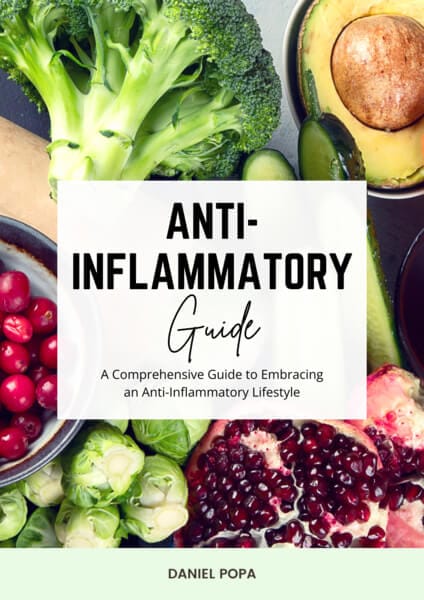
Get the Free Anti-Inflammatory Guide
If you want the full guide in a downloadable format, enter your email below, and I’ll send it straight to you. It is a practical resource for anyone who wants a simpler way to understand inflammation, anti-inflammatory foods, and better everyday habits.
Who This Guide Is For
This guide is a good fit if you are:
- trying to clean up your daily diet without doing anything extreme
- looking for anti-inflammatory food ideas that feel realistic
- interested in simple meal planning and healthier grocery choices
- researching ingredient-based support like fish oil, turmeric, garlic, or CoQ10
- wanting a clearer understanding of how food and habits work together
Frequently Asked Questions About Anti-Inflammatory Eating
What is an anti-inflammatory diet?
It is an eating pattern built around foods that support a healthier inflammatory balance, such as vegetables, fruits, whole grains, better fats, legumes, herbs, spices, and quality protein sources, while reducing heavily processed foods and excess added sugar.
How long does it take to notice changes?
That varies from person to person. Some notice better digestion, steadier energy, or improved meal control within a few weeks. For others, progress is slower and depends on consistency, sleep, movement, stress, and overall routine quality.
Do I need supplements to follow an anti-inflammatory lifestyle?
No. Food-first is still the best foundation. Supplements may be something some people explore for extra support, but they should complement a solid routine rather than replace one.
Can I still eat out?
Yes. Try to build meals around vegetables, lean protein, and better carbohydrate choices where possible. Asking for sauces on the side and limiting heavily fried or sugary items can help without making eating out feel difficult.
Final Thoughts
An anti-inflammatory lifestyle does not have to feel complicated. For most people, it starts with a few repeatable basics: better food quality, more colorful plants, smarter meal structure, regular movement, less processed junk, better hydration, more sleep, and lower day-to-day stress where possible.
That may not sound dramatic, but over time, those small choices can add up in a big way.
If you want the full guide, use the box above to get it by email. And if you want a next step after reading it, check out my Factor 4 review and ingredient breakdown or explore the wider LiveGood product overview to compare options more closely.
Disclosure: This page may contain affiliate links. If you purchase through these links, I may earn a commission at no extra cost to you.
Educational only. This content is not medical advice and is not intended to diagnose, treat, cure, or prevent any disease. Always speak with a qualified healthcare professional before making major dietary or supplement changes, especially if you have a medical condition, are pregnant, nursing, or taking medication.