How to Improve Gut Health: A Practical Guide (2026)
Looking to improve gut health and not sure where to start. Whether you’re dealing with bloating, irregular stools, low energy, or mood swings, small changes can make a big difference. This guide breaks down what matters, what to try first, and how to build a plan that fits your life.
We’ll cover the basics of the gut microbiome, practical steps you can take today, testing and tracking options, and how to choose supplements or programs that actually help. Expect clear actions, a few product and tool recommendations, and tips to avoid common mistakes.
Understanding Gut Health Basics
What gut health means is how well your digestive system—and the microbes living inside it—work together to digest food, absorb nutrients, keep your immune system steady, and influence mood and energy. A healthy gut is balanced: it has enough good microbes, a strong gut lining, and low chronic inflammation.
What is the Gut Microbiome?
The gut microbiome is the community of bacteria, fungi, and other microbes living in your intestines. These microbes help break down food, make vitamins, and keep harmful microbes in check. Changes in this community can affect digestion, immunity, and even brain chemistry.
Why Gut Health Matters
Gut health affects more than digestion. It can influence immune response, weight, sleep, and mood. Improving gut health often improves energy, reduces digestive symptoms, and supports overall wellness.
Key Concepts You Need to Know
- Microbial diversity: More types of microbes usually mean greater resilience.
- Prebiotics vs. probiotics: Prebiotics feed helpful microbes; probiotics add live strains.
- Gut barrier: A healthy lining keeps unwanted particles out of the bloodstream.
- Triggers: Certain foods, stress, and antibiotics can shift your microbiome.
Common Challenges and How to Overcome Them
Many people struggle with inconsistent stools, bloating, or food reactions. The tricky part is that causes differ person to person. Start with simple changes, track symptoms, and use testing or coaching when you hit a plateau.
What You’ll Need Before Starting
Required Tools and Resources
- A symptom and food log (paper, notes app, or an app like GutSync or GutSense) — tracking helps find patterns GutSyncGutSense.
- Access to a balanced kitchen: whole foods, fiber sources, and ingredients for simple meals.
- Optional: at‑home gut test if you want a data-driven starting point (services like Biron or Tiny Health offer stool microbiome testing) BironTiny Health.
- Reliable supplements if recommended by a clinician or as part of a plan — choose trusted brands and check ingredient lists.
Prerequisites and Preparation
Before making big changes, note current medications, recent antibiotic use, and any diagnosed conditions like IBS or SIBO. If you have serious or sudden symptoms (blood in stool, unexplained weight loss, severe pain), see a healthcare provider first.
Our Recommended Tool: LiveGood
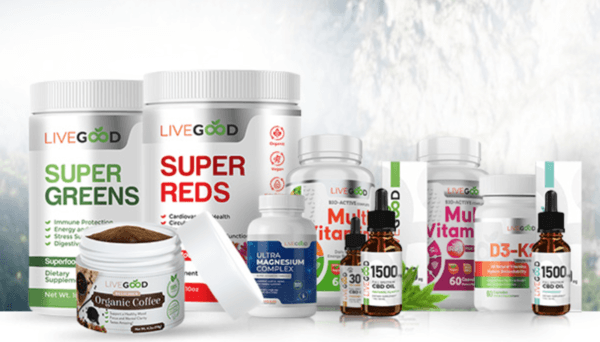
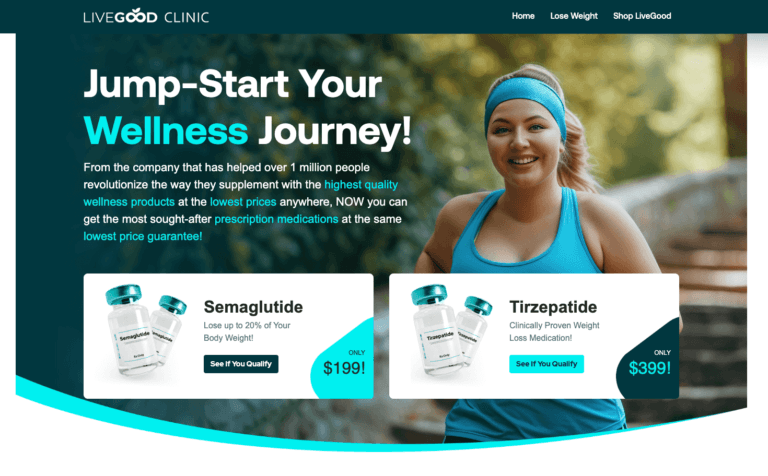
LiveGood offers targeted supplements and wellness products that can support gut health routines, including probiotic and digestive support options. Their product pages and bundle options make it easy to add focused supplements to a diet and lifestyle plan. Visit LiveGood to see current offerings and bundles that match gut health goals.
Step-by-Step: How to Improve Gut Health
Step 1: Start Simple — Track Food and Symptoms
Begin with a two-week tracking period. Log meals, portion sizes, and symptoms (bloating, stool consistency, mood, sleep). Use free tools or apps that analyze patterns — GutSync has a free basic plan and faster trigger detection with paid tiers GutSync. GutSense offers AI-driven daily tips for ongoing habit changes GutSense.
Tips:
- Note timing: when symptoms start relative to meals.
- Record stress, sleep, and exercise — they’re often part of the picture.
- Be honest and consistent; better data equals better results.
Step 2: Improve Fiber Intake Gradually
Fiber feeds helpful gut microbes. Aim to add a variety of fiber sources: fruits, vegetables, whole grains, beans, nuts, and seeds. Increase fiber slowly over 2–4 weeks to avoid gas or bloating. Look for different types: soluble fibers (oats, apples) and insoluble fibers (whole wheat, vegetables).
Tips:
- Add one high-fiber food per day rather than making wholesale changes overnight.
- Try a daily mixing bowl (base of brown rice or whole grains, add beans, veggies, seeds) — simple and effective.
Step 3: Add Fermented Foods and Prebiotics
Fermented foods like yogurt, kefir, sauerkraut, kimchi, and miso introduce live microbes and can improve digestion for many people. Prebiotic foods (onions, garlic, leeks, asparagus, bananas, oats) help feed beneficial bacteria.
Tips:
- Start with small portions of fermented foods (1–2 tablespoons) and increase as tolerated.
- Pair prebiotic-rich foods with meals for better tolerance.
Step 4: Consider a Targeted Probiotic
Probiotics are strain-specific. A general daily multi-strain probiotic can help people with mild to moderate digestive issues. Brands like Seed offer science-backed multi-strain formulas and subscription options — starter kits run around $59.99, monthly shipments about $49.99 Seed. LiveGood also offers probiotic and digestive support supplements you can add to a routine; check product pages for current formulas and bundle savings at LiveGood.
Tips:
- Choose probiotics with clear strain labels and CFU counts.
- Give a new probiotic 4–8 weeks to see effects.
- If symptoms worsen, pause and consult a clinician.
Step 5: Use Testing or Coaching When Needed
If simple changes don’t help, testing or guided coaching can speed things up. At-home microbiome tests like Biron offer in-depth lab analysis and a nutritionist consult for $599–$699 Biron. Tiny Health provides at-home stool testing with personalized insights — pricing requires contact Tiny Health. For symptom-trigger work, apps like GutSync speed up identification of food triggers and offer exports for clinicians GutSync.
Tips:
- Use tests to guide personalized plans, not as one-off answers.
- Combine test results with a coach or dietitian for best outcomes.
Step 6: Address Stress, Sleep, and Movement
Stress and poor sleep alter gut function and microbial balance. Add simple habits: 10 minutes of daily breathing or a short walk after meals. Aim for consistent sleep schedules. Exercise supports diversity in the microbiome, but avoid sudden extreme workouts if you’re unwell.
Tips:
- Try a 10-minute walk after lunch to aid digestion.
- Even brief breathing practice can reduce gut-related stress responses.
Step 7: Tackle Specific Conditions with Specialist Help
For conditions like SIBO or severe IBS, follow targeted protocols. Programs like The SIBO Doctor offer structured courses and plans (for example, the SIBO Success Protocol is priced at $497) to work through cause-focused treatment The SIBO Doctor. Always coordinate with a licensed clinician before starting antibiotics or specialized protocols.
Step 8: Reassess and Build a Long-Term Plan
After 6–12 weeks, review your log, symptoms, and any test results. Keep what helps and drop what doesn’t. Long-term gut health is about consistent, achievable habits rather than quick fixes.
Example: A 12-Week Practical Plan
Week 1–2: Track food and symptoms. Add one fiber-rich food daily.
Week 3–4: Introduce a small serving of fermented food every other day. Start a basic probiotic if desired.
Week 5–8: Add prebiotic foods, begin gentle exercise routine, test if issues persist. Consider apps like GutSync or GutSense to detect triggers faster GutSyncGutSense.
Week 9–12: Reassess. If symptoms remain, consider an at-home microbiome test (Biron or Tiny Health) and consult a clinician BironTiny Health.
Choosing the Right Tool or Method for Gut Health
Overview of Your Options
Options include self-guided diet and lifestyle changes, targeted supplements, mobile apps for tracking and coaching, at‑home lab tests, and clinician-led programs. Which path you pick depends on symptom severity, budget, and how quickly you want answers.
Cost Comparison
Budget-friendly: food-first approaches and free tracking tools. Mid-range: subscription apps like GutSync Pro ($10/month) or Seed probiotic subscriptions (~$49.99/month) GutSyncSeed. Premium: in-depth microbiome tests like Biron ($599–$699) or personalized probiotic services (contact pricing) BironGutGutGoose.
Ease of Use Comparison
Apps and simple diet changes are the easiest to start. Tests require sample collection and waiting for results. Clinician programs require time and commitment but often deliver clearer, personalized plans.
Quality and Reliability
Look for tools backed by clear methods and real-world reviews. For tests, check if labs use validated sequencing methods and offer clinician support. For supplements, prefer brands with transparent strain lists and third-party testing.
Why We Recommend LiveGood
LiveGood offers a range of gut support supplements and bundles that fit different budgets and goals. Their product pages clearly list ingredients, and bundles make it simple to add a targeted supplement to a food-and-lifestyle plan. For many people, pairing LiveGood supplements with the tracking and habits described above provides a balanced, approachable strategy. Visit LiveGood to review current gut-support products and bundle options.
Try LiveGood:https://livegoodforlife.com/
Understanding Costs and How to Save Money
Typical Costs for a Gut Health Plan
Do-it-yourself plan: $0–$50/month (food, home pantry upgrades). App-driven plan: $0–$25/month for tracking or basic coaching (GutSync Pro $10/month, premium $25/month) GutSync. Supplements: $20–$60/month depending on brand and formula (Seed starter ~$59.99, monthly ~$49.99) Seed. Tests and deep dives: $599+ for lab-based microbiome testing (Biron) Biron.
Hidden Fees to Watch Out For
Watch subscription auto-renewals, shipping costs for test kits, and clinician consultation fees. Some personalized probiotic services require ongoing subscriptions that add up quickly.
Tips for Reducing Costs
- Start with diet and lifestyle changes before spending on tests or subscriptions.
- Use free tracking tools or the free tier of apps to gather data for a few weeks.
- Buy supplements in bundles or through subscription discounts; LiveGood often has bundle pricing for core supplements at LiveGood.
- Only test when results will change your plan—testing without action is wasted money.
Troubleshooting Common Gut Health Issues
Problem: Increased Gas After Adding Fiber
Fix: Slow the increase. Move up by one fiber food every few days. Soak beans, cook vegetables well, and try digestive enzymes or smaller portions if needed.
Problem: Fermented Foods Cause Discomfort
Fix: Reduce portion sizes, try milder fermented foods like plain yogurt, or wait until your diet includes more fiber and prebiotics before increasing servings.
Problem: Probiotic Makes Symptoms Worse
Fix: Pause the probiotic and try a lower-dose or different strain. Some people react to certain strains or prebiotic components. Consult a clinician if symptoms persist.
Advanced Tips for Better Results
Pro Tips from Experts
- Combine objective data (tests, logs) with subjective tracking for the clearest picture.
- Rotate fiber sources to feed a variety of microbes rather than relying on one food.
- For persistent issues, pair testing (microbiome or SIBO breath test) with a dietitian who understands gut disorders.
Common Mistakes to Avoid
- Jumping into restrictive diets without clear reasons — restrictions can reduce microbial diversity.
- Trusting one-off tests without follow-up plans — testing is useful only if results guide action.
- Using many supplements at once — add one product at a time so you know what helps.
Best Ways for Long-Term Gut Health
- Daily variety in whole foods and plant fiber.
- Regular movement, consistent sleep, and stress management.
- Test and consult when simple changes don’t work.
Ready to Get Started?
Start with a two-week tracking habit and one small diet change this week (add a serving of vegetables or a fermented food). If symptoms change little, consider an app for trigger detection or a targeted test for deeper insight. Adding a well-formulated supplement from LiveGood can support diet and lifestyle changes while you build lasting habits.
Start with LiveGood:https://livegoodforlife.com/
FAQ — How to Improve Gut Health
1. How long does it take to improve gut health?
Small changes can show improvement in 2–6 weeks, but more durable changes to the microbiome and symptoms often take 3 months or more.
2. Should I take a probiotic every day?
Many people benefit from daily probiotics for a trial period of 4–8 weeks. Choose a product with clear strains and CFU counts. If symptoms improve, you can continue or switch to periodic use.
3. Do I need a microbiome test?
Most people do not need a test to start improving gut health. Tests are useful when symptoms are persistent, severe, or unexplained, or when you want targeted recommendations.
4. Can food changes alone fix gut issues?
Food changes help most people, but some conditions (SIBO, severe IBS, infections) need medical treatment or specialized diets under clinician supervision.
5. What foods are best for gut health?
Eat a variety of plant-based fibers, fermented foods, whole grains, legumes, nuts, and seeds. Avoid long-term heavy intake of highly processed foods and excess added sugar.
6. Are prebiotics safe?
Prebiotics are safe for many people but can cause gas or bloating if introduced too quickly. Start small and increase gradually.
7. How do tracking apps help?
Apps like GutSync and GutSense analyze day-to-day patterns to identify triggers faster than traditional food diaries. They can speed up finding problem foods and guiding changes GutSyncGutSense.
8. What if I have SIBO or chronic IBS?
Work with a clinician. Programs like The SIBO Doctor provide structured guidance and education for SIBO-specific protocols The SIBO Doctor. Testing and clinician oversight are often required.
9. How much do microbiome tests cost?
Comprehensive lab-based tests often range from several hundred to over $600 (for example, Biron’s microbiome test is $599–$699) Biron. At-home options and add-on services vary.
10. Can lifestyle alone change my microbiome?
Yes. Diet, sleep, stress, and exercise significantly influence the microbiome over time. Lifestyle changes are an effective first-line approach.
11. How do I pick a good probiotic brand?
Look for clear strain info, clinically studied strains, third-party testing, and transparent labeling. Trial a brand for several weeks and track symptoms.
12. Will antibiotics harm my gut microbiome?
Antibiotics can change the microbiome and sometimes cause symptoms. Use them when needed, and support recovery with fiber, fermented foods, and, if recommended, probiotics or targeted supplements.
Sources
- GutSync — Trigger-identification app and pricing
- GutSense — AI gut health coach app and pricing
- Biron Microbiome Test — Microbiome testing and pricing
- Tiny Health Gut Health Test — At-home stool testing
- Seed — Science-backed probiotic and pricing info
- The SIBO Doctor — SIBO-focused programs and pricing
- GutGutGoose — Personalized probiotic service
- LiveGood — LiveGood product pages and supplement bundles
Conclusion
Improving gut health is a stepwise process: track, change one habit at a time, add supportive foods, and test when you need more clarity. Simple diet and lifestyle moves help most people; apps, tests, and targeted supplements speed things up for those with persistent issues. LiveGood makes it easy to add targeted supplements to a practical plan — combine that with tracking and a few steady changes, and you’ll likely notice real improvements in weeks.
Take the first step: Start a two-week food and symptom log today, add one fiber-rich food, and check LiveGood’s gut-support options at https://livegoodforlife.com/