Organic Wheat Grass Powder for Women: Nutrition, Uses, Safety & Super Reds Guide
Affiliate disclosure: This page may contain affiliate links. If you purchase through my links, I may earn a commission at no extra cost to you.
Important disclaimer: This article is for educational purposes only and is not medical advice. Dietary supplements are not intended to diagnose, treat, cure, or prevent any disease.
Wheat Grass Powder for Women: The Simple Version
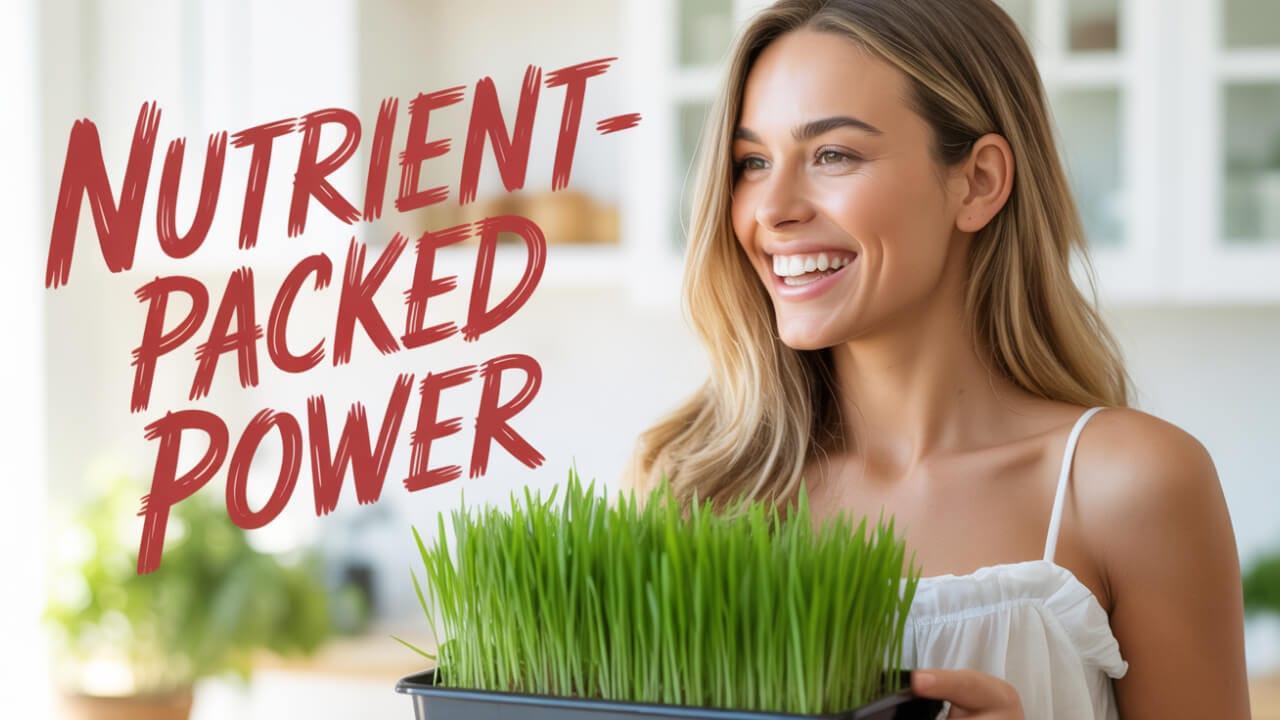
Organic wheat grass powder is made from the young green shoots of the wheat plant. It is often used in smoothies, green drinks, reds blends, and daily wellness routines because it contains chlorophyll, plant compounds, vitamins, minerals, and green plant nutrients.
For women, wheat grass powder may be useful as part of a balanced routine that supports daily nutrition habits, antioxidant protection, digestive wellness, and healthy energy habits. It should not be used to treat fatigue, hormone problems, PMS, menopause symptoms, anemia, inflammation, digestive disease, or any medical condition.
Why Women Add Wheat Grass to Their Routine
Wheat grass is popular with women who want a simple way to add more green plant ingredients to their day. It can be mixed into water, smoothies, juices, yogurt bowls, or superfood blends. The taste is grassy and earthy, so many people prefer it with fruit or in a flavored greens or reds powder.
The best way to think about wheat grass is as a supportive food-based ingredient. It can contribute green plant nutrients to your routine, but it does not replace vegetables, protein, fiber, sleep, hydration, movement, or medical care.
What Wheat Grass Contains
| What it contains | What it means | Why people like it |
|---|---|---|
| Chlorophyll | The natural green pigment found in plants | Adds green plant nutrients to a daily routine |
| Antioxidant plant compounds | Compounds associated with antioxidant activity | May help support antioxidant protection as part of a healthy diet |
| Vitamins and minerals | Small amounts of micronutrients naturally found in greens | Supports a more nutrient-focused routine |
| Amino acids | Building blocks found in many plant foods | Adds to the nutritional profile of the powder |
| Green plant fiber | Plant material found in whole-food powders | May help support digestive wellness as part of a balanced diet |
What Wheat Grass May Help Support
Wheat grass powder is best used for general wellness support. Keep expectations realistic and avoid treating it like a cure, cleanse, or hormone solution.
| Benefit area | Simple explanation | Best way to use it |
|---|---|---|
| Daily green nutrition | Wheat grass adds green plant nutrients to your routine | Mix into smoothies, water, or a superfood blend |
| Antioxidant protection | Green plant compounds are associated with antioxidant activity | Use alongside colorful fruits and vegetables |
| Digestive wellness | Whole-food powders can fit into a fiber-rich nutrition routine | Start with a small amount and drink enough water |
| Healthy energy habits | A nutrient-focused drink can be part of a morning routine | Pair with balanced meals, sleep, and hydration |
| Superfood routine | Wheat grass blends well with greens, reds, berries, and beetroot | Use as part of a simple daily greens or reds drink |
Good Fit vs. Not a Good Fit
| Good fit | Be careful if |
|---|---|
| You want to add more green plant ingredients to your day | You expect wheat grass to detox your body or cleanse your liver |
| You like smoothies, powders, or daily wellness drinks | You have celiac disease, wheat allergy, or strong grass sensitivities |
| You want a caffeine-free green ingredient | You are pregnant, breastfeeding, or managing a medical condition |
| You are comparing greens and reds blends | You take medication and are unsure about concentrated green powders |
How to Use Organic Wheat Grass Powder
Always follow the serving directions on the product label. If you are new to wheat grass, start small because the flavor is strong and concentrated green powders can bother some people’s stomachs at first.
| Use option | How to try it | Best for |
|---|---|---|
| Water | Mix a small amount into cold water and shake well | Fastest option |
| Smoothie | Blend with berries, banana, yogurt, or almond milk | Softer taste |
| Green juice | Add to a vegetable or fruit juice | People who already like green drinks |
| Superfood blend | Use a greens or reds powder that already includes wheat grass | Convenience and better flavor |
Easy Wheat Grass Smoothie Idea
Here is a simple way to make wheat grass powder easier to enjoy:
- 1 serving wheat grass powder, based on the label
- 1 cup cold water, coconut water, or unsweetened almond milk
- 1/2 banana or 1/2 cup frozen mango
- 1/2 cup berries or pineapple
- Optional: plain Greek yogurt or plant-based protein powder
Blend until smooth. The fruit helps balance the grassy taste, and the protein can make it more filling.
Safety Notes Women Should Know
Wheat grass is usually discussed as a food-based powder, but concentrated green powders are not the right fit for everyone. Check the label and use professional guidance if you have questions.
| Check first if | Why | What to do |
|---|---|---|
| You have celiac disease or wheat allergy | Wheat grass is harvested before the grain forms, but contamination can still matter | Look for certified gluten-free labeling and ask a professional if unsure |
| You are pregnant or breastfeeding | Supplement needs are more individual during these stages | Ask a qualified healthcare professional before using concentrated powders |
| You take medication | Concentrated greens may not fit every medication routine | Check with your healthcare professional |
| You feel nausea, headache, or stomach upset | Some people do not tolerate strong green powders well | Stop or reduce the amount and seek guidance if symptoms continue |
| You are dealing with fatigue, anemia, PMS, menopause symptoms, hormone concerns, brain fog, pain, or digestive symptoms | These can have many causes | Do not use wheat grass as treatment; speak with a healthcare professional |
Wheat Grass in LiveGood Organic Super Reds
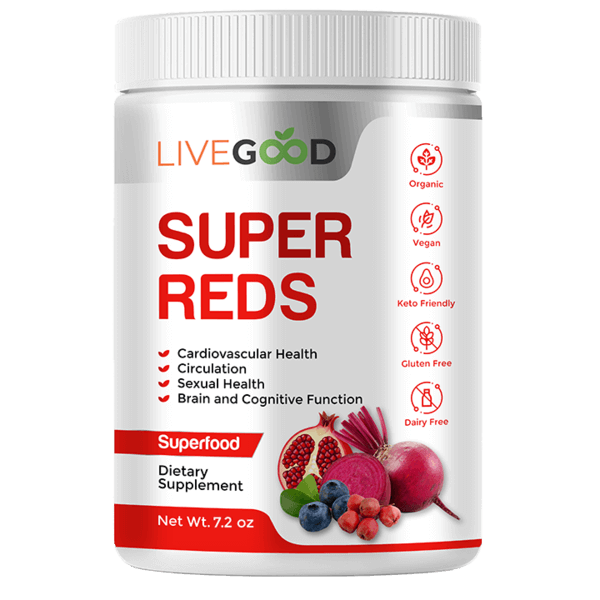
LiveGood Organic Super Reds includes wheat grass as part of a broader red superfood blend. That can be useful if you want wheat grass together with beetroot, red fruits, berries, and antioxidant-associated plant ingredients in one scoop.
It may help support antioxidant protection, workout routines, healthy energy habits, and cardiovascular wellness as part of a healthy lifestyle. It should not be used to improve blood pressure, treat fatigue, balance hormones, detox the body, improve libido, clear brain fog, or address any medical condition.
For more context, read the LiveGood Organic Super Reds Review, the Super Reds Guide, and the Beetroot for Women Guide.
🎥 Watch: Why LiveGood Super Reds Is a Must-Have for Heart & Energy Health!
Discover how LiveGood Organic Super Reds can transform your daily health routine. In this video, we break down how red superfoods like beetroot, pomegranate, and grape seed extract support circulation, brain clarity, libido, and cardiovascular strength.
👉 Tap below to see why this formula is a customer favorite and how it compares to expensive brands like SuperBeets and OrganiFi Red Juice.
Watch now and feel the difference!
What to Check Before You Buy
Whether you buy wheat grass powder alone or choose a blend that includes it, the label matters. Look beyond the front of the package and compare the details.
| What to check | Why it matters |
|---|---|
| Serving size | Helps you compare cost and avoid using too much |
| Certified gluten-free status | Important for people with celiac disease or strong gluten sensitivity |
| Full ingredient list | Helps you spot grasses, sweeteners, herbs, or allergens |
| Testing and quality information | Helpful for powders you plan to use regularly |
| Cost per serving | Shows the real daily cost |
For more help comparing labels, read the Third-Party Lab Testing Guide, the Label Red Flags Guide, and the Supplement Cost Per Day Calculator.
Common Questions About Wheat Grass Powder for Women
Is wheat grass powder good for women?
Wheat grass powder can be a helpful green plant ingredient for women who want to add more plant nutrients to their routine. It is best used as a food-based supplement ingredient, not as a treatment.
Does wheat grass detox the liver?
Wheat grass should not be described as detoxing or cleansing the liver. Your liver and kidneys already handle normal waste processing. Wheat grass can simply add green plant nutrients and chlorophyll to your daily routine.
Can wheat grass help with hormones, PMS, menopause, or brain fog?
Wheat grass should not be used to treat hormone concerns, PMS, menopause symptoms, brain fog, fatigue, or mood changes. If you are dealing with symptoms, speak with a qualified healthcare professional.
Is wheat grass gluten-free?
Wheat grass is harvested before the wheat grain develops, but contamination can still be an issue. If you have celiac disease or strong gluten sensitivity, choose a product labeled certified gluten-free and ask a professional if unsure.
Can I take wheat grass every day?
Daily use may fit some routines, but follow the product label and start small. Stop or reduce the amount if it bothers your stomach.
Is wheat grass better alone or in a blend?
That depends on your routine. A standalone wheat grass powder gives you a focused green ingredient. A blend like Super Reds may be more convenient if you want wheat grass plus beetroot, berries, red fruits, and other plant ingredients.
Is Wheat Grass Worth Adding to Your Routine?
Organic wheat grass powder may be worth adding if you enjoy green drinks and want a simple way to include more green plant nutrients in your daily routine. It may help support antioxidant protection, digestive wellness, and healthy energy habits as part of a balanced lifestyle.
The safest approach is simple: use wheat grass as a supportive food-based ingredient, not as a cure or cleanse. Choose a clear label, start small, and check with a healthcare professional if you take medication, have allergies, are pregnant or breastfeeding, or have a medical condition.