LiveGood Home Business Guide: Building Extra Income in Uncertain Times
LiveGood Home Business Guide: Building Extra Income in Uncertain Times
When the economy feels uncertain, many people start looking for ways to reduce costs, create extra income, and build something flexible from home. That is one reason business models like affiliate marketing, direct sales, and network marketing get more attention during difficult financial seasons.
LiveGood is one company people compare because it combines a low-cost membership model, wellness products, and an affiliate option. This guide explains why the model can be attractive, what to check before joining, and how to keep expectations realistic.
Income disclaimer: No business is recession-proof, and no income is guaranteed. LiveGood is a business opportunity, not a job, investment, or guaranteed safety net. Results vary based on effort, skill, traffic, audience, follow-up, product demand, customer retention, team activity, market conditions, and many other factors. Some affiliates may earn little or nothing. Review the current costs, compensation plan, policies, and income disclosures before joining.

Why People Look at Home-Based Businesses During Tough Times
During inflation, layoffs, or slow economic periods, people often want more control over their time and income options. A home-based business can be appealing because it may have lower startup costs than a traditional business and can be built around work, family, and existing responsibilities.
That does not make it automatic or risk-free. A home business still requires learning, consistency, and a clear plan for attracting customers or referrals.
- Lower startup cost: LiveGood is commonly promoted with a low membership cost compared with many business models. Check the current affiliate fee and membership options before joining.
- Flexible schedule: You can work around your existing routine, but flexible does not mean effortless.
- Product-based model: Wellness products can be easier to explain when the price and value are clear.
- Online reach: A blog, YouTube channel, email list, or social media page can help you reach people beyond your local circle.
- Community and training: Team calls and support can help, but your own daily actions still matter.
People may keep looking for value in health and wellness products even when budgets are tight, but shoppers also become more selective. That is why honest product education matters more than hype.
Related reading: Why Most People Overpay for Supplements.
The Numbers Behind the Trend
The direct selling industry is large, and many people explore it as a part-time business option. Industry numbers can show interest in the model, but they should never be read as a personal income promise.
People usually look for three things during hard times: lower risk, flexibility, and community. LiveGood may be worth comparing because the startup cost is lower than many traditional businesses and the products are tied to everyday wellness categories.
Let’s compare a traditional job with a home-based LiveGood business in a realistic way.
| Aspect | Traditional job | LiveGood business |
|---|---|---|
| Security | Can be affected by layoffs or company changes | Depends on your activity, customers, referrals, and retention |
| Startup cost | No startup fee, but income is tied to employer pay | Lower-cost business option to compare, with ongoing membership costs |
| Flexibility | Fixed hours for many roles | Flexible schedule, but requires consistent effort |
| Income potential | Usually tied to salary or hourly rate | Variable and not guaranteed |
| Growth | Depends on role, company, and market | Depends on traffic, product education, follow-up, and team activity |
| Location | May require a workplace or set schedule | Can often be built online from home |
In uncertain times, LiveGood’s model can be attractive because the cost to evaluate it is relatively low. The key is to treat it like a small business, not a guaranteed income solution.
How LiveGood Can Fit an Extra-Income Plan
LiveGood may appeal to everyday people because the model is simple to explain: members can access wellness products at member pricing, and affiliates can earn commissions when they qualify through product sales, membership activity, or team growth.
You can start small, learn the products, share useful content, and build from there. Some people use LiveGood to save on products. Others use it as a side project. A smaller group works to build a larger business over time.
- No large inventory requirement for most affiliates
- Lower-cost membership model to compare
- Product categories people already understand
- Online sharing through blogs, social media, email, and video
- Weekly and monthly commission areas depending on the plan and qualifications
For a full breakdown of the model, see the LiveGood membership plans guide.
Recent FireStarter Friday Highlights
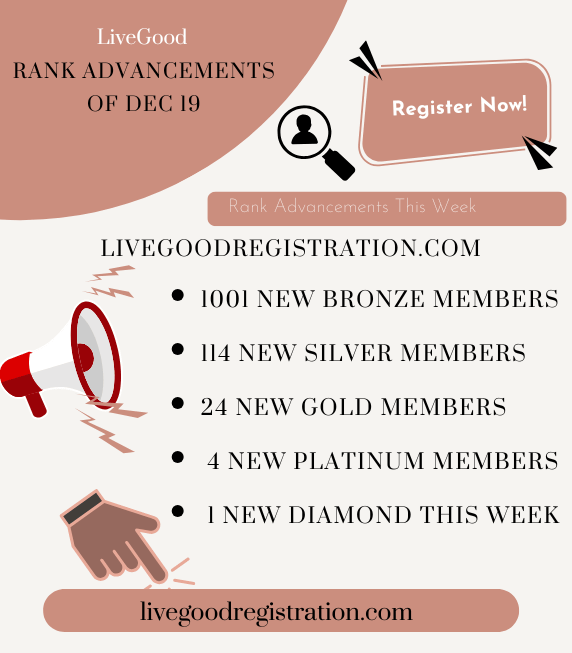
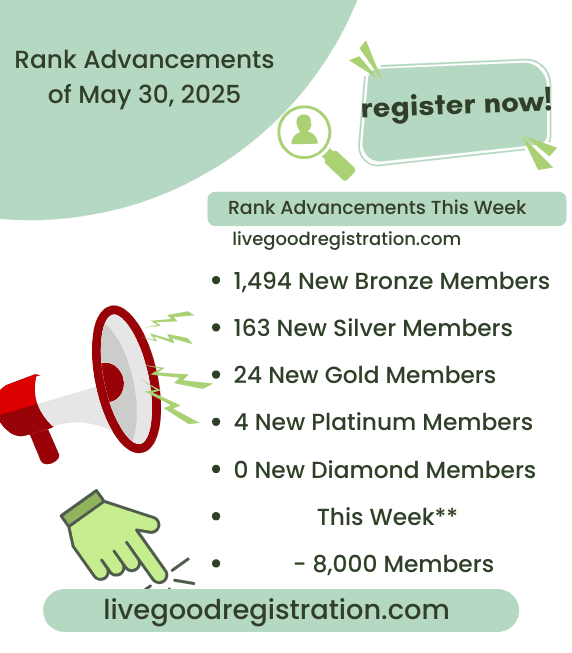
Rank updates and weekly growth reports can be useful for seeing community activity, but they are not typical earnings. The table below is best read as a snapshot of team activity, not a promise of what a new affiliate will earn.
| Rank | Example activity shown | How to read it |
|---|---|---|
| Bronze | New Bronze members reported | Shows entry-level activity, not guaranteed profit |
| Silver | New Silver members reported | Shows team-building progress for some affiliates |
| Gold | New Gold members reported | Shows stronger activity, not typical results |
| Platinum | New Platinum members reported | Leadership-level progress for a smaller group |
| Diamond | Ongoing leaders | Advanced rank activity, not a beginner expectation |
Community growth can be encouraging, but your own results will depend on what you do consistently: content, follow-up, product education, customer support, and team support.
See more updates in the LiveGood Affiliate News section.
The Value Angle: Products People Can Compare
One reason LiveGood can be easier to discuss is the product value story. When people are trying to save money, they often compare cost per serving, member price, ingredients, and whether a product fits their routine.
Prices can change, so always check the current product page. The examples below are useful as a comparison framework, not a guarantee that a product is the cheapest or best option for everyone.
| Product | LiveGood member price example | Retail price example | Comparison angle |
|---|---|---|---|
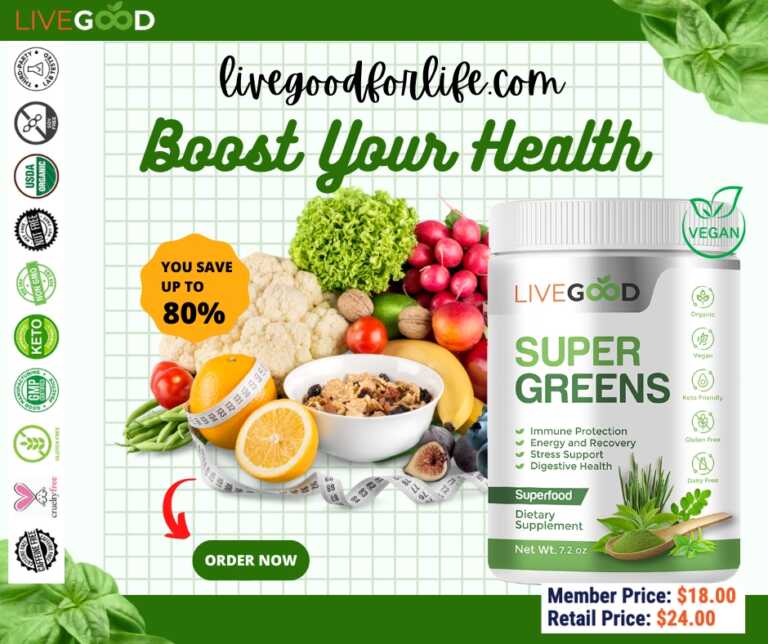
| Organic Super Greens | $18.00 | $29.95 | Compare serving count, label, and cost per serving |
| Factor 4 | $23.00 | $36.00 | Compare formula, label, and safety fit |
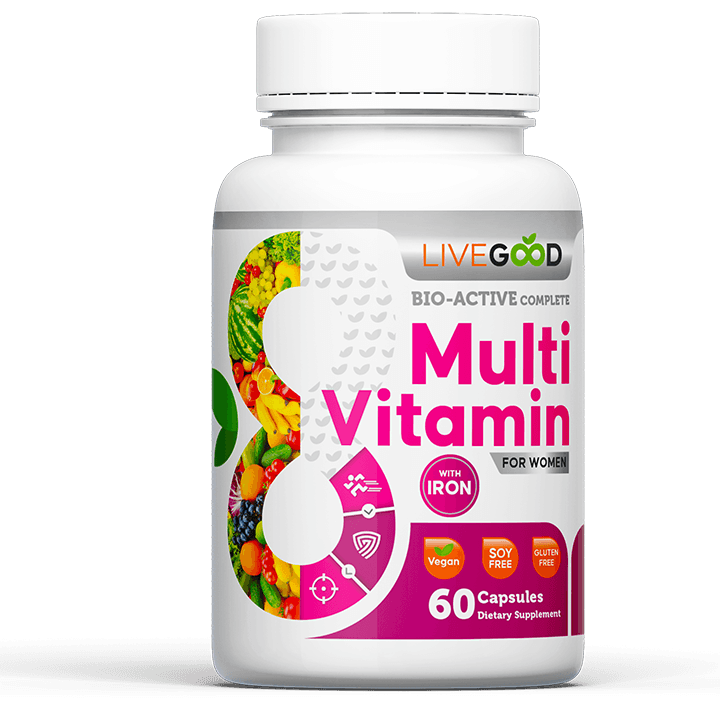
| Multivitamin for Men | $9.95 | $17.95 | Compare vitamin/mineral needs and overlap |
| Super Reds | $18.00 | $29.95 | Compare ingredients, taste, label, and cautions |
Affordable products can help the conversation, but products do not “sell themselves.” Affiliates still need to explain value clearly, answer questions honestly, and avoid making health or income claims that go too far.
A Practical Way to Build in Uncertain Times
A LiveGood business can be built slowly and practically. You do not need to promise huge results or pressure people. The better approach is to share useful information, compare products fairly, and invite interested people to review the model for themselves.
- Start by learning the membership and compensation plan.
- Pick one traffic method: blog, YouTube, social media, email, or paid ads if you understand the risks.
- Create helpful product and membership content.
- Track your clicks, conversations, signups, and customer retention.
- Follow up without pressure.
- Support new people with simple steps they can repeat.
This is a more realistic path than treating LiveGood like a shortcut. It may become a useful side-income project for some people, but it should be built with patience and clear expectations.
Why LiveGood May Fit the Future of Online Business
LiveGood combines three things many modern entrepreneurs look for:
- Affordable product positioning: wellness products with member pricing.
- A simple affiliate structure: clear costs and multiple income areas to compare.
- Online-friendly sharing: content, links, team training, and digital tools.
That can make it worth reviewing if you want a low-cost business option. It still requires the same fundamentals as any online business: trust, traffic, clear communication, and consistent follow-up.

Final Takeaway
LiveGood is not recession-proof, and no affiliate business can promise safety during uncertain times. A better way to view it is as a lower-cost home business option that may fit people who like wellness products, online marketing, and simple product education.
If you want to explore it, start with the free tour, review the current costs, understand the compensation plan, and decide whether the daily work fits your schedule and budget.
👉 Take your free LiveGood tour today and review the model before deciding.
Income disclaimer: Earnings are not guaranteed. Some affiliates may earn little or nothing. Only join with money you can afford to spend, and review the current compensation plan, fees, policies, and income disclosures first.