Mindful Nutrition for Beginners: A Practical Guide to Balanced Eating
A Practical Guide to Balanced Eating
Mindful nutrition sounds simple, but in real life it can feel surprisingly hard. Many of us eat while scrolling, standing, driving, answering messages, or rushing to the next task. Meals become something to “fit in” rather than something to experience. Over time, that rushed pattern can make it harder to notice hunger, satiety, portion size, and how certain foods actually make us feel.
That is where mindful nutrition can help. It is not about chasing a perfect diet, labeling foods as “good” or “bad,” or turning every meal into a wellness ritual. It is about becoming more aware of how you eat, what helps you feel nourished, and which daily habits make balanced eating easier to maintain.
In this guide, I will walk you through a practical, beginner-friendly approach to mindful nutrition: what it means, why it matters, how to build more balanced meals, how to eat more intentionally when life is busy, and where supplements may fit in without replacing food-first habits.
Last updated: May 2026
Written by Daniel Popa, founder of LiveGoodForLife.com. This content is for educational purposes only and is not medical advice.
What Is Mindful Nutrition?
Mindful nutrition is a practical way of eating that combines awareness, intention, and balance. Instead of eating on autopilot, you slow down enough to notice what your body is asking for, how hungry you actually are, and whether a meal leaves you feeling energized, heavy, satisfied, or still searching for something.
At its core, mindful nutrition includes a few simple ideas:
- paying attention to hunger and fullness cues
- reducing distractions during meals when possible
- choosing foods that support nourishment, satisfaction, and routine
- building meals around balance instead of extremes
- responding with flexibility rather than guilt when eating is less than ideal
This approach fits well with a bigger food-first mindset. If you are also trying to better understand the basics of nutrition, you may find it helpful to read my guides on understanding calories, carbohydrates, protein, and good vs bad fats.
Why Mindful Nutrition Matters
Many people think they need more discipline, more restriction, or a more advanced meal plan. In reality, they often need something much simpler: fewer distractions, more structure, and a better connection to what their body is already telling them.
Mindful nutrition matters because it can help you:
- eat more slowly and comfortably
- notice satisfaction before meals become overly large
- reduce stress-driven or convenience-driven eating
- feel more organized around meals and snacks
- make balanced choices without obsessing over every detail
It also supports a healthier relationship with food. Instead of swinging between “I’m being good” and “I’ve ruined the day,” you start focusing on patterns that are realistic enough to repeat.
Mindful nutrition is not about eating perfectly. It is about building meals and habits that feel supportive in everyday life.
Mindless Eating vs Mindful Eating
One of the easiest ways to understand mindful nutrition is to compare it with the opposite: mindless eating.
| Mindless eating | Mindful eating |
|---|---|
| Eating while distracted by screens or work | Giving at least part of the meal your attention |
| Eating quickly and barely tasting the food | Slowing down enough to notice taste, texture, and satisfaction |
| Eating from stress, habit, or convenience without checking in | Pausing to ask: Am I hungry, stressed, bored, or simply in a routine? |
| Feeling disconnected from portions and fullness | Noticing hunger and fullness cues more clearly |
| Seeing meals as another task to get through | Using meals as a chance to refuel and reset |
You do not need every meal to be perfectly quiet and intentional. Even one more mindful meal a day can help you notice patterns you were missing before.
The Foundation of a Balanced Mindful Meal
Mindful nutrition works best when your meals are not only slow and intentional, but also balanced enough to leave you feeling steady. A simple way to think about this is to build meals around:
- protein for satiety and muscle support
- fiber-rich carbohydrates for energy and fullness
- healthy fats for satisfaction and meal staying power
- vegetables or fruit for color, variety, and nutrient density
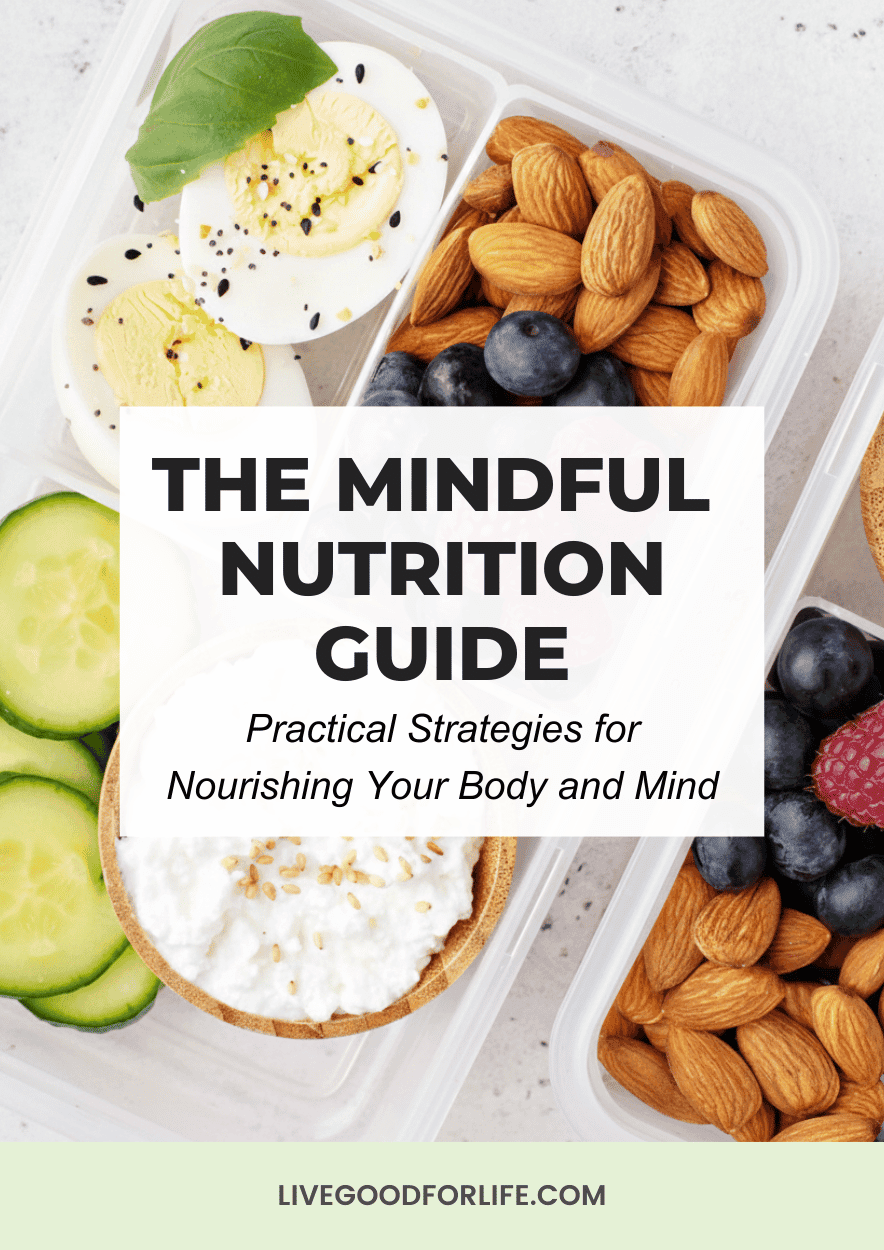
If you are not sure where to start, keep it simple. A balanced plate could look like grilled chicken, rice, and vegetables; Greek yogurt with berries, seeds, and oats; or eggs with wholegrain toast and avocado. Balanced does not have to mean complicated.
For a deeper dive into the building blocks of balanced meals, see my posts on why protein matters, high-protein food sources, carbohydrate functions and benefits, and how to understand fats more clearly.
7 Practical Mindful Eating Habits You Can Start This Week
1. Sit down to eat when you can
Standing at the fridge or eating in the car may seem harmless, but it often makes meals feel rushed and forgettable. Sitting down creates a natural pause and helps you pay more attention to the meal.
2. Slow your pace slightly
You do not need to count chews or turn lunch into meditation. Simply putting your fork down between bites, taking a breath, or chewing a little more thoroughly can make a big difference in how meals feel.
3. Reduce distractions for at least part of the meal
If every meal happens in front of a screen, start with one change: the first five minutes without scrolling. That alone can help you reconnect to taste, satisfaction, and pace.
4. Check in before you eat
Ask yourself: Am I physically hungry, emotionally drained, bored, or just following routine? There is no need to judge the answer. Awareness is the habit.
5. Build meals around support, not perfection
Some meals will be ideal. Others will be quick, repetitive, or assembled from what is available. Mindful nutrition is flexible enough to work with both.
6. Notice how foods make you feel
Try paying attention to energy, comfort, fullness, mood, and how long a meal keeps you satisfied. That information is often more useful than generic rules from social media.
7. Respond with kindness when meals go off track
Real life includes rushed lunches, takeaways, missed snacks, emotional days, and imperfect choices. Mindful nutrition gets stronger when you reset without turning one meal into a story about failure.
The Mind-Body Connection and Why Eating Environment Matters
How you eat affects the way meals feel. Stress, distractions, rushing, and multitasking can make it harder to feel satisfied and tuned in. A calmer meal environment often makes it easier to notice hunger, fullness, enjoyment, and comfort.
You do not need a perfect setup. A more supportive eating environment can be as simple as:
- putting food on a plate instead of eating from packaging
- taking one breath before the first bite
- clearing part of the table or workspace
- keeping your phone face down for a few minutes
- eating at a pace that lets satisfaction catch up
If your goal is not just “eat healthier” but also feel calmer and more consistent around food, these small changes often matter more than chasing an advanced meal system too early.
How to Build a More Mindful Kitchen
Mindful eating becomes much easier when your environment supports it. A mindful kitchen is not about owning fancy equipment or keeping a Pinterest-perfect fridge. It is about making supportive choices more visible, faster, and easier to repeat.
Here are a few practical upgrades that help:
- keep staple proteins, grains, and snacks easy to see
- store washed fruit or cut vegetables at eye level
- use clear containers when possible
- keep go-to ingredients for quick meals on hand
- move less helpful convenience foods out of immediate reach
This is also where meal prep can quietly support mindful nutrition. You do not need a fridge full of identical containers. Even prepping one protein, one grain, and a few chopped vegetables can make balanced meals easier all week.
If you want another practical resource on this side of things, my guides hub and recipe content can help you build more structure without overcomplicating your routine.
A Simple Mindful Nutrition Shopping List
If grocery shopping feels overwhelming, use broad categories instead of trying to plan every detail in advance.
- Vegetables and fruit: leafy greens, berries, carrots, peppers, cucumbers, seasonal fruit
- Proteins: eggs, Greek yogurt, chicken, fish, tofu, beans, lentils
- Carbohydrates: oats, brown rice, potatoes, wholegrain pasta, quinoa, wraps
- Healthy fats: nuts, seeds, avocado, olive oil, nut butter
- Support items: herbs, spices, hummus, herbal tea, simple sauces or dressings
That combination gives you enough flexibility to create breakfasts, lunches, dinners, and snacks without feeling boxed into a rigid plan.
Mindful Eating on Busy Days
Busy days are where good intentions usually collapse. That is why mindful nutrition should include a plan for imperfect conditions, not just ideal ones.
On hectic days, aim for “supportive enough” instead of “ideal.” That may mean:
- keeping a protein-rich snack in your bag
- choosing the more balanced option at a café or supermarket meal deal
- eating a simple meal before you get overly hungry
- drinking water regularly so thirst does not get confused with hunger
- slowing down for the first few bites even if the meal itself is quick
Mindful eating on the go is not about never eating convenience food. It is about making slightly better choices more often and staying connected to how those choices leave you feeling.
Where Supplements Fit Into Mindful Nutrition
Food should stay the foundation. Supplements are not a shortcut around balanced meals, and they work best when they support a routine that is already moving in the right direction.
That said, some people do want extra support for areas like protein intake, omega-3s, daily nutrient coverage, digestion, or hydration. If that is you, the most helpful approach is to stay label-aware and need-aware rather than buying based on hype.
These pages may help if you want to go deeper:
- Supplement Education Hub
- How to Read Supplement Labels and Spot Fairy Dusting
- How We Evaluate Supplements
- Supplement Reviews Hub
- Supplement Savings Calculator
If you are researching specific categories that naturally connect with mindful nutrition, you may also want to read about probiotic support and fish oil and omega-3s.
Common Mistakes Beginners Make With Mindful Nutrition
- Trying to do too much at once. Start with one or two habits, not a total overhaul.
- Turning mindful eating into another form of food pressure. This should make meals feel calmer, not more stressful.
- Expecting perfection. Progress comes from repetition and reset, not flawless execution.
- Ignoring meal balance. Mindfulness is easier when meals are satisfying enough to begin with.
- Waiting for motivation. Environment and routine usually matter more than motivation alone.
3 Beginner-Friendly Mindful Nutrition Practices to Try Today
Pause before meals
Take one slow breath before eating. That small pause helps shift the meal from autopilot into awareness.
Do a body check-in halfway through
Halfway through a meal, ask yourself: Am I still hungry, comfortably satisfied, or already full? You are not required to stop. The goal is simply to notice.
Use a gentle evening review
At the end of the day, think about one meal that felt good and one moment that felt rushed or disconnected. This builds awareness without obsessing over every bite.
Long-Term Success Comes From Sustainable Habits
The most useful thing about mindful nutrition is that it can grow with your life. It works when you are highly motivated, but it also works on ordinary, messy, low-energy days because it is based on awareness and consistency rather than extremes.
Sustainable habits often look like this:
- eating breakfast more regularly because it helps your energy
- keeping simple lunch ingredients ready so you skip fewer meals
- building one or two dependable dinner templates for busy evenings
- choosing portions based on comfort and satisfaction instead of all-or-nothing rules
- returning to your routine quickly after holidays, weekends, or stressful days
That is the real goal: not rigid control, but a pattern you can come back to again and again.
Download the Mindful Nutrition Guide
If you want a printable, beginner-friendly version of these ideas, download the Mindful Nutrition Guide. It covers practical mindful eating habits, balanced meal ideas, shopping list inspiration, and simple strategies you can use right away.
Want the Mindful Nutrition PDF Guide?
Visit the full Mindful Nutrition Guide page to learn more and download the free PDF version for easy reading.
View the Guide & Download the PDFFinal Thoughts
Mindful nutrition does not ask you to become perfect, hyper-disciplined, or overly focused on food. It asks you to become more aware. That awareness can change a lot: how you pace meals, what foods leave you feeling your best, how you recover from off days, and how you build routines that genuinely support your health.
Start small. Sit down for one meal. Slow down your pace. Build a more balanced plate. Keep one or two supportive foods ready. Notice what works. Repeat what helps. That is how mindful nutrition becomes real life instead of just another idea.
And if you want to keep learning, start here:
Helpful External Resources
- NHS guide to eating a balanced diet
- MedlinePlus nutrition basics
- American Heart Association healthy eating overview

Frequently Asked Questions
What is the difference between mindful eating and dieting?
Dieting usually focuses on rules, restriction, or targets. Mindful eating focuses more on awareness, satisfaction, patterns, and building a more supportive relationship with food.
Can mindful nutrition help with overeating?
For many people, it can help by improving awareness of pace, fullness, routine, and emotional triggers. It is not a quick fix, but it can support more consistent eating habits over time.
Do I need to meal prep to eat mindfully?
No. But some light planning can make mindful choices easier, especially on busy days. Even prepping one protein, one carbohydrate source, and a few ready-to-use ingredients can help.
Where do supplements fit into a mindful nutrition routine?
Supplements should support a solid food-first routine, not replace it. Start with balanced meals and basic habits first, then use label-aware supplement choices where they make sense for your situation.