Macros and Calories Explained: A Beginner-Friendly Guide to Eating With More Confidence
How to Eat Better Without Getting Lost in Numbers
One minute you are just trying to make better food choices. The next minute you are hearing that you need to count calories, hit exact macros, weigh your chicken raw, avoid carbs at night, eat more protein, lower fat, and somehow still enjoy your meals while doing all of it perfectly.
No wonder so many people end up frustrated.
Some people give up before they even begin because it feels too technical. Others try tracking for a few days, get overwhelmed, and stop. And many people keep eating in a way that leaves them tired, hungry, snacky, and confused simply because nobody ever explained the basics clearly.
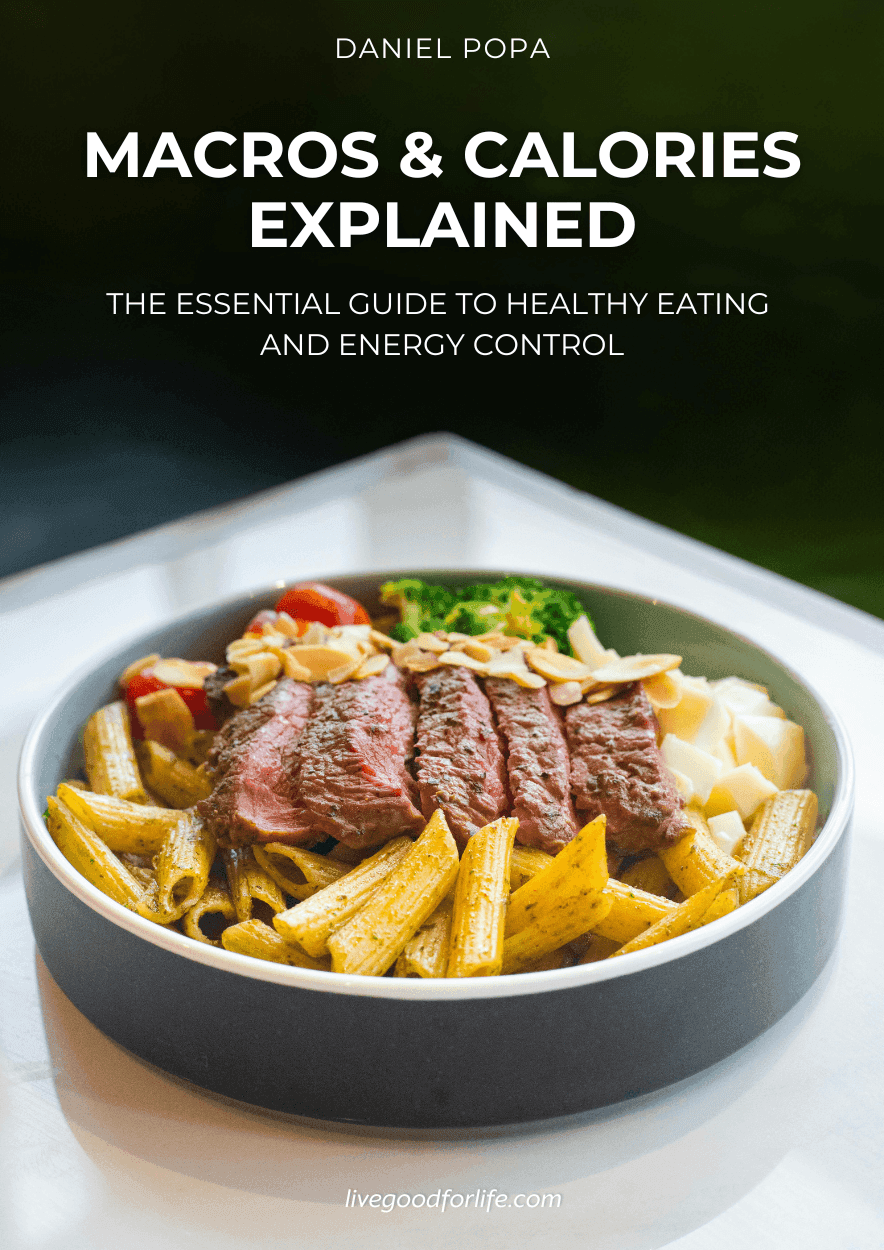
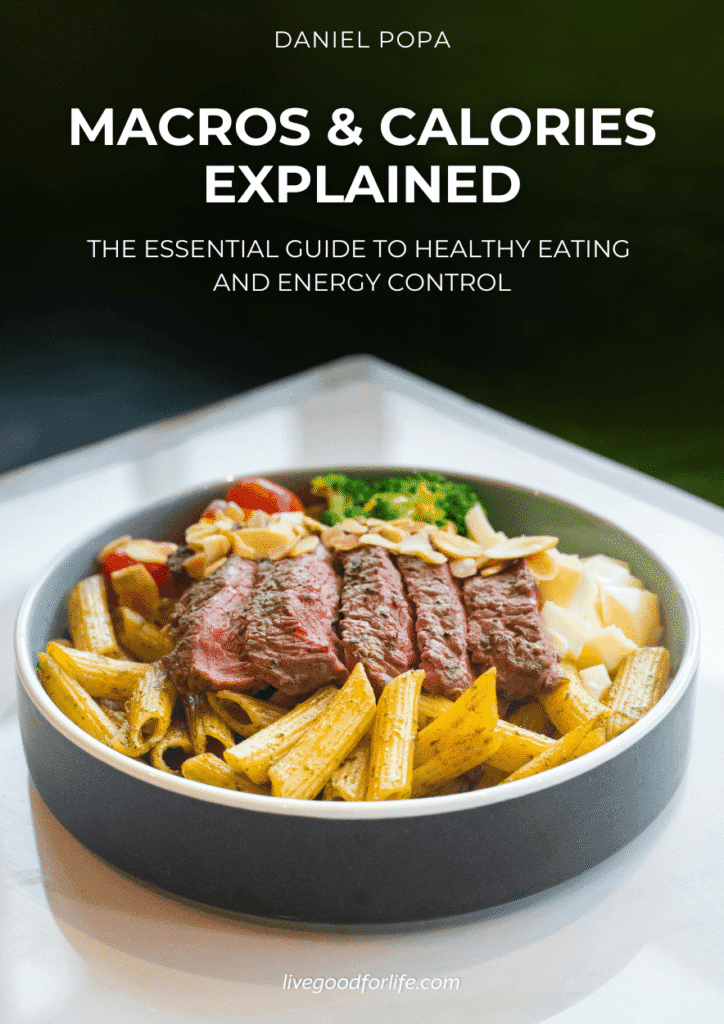
That is exactly why I created Macros & Calories Explained — a simple, beginner-friendly guide to help make healthy eating and energy balance feel clearer in real life.
If you want a practical version you can save and come back to, start with the guide below.
Why So Many People Feel Confused About Macros and Calories
Most people are not confused because they are lazy or incapable. They are confused because nutrition advice is often delivered in pieces, without context.
- One person says calories are everything.
- Another says macros matter more.
- Someone else says carbs are the problem.
- Another says fat is too high.
- Fitness apps throw out numbers without explaining what they mean.
- Social media makes healthy eating look far more complicated than it needs to be.
The result is that people often end up with half-understood advice and full-sized frustration.
You may know you should eat more protein, but not how much. You may know calories matter, but not whether you really need to track them. You may hear about “hitting macros,” but have no clue how that applies to your own meals, routine, or goals.
That is why getting the basics straight matters so much.
What Are Macros?
Macros, or macronutrients, are the three main nutrient groups your body needs in larger amounts: protein, carbohydrates, and fats. They provide energy and support everything from muscle repair and digestion to hormone production and normal daily function. The PDF explains them as the primary nutrients your body requires in substantial amounts for growth, metabolism, and maintenance.
That sounds technical, but in practical terms it means this:
- Protein helps with repair, satiety, and muscle support.
- Carbohydrates help fuel your body and daily activity.
- Fats help with satisfaction, hormones, and nutrient absorption.
If one of these is consistently too low, too random, or missing from meals, eating tends to feel harder. Hunger becomes less predictable. Energy feels more unstable. Cravings can increase. Meals become less satisfying.
Why Calories Matter Too
Calories are simply a measure of energy. Food gives your body energy, and calories are the unit used to describe how much. The guide explains calories as the fuel your body needs for daily functions such as breathing, digesting food, and physical activity.
This is where people often get stuck. They hear “all calories count,” then hear “not all calories are equal,” and assume one of those statements must be false.
But both ideas matter:
- Total calories matter for body weight and energy balance.
- Food quality and macro balance matter for how full, nourished, and supported you feel.
So yes, calories matter. But calories alone do not tell the full story of whether a meal is satisfying, protein-supportive, fibre-rich, or helpful for your routine.
The Real-Life Problems People Run Into When They Don’t Understand Macros
This is where the confusion becomes practical.
- You try to “eat healthy” but still feel hungry all the time.
- You snack constantly because meals are not satisfying enough.
- You think you are eating enough protein, but when you check, you are nowhere near it.
- You cut carbs too aggressively and wonder why your energy crashes.
- You fear fats, then end up with bland meals that never feel satisfying.
- You focus on calories only, but your food quality stays poor.
- You try tracking for fat loss or muscle gain, but the numbers feel impossible to understand.
These are exactly the kinds of gaps this guide helps close. It breaks protein, carbohydrates, fats, calories, macro quality, tracking, meal building, and practical cheat sheets into simpler pieces.
Protein, Carbs, and Fats: What Each One Actually Does
Protein
The PDF highlights protein’s roles in structural support, enzymes, transport, immune function, and hormonal regulation. It also explains that protein needs vary by age, sex, activity, and goals.
In simpler terms, protein is one of the biggest game-changers for people who want meals to feel more satisfying and supportive. It is especially important if your goals include better fullness, muscle maintenance, or building a more balanced plate.
You may also like:
Carbohydrates
The guide explains that carbohydrates are the body’s primary energy source and are especially important for the brain, muscles, and day-to-day activity. It also distinguishes simple carbs from more complex, fibre-rich choices.
Carbs are not automatically the problem. Poor carb choices, chaotic meal structure, or unbalanced eating can be the problem. But carbs themselves are a normal and useful part of healthy eating.
Related reading:
Fats
According to the PDF, fats support energy storage, nutrient absorption, cellular structure, and hormone production. It also emphasizes focusing more on healthier unsaturated fat sources rather than processed, lower-quality options.
Fat is another area where people often get confused. Too little fat can make meals feel unsatisfying. Too much of the wrong kind can worsen nutritional quality. The answer is not fear — it is understanding.
Macro Quality Matters Too
One of the strongest points in the PDF is that macro quality is not just about numbers. Hitting calorie and macro targets is only half the story. The quality of the foods you choose affects energy, recovery, satiety, and long-term health.
This is such an important point because it is where many beginners go wrong. They hear “protein” and think processed protein bars. They hear “carbs” and think all carbs are the same. They hear “fat” and either overdo it or avoid it.
But food quality changes everything.
- Lean proteins tend to support fuller, more balanced meals.
- Whole-food carbohydrates usually bring more fibre and steadier energy.
- Healthy fats often leave meals more satisfying and nutritionally complete.
If you are also trying to understand labels better, this will help:
What’s Inside the Macros & Calories Explained Guide
This PDF was made to turn nutrition confusion into something more practical and manageable. Inside, it covers:
- macro basics
- protein, carbs, and fats explained
- macro quality and healthier swaps
- protein, carbohydrate, and fat cheat sheets
- cooked vs raw food tracking
- how to build a balanced meal
- macro timing and performance basics
- calories explained simply
- counting macros vs counting calories
- how to calculate calorie and macro needs
- how to use tracking apps like MyFitnessPal
- simple macro tracking tips
It was designed to make everyday eating feel clearer, more balanced, and easier to manage in real life.
Do You Need to Count Macros or Just Calories?
The PDF includes a useful comparison between counting macros and counting calories. The core takeaway is not that one is always right and the other is always wrong — it is that they help in different ways. Counting macros often gives more control over appetite, food quality, and body composition goals, while calorie counting can still be useful for body weight changes.
For most beginners, the better question is not “Which method is superior?” but:
- What is my goal?
- How much detail can I realistically handle?
- Do I need exact tracking, or just better awareness?
Sometimes simply learning what protein, carbs, fats, and calories actually mean is enough to improve eating habits without becoming obsessive.
Why Meal Building Is Often Easier Than Tracking Everything Perfectly
One of the most useful pages in the PDF is the balanced meal section: vegetables, a protein source, a carbohydrate source, and some healthy fat. That simple structure often helps people more than trying to hit perfect numbers from day one.
Because when people feel overwhelmed, they usually do not need more complexity. They need a repeatable template.
- Half the plate vegetables
- About a quarter protein
- About a quarter carbohydrates
- A sensible amount of healthy fat
That type of structure helps reduce decision fatigue and makes better eating feel more realistic.
Common Beginner Mistakes With Macros and Calories
- Focusing on numbers but ignoring food quality.
- Undereating protein.
- Cutting carbs too hard and feeling awful.
- Fearing fats instead of choosing better fat sources.
- Trying to track perfectly from day one.
- Getting discouraged by cooked vs raw food differences.
- Thinking one off-plan meal ruins everything.
The guide helps simplify many of these sticking points, including cooked vs raw tracking and the idea that consistency matters more than perfection.
Where Supplements May Fit In
The PDF takes a balanced approach here too. It mentions optional support suggestions where they naturally fit, but makes clear they are meant to support a balanced diet, not replace real food. It also notes that a protein powder can be practical if whole-food protein is hard to hit consistently.
That is the right mindset. Food first. Support where it genuinely helps.
If you want to explore that side more carefully, these pages may help:
- Supplement Education Hub
- Supplement Reviews Hub
- Supplement Savings Calculator
- Probiotic Gut Support
- Fish Oil Benefits
Final Thoughts: Nutrition Gets Easier When the Basics Finally Click
If macros and calories have been making your head spin, that does not mean you are bad at nutrition. It usually just means nobody has explained it to you in a simple enough way yet.
You do not need to become obsessed with numbers to benefit from understanding them. For most people, even a basic grasp of protein, carbs, fats, calories, meal balance, and food quality can make everyday eating feel much more manageable.
That is why this guide exists.
If you want a simple place to start, download Macros & Calories Explained and use it as your practical reference point.
Helpful External Resources
- NHS: How to Eat a Balanced Diet
- MedlinePlus: Nutrition Basics
- American Heart Association: Healthy Eating
Frequently Asked Questions
What are macros in simple terms?
Macros are the three main nutrients your body uses in larger amounts: protein, carbohydrates, and fats.
Do I need to track macros to eat well?
No. Some people benefit from tracking, especially for specific goals, but many people improve simply by understanding the basics and building more balanced meals.
Are calories and macros both important?
Yes. Calories matter for overall energy balance, while macros help shape meal quality, satiety, and how your eating pattern supports your goals.
What is the easiest place to start?
Start by learning what protein, carbs, fats, and calories actually do, then use a simple meal-building approach instead of chasing perfection. The Macros & Calories Explained guide is designed for exactly that starting point.
Last updated: March 2026
Disclosure: This page may contain affiliate links. If you purchase through certain links, I may earn a commission at no extra cost to you.
Written by Daniel Popa, founder of LiveGoodForLife.com. This content is for educational purposes only and is not medical advice.