What Is Emotional Eating? Signs, Examples & Common Patterns (Lesson 1)
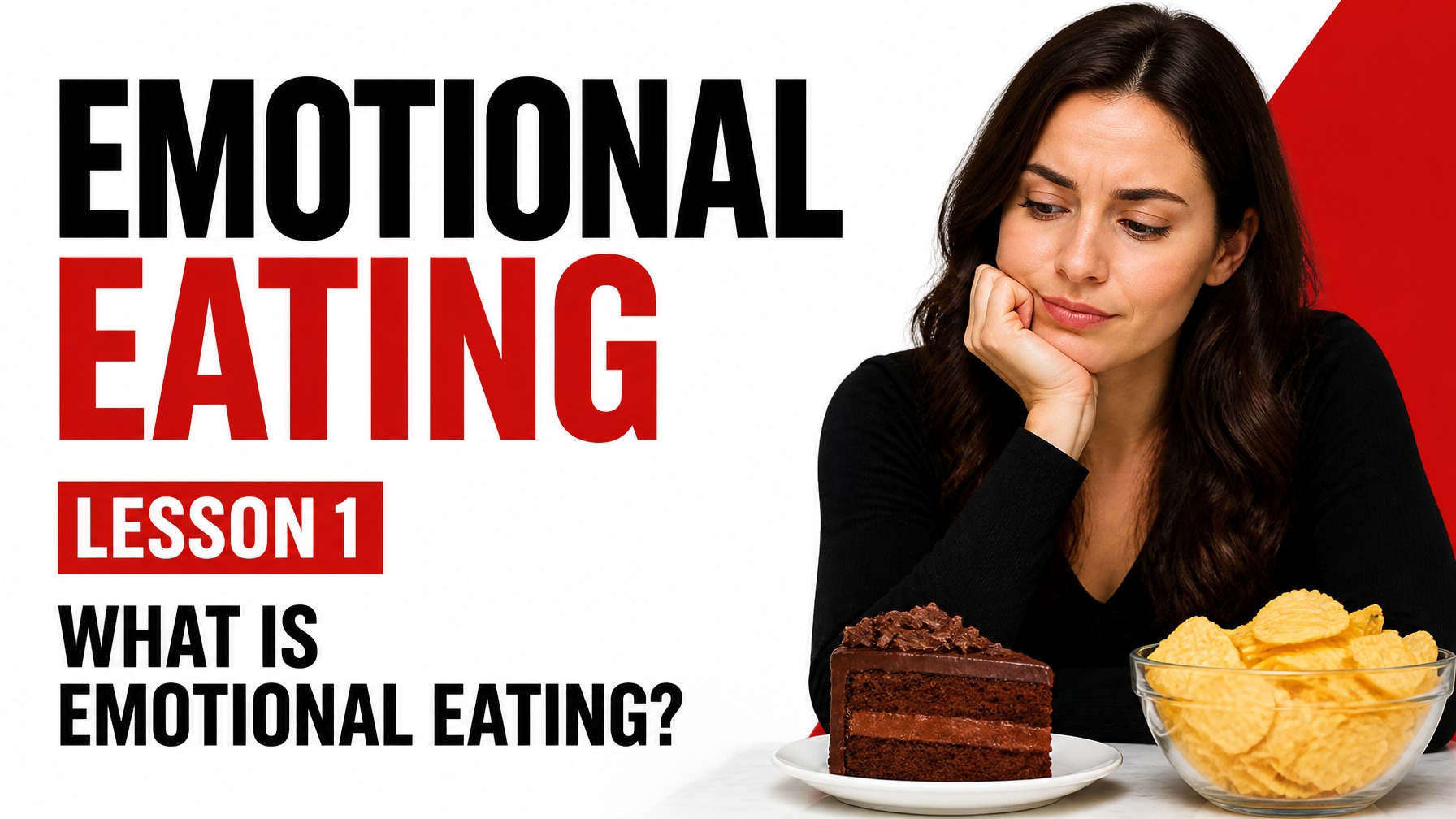
Have you ever reached for a snack after a stressful day, even though you were not physically hungry? Food can sometimes feel comforting when emotions are difficult to manage. In Lesson 1 of our free Emotional Eating course, we explore what emotional eating means, how it can show up, and why recognising these patterns is a helpful starting point.
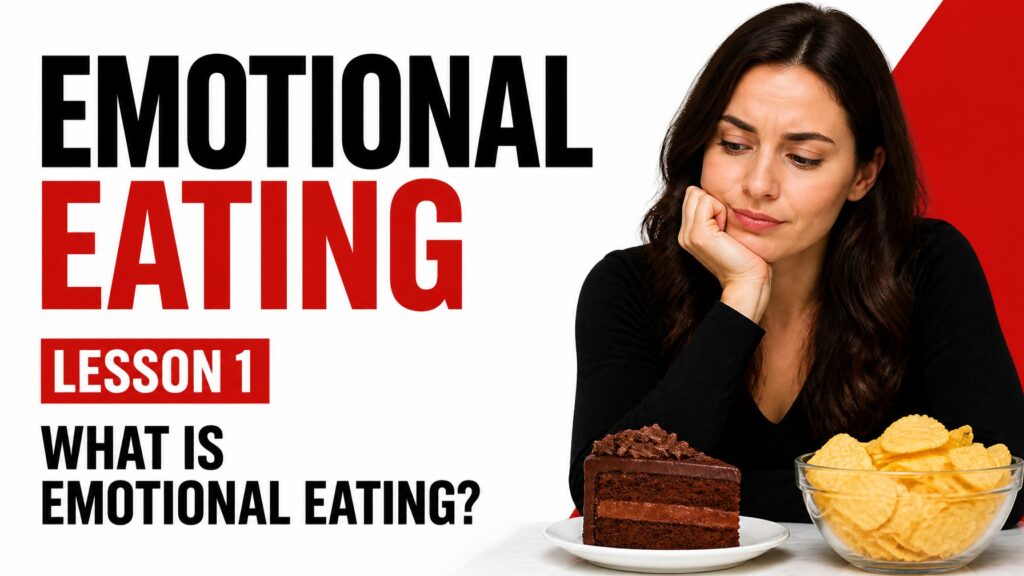
This article accompanies the video “What Is Emotional Eating?” from our Mindful Eating and Nutrition: Overcoming Emotional Eating course.
Quick answer: Emotional eating means eating in response to feelings—such as stress, sadness, boredom or loneliness—rather than mainly to satisfy physical hunger. It may involve craving comfort foods, eating when not hungry, or feeling guilty afterwards. Eating for comfort is not automatically a problem; noticing repeated patterns can help you decide whether extra support would be useful.
Watch Lesson 1: What Is Emotional Eating?
The short lesson introduces several common patterns, including reaching for comfort foods, eating without physical hunger, using food to soothe difficult feelings, and experiencing guilt after eating.
What Is Emotional Eating?
Emotional eating is eating influenced by feelings rather than physical hunger alone. Different emotions can prompt the desire to eat. A person might look for a familiar food when stressed, sad, bored or overwhelmed, even when their body is not asking for energy.
The lesson explains that food may provide a sense of comfort or distraction for a short time. That experience is understandable, but the feelings that prompted it may still be there afterwards.
Examples of Emotional Eating Covered in the Video
Reaching for Comfort Foods
The video describes how people may turn to foods that feel especially comforting, including sweet or rich foods, when difficult feelings arise. The specific food is not the problem by itself; what matters is recognising the circumstances and reasons behind the choice.
Eating Without Physical Hunger
Sometimes the urge to eat appears even when there are no clear signs of physical hunger. Noticing when that happens can help distinguish an emotional urge from the body’s need for food.
Using Food to Numb Uncomfortable Feelings
Eating may temporarily distract someone from unpleasant emotions. The video introduces this as one way food can become connected with emotional coping.
Feeling Guilty After Eating
The lesson also mentions guilt or shame that can follow an episode of emotional eating. Those feelings are worth approaching with curiosity and compassion rather than criticism.
Emotional Hunger and Physical Hunger: What Is the Difference?
The lesson highlights eating when physical hunger is absent. As a general way to reflect on your experience, you might ask yourself whether you notice bodily hunger cues or whether the urge to eat appeared alongside a particular feeling or situation. These signals are not always clear-cut, and eating for enjoyment or comfort is not automatically unhealthy.
Why Recognising Emotional Eating Matters
Awareness is the first step in understanding a pattern. Before trying to change an eating habit, it can be useful to notice what happened beforehand, how you felt and what you hoped eating would provide. This is a reflective approach, not a diagnosis or a rule that you must avoid particular foods.
The video closes by introducing emotional eating triggers, a theme to explore as you continue through the course.
Emotional Eating vs Physical Hunger: A Quick Comparison
The two experiences can overlap, and there is no perfect test. This comparison is a practical reflection tool rather than a diagnostic checklist.
| Physical hunger | Emotion-led urge to eat |
|---|---|
| Often builds gradually, although this varies. | May feel sudden, especially after an upsetting event. |
| A range of foods might sound satisfying. | A familiar or particular comfort food may feel appealing. |
| May come with body signals such as an empty feeling or low energy. | May appear alongside worry, boredom or a wish for distraction. |
| Satisfaction often changes as you eat. | The original feeling may still be present after eating. |
These descriptions are tendencies, not rules. Emotional hunger can occur at the same time as genuine physical hunger. If you have been skipping meals, sleeping poorly or under stress, your appetite can be harder to interpret. You do not need to prove that you are hungry to deserve food.
What Can Trigger Emotional Eating?
Lesson 1 introduces the idea of triggers without teaching every possible cause. For context, UK dietetic guidance describes a range of situations that can influence eating. Not everyone reacts to these situations in the same way, and emotional eating can be prompted by positive emotions as well as difficult ones.
- Stress and pressure: a demanding workday or an argument may make familiar foods feel reassuring.
- Boredom or loneliness: eating can become an activity or an opportunity for distraction.
- Sadness or frustration: a favourite food may offer temporary comfort when emotions feel difficult.
- Celebration and reward: food is also linked to happy memories, family traditions and social occasions.
- Habit and environment: a familiar time, place or routine may prompt eating even when hunger is not the main factor.
A trigger is not proof that something is wrong. It is simply a clue about what tends to happen before an urge to eat. Noticing those clues can help you understand your own pattern without placing blame on yourself.
A Gentle Five-Step Check-In
If you want to explore an eating pattern, try this optional reflection exercise. It is not a treatment plan, and it should not be used to deny yourself food or ignore hunger.
- Notice the moment. What was happening just before you thought about food?
- Name the feeling. Are you tired, anxious, lonely, frustrated, happy or simply hungry?
- Check your body. Is there a sign of physical hunger, and when did you last eat?
- Consider your needs. Food may be appropriate. You might also need rest, company, reassurance or a break.
- Respond without judgement. Whether you choose to eat or do something else, reflect on how you feel afterwards.
For example, someone arriving home after a difficult day might immediately want biscuits. Pausing briefly could reveal both hunger from a missed afternoon meal and a wish for comfort. A satisfying snack and a chance to unwind may address both needs better than strict food rules.
Why Shame and Restrictive Rules Can Make Things Harder
The video mentions guilt after eating. Guilt can make it harder to respond calmly to the next eating decision, particularly if a person tries to compensate by skipping meals or imposing rigid food restrictions. Rather than labelling a food choice as a failure, it may be more useful to ask what needs were present at the time.
For people with binge eating difficulties, restrictive dieting may reinforce a cycle of hunger and loss of control. Guidance from the NHS and the Royal College of Psychiatrists emphasises getting appropriate support rather than relying on self-imposed restrictions. Emotional eating alone is not the same as an eating disorder, but persistent distress deserves attention.
When Should You Ask for Professional Help?
Consider speaking with your GP or a qualified eating-disorder professional if eating frequently feels out of control, causes significant distress, involves secrecy or shame, or is followed by compensatory behaviours. A clinician can help distinguish ordinary emotional eating from difficulties that need more specific care. You do not need to wait until symptoms become severe before asking for help.
For reliable UK guidance, see the NHS information on binge eating disorder and the British Dietetic Association’s guide to emotional eating. These are additional resources, not material covered in full by the Lesson 1 video.
Continue the Free Emotional Eating Course
Watch the Full Emotional Eating Playlist
Follow the introduction and course lessons in one place on YouTube. Start with the overview or continue to the next available lesson.
Start with the Course Introduction
New to this series? Read the course overview to see how mindful eating, emotional triggers, balanced nutrition and supportive habits fit together.
Explore More Free Nutrition Guides
Browse our collection of free educational guides about nutrition, healthy eating and everyday wellbeing.
Frequently Asked Questions
What is emotional eating?
Emotional eating means eating in response to feelings rather than physical hunger alone. It can involve using food for comfort, distraction or temporary relief from uncomfortable emotions.
What are common signs of emotional eating?
Examples include wanting food after a stressful moment, eating despite not feeling physically hungry, seeking a particular comfort food and sometimes feeling guilt afterwards. These signs alone do not diagnose an eating disorder.
What is the difference between emotional hunger and physical hunger?
Physical hunger often develops alongside body cues and may be satisfied by different foods. Emotion-led urges may arise after a particular feeling and focus on a familiar comfort food. They can overlap, so the distinction is not always clear.
Can stress or boredom trigger emotional eating?
Yes. Stress, boredom, sadness and loneliness may influence food choices, although not everyone responds in the same way. Positive emotions and celebrations can also be linked to eating.
Is emotional eating the same as binge eating disorder?
No. Emotional eating can happen without an eating disorder. Binge eating disorder involves recurrent episodes of eating with a sense of loss of control and associated distress, and should be assessed by a qualified professional.
Is eating comfort food always unhealthy?
No. Enjoying food for pleasure, celebration or comfort is a normal part of life. What matters is whether eating patterns regularly cause distress or interfere with your wellbeing.
Can mindful eating help me recognise emotional eating?
Paying attention to hunger cues, emotions and eating situations may help you notice patterns. Mindful eating is an awareness practice, not a requirement to eat less or avoid favourite foods.
What can I do when I notice an urge to eat because of emotions?
You can pause to identify the feeling, check whether you are also hungry, and consider what you need. Eating may still be a reasonable choice. Aim for curiosity rather than criticism or rigid rules.
When should I seek help for emotional eating?
Seek professional support if eating regularly feels out of control, causes distress or involves compensatory behaviours or significant restriction. A GP or qualified specialist can help you find suitable care.
Watch Lesson 1 and Keep Learning
If you are beginning to explore the connection between food and feelings, start with the video above, then follow the course playlist for the next lesson. Aim for awareness and understanding, not perfection.
Educational and affiliate disclosure: This article and video are provided for general education, not personalised medical, dietetic or mental health advice. If eating behaviours cause significant distress, involve loss of control or restriction, or affect your health, seek guidance from a qualified healthcare professional. Some pages on this website may contain affiliate links, through which we may earn a commission at no extra cost to you. You do not need to buy anything to access this lesson.