Hard-Boiled Egg Snack Prep: Ways to Make it Delicious

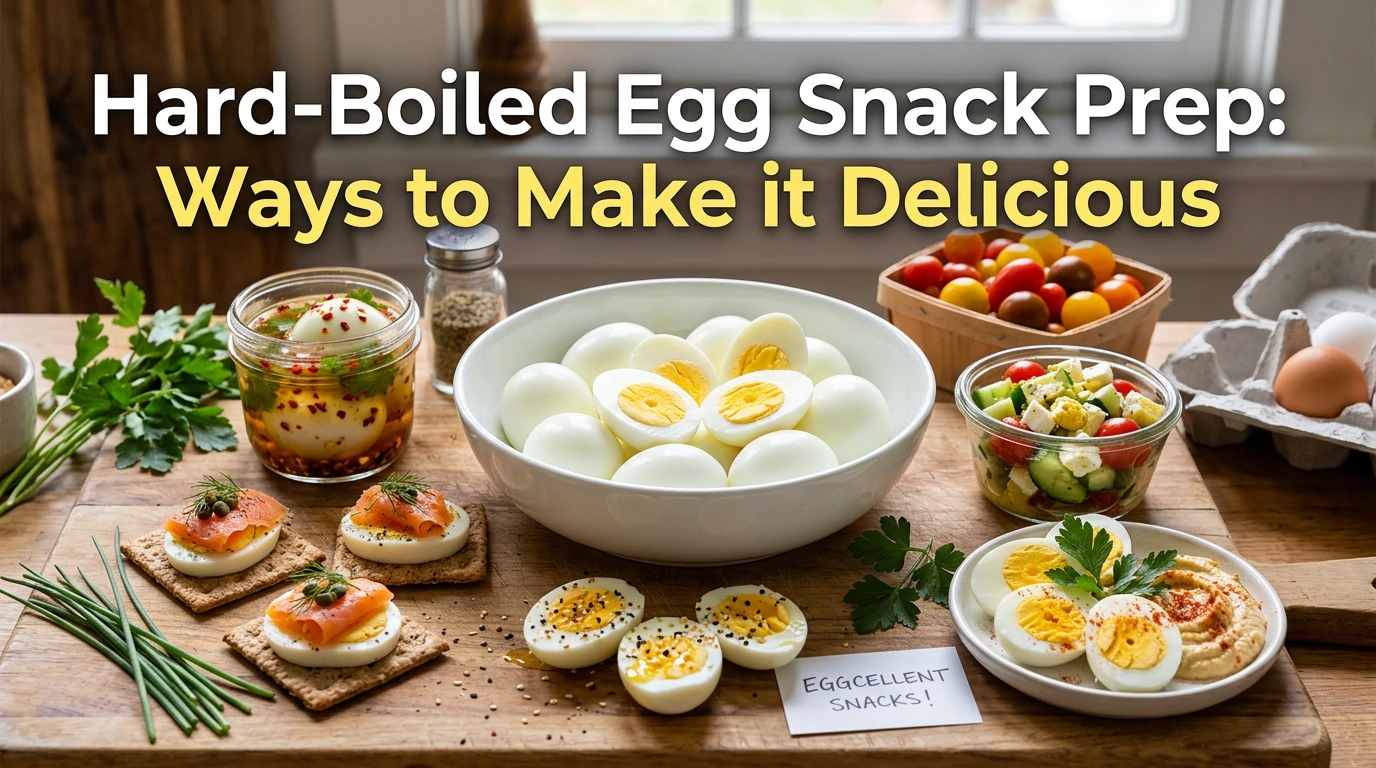
Discover the versatility of the humble hard-boiled egg as a fantastic snack option. We’ll explore various ways to make hard-boiled eggs a delicious and satisfying part of your meal plan. From simple seasonings to creative recipes, we’ll show you how to elevate this high-protein snack into a culinary delight. Whether you’re looking for quick snack ideas or want to meal prep for the week, hard-boiled eggs are a perfect choice.
Introduction to Hard-Boiled Egg Snacks
Why Choose Hard-Boiled Eggs as a Snack?
Hard-boiled eggs are a nutritional powerhouse, making them an excellent choice for a snack. Packed with protein, each hard-boiled egg offers approximately 6 grams of protein, essential for muscle repair and satiety.
As a high-protein snack, they help keep you feeling full and satisfied, reducing the urge to reach for unhealthy options. You can easily incorporate hard-boiled eggs into your daily routine for a quick and nutritious boost. These are a great paleo option too!
Benefits of Meal Prep with Boiled Eggs
Meal prep with boiled eggs offers numerous advantages for those seeking a healthy and efficient lifestyle. By boiling eggs for the week, you ensure a supply of hardboiled eggs that are easy to peel. readily available high-protein snack that supports your dietary goals.
Preparing hard-boiled eggs in advance saves time and effort during busy weekdays, making it easier to stick to your meal plan. Consider making a batch of deviled eggs or egg salad for variety. With effective meal prep, you will be able to prep efficiently.
Overview of Cooking Methods
Mastering the art of how to boil eggs is key to enjoying perfect hard-boiled eggs every time. There are several cooking methods to consider, each with its unique approach to achieving the ideal yolk consistency and easy-to-peel shell.
From the traditional method of placing the eggs in boiling water to methods involving steaming or starting with cold water, understanding these techniques will enhance your cooking experience. Experiment to find what works best for you, but do not soft boil!
Creative Ways to Make Boiled Eggs Delicious
Flavorful Seasonings and Spices
Here are some ways to elevate your hard-boiled egg snack with flavorful additions. Try these options:
- Sea salt and freshly ground salt and pepper for a classic taste.
- A dash of paprika, chili powder, or garlic powder to enhance the yolk’s natural richness.
- Cayenne pepper or even some sesame for an added kick.
The ways to make boiled eggs exciting are endless, and these additions are very easy recipes.
Incorporating Herbs and Greens
Here are some ways to further elevate your hard-boiled egg experience. Consider incorporating fresh herbs and greens for added flavor and nutrients. You can try options such as:
- Finely chopped herbs like chives, parsley, or dill, sprinkled over your hardboiled eggs, enhance the flavor.
- Adding the hard-boiled egg to a bed of spinach or arugula for a nutritious snack.
These additions not only add flavor but also boost the nutritional value of your high-protein snack. Experiment with different herb and green combinations to discover your favorite flavor pairings and create new recipes.
Pairing with Dips and Sauces
Here’s how you can make hard-boiled eggs more exciting: pair them with various dips and sauces. There are many options to choose from, including:
- Creamy and healthy dips, such as avocado or Greek yogurt.
- Flavorful homemade deviled eggs, incorporating ingredients like mayonnaise, mustard, and spices.
Explore new recipes and combinations to find your perfect match. These easy recipes will boost your meal plan and are great to prep for a high-protein boost!
Hard-Boiled Egg Recipes for Snacks
Classic Deviled Eggs
Classic deviled eggs are an excellent choice for a high-protein snack and are a satisfying snack. These easy recipes transform hard-boiled eggs into a savory treat. Start by learning how to boil the eggs perfectly, ensuring the yolk is fully cooked but still creamy.
After peeling the eggs, slice them in half and carefully scoop out the yolks. Mix the yolks with mayonnaise, mustard, salt and pepper, and a dash of paprika for that classic flavor. For a paleo friendly option, use avocado as a substitute.
Finally, spoon the mixture back into the egg whites and sprinkle with paprika. Deviled eggs are great for meal prep and can be stored in the refrigerator for several days. These new recipes are a great way to enjoy this snack.
Egg Salad Variations
Egg salad is another versatile option to make boiled eggs more exciting. Begin by peeling the eggs and chopping them into small pieces. Combine the chopped hard-boiled egg with mayonnaise, celery, onion, and your choice of seasonings such as salt and pepper.
For a healthier twist, substitute some of the mayonnaise with Greek yogurt or avocado. You can also add ingredients like diced pickles or fresh herbs for added flavor. For a light snack, try serving the egg salad on lettuce wraps or whole-grain crackers. Consider adding sesame or cottage cheese. These easy recipes are great for a quick, high-protein snack, and are perfect to prep for the week.
Stuffed Eggs with Unique Fillings
Stuffed eggs offer a creative way to elevate your hard-boiled egg snack game. Instead of the traditional deviled egg filling, experiment with unique ingredients and flavor combinations.
Try making a pesto-stuffed egg by mixing the yolks with pesto, pine nuts, and Parmesan cheese. Or, create a spicy version with a mixture of avocado, sriracha, and lime juice. Smoked salmon and cream cheese make a sophisticated filling, while black bean salsa adds a southwestern flair.
These variations will transform your hard-boiled egg into an exciting high-protein snack. This is a great way to enjoy a satisfying snack with exciting new recipes. If you do not want to use the fat from avocado, you can use cottage cheese.
Using Leftover Hard-Boiled Eggs
Creative Leftover Snack Ideas
Finding creative snack ideas for leftover hard-boiled eggs can transform them into exciting treats. Instead of just eating them plain, consider slicing the hard-boiled egg and adding them to salads or using them as a protein boost in wraps.
Another satisfying snack idea is to mash the boiled egg with avocado and spread it on toast for a quick and nutritious meal. These simple ways to make boiled eggs more appealing can prevent them from going to waste.
Combining with Other Ingredients
Combining hard-boiled eggs with other ingredients opens up a world of culinary possibilities. For a high-protein snack, try pairing slices of hard-boiled egg with whole-grain crackers, cottage cheese, and a sprinkle of salt and pepper. You can also make egg salad and enjoy it in lettuce wraps or on whole-wheat bread. Adding hard-boiled eggs to tuna salad is also a way to make for great new recipes. Experimenting with different combinations will not only make boiled eggs more interesting but also boost their nutritional value.
Storage Tips for Leftover Boiled Eggs
Proper storage is key to keeping leftover boiled eggs fresh and safe to eat. After peeling the eggs, store them in an airtight container in the refrigerator. It’s best to consume leftover hard-boiled eggs within a few days to ensure optimal quality and prevent spoilage.
If you haven’t peeled the eggs, they can last a bit longer in the fridge. Always check for any signs of spoilage before consuming, such as an off odor or slimy texture. These high-protein snacks should always be stored properly.
Meal Prep Tips for Hard-Boiled Eggs

Batch Cooking for the Week
Batch cooking hard-boiled eggs for the week is a game-changer for efficient meal prep. Start by placing the eggs in a pot, covering them with cold water, and bringing the water to a boil. Once boiling, remove from heat, cover, and let the eggs sit for about 10-12 minutes.
After, place the eggs in bowl of ice water and stop the cooking and cool the eggs. This ensures perfectly cooked yolks and easy peeling. This high-protein snack will be ready when you want it.
Best Practices for Cooking and Storing
Following best practices for cooking and storing boiled eggs ensures food safety and quality. Always use fresh eggs for the best results, and avoid overcooking, as it can lead to a green ring around the yolk.
After boiling, transfer the eggs to an ice bath to stop the cooking and cool them down quickly, making peeling the eggs easier. Store cooked eggs in the refrigerator within two hours of cooking. With these tips, you’ll enjoy a delicious and safe high-protein snack throughout the week.
Easy Grab-and-Go Snack Ideas
For easy grab-and-go snack ideas, hard-boiled eggs are a perfect choice. Peel the eggs and store them in a container for a quick, high-protein snack on the run. Make egg salad and pack it with crackers or veggies for a filling lunch. You can also make deviled eggs and bring them to the office as a quick snack.
Add a sprinkle of salt and pepper for a dash of flavor! These convenient high-protein snack options will help you stay on track with your meal plan even when you’re short on time.
Common Mistakes People Make About Eggs
When using eggs—including hard-boiled eggs as a simple high-protein snack—people often repeat avoidable errors. Here are common mistakes and quick corrections.
- Overcooking hard-boiled eggs: Leaving eggs boiling too long leads to a rubbery white and a green-gray yolk with an off flavor. Aim for proper timing and rapid cooling.
- Undercooking: Eating undercooked eggs increases risk of foodborne illness. Ensure yolks and whites reach safe doneness for your needs.
- Skipping the ice bath: Not cooling boiled eggs quickly makes them harder to peel and can continue cooking the yolk. Use an ice bath immediately after cooking.
- Using eggs that are too fresh for boiling: Very fresh eggs are harder to peel. For easier peeling, use eggs that are about a week old; this helps ensure they are easy to peel after cooking.
- Poor peeling technique: Cracking only at one end or peeling without running water often causes large chunks of white to come off. Tap all around, roll gently, and peel under water.
- Believing shell color affects nutrition: Shell color (brown vs white) does not change flavor or protein content—nutrients depend on the hen’s diet, not shell color.
- Thinking raw eggs are superior for protein: Cooking eggs makes some proteins more digestible and reduces pathogen risk. Hard-boiled eggs are an efficient high-quality protein source.
- Ignoring storage guidelines for hard boiled eggs can lead to spoilage and waste. Leaving peeled hard-boiled eggs at room temperature too long or storing them unprotected shortens freshness; it’s best to store them in the shell. Keep peeled eggs refrigerated in a covered container and use within a week.
- Microwaving shelled eggs: Microwaving eggs in the shell can cause them to explode. Always remove the shell and use a safe method for reheating.
- Over-seasoning or avoiding seasoning altogether: Not seasoning at all leaves eggs bland; too much high-sodium topping defeats their health benefits. Use herbs, pepper, or moderate salt for flavor.
- Confusing cholesterol concerns: Assuming every person must avoid eggs because of cholesterol is outdated. For most people, moderate egg intake fits a healthy diet; follow personalized medical advice.
- Not rotating egg recipes: Eating plain hard-boiled eggs every day can get monotonous. Use them in salads, sandwiches, or spiced snacks to keep variety while keeping them as a simple high-protein snack.
Hard-boiled eggs as a simple high-protein snack: 5 surprising facts
- They’re nutritionally dense despite being small: One large hard-boiled egg contains about 6–7 grams of high-quality protein along with essential vitamins (B12, riboflavin) and minerals (selenium, phosphorus), making them an efficient, compact high-protein snack.
- Cooking method affects nutrient absorption: Gentle boiling preserves more omega-3s and antioxidants compared with prolonged high-heat methods; overcooking can reduce some heat-sensitive nutrients and change texture.
- The green ring doesn’t mean spoilage: A greenish-gray ring around the yolk is caused by a harmless reaction between iron and sulfur when eggs are overcooked or cooled slowly; it’s safe to eat and doesn’t affect protein content.
- They keep you fuller longer than carbs alone: The protein and fat in hard-boiled eggs slow digestion and stabilize blood sugar, making them especially effective as a simple high-protein snack for appetite control and sustained energy.
- Storage boosts convenience and safety: Hard-boiled eggs peel best when cooled quickly and stored in the fridge; properly refrigerated, they stay safe and snack-ready for up to one week, supporting meal prep and portable high-protein eating.
Hard-boiled eggs as a simple high-protein snack: key benefits
Hard-boiled eggs are a convenient, nutritious option. Key benefits include:
- High-quality protein: Each egg provides about 6–7 grams of complete protein, supporting muscle repair and maintenance.
- Satiating and appetite control: Protein and healthy fats increase fullness, helping reduce snacking and calorie intake.
- Low in calories: A large hard-boiled egg is typically ~70–80 kcal, making it a nutrient-dense, calorie-conscious snack.
- Rich in essential nutrients: Eggs supply vitamins B12, B2 (riboflavin), D, A, and minerals like selenium and phosphorus.
- Good source of choline: Important for brain health, memory, and cell membrane function.
- Contains eye-supporting antioxidants: Lutein and zeaxanthin help protect against age-related macular degeneration.
- Blood sugar stability: Protein and fat slow carbohydrate absorption, helping steady blood glucose levels.
- Affordable and accessible: Widely available and cost-effective compared with many protein snacks.
- Portable and convenient: Ready-to-eat, easy to pack for work, school, or travel.
- Longer shelf life (when refrigerated): Hard-boiled eggs store well, reducing food waste and prep time.
- Versatile: Can be eaten plain, seasoned, or added to salads and sandwiches for variety.
Hard-Boiled Eggs as a Simple High-Protein Snack
Quick facts, ingredients, and the nutritional value of an egg to help you enjoy this easy, protein-packed snack.
Key Facts
- Hard-boiled eggs are portable, shelf-stable for several hours, and require no reheating — ideal for a simple high-protein snack.
- One large egg contains high-quality complete protein with all nine essential amino acids.
- Eggs are versatile: eat plain, seasoned, sliced into salads, or paired with vegetables or whole-grain crackers.
- Cooking method (hard-boiling) preserves most nutrients and keeps calories low without added fats.
Ingredients (for perfectly hard-boiled eggs)
- Eggs — choose fresh large eggs (as many as needed).
- Water — enough to cover eggs by about 1 inch in a saucepan.
- Ice and cold water — for an ice bath to stop cooking and make peeling easier.
- Optional seasonings and add-ons: salt, pepper, paprika, everything bagel seasoning, mustard, avocado, or a pinch of flaky sea salt.
Simple method: place eggs in a single layer in a saucepan, cover with cold water, bring to a gentle boil, remove from heat and cover. Let sit 9–12 minutes depending on desired yolk firmness, then transfer to an ice bath for 5–10 minutes. Peel and enjoy.
Nutritional Value of One Large Egg
- Calories: ~70 kcal
- Protein: ~6–7 g (high-quality complete protein)
- Fat: ~5 g (including ~1.6 g saturated fat)
- Cholesterol: ~185 mg
- Carbohydrates: ~0.6 g
- Vitamins and minerals: good source of vitamin B12, riboflavin (B2), vitamin D, selenium, phosphorus, and small amounts of iron, folate, and choline.
Protein density: Eggs provide about 9–10 g of protein per 100 kcal, making hard-boiled eggs an efficient high-protein snack option.
Benefits as a Simple High-Protein Snack
- Satiating: Protein and healthy fats help reduce hunger and support muscle maintenance.
- Convenient: Easy to prepare in batch and grab on the go.
- Affordable: Low cost per serving compared with many packaged protein snacks.
- Neutral flavor base: Pairs well with many seasonings and sides to keep snacks interesting.
Serving Ideas
- Classic: Sprinkle with salt and pepper or everything bagel seasoning.
- Protein boost: Slice on whole-grain toast with avocado.
- Salad topper: Quarter and add to leafy green or grain salads.
- Spicy: Mash with a little hot sauce and Greek yogurt for a simple egg salad.