7 Drinks to Avoid With High Blood Pressure
Drinks to Avoid for Blood Pressure: 7 Choices to Limit
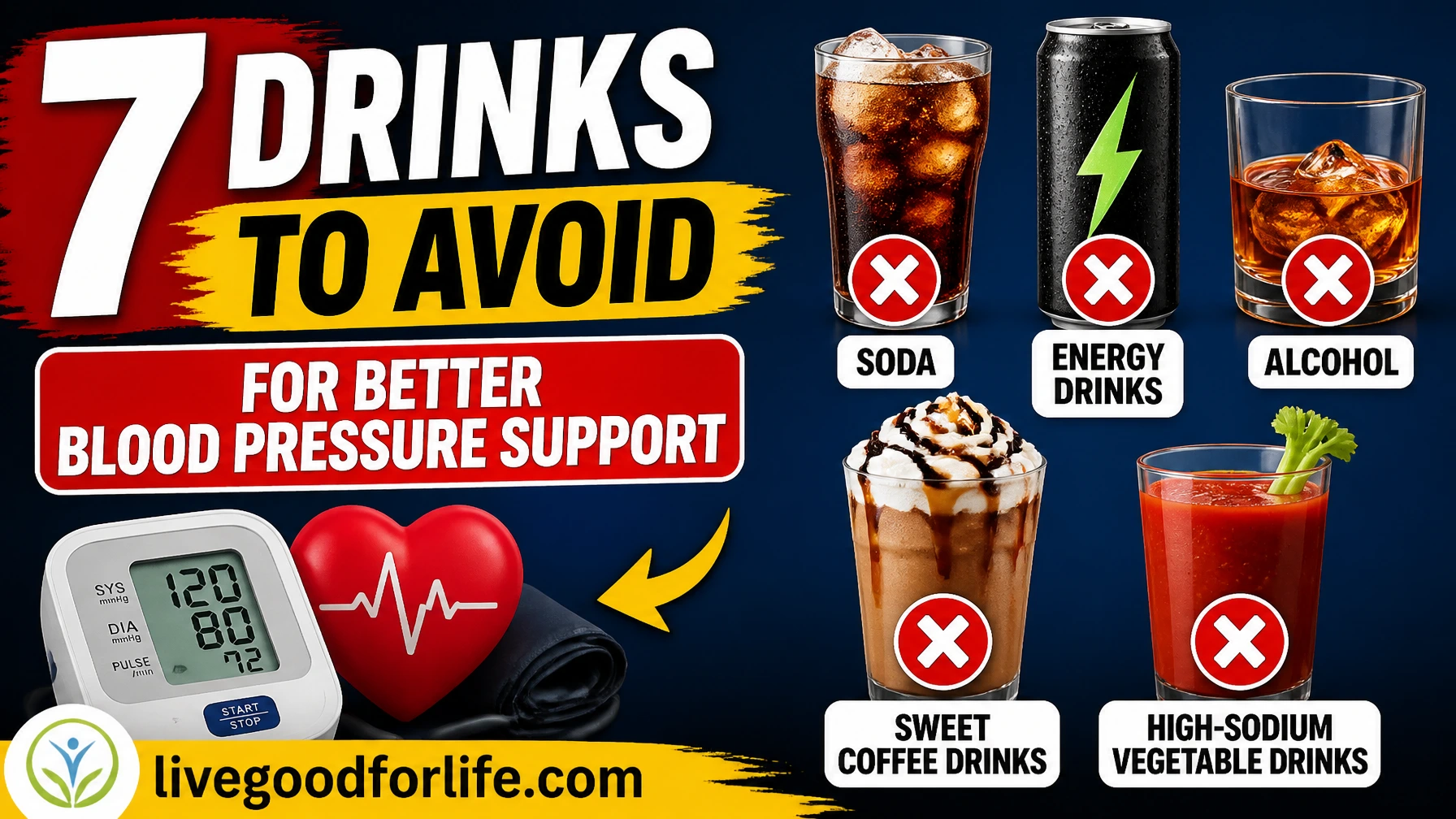
Some drinks can make it harder to support healthy blood pressure because they add too much sugar, sodium, caffeine, alcohol, or empty calories. The biggest drinks to avoid or limit are sugary sodas, energy drinks, sweet coffee drinks, alcohol, high-sodium vegetable drinks, sweetened bottled teas, and oversized fruit juices or smoothies.
This does not mean one drink ruins your health. Blood pressure is affected by your overall pattern: diet, sodium intake, body weight, sleep, stress, movement, smoking, alcohol, medication, genetics, and medical conditions. But if you drink high-sugar, high-sodium, or stimulant-heavy drinks often, swapping them can be a practical first step.
This guide explains 7 drinks to avoid for better blood pressure support, what to choose instead, who should be cautious, and when to speak with a healthcare professional.
Health note: This article is educational and is not medical advice. If you have high blood pressure, low blood pressure, kidney disease, heart disease, diabetes, pregnancy, medication use, dizziness, chest pain, shortness of breath, severe headache, swelling, or unusual symptoms, speak with a qualified healthcare professional.
Quick Answer: What Drinks Should You Avoid for Blood Pressure?
If you are trying to support healthy blood pressure, limit sugary sodas, energy drinks, sweetened coffee drinks, excessive alcohol, high-sodium canned vegetable juices, sweetened bottled teas, and large fruit juices or smoothies with added sugar.
Better swaps include water, sparkling water without added sugar, unsweetened tea, hibiscus tea if suitable for you, green tea, low-sodium vegetable juice, small portions of 100% juice, and smoothies made with whole foods and no added sugar.
If you take blood pressure medication, diuretics, heart medication, diabetes medication, blood thinners, or kidney-related medication, ask a healthcare professional before making major changes with caffeine, alcohol, electrolytes, potassium, grapefruit, or concentrated herbal drinks.
Quick Comparison Table
| Drink to Limit | Main Concern | Better Swap |
|---|---|---|
| Sugary soda | Added sugar, calories, low nutrition | Sparkling water with lemon or berries |
| Energy drinks | Caffeine, stimulants, sugar | Water, green tea, hydration drink with label checked |
| Sweet coffee drinks | Sugar, calories, caffeine load | Unsweetened coffee or smaller latte |
| Excess alcohol | Can raise blood pressure and interact with medication | Alcohol-free drink or sparkling water |
| High-sodium vegetable juice | Sodium can add up quickly | Low-sodium vegetable juice |
| Sweet bottled tea | Added sugar hidden behind a healthy image | Unsweetened tea |
| Oversized fruit juice or smoothies | Concentrated sugar and large portions | Whole fruit or small 100% juice portion |
For positive drink ideas, read 17 Best Drinks to Improve Blood Circulation Naturally.
1. Sugary Soda
Sugary soda is one of the easiest drinks to overdo because it goes down quickly and does not fill you up like food. A regular soda can add a large amount of sugar without fiber, protein, vitamins, or minerals.
The issue is not only blood pressure. Sugary drinks can also make it harder to manage weight, blood sugar, triglycerides, and overall heart health patterns.
Better swaps:
- Sparkling water with lemon
- Plain water with cucumber or mint
- Unsweetened iced tea
- A small splash of 100% juice in sparkling water
2. Energy Drinks
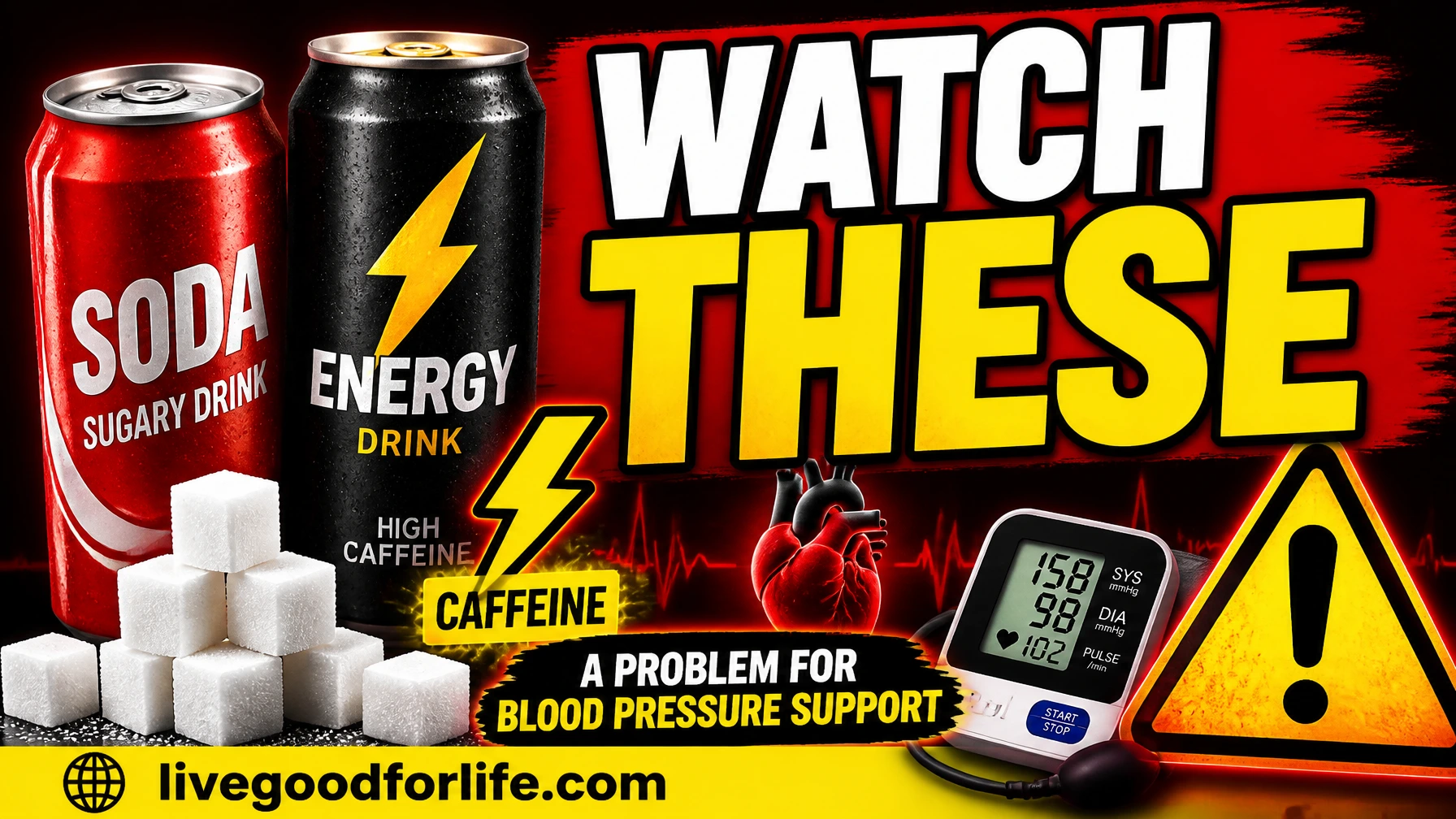
Energy drinks can combine caffeine, sugar, stimulants, and large serving sizes. Some people tolerate caffeine well, while others feel jittery, anxious, wired, or notice their heart rate and blood pressure rise.
If you already have high blood pressure, palpitations, anxiety, sleep problems, heart rhythm concerns, or medication use, energy drinks are worth discussing with a healthcare professional.
Better swaps:
- Water plus a balanced breakfast
- Green tea
- Unsweetened coffee in a moderate portion
- A walk outside for light exposure and movement
- An electrolyte drink only when appropriate and label-checked
3. Sweet Coffee Drinks
Coffee itself is not automatically bad for everyone. The problem is often what gets added: syrups, whipped cream, sweetened creamers, chocolate sauces, caramel, large sizes, and multiple espresso shots.
A sweet coffee drink can become a dessert in a cup. If it also contains a lot of caffeine, it may be a poor fit for people who are caffeine-sensitive or managing blood pressure.
Better swaps:
- Smaller coffee size
- Unsweetened coffee with milk
- Half-sweet order if you buy from a coffee shop
- Cinnamon instead of syrup
- Decaf or half-caf if caffeine affects you
4. Too Much Alcohol
Alcohol can affect blood pressure, sleep, weight, liver health, blood sugar, and medication safety. It can also make healthy habits harder because it often comes with salty snacks, late nights, and lower-quality sleep.
If you do not drink alcohol, do not start for heart-health reasons. If you already drink, keep it moderate and ask a healthcare professional if you have high blood pressure, diabetes, medication use, liver concerns, or pregnancy.
Better swaps:
- Sparkling water with lime
- Herbal iced tea
- Alcohol-free spritzer
- Water between alcoholic drinks
- Smaller serving and fewer drinking days
5. High-Sodium Vegetable Drinks
Vegetable juice can sound healthy, but some bottled or canned versions are high in sodium. Sodium matters because reducing sodium intake can help support better blood pressure in many people.
This does not mean all vegetable juice is bad. It means the label matters. A low-sodium version can be a better choice than a regular high-sodium version.
Better swaps:
- Low-sodium vegetable juice
- Homemade smoothie with vegetables and fruit
- Water with a meal that includes vegetables
- Tomato juice labeled low sodium
6. Sweetened Bottled Tea
Tea can be a heart-friendly drink when it is unsweetened. The problem is that many bottled teas contain added sugar, syrups, or sweeteners that turn a simple tea into a sugary drink.
If you enjoy iced tea, make it at home or choose unsweetened bottled tea. You can add lemon, mint, berries, or a small amount of fruit for flavor.
Better swaps:
- Unsweetened green tea
- Unsweetened black tea
- Hibiscus tea if suitable for you
- Herbal tea over ice
- Tea with lemon instead of sugar
7. Oversized Fruit Juice and Sweet Smoothies
Fruit can be part of a healthy eating pattern, but drinking large juices or sweet smoothies is not the same as eating whole fruit. Juice removes much of the chewing and fiber experience, and portions can become large very quickly.
The same applies to smoothies made with juice, frozen yogurt, sweetened milk, syrups, or large amounts of dried fruit. They may look healthy while delivering a lot of sugar in one drink.
Better swaps:
- Whole fruit instead of large juice
- Small serving of 100% juice
- Smoothie with protein, fiber, and no added sugar
- Berries, spinach, Greek yogurt, and water or unsweetened milk
- Half smoothie portion with a balanced meal
Better Drink Swaps for Blood Pressure Support
The goal is not to make drinks boring. The goal is to make your usual drinks work with your health goals instead of against them.
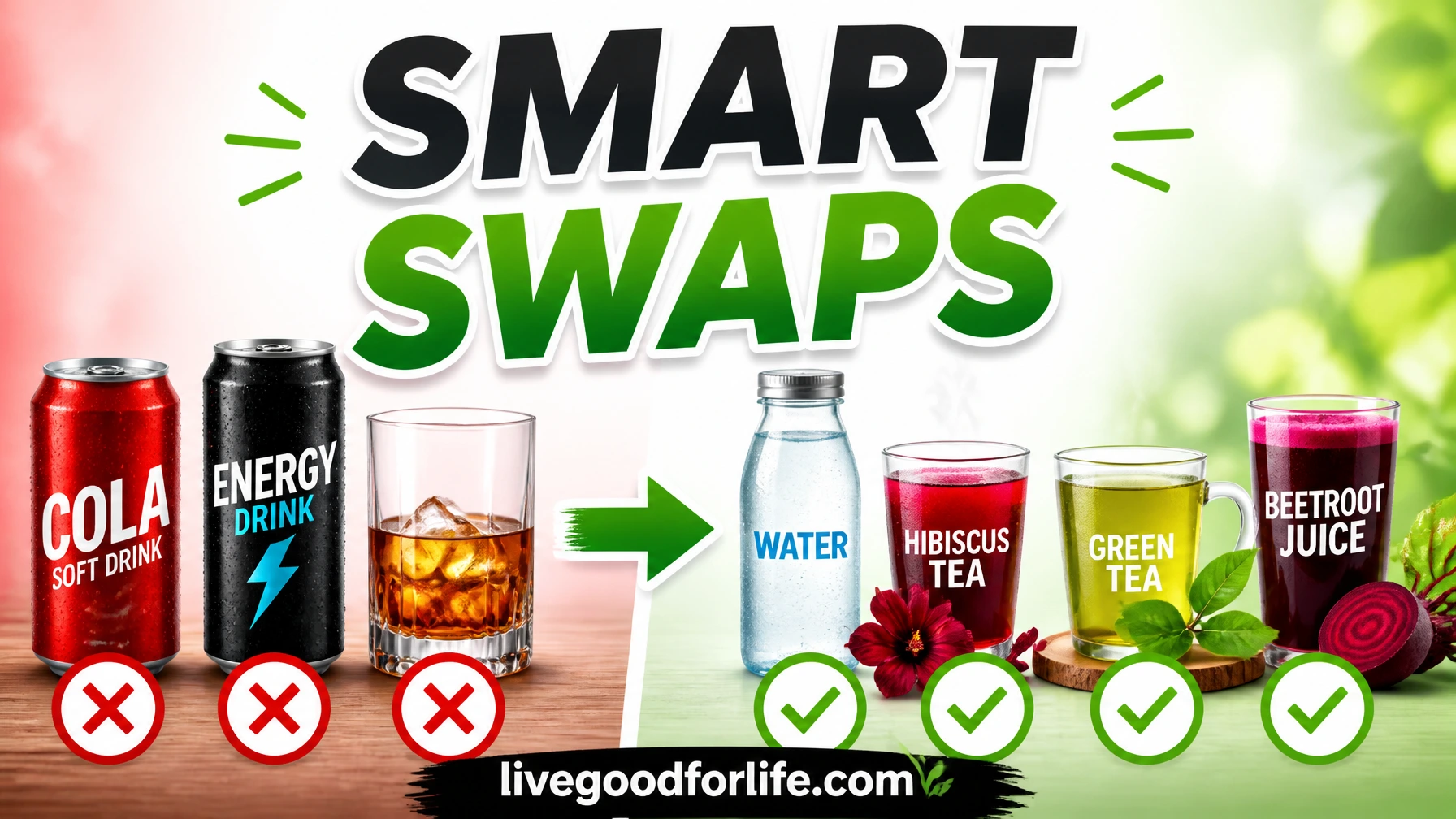
| Instead of This | Try This | Why It May Help |
|---|---|---|
| Soda | Sparkling water with citrus | Less added sugar |
| Energy drink | Green tea or water plus food | Less stimulant load |
| Sweet coffee drink | Small unsweetened coffee | Less sugar and fewer calories |
| Regular vegetable juice | Low-sodium vegetable juice | Lower sodium option |
| Sweet bottled tea | Unsweetened iced tea | Keeps tea without added sugar |
| Large juice | Whole fruit or small juice portion | Better portion control |
| Alcohol every night | Alcohol-free spritzer | Supports sleep and lower alcohol intake |
Who Should Be Extra Careful?
Drink choices matter more if you already have blood pressure concerns or take medications. Ask a qualified healthcare professional before making major changes if you:
- Take blood pressure medication
- Take diuretics or heart medication
- Have kidney disease or fluid restrictions
- Have diabetes or blood sugar concerns
- Have heart rhythm issues or palpitations
- Are you pregnant or nursing
- Use blood thinners or medications affected by alcohol, grapefruit, caffeine, or potassium
- Feel dizzy, faint, weak, or lightheaded when changing diet or fluids
When to Seek Medical Advice
Do not rely on drink swaps alone if your blood pressure is high, symptoms are present, or your readings are changing. Seek medical advice if you have:
- Repeated high blood pressure readings
- Chest pain or pressure
- Shortness of breath
- Severe headache
- Vision changes
- Weakness, confusion, or one-sided symptoms
- Swelling in legs, ankles, or face
- Dizziness, fainting, or unusual fatigue
Blood pressure management is personal. Food and drink changes can support your routine, but they do not replace diagnosis, monitoring, or medication when needed.
Food and Lifestyle First, Product Second
Food and lifestyle habits should come first. Better hydration, less added sugar, lower sodium choices, regular movement, quality sleep, stress management, and a balanced diet matter more than any single product.
For people who want a convenient powdered option, LiveGood Organic Super Reds is one product they may compare because it includes red and purple plant ingredients such as beetroot and pomegranate. It should not replace a balanced diet, blood pressure monitoring, medication, or medical advice.
You can also compare hydration support options here: LiveGood Hydration Amplifier Benefits.
Compare LiveGood wellness products
Affiliate disclosure: I am an independent LiveGood affiliate. If you choose to buy through my links, I may earn a commission at no extra cost to you.
FAQs About Drinks and Blood Pressure
What is the worst drink for blood pressure?
There is no single worst drink for everyone, but sugary soda, energy drinks, excessive alcohol, and high-sodium drinks are common choices to limit if you are trying to support healthy blood pressure.
Are energy drinks bad for blood pressure?
Energy drinks can be a poor fit for some people because they may contain caffeine, sugar, and other stimulants. People with high blood pressure, heart rhythm concerns, anxiety, or medication use should be especially cautious.
Is coffee bad for blood pressure?
Coffee affects people differently. Some people tolerate moderate coffee well, while others notice higher blood pressure, jitters, palpitations, or poor sleep. Sweet coffee drinks also add sugar and calories.
Can alcohol raise blood pressure?
Yes, drinking too much alcohol can raise blood pressure and increase other health risks. Some people may also see blood pressure changes even with moderate drinking. Ask a healthcare professional if you have blood pressure concerns.
Is fruit juice bad for blood pressure?
Small portions of 100% juice may fit some diets, but large servings can add a lot of sugar quickly. Whole fruit is usually a better everyday choice because it includes fiber and is easier to portion.
Is tomato juice good or bad for blood pressure?
Tomato juice can be high in sodium unless you choose a low-sodium version. Check the label before buying, especially if you are trying to reduce sodium intake.
What should I drink instead?
Water is the foundation. You can also choose unsweetened tea, sparkling water without added sugar, low-sodium vegetable juice, or other options that fit your health needs. For positive ideas, read 17 Best Drinks to Improve Blood Circulation Naturally.
Can changing drinks lower blood pressure?
Changing drinks can support a healthier pattern, especially by reducing added sugar, sodium, alcohol, or excess caffeine. But blood pressure is complex, and some people need medical care, monitoring, or medication.
Final Takeaway
If you want better blood pressure support, start with your everyday drinks. Limiting sugary soda, energy drinks, sweet coffee drinks, too much alcohol, high-sodium vegetable drinks, sweet bottled teas, and oversized juices can make your routine more heart-friendly.
Then replace them with simple options you can repeat: water, unsweetened tea, low-sodium choices, small juice portions, and balanced smoothies made with whole foods.
Reminder: Drink swaps can support a healthy lifestyle, but they do not replace professional care. If you have high blood pressure or symptoms, work with a qualified healthcare professional.