Should I Take Magnesium in the Morning or at Night?
⚡ Quick Answer
Morning or night can both work. Take magnesium when it fits your routine and label directions, and separate it from medications when needed. If you want a multi-form option, compare LiveGood Ultra Magnesium Complex and check the current member price before buying.
📌 Safety First
- Use magnesium only as directed on the product label.
- Ask a healthcare professional first if you take medication, are pregnant or breastfeeding, have kidney disease, heart rhythm concerns, digestive disorders, electrolyte concerns, or follow a medically restricted diet.
- Magnesium can interact with some medications, including certain antibiotics, bisphosphonates, diuretics, and other medicines.
- Too much magnesium from supplements or medications can cause digestive upset and may be risky for people with reduced kidney function.
- Dietary supplements are not FDA-approved to diagnose, treat, cure, or prevent disease.
Should I Take Magnesium
in the Morning or at Night?
Wondering whether magnesium fits better with breakfast or your evening routine? This guide explains timing, label checks, supplement forms, medication spacing, and how to compare LiveGood Ultra Magnesium Complex responsibly.
Affiliate disclosure: I may earn a commission if you purchase through my links, at no extra cost to you.
Quick Answer: Morning vs Night
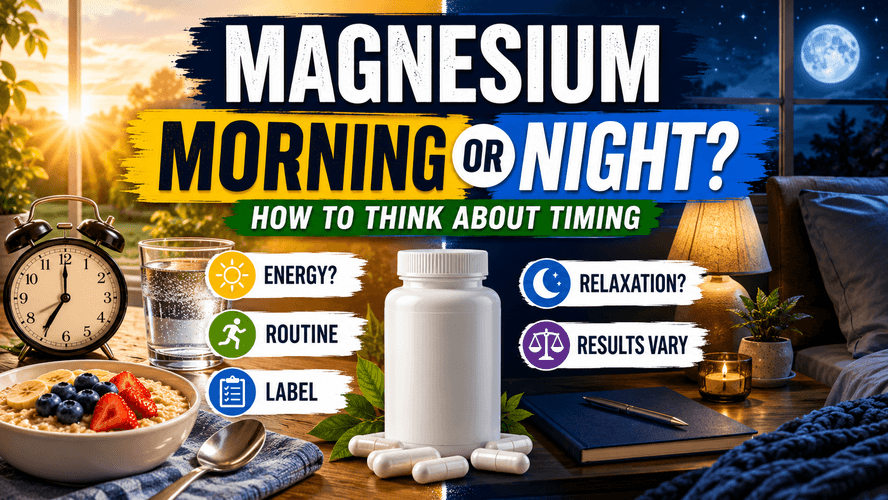
There is no universal best time to take magnesium. For many adults, the best time is the time they can take it consistently, tolerate it well, and safely separate it from medications when needed.
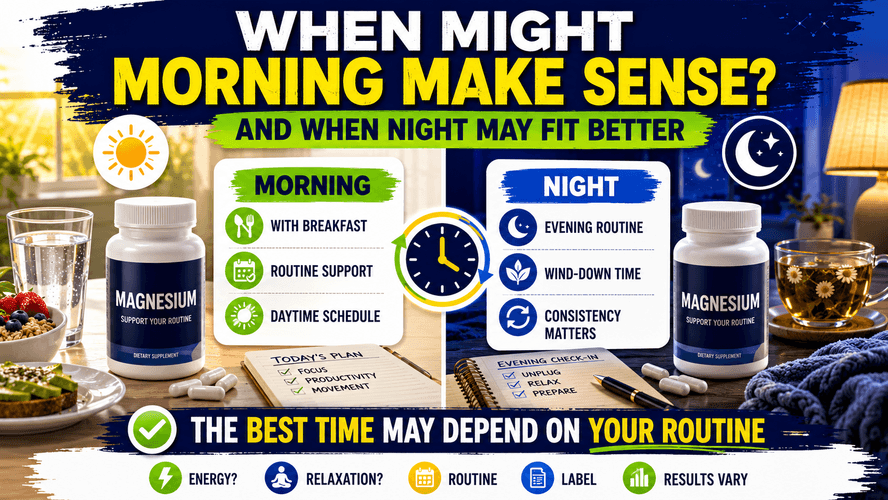
☀️ Morning May Fit If
- you prefer taking supplements with breakfast
- you want to avoid forgetting later in the day
- your stomach tolerates magnesium better with food
- you need to keep nighttime supplements simple
🌙 Night May Fit If
- you prefer a consistent evening routine
- you take supplements after dinner
- you want to keep magnesium away from morning medications
- the label directions and your healthcare professional agree it fits your schedule
⚠️ Ask First If
- you take medication
- you have kidney disease or reduced kidney function
- you are pregnant or breastfeeding
- you already use a multivitamin, electrolyte powder, sleep formula, antacid, or laxative with magnesium
What Is Magnesium?
Magnesium is an essential mineral naturally found in foods, available as a dietary supplement, and present in some medicines such as antacids and laxatives. The NIH Office of Dietary Supplements explains that magnesium is involved in more than 300 enzyme systems and plays roles in protein synthesis, muscle and nerve function, energy production, and normal electrolyte movement. Read the NIH magnesium fact sheet.
Important: Magnesium is an essential nutrient, but that does not mean a magnesium supplement treats sleep problems, anxiety, cramps, headaches, blood pressure concerns, diabetes, pain, or any medical condition. Supplement research and product marketing should be separated from medical treatment claims.
Morning vs Night: How to Think About Timing
The timing question is less about a magic hour and more about consistency, tolerance, and spacing. Magnesium is not like caffeine, where timing is obvious for most people. It is a mineral, and your total intake, supplement form, label directions, diet, medications, and digestive tolerance matter.
Morning Timing
Morning may be practical if you already take supplements with breakfast or if food improves tolerance. It may also help if evening routines are inconsistent.
Evening Timing
Evening may be practical if you prefer supplement habits after dinner or want magnesium to be part of a calm nighttime routine without calling it a sleep treatment.
Split Timing
Some people split supplements, but do not increase the serving size beyond the label. Ask a professional if you are unsure about total intake or medication spacing.
What Research Says About Magnesium and Sleep Timing
Magnesium is often discussed in sleep conversations because it is involved in normal nervous system function. However, the evidence for magnesium supplements as a sleep aid is limited and should not be overstated.
What research may suggest
- Some small studies have looked at magnesium supplementation and sleep outcomes.
- Some research has reported changes in subjective sleep measures, especially in certain older adult groups.
- Research quality, sample size, supplement form, and participant differences matter.
- Better sleep habits may still matter more than supplement timing alone.
What research does not prove
- that magnesium supplements treat insomnia
- that everyone should take magnesium at night
- that higher doses are better
- that a finished supplement product works the same way as a study ingredient
- that magnesium replaces medical sleep evaluation or professional care
For deeper reading, review this systematic review on oral magnesium supplementation for insomnia in older adults: PubMed: oral magnesium supplementation for insomnia in older adults. You can also review a randomized trial in elderly adults with primary insomnia: PubMed: magnesium supplementation and primary insomnia. These references are educational and do not prove that any specific magnesium product treats sleep problems.
Magnesium Forms: Why the Label Matters
Different magnesium products use different forms. The NIH notes that forms that dissolve well in liquid are generally absorbed more completely than less soluble forms, and the Supplement Facts label lists the amount of elemental magnesium, not just the weight of the compound.
For a deeper buyer guide, see: Best Magnesium Glycinate Supplements 2026.
Why I Would Compare LiveGood Ultra Magnesium Complex
When I compare magnesium supplements, I look for the magnesium forms, elemental magnesium amount, serving size, label clarity, testing access, digestive tolerance, price per serving, and whether the product fits a simple daily routine.
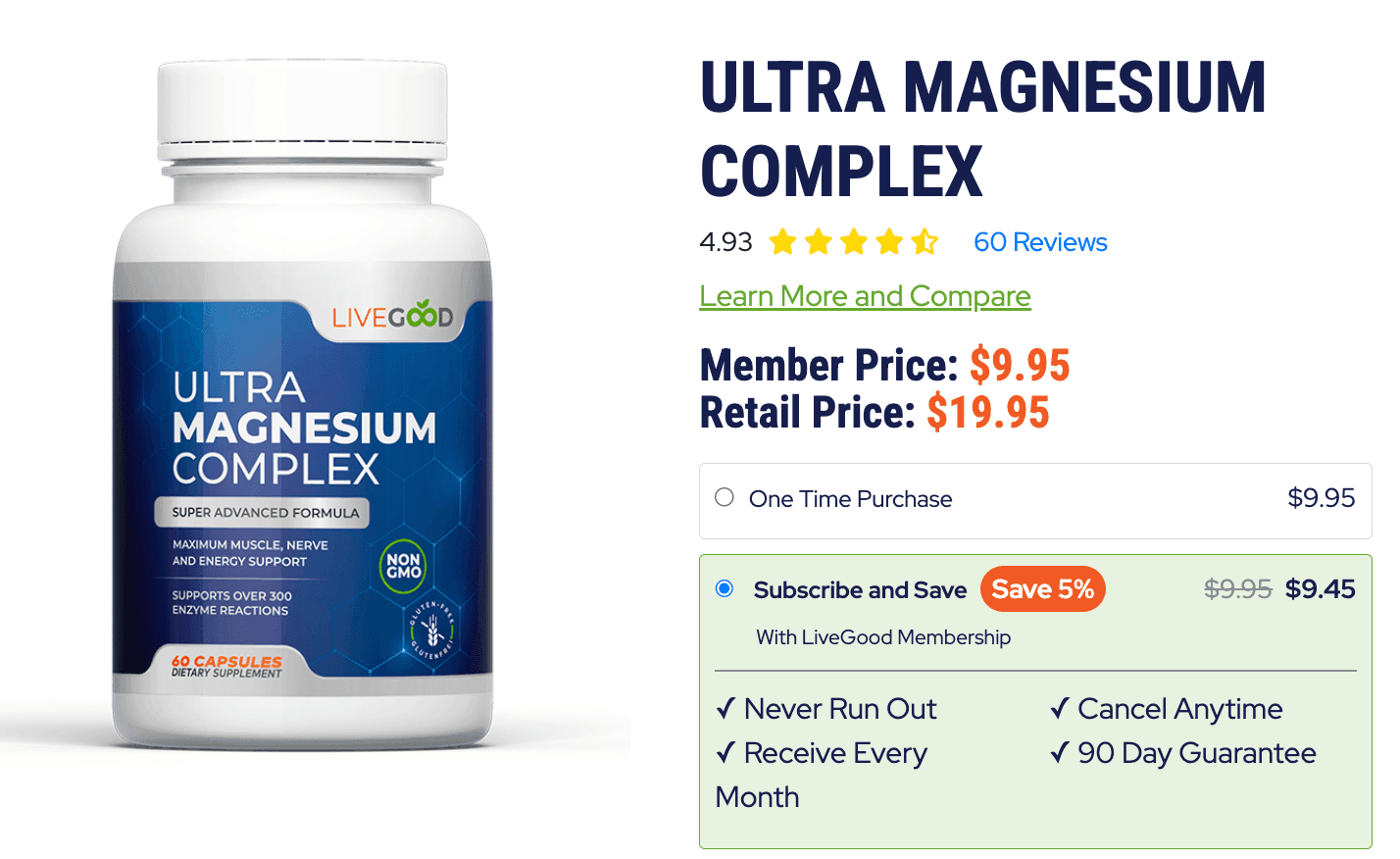
Important: This is a personal product comparison, not medical advice. LiveGood Ultra Magnesium Complex is not intended to diagnose, treat, cure, or prevent any disease.
Multi-Form Magnesium Formula
LiveGood Ultra Magnesium Complex is worth comparing if you want a capsule formula that includes more than one magnesium form. Different forms can vary in tolerance and absorption, so the label is an important part of the buying decision.
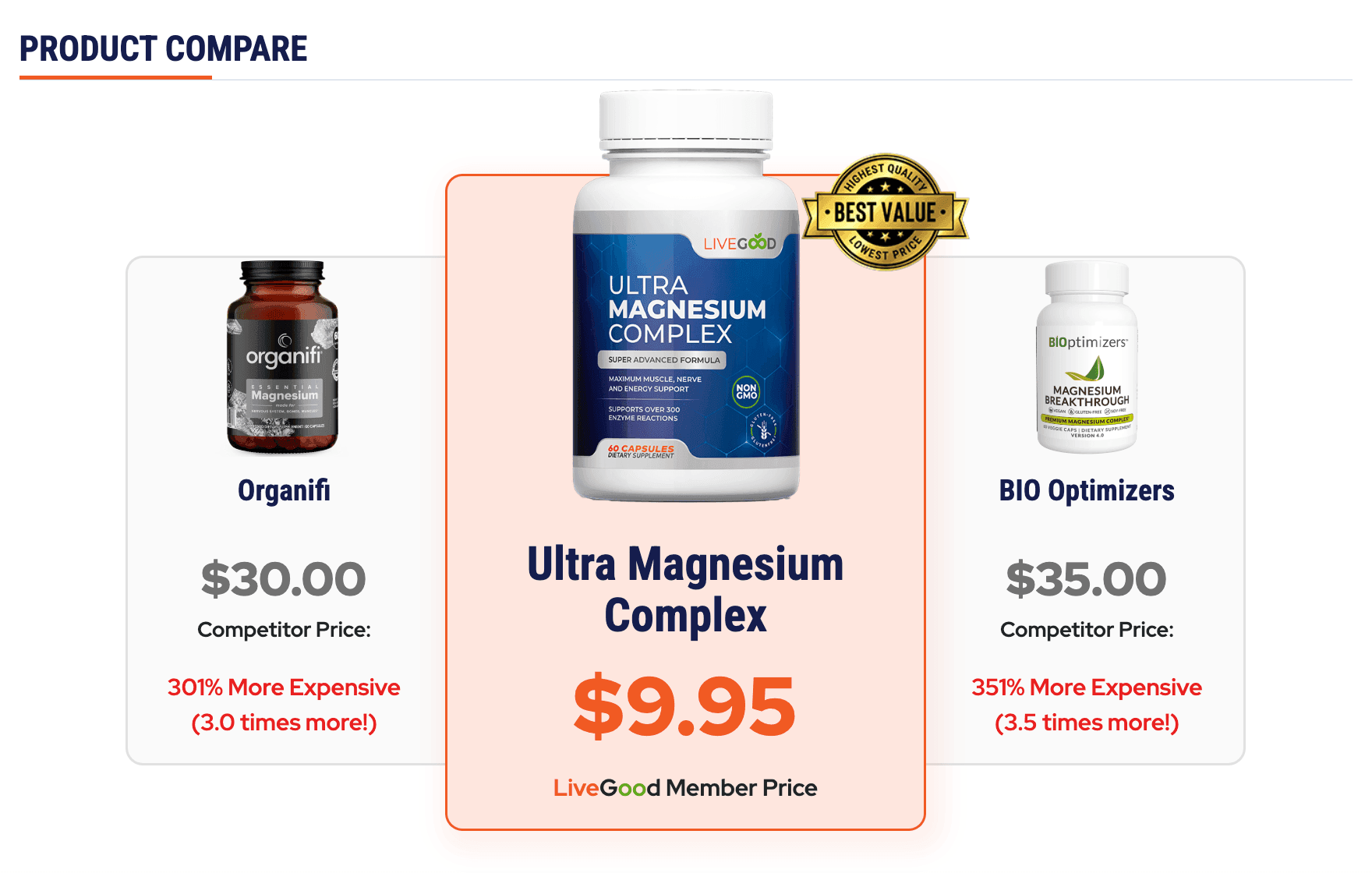
Member Price and Subscribe & Save
LiveGood member pricing may offer better value for people who order LiveGood products regularly. Subscribe & Save may also help shoppers avoid running out, receive the product monthly, and cancel when needed. Always review the current checkout terms before purchasing.
90-Day Guarantee
LiveGood may offer a 90-day guarantee, which can help shoppers feel more comfortable comparing the product. Guarantee terms can change, so review the current policy before ordering.
COA and Lab Testing
Testing access helps shoppers review quality information before buying. You can view available LiveGood certificates and lab-testing details here: LiveGood Products Certificates of Analysis.
More Magnesium Education
To understand magnesium forms, food sources, safety, and label tips in more detail, read the Ultra Magnesium Guide. If you are comparing magnesium alongside other daily supplements, see the LiveGood Vitamins Guide.
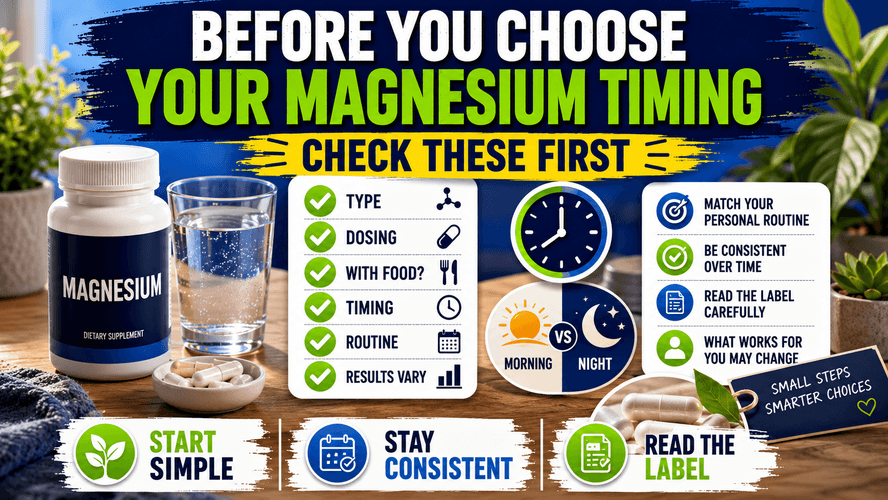
What to Check Before Choosing Your Magnesium Timing
Label
Check serving size, elemental magnesium amount, suggested use, warnings, and other ingredients.
Medication Spacing
Ask a pharmacist whether magnesium should be separated from antibiotics, thyroid medication, bisphosphonates, or other prescriptions.
Total Intake
Check magnesium from multivitamins, powders, sleep formulas, antacids, laxatives, and mineral blends.
Tolerance
Digestive comfort matters. Some forms or serving sizes may not fit everyone.
Safety note: NIH ODS lists the adult upper limit for magnesium from supplements and medications at 350 mg per day unless medically directed. This upper limit does not include magnesium naturally found in food. Review the NIH Magnesium Fact Sheet.
How to Use Magnesium Responsibly
Step 1: Start With Food Sources
Magnesium is found in foods such as pumpkin seeds, chia seeds, almonds, spinach, cashews, legumes, whole grains, and some fortified foods.
Step 2: Read the Label
The Supplement Facts label should show elemental magnesium per serving. Do not assume all magnesium forms provide the same amount.
Step 3: Choose Timing
Morning may fit breakfast routines. Night may fit evening routines. The best choice is the one you can use consistently and safely.
Step 4: Track Tolerance
Track digestion, consistency, timing, total supplement intake, and whether the product still fits your routine and budget.
Frequently Asked Questions
Should I take magnesium in the morning or at night?
Either can work. Morning may fit better with breakfast and daily supplement routines. Night may fit better with an evening routine. Follow the label and consider medication spacing.
Is magnesium better at night for sleep?
Not necessarily. Some people prefer magnesium at night, but magnesium supplements should not be described as a treatment for insomnia or sleep disorders. If sleep problems persist, speak with a qualified healthcare professional.
Can I take magnesium with food?
Many people prefer taking magnesium with food, especially if they have a sensitive stomach. Follow the label and ask a professional if you have medical or medication concerns.
Can magnesium interact with medication?
Yes. Magnesium may interact with or affect absorption of certain medications. Ask a pharmacist or healthcare professional about timing if you take medication.
Can I take magnesium every day?
Some adults use magnesium daily, but total intake matters. Check your label, other supplements, antacids, laxatives, and ask a professional if you are unsure.
Who should be careful with magnesium?
People with kidney disease, reduced kidney function, heart rhythm concerns, pregnancy or breastfeeding considerations, medication use, or electrolyte concerns should ask a qualified professional before using magnesium supplements.
Is LiveGood Ultra Magnesium Complex FDA-approved?
No. Dietary supplements are not FDA-approved to diagnose, treat, cure, or prevent disease. Review the label and use only as directed.
Bottom Line: Morning or Night?
The best time to take magnesium is the time that fits your routine, your stomach, your label directions, and any medication-spacing guidance you have been given. Morning works well for some people. Night works well for others. Consistency and safety matter more than the clock.
Read the Label
Start with serving size, elemental magnesium amount, suggested use, and warnings.
Check Spacing
Ask about spacing if you take medication or other mineral supplements.
Keep Claims Realistic
Magnesium is an essential mineral, not a guaranteed fix or medical treatment.
Compare LiveGood Ultra Magnesium Complex
Before buying, review the label, forms of magnesium, elemental magnesium amount, current price, membership terms, shipping, refund policy, and whether magnesium is appropriate for your routine.
Disclosures
Affiliate Relationship: Some links in this article are affiliate links. If you purchase through these links, I may earn a commission at no extra cost to you. I only recommend products I personally use, have researched, or would consider using as part of a wellness routine.
Medical Disclaimer: This content is for informational and educational purposes only and is not medical advice. It is not intended to diagnose, treat, cure, or prevent any disease. Always consult a qualified healthcare professional before using magnesium or any wellness product, especially if you take medication, are pregnant or breastfeeding, have kidney disease, heart rhythm concerns, digestive disorders, electrolyte concerns, are preparing for surgery, have allergies, or are unsure whether a product is appropriate for you.
Results Disclaimer: Individual results vary. Personal experiences, examples, or opinions in this article are not guarantees and may not represent typical results.
FDA Disclaimer for U.S. Content: These statements have not been evaluated by the Food and Drug Administration. This product is not intended to diagnose, treat, cure, or prevent any disease.
Supplement Regulatory Note: Supplement rules vary by country, state, and product category. If this content targets readers outside the U.S., verify that all claims, labels, product links, and disclosures comply with local rules before publishing.
Pricing and Availability: Prices, membership terms, product formulas, labels, testing information, shipping, and refund policies can change. Verify all details before publishing or purchasing. Last updated: July 2026