Heart Health Supplements: Complete Guide (2026)
Looking into heart health supplements to support blood pressure, cholesterol, or overall cardiovascular resilience. Whether you’re starting after a health scare or trying to prevent future problems, the right supplements can make a real difference when paired with diet and lifestyle.
This guide explains the fundamentals of heart-support supplements, the science behind top options, practical dosing and timing, and how to pick safe products. Read on for step-by-step advice and a straightforward plan you can use today.
Understanding Heart Health Supplements Basics
Heart health supplements are nutrients, botanicals, and specialty compounds shown to support cardiovascular function. They don’t replace medications or lifestyle changes, but many help with common goals: lowering triglycerides, supporting healthy blood pressure, improving endothelial function, and protecting cells from oxidative stress.
Commonly used supplements include omega-3 fatty acids (EPA/DHA), Coenzyme Q10 (CoQ10), magnesium, vitamin D3 plus vitamin K2, and select B vitamins such as niacin. Each one works differently and targets specific pathways that affect heart health.
What These Supplements Do
- Omega-3 (EPA/DHA): Lowers triglycerides, reduces inflammation, and supports blood vessel function. High-quality fish oil products are standard choices — see options like Nordic Naturals Ultimate Omega and Sports Research Triple Strength for reference. Nordic Naturals, Sports Research
- CoQ10 / Ubiquinol: Supports cellular energy in the heart, especially helpful for people on statins. Look for ubiquinol (active form) or highly absorbable ubiquinone formulas like Qunol. Jarrow QH-Absorb, Qunol Ultra
- Magnesium: Helps regulate blood pressure and heart rhythm. Forms like magnesium glycinate or magnesium taurate are well tolerated and heart-focused. Pure Encapsulations Magnesium Glycinate, NOW Foods Magnesium Taurate
- Vitamin D3 + K2: Combine to support calcium metabolism and may help prevent arterial calcification when D is low. Thorne makes a liquid D/K2 option that’s easy to dose. Thorne D/K2
- Niacin (Vitamin B3): Can raise HDL and improve lipid profiles in certain forms; flush-free versions reduce side effects. NOW Foods Flush-Free Niacin
Why Supplements Matter Alongside Diet and Exercise
Supplements fill gaps that diet alone may not fix, especially for people with higher needs or who take medications that reduce nutrient levels (for example, statins lowering CoQ10). They work best as part of a plan that includes a heart-friendly diet, regular movement, sleep, and stress management.
Key Concepts You Need to Know
- Bioavailability — Some forms absorb far better than others (e.g., ubiquinol vs ubiquinone, triglyceride-form fish oil vs ethyl ester). Prefer higher-absorption formulas when possible. Qunol
- Evidence level — Omega-3 and magnesium have strong, long-standing evidence for cardiovascular benefits; other supplements have mixed evidence and are more situational.
- Interactions — Supplements can interact with blood thinners, blood pressure drugs, and statins. Always check with a clinician before starting new supplements.
- Quality matters — Look for third-party testing, purity certifications, and transparent ingredient sourcing. Brands like Nordic Naturals and IFOS-certified products set a good example. Nordic Naturals
Common Challenges and How to Overcome Them
People often worry about pill burden, cost, and side effects like fishy burps or niacin flushing. Choose concentrated formulas to reduce pill count, pick enteric-coated or lemon-flavored oils to lower aftertaste, and use flush-free niacin options when HDL support is desired without flushing. Cost can be managed by prioritizing the most impactful supplements first — usually omega-3 and magnesium.
What You’ll Need Before Starting
Required Tools and Resources
- Recent bloodwork (lipids, vitamin D, magnesium if available)
- List of current medications and doses
- Primary care provider or cardiologist contact for questions
- Reliable supplement sources — pharmacy, reputable online retailers, or LiveGood’s product pages at https://livegoodforlife.com/
Prerequisites and Preparation
Gather your latest labs and medication list. Note any history of arrhythmias, blood clotting disorders, or surgical procedures — these can change safe supplement choices. Plan to start one supplement at a time so you can spot benefits or side effects.
Our Recommended Tool: LiveGood
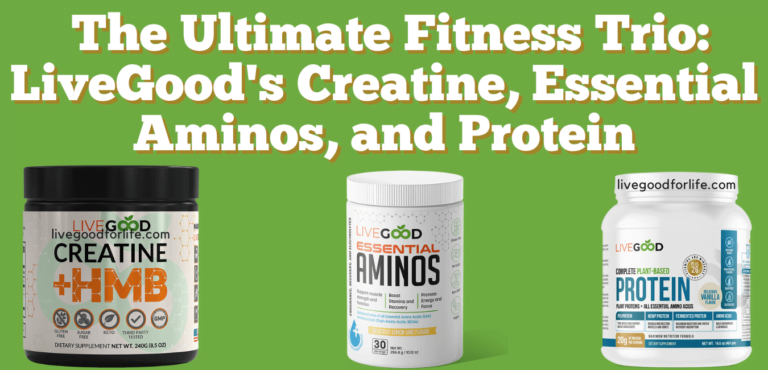
LiveGood offers a curated selection of supplements and bundles focused on overall wellness, including items that support heart health. If you’re looking for an easy way to shop trusted supplements and compare options, start at LiveGood’s site: https://livegoodforlife.com/. LiveGood makes it simple to find foundational supplements like fish oil, magnesium, and multivitamins in one place.
Step-by-Step: How to Use Heart Health Supplements
Step 1: Assess Your Needs and Risks
Begin with a short checklist: age, family history of heart disease, current medications (especially statins or blood thinners), smoking, high blood pressure, cholesterol levels, and diabetes. Use lab results to prioritize supplements — low vitamin D or high triglycerides point to specific choices.
Step 2: Consult Your Healthcare Provider
Bring your lab reports and medication list to your clinician. Discuss which supplements make sense safely. This is essential for people on anticoagulants, blood pressure meds, or statins. Clinicians can recommend doses, flag interactions, and suggest monitoring intervals.
Step 3: Start with Core Supplements (The Foundation)
Focus first on supplements with the strongest evidence for common heart goals:
- Omega-3 (EPA/DHA): For high triglycerides and general cardiovascular support, a concentrated omega-3 supplement is the priority. High-quality choices include Nordic Naturals Ultimate Omega (IFOS 5-star, triglyceride form) and Sports Research Triple Strength for a more budget-friendly option. Typical therapeutic doses for triglyceride reduction are 2–4 grams combined EPA+DHA per day, but follow product labeling and clinician advice. Nordic Naturals, Sports Research
- CoQ10 / Ubiquinol: Particularly helpful for people on statins or with low energy. Ubiquinol is more absorbable; products like Jarrow QH-Absorb (ubiquinol) or Qunol Ultra CoQ10 (high-absorption ubiquinone) are popular options. Typical doses range 100–200 mg daily. Jarrow, Qunol
- Magnesium: Supports blood pressure and rhythm. Magnesium glycinate or taurate are gentler on digestion and useful for heart-focused supplementation. Typical supplemental doses are 200–400 mg elemental magnesium daily depending on diet and labs. Pure Encapsulations, NOW Foods
- Vitamin D3 + K2: If vitamin D is low, supplementing D3 with K2 (MK-7) helps calcium get to bones rather than soft tissues. Doses depend on blood levels; common maintenance doses are 1,000–4,000 IU D3 daily plus 100 mcg K2 when indicated. Thorne
Step 4: Add Targeted Supplements When Needed
After starting foundational supplements, add targeted items for specific issues.
- Niacin (flush-free): For specific lipid goals under clinician guidance. Flush-free forms reduce discomfort but act differently than immediate-release niacin; a clinician should supervise. NOW Foods
- Plant sterols and soluble fiber: For LDL control, these can be useful alongside diet changes.
- Antioxidant support: If oxidative stress is a concern, curated antioxidant blends can be considered, but avoid high-dose single antioxidants without guidance.
Step 5: Pay Attention to Timing and Food
Many heart supplements absorb better with a meal that contains some fat. CoQ10 and omega-3 are fat-soluble and should be taken with food. Magnesium may be taken at night to aid sleep and relaxation. Follow label instructions and adjust timing if you notice stomach upset.
Step 6: Monitor Results and Adjust
Plan follow-ups at 3 months for lab work that measures triglycerides, LDL/HDL, vitamin D levels, and any symptom changes. Tweak doses based on response and tolerability. Keep a simple log of supplements, dose, timing, and any side effects — that makes discussions with your clinician easier.
Example: Real-World Plan
Mark is 56, on a statin for high LDL, with triglycerides of 300 mg/dL and vitamin D of 20 ng/mL. After talking with his cardiologist, he starts:
- Omega-3 (2 g EPA+DHA daily) — to lower triglycerides (choose a concentrated, IFOS-tested product) Nordic Naturals
- Ubiquinol 100 mg daily — to replenish CoQ10 while on statin Jarrow
- Magnesium glycinate 200 mg at night — for rhythm support and blood pressure Pure Encapsulations
- Vitamin D3 2,000 IU plus K2 daily — to correct low vitamin D and support calcium handling Thorne
Labs are repeated at 12 weeks and doses are adjusted based on results.
Choosing the Right Supplements
Overview of Your Options
Options fall into three buckets: foundational (omega-3, magnesium, CoQ10, D3/K2), targeted (niacin, plant sterols, fiber), and adjunct (antioxidants, botanicals). Foundation items are where most people see measurable benefit.
Cost Comparison
Costs vary. Example prices from reputable brands (approximate monthly cost):
- Nordic Naturals Ultimate Omega: ~$25/month Nordic Naturals
- Sports Research Triple Strength Fish Oil: ~$15/month Sports Research
- Qunol Ultra CoQ10: ~$26/month Qunol
- WOWMD COQ10 Energy Max: ~$43/month for 30 capsules WOWMD
- Pure Encapsulations Magnesium Glycinate: ~$20–30/month Pure Encapsulations
- Thorne D/K2 Liquid: ~$15–20/month Thorne
Start with the supplements that offer the highest benefit for your risk profile and budget. Omega-3 and magnesium often give the most measurable impact per dollar.
Ease of Use Comparison
Liquid forms like Thorne D/K2 are easy to dose for people who dislike pills. High-concentration softgels reduce pill count for omega-3. Look for once-daily dosing when possible to improve adherence.
Quality and Reliability
Prefer brands with third-party testing (IFOS, USP, NSF) and transparent sourcing. IFOS-rated omega-3 brands and clinic-recommended CoQ10 formulas are worth the extra cost for many people. Nordic Naturals, Jarrow, and Qunol are examples cited for quality and absorption in current reviews.
Why We Recommend LiveGood
LiveGood makes it easy to find heart-focused supplements in one place and compare product types and bundles. For people who want a single, user-friendly source to start their plan, LiveGood’s store pages simplify product selection and ordering: LiveGood. If you prefer to pick items brand-by-brand, cross-check product quality (testing, form, dose) before buying.
Try LiveGood:https://livegoodforlife.com/
Understanding Costs and How to Save Money
Typical Costs for Heart Support
Expect to spend $15–$50/month per supplement, depending on brand and dose. A core stack (omega-3 + magnesium + CoQ10 + D3/K2) can run $60–$120/month with mid-range brands. You can reduce costs by choosing budget lines for one or two items (e.g., Sports Research for omega-3) while investing in a high-absorption CoQ10 if you take a statin.
Hidden Fees to Watch Out For
Watch shipping costs, subscription auto-renewal traps, and bundled packages that include items you don’t need. Check return and refund policies for supplements you’ll try for a short trial period.
Tips for Reducing Costs
- Buy concentrated formulas to lower pill count and cost per dose.
- Use a reputable multi-supplement retailer like LiveGood to compare and find deals.
- Start with the most impactful supplements first (usually omega-3 and magnesium).
- Sign up for newsletters or loyalty programs for occasional discounts, but avoid impulse buys.
Troubleshooting Common Supplement Issues
Fishy Aftertaste or Burps
Switch to lemon-flavored or enteric-coated fish oil, or take capsules with food. High-quality triglyceride-form oils and IFOS-certified brands tend to reduce aftertaste. Nordic Naturals
Stomach Upset from CoQ10 or Magnesium
Take CoQ10 with a fat-containing meal. For magnesium, switch to glycinate or taurate which are gentler on the gut, or split the dose between morning and evening. Pure Encapsulations
Worry About Interactions with Medications
Stop new supplements and contact your clinician if you notice unusual bleeding, lightheadedness, muscle pain, or changes in blood pressure. Supplements like omega-3 can increase bleeding risk at high doses, and niacin affects liver enzymes — monitor under medical care.
Advanced Tips for Better Results
Pro Tips from Experts
- Get baseline labs and retest at 3 months to see objective changes.
- Focus on quality and dose rather than brand name alone.
- Take fat-soluble supplements (CoQ10, omega-3, vitamin D/K) with meals containing fat for better absorption.
- Consider combining magnesium with glycinate or taurate for rhythm support.
Common Mistakes to Avoid
- Relying on supplements instead of addressing diet, activity, sleep, and smoking cessation.
- Taking multiple new supplements at once without tracking effects.
- Ignoring potential interactions with prescription medications.
Best Practices
- Start low and go slow — introduce one supplement at a time.
- Prioritize evidence-backed supplements for your specific risk factors.
- Buy from trusted sources and check for third-party testing.
Ready to Get Started?
Start by collecting recent labs and talking with your clinician. If you want a simple, reliable place to shop for foundational heart supplements and compare options, visit LiveGood: https://livegoodforlife.com/. Begin with omega-3 and magnesium while you plan for CoQ10 and vitamin D/K if indicated.
Start with LiveGood:https://livegoodforlife.com/
FAQ — How to Use Heart Health Supplements
1. How long before I see benefits from supplements for heart health?
Changes depend on the supplement and measurable outcomes. Triglycerides often respond in 8–12 weeks to omega-3. Improvements in energy or statin-related muscle symptoms from CoQ10 may appear in 4–12 weeks. Always retest labs at 8–12 weeks for objective feedback.
2. Which supplements should I start with first?
Begin with omega-3 (if triglycerides are high or diet is low in fatty fish) and magnesium (to support blood pressure and rhythm). Add CoQ10 if you use statins or have low energy, and D3/K2 if vitamin D is low.
3. Can supplements replace my medications?
No. Supplements can support health and sometimes improve lab markers, but they do not replace prescribed medications unless your clinician says it’s appropriate. Always follow medical advice before stopping medications.
4. Are there any safety concerns with omega-3 supplements?
At common doses (1 g/day), omega-3s are generally safe. At high therapeutic doses (2–4 g/day) they can increase bleeding risk and should be used under clinician supervision, especially with anticoagulants.
5. Do I need a prescription for CoQ10?
No. CoQ10 and ubiquinol are available over the counter. Discuss dosing with your clinician if you’re on statins or other medications.
6. How should I choose a brand for omega-3 or CoQ10?
Choose brands with third-party testing (IFOS, USP), transparent sourcing, and clear dosing. Look for triglyceride-form omega-3 for better absorption and clinically studied CoQ10 forms for statin users. Examples include Nordic Naturals, Sports Research, Jarrow, and Qunol. Nordic Naturals, Sports Research, Jarrow, Qunol
7. Will niacin improve my HDL safely?
Niacin can raise HDL, but its use has declined because some studies showed limited benefit for outcomes and side effects can occur. Flush-free forms reduce skin flushing but should be used under clinician guidance and monitoring of liver function.
8. How much vitamin D should I take for heart benefits?
Dose depends on blood levels. Many maintenance regimens use 1,000–4,000 IU daily, but correct dosing should be based on labs. Combining D3 with K2 can help guide calcium to bone rather than arteries. Thorne D/K2
9. Should I take supplements with food?
Yes — fat-soluble supplements like omega-3 and CoQ10 absorb better with meals containing fat. Magnesium can be taken with or without food but may be gentler at night.
10. Can I take multiple heart supplements together?
Yes, but introduce one at a time and check for interactions. Your clinician can advise on safe combinations and monitor labs to ensure everything is on track.
11. Are plant sterols effective for lowering LDL?
Plant sterols can lower LDL modestly when taken at recommended doses (about 2 grams daily) and combined with a heart-healthy diet.
12. Where is the best place to buy supplements?
Buy from reputable retailers or directly from trusted brands. LiveGood is a convenient source to compare heart-support supplements and shop trusted options: LiveGood.
Conclusion
Heart health supplements can be a useful part of a practical plan to lower triglycerides, support energy on statins, regulate blood pressure, and improve nutrient gaps. Start with assessments and clinician input, prioritize high-impact supplements like omega-3 and magnesium, use high-absorption formulas when indicated, and track labs to measure results.
For an easy place to begin shopping and comparing heart-focused supplements, check LiveGood’s selection: https://livegoodforlife.com/. Start small, monitor, and build a stack that matches your labs and goals.
Sources
CoreStacks — Best Supplements for Heart Health (2026)
Nordic Naturals — Ultimate Omega
Sports Research — Triple Strength Fish Oil
Jarrow Formulas — QH-Absorb (Ubiquinol)